Pakistan Mango Exports Fall 36% as US-Iran War Hits Shipping
Pakistan’s mango exports fell 36% this year, dropping to 78,000 tonnes from 123,000 tonnes last season, after the US-Iran war disrupted shipping routes and pushed freight costs sharply higher. The All Pakistan Fruit and Vegetable Exporters, Importers and Merchants Association (PFVA) says the country lost 45,000 tonnes of export volume and $33.7 million in earnings…

Pakistan’s mango exports fell 36% this year, dropping to 78,000 tonnes from 123,000 tonnes last season, after the US-Iran war disrupted shipping routes and pushed freight costs sharply higher. The All Pakistan Fruit and Vegetable Exporters, Importers and Merchants Association (PFVA) says the country lost 45,000 tonnes of export volume and $33.7 million in earnings in a single season. Checked on 19 November 2026.
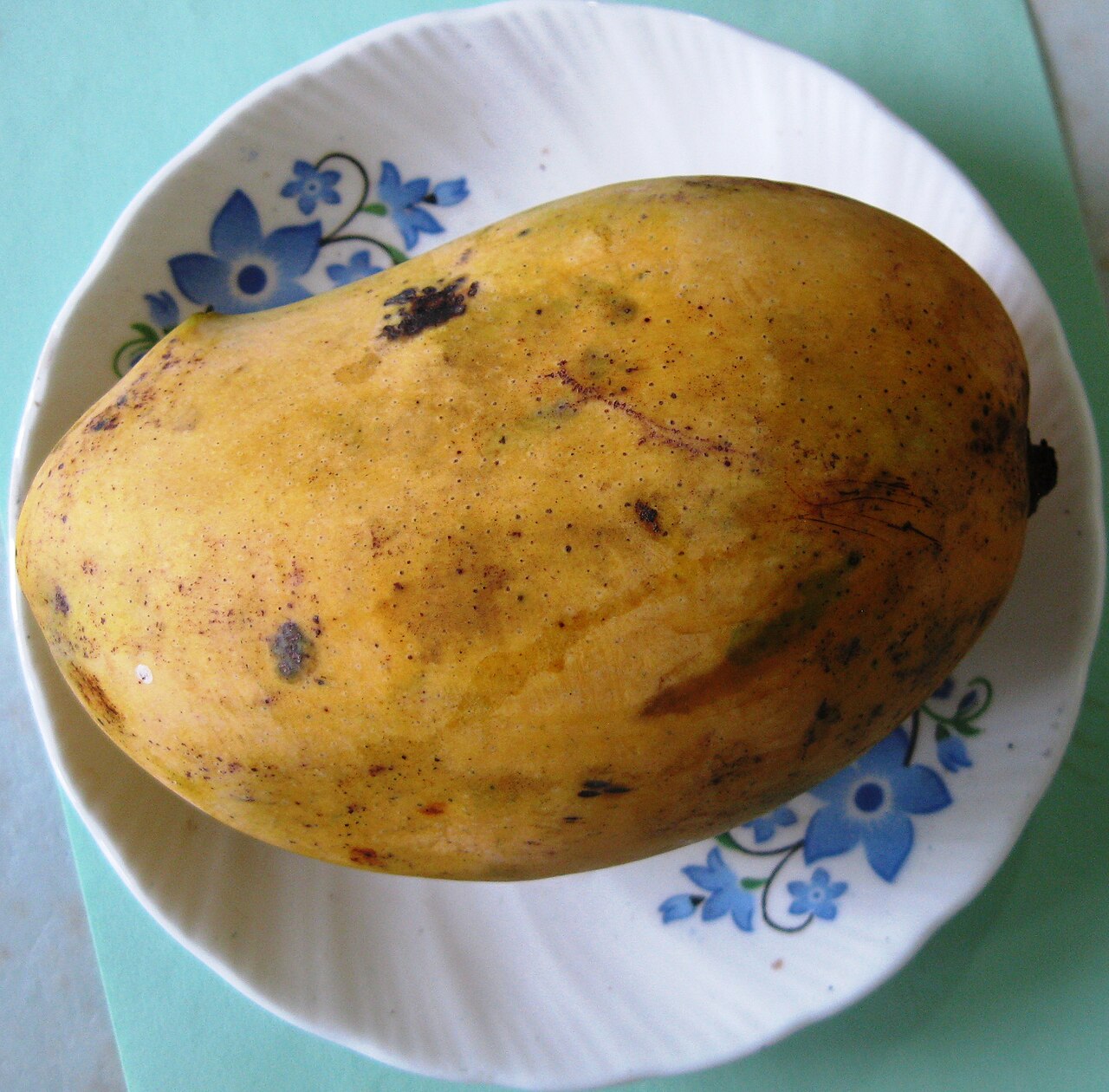
The figures, released by the exporters’ association on Wednesday, show how a war fought far from Pakistan’s orchards still reached them. The Middle East, the biggest buyer of Pakistani mangoes, took the hardest hit: shipments there fell from 36,000 tonnes last year to 14,500 tonnes this year.
Waheed Ahmed, patron-in-chief of the PFVA, told Anadolu Agency that the months-long near-closure of the Strait of Hormuz, the key shipping route out of the Gulf, and soaring freight rates were the main reasons for the decline. “The freight rate that was $1,000–1,400 before the US-Iran war, now stands at $8,000,” he said.
Key facts: Pakistan mango exports 2026
| Fact | Detail |
|---|---|
| Export fall | Down 36% this season |
| Volume exported | 78,000 tonnes (2026) vs 123,000 tonnes (2025) |
| Volume lost | 45,000 tonnes |
| Earnings | $58.5 million (2026) vs $92.2 million (2025) — down $33.7 million |
| Middle East shipments | 14,500 tonnes (2026) vs 36,000 tonnes (2025) |
| Freight rate | $1,000–1,400 before the war → about $8,000 now |
| Export season | 1 June to end of September 2026 |
| Official target | 80,000 tonnes — missed by 2,000 tonnes (PFVA figures, reported by Business Recorder) |
| Source of figures | All Pakistan Fruit and Vegetable Exporters, Importers and Merchants Association (PFVA) |
2025 vs 2026: the season in numbers
The comparison is stark. Last season Pakistan shipped 123,000 tonnes of mangoes and earned $92.2 million. This season it shipped 78,000 tonnes and earned $58.5 million — 45,000 fewer tonnes and $33.7 million less in earnings.
| Measure | 2025 season | 2026 season | Change |
|---|---|---|---|
| Total exports | 123,000 tonnes | 78,000 tonnes | −45,000 tonnes (−36%) |
| Export earnings | $92.2 million | $58.5 million | −$33.7 million (−37%) |
| Middle East / Gulf shipments | 36,000 tonnes | 14,500 tonnes | −21,500 tonnes (−60%) |
| Freight rate (per shipment) | $1,000–1,400 | About $8,000 | Roughly 6–8 times higher |
One figure in this story needs care. Waheed Ahmed told Anadolu that earnings fell from approximately $100 million to around $60 million. Business Recorder, using the association’s precise figures, put the same fall at $92.2 million to $58.5 million. These are not conflicting reports: the first is the rounded version of the second. Some headlines have rounded the loss further to $40 million; the precise loss, on PFVA’s own figures, is $33.7 million.
Why shipping broke: the Strait of Hormuz and freight costs
Mangoes are the worst kind of cargo for a shipping crisis. They ripen fast, bruise easily and lose value with every extra day at sea. When the Strait of Hormuz — the narrow waterway through which Gulf shipping passes — was nearly closed for months during the US-Iran war, exporters faced two problems at once: ships took longer, and freight rates multiplied.
The numbers explain why so many shipments simply did not happen. Before the war, moving a mango shipment cost $1,000 to $1,400 in freight. Now the same shipment costs about $8,000, according to the PFVA. At that price, the margin on fruit sold in Gulf markets largely disappears, and exporters either ship less or do not ship at all.
Which markets were hit hardest
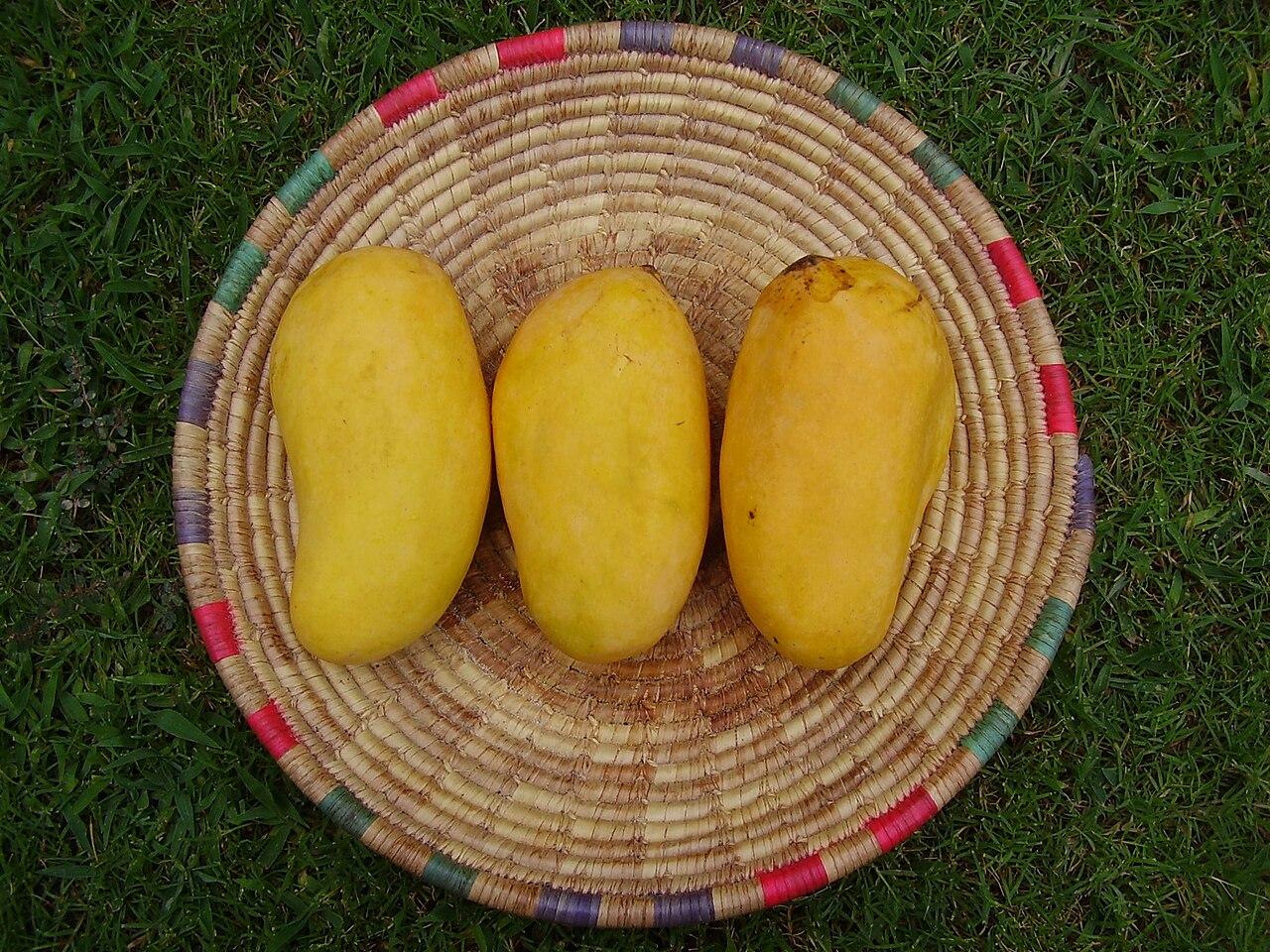
The Gulf took the worst of it. The United Arab Emirates and Saudi Arabia, the two largest Gulf buyers, recorded the steepest declines, according to the PFVA. The UAE and Oman remain the main Middle East destinations for Pakistani mangoes — particularly the internationally acclaimed Chaunsa variety — followed by Saudi Arabia, with Kuwait and Qatar also importing significant quantities.
The Middle East as a whole bought 21,500 fewer tonnes this year than last — almost half of Pakistan’s total 45,000-tonne export loss. This was not a slow decline spread across many markets, but a sharp shock in the one region that buys the most Pakistani mangoes.
Exports to Afghanistan were disrupted as well, by frequent border closures amid strained relations between the two countries. The PFVA says cross-border trade with Afghanistan remained suspended through the season, cutting off a neighbouring market and the Central Asian routes beyond it.

The target Pakistan almost hit
There is a small piece of good news inside the bad figures. The official export target for the season was 80,000 tonnes, and Pakistan reached 78,000 — missing it by only 2,000 tonnes. The PFVA credits that near-miss to a single decision: starting the export season on 1 June instead of in May.
According to Business Recorder, the PFVA says the cooperation of the Ministry of Commerce and the Ministry of National Food Security and Research — above all the decision to begin exports on 1 June — helped exporters come close to the target. Had exports started in May, the association says, Pakistani mangoes would have faced complaints about quality. The season ran from 1 June to the end of September 2026. The target figures come from the PFVA via Business Recorder and have not been independently confirmed by a second outlet; they are reported here with that attribution.
The deeper problem: climate change is shrinking the crop
The war explains this season. It does not explain the longer trend. Pakistan produced about 1.9 million tonnes of mangoes a year until 2018, ranking sixth in the world behind India, China, Thailand, Indonesia and Mexico. Production has declined over the past four years, and the exporters’ association blames global warming: climate change has reduced Pakistan’s total mango production by 35%, according to the PFVA.
That matters because the export problem is now two problems at once. Even when shipping routes reopen, there will be fewer mangoes to ship unless orchards recover. Rising production costs are squeezing growers at the same time, and the PFVA has called on the federal and provincial governments to support growers and help them adopt modern farming techniques.

Pakistan angle: what this means at home
For Pakistan, mangoes are not just another crop. The PFVA describes them as an important part of the country’s national identity, and they are one of the few Pakistani farm products with a recognised name in world markets — Chaunsa and Sindhri are known fruit. A $33.7 million earnings loss in one season is real foreign exchange Pakistan cannot spare, and it lands on growers in Punjab and Sindh who already face rising costs and a shrinking crop.
The wider export picture makes the loss sharper. Pakistan’s exporters are chasing ambitious targets elsewhere — Punjab has set a Rs500 billion food export target for Saudi Arabia, and IT exports reached $435 million in September 2026, the second-highest ever — so a 36% fall in a flagship farm export cuts against the direction the rest of the export economy is moving. Punjab’s food export push to Saudi Arabia runs through the same Gulf routes that failed mango exporters this year, while the $1 billion gemstone export target shows how much Pakistan is counting on non-traditional exports to cushion shocks like this one. Even petrol prices in Pakistan, which feed directly into transport costs, shape whether farm exports stay profitable when shipping rates spike.
Confirmed vs reported vs rumour
Confirmed: exports fell 36% to 78,000 tonnes from 123,000 tonnes; Middle East shipments fell from 36,000 to 14,500 tonnes; earnings fell from $92.2 million to $58.5 million (about $100 million to about $60 million in rounded terms); freight rates rose from $1,000–1,400 to about $8,000; the Strait of Hormuz was nearly closed for months; climate change has cut mango production by 35%; Pakistan produced about 1.9 million tonnes a year until 2018 and ranked sixth globally.
Reported (single originating source, attributed): the official export target of 80,000 tonnes and the 2,000-tonne miss; the export season running 1 June to end September 2026; the June 1 start decision, backed by the Ministry of Commerce and the Ministry of National Food Security and Research, helping exporters come close to the target. These come from the PFVA via Business Recorder.
Rumour: nothing in this article rests on rumour. Figures that appeared in only one outlet without corroboration — including per-country shipment figures for Qatar, Oman and Saudi Arabia, and an estimated 24,000-tonne loss from the Afghan border closure — were checked and deliberately left out until a second source confirms them.
What to watch next
Waheed Ahmed has said Pakistan’s mango exports could return to previous levels if lasting peace is established in the Middle East. That is the single biggest variable for next season: freight rates and the Strait of Hormuz will decide whether exporters can profitably ship to the Gulf again. The next export season opens in June 2027.
The second thing to watch is the crop itself. If climate change keeps cutting production by a third, even a peaceful shipping lane will not restore 123,000-tonne seasons. Orchard support, modern farming techniques and cold-chain investment will decide whether Pakistani mangoes recover their place in world markets or keep shrinking. We will update this page when PFVA or official figures for the next season are released.
Frequently asked questions
Why did Pakistan’s mango exports fall 36% in 2026?
According to the PFVA, the US-Iran war disrupted shipping routes and drove up freight costs. The near-closure of the Strait of Hormuz and a rise in freight rates from $1,000–1,400 to about $8,000 made it far harder and more expensive to ship mangoes, especially to the Middle East.
How many mangoes did Pakistan export this year?
Pakistan exported 78,000 tonnes of mangoes in the 2026 season, down from 123,000 tonnes last season — a fall of 45,000 tonnes, or 36%.
How much money did Pakistan lose on mango exports?
Precise PFVA figures put earnings at $58.5 million this season against $92.2 million last season — a loss of $33.7 million. The PFVA’s patron-in-chief rounded this to about $60 million from about $100 million.
Which countries buy Pakistani mangoes?
The main buyers are in the Middle East: the UAE and Oman first, then Saudi Arabia, with Kuwait and Qatar also importing significant quantities. The Chaunsa variety is the most famous export. Afghanistan is a neighbouring market, but exports there were disrupted by border closures this season.
Why did freight costs rise so much?
Freight rates rose from $1,000–1,400 per shipment before the US-Iran war to about $8,000 now, according to the PFVA. The months-long near-closure of the Strait of Hormuz forced longer shipping times and higher rates, which hit perishable goods like mangoes hardest.
When does Pakistan’s next mango export season start?
The 2026 season ran from 1 June to the end of September. The next season is expected to open around June 2027, depending on the crop and the government’s start date. Recovery will depend on peace in the Middle East, freight rates falling, and the mango crop itself.