Pakistan Remittances Hit $3.9 Billion in October, Nearly Cover $14.6bn Trade Gap
By Bilal Ahmed | 12 November 2026 Overseas Pakistanis sent home $3.9 billion in October 2026 — the highest monthly inflow so far this fiscal year — taking total remittances for the first four months of FY27 to $14.77 billion. That four-month figure is almost enough to cover Pakistan’s entire merchandise trade deficit of $14.6…
By Bilal Ahmed | 12 November 2026
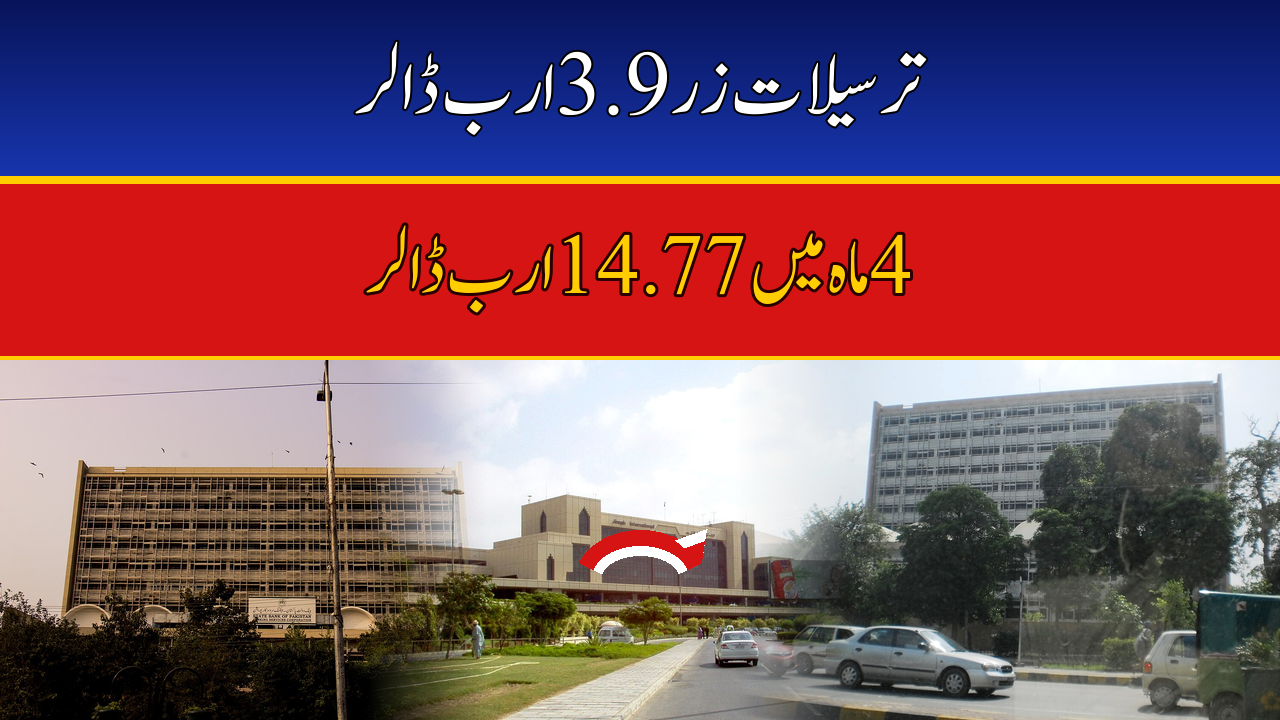
Overseas Pakistanis sent home $3.9 billion in October 2026 — the highest monthly inflow so far this fiscal year — taking total remittances for the first four months of FY27 to $14.77 billion. That four-month figure is almost enough to cover Pakistan’s entire merchandise trade deficit of $14.6 billion over the same period, according to data released by the State Bank of Pakistan (SBP) on Tuesday, 10 November.
October’s inflows rose 13.8% from $3.42 billion a year earlier and 8.5% from $3.59 billion in September. It is the latest sign that remittances — Pakistan’s single most reliable source of foreign exchange — are doing the heavy lifting for the external account while the trade gap widens.
Key Facts
| Claim | Detail | Status |
|---|---|---|
| October 2026 remittances | $3.892 billion | Confirmed |
| Year-on-year change | +13.8% (from $3.42 billion, Oct 2025) | Confirmed |
| Month-on-month change | +8.5% (from $3.588 billion, Sep 2026) | Confirmed |
| July–October FY27 total | $14.77 billion (+14% YoY) | Confirmed |
| Trade deficit, Jul–Oct | $14.6 billion (widened 16% YoY) | Confirmed |
| 12-month total (Nov 2025–Oct 2026) | $43.39 billion | Confirmed |
| SBP FY27 forecast | $45 billion (raised from $44 billion) | Confirmed |
October: The Strongest Month of the Year
October’s $3.892 billion is the strongest monthly figure of FY27 so far, and the fourth month in a row of solid inflows. The 13.8% year-on-year jump and the 8.5% rise from September show momentum building into the winter remittance season, when transfers traditionally pick up as overseas workers send money home for the colder months.
The cumulative picture is just as strong. Between July and October 2026, overseas workers transferred $14.77 billion, compared with $12.96 billion in the same four months of the previous fiscal year — a 14% increase. Over the full 12 months from November 2025 to October 2026, remittances totalled $43.39 billion.
Nearly Covering the Whole Trade Deficit
The headline number is the comparison with the trade gap. Pakistan’s merchandise trade deficit for July–October stood at $14.6 billion — and it widened 16% year-on-year as imports grew. Remittances of $14.77 billion over the same four months almost exactly match it. As Waqas Ghani, head of equity research at JS Global, put it: “Overseas Pakistanis just covered almost the entire trade deficit, again.”
That cushion matters because the trade deficit is the main pressure point on Pakistan’s foreign exchange reserves. Every dollar of remittances that arrives through formal channels is a dollar the country does not have to borrow or earn through exports to pay for imports.
Where the Money Comes From
Saudi Arabia remained the largest source, contributing $981.6 million in October and $3.67 billion over the four months. The United Arab Emirates followed with $815.9 million in October and $3.05 billion over July–October. Together, Saudi Arabia and the UAE provided about 45.5% of all inflows.
The concentration is no surprise: the Gulf hosts the largest communities of Pakistani workers, and their transfers have been the backbone of remittance growth for years. The continued rise in formal transfers also reflects the SBP’s push to channel money through banks and official exchange companies rather than informal routes.
Why It Matters — and What to Watch
The SBP has already raised its sights. Governor Jameel Ahmed said at last month’s monetary policy briefing that the central bank now expects overseas Pakistanis to send about $45 billion during FY27, up from its earlier projection of $44 billion. Independent forecasters are close behind: Topline Research expects remittances to reach $44.7 billion in FY27.
If the current pace holds, remittances will keep covering most of the trade deficit — a timely cushion at a time when Pakistan faces heavy external debt repayments. The risks are familiar: a slowdown in Gulf economies, weaker oil prices cutting into workers’ earnings, or a shift back to informal channels could all trim the flow. For now, though, the trend is firmly upward.
The wider economy is moving in the same direction: the government is pushing ahead with privatisation to raise over $1 billion, the petrol price has fallen to Rs335 a litre, and households are watching everyday costs closely — the flour price surge showed how quickly food inflation bites. Transporters, meanwhile, are still adjusting to fuel costs, as the goods transporters’ fare hike made clear.
Frequently Asked Questions
How much did overseas Pakistanis send home in October 2026?
$3.892 billion, according to the State Bank of Pakistan — up 13.8% from $3.42 billion in October 2025 and up 8.5% from $3.588 billion in September 2026.
How much have remittances totalled in FY27 so far?
$14.77 billion in the first four months (July–October 2026), up 14% from $12.96 billion in the same period last year.
Do remittances cover Pakistan’s trade deficit?
Nearly. The four-month remittance inflow of $14.77 billion almost exactly matches the $14.6 billion merchandise trade deficit for July–October 2026.
Which countries send the most remittances to Pakistan?
Saudi Arabia is the largest source ($981.6 million in October; $3.67 billion in July–October), followed by the UAE ($815.9 million in October; $3.05 billion in July–October). Together they provide about 45.5% of inflows.
What is the SBP’s remittance forecast for FY27?
The State Bank expects about $45 billion in FY27, raised from its earlier projection of $44 billion. Topline Research expects $44.7 billion.
How do remittances help Pakistan’s economy?
They are the country’s most reliable source of foreign exchange, cushioning the trade deficit, supporting foreign exchange reserves and reducing the need to borrow to pay for imports — especially important during heavy external debt repayments.
Bilal Ahmed covers business and the economy for TimelyUps. Figures are from the State Bank of Pakistan, as reported by The Express Tribune, Profit, ProPakistani and Daily Pakistan.