SNGPL, SSGC Seek Higher Gas Prices: Rs1,712.40 and Rs2,071.75 per MMBtu Proposed
By Bilal Ahmed | 12 November 2026 Sui Northern Gas Pipelines Limited (SNGPL) and Sui Southern Gas Company (SSGC) have asked the Oil and Gas Regulatory Authority (OGRA) to raise their average prescribed gas prices for the current fiscal year, effective from 1 July 2026. SNGPL wants Rs10 more per MMBtu, taking its rate to…
By Bilal Ahmed | 12 November 2026
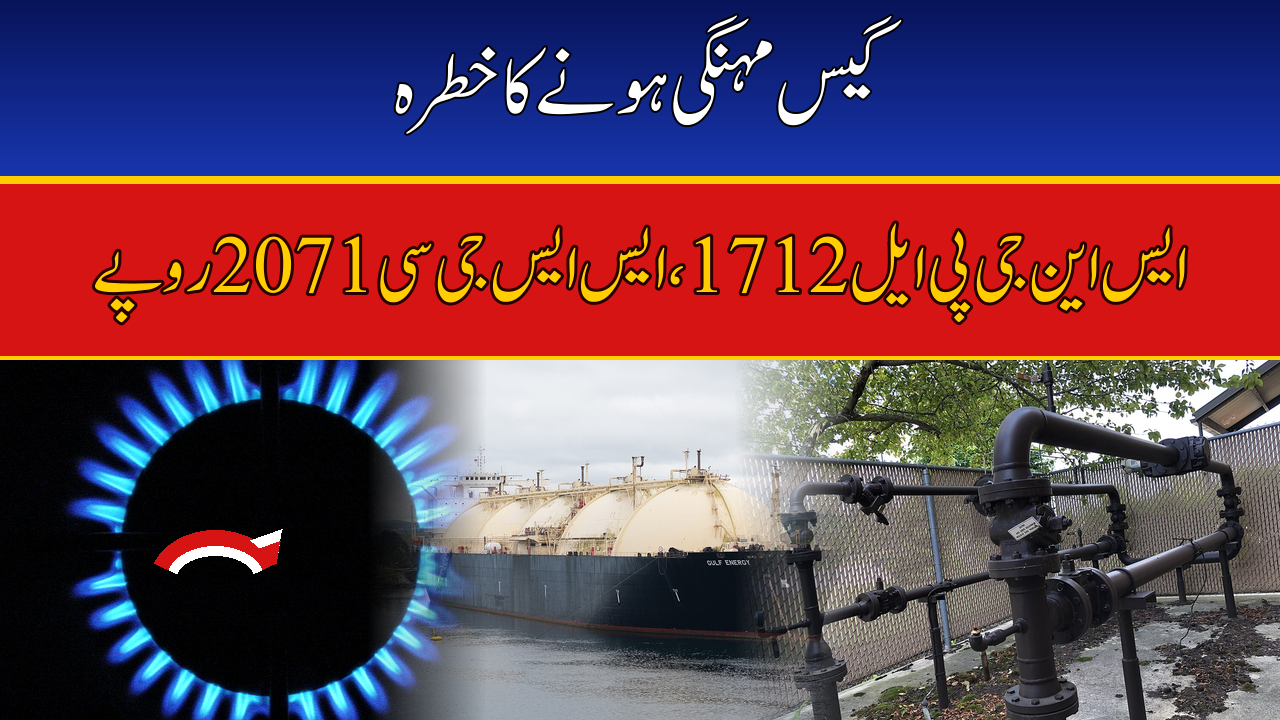
Sui Northern Gas Pipelines Limited (SNGPL) and Sui Southern Gas Company (SSGC) have asked the Oil and Gas Regulatory Authority (OGRA) to raise their average prescribed gas prices for the current fiscal year, effective from 1 July 2026. SNGPL wants Rs10 more per MMBtu, taking its rate to Rs1,712.40, while SSGC seeks Rs366.75 more per MMBtu, to Rs2,071.75. Be clear: this is a petition, not a price hike. OGRA still has to hold hearings, and any change in what households pay needs a separate government decision and notification.
Key Facts
| Claim | Detail | Status |
|---|---|---|
| SNGPL proposed prescribed price | Rs1,712.40 per MMBtu, up Rs10 | Filed |
| SSGC proposed prescribed price | Rs2,071.75 per MMBtu, up Rs366.75 | Filed |
| Effective date sought | 1 July 2026, retrospectively | Pending |
| LNG service cost (SNGPL petition) | Rs60.147 billion; Rs471.16 per MMBtu | As per petition |
| Winter LNG cargoes | SNGPL says 16; Petroleum Division estimates 24 | Reported estimates |
| July 2026 OGRA determination | SNGPL Rs1,718.96; SSGC Rs1,691.24 per MMBtu | Determined; tariffs unchanged |
| Gas circular debt | Rs3.631 trillion, up Rs344 billion, by 30 June 2026 | Petroleum Division figures |
| Winter gas plan | Nov 2026–Feb 2027; domestic users first | Announced plan |
| Consumer price change | Needs OGRA determination plus government notification | Not yet decided |
What the Two Companies Are Asking For
Both utilities went to the regulator with the same argument: the cost of supplying gas has risen, so the prescribed price should follow. SNGPL’s ask is small, just Rs10 per MMBtu to Rs1,712.40. SSGC’s is far larger, Rs366.75 per MMBtu to Rs2,071.75. Both cite rising international crude oil prices, which push up gas costs because imported gas prices are linked to oil. The petitions cover fiscal year 2026-27 and seek effect from 1 July 2026.
Prescribed Price Is Not Your Gas Bill
This is the part most people miss. The “prescribed price” is the average price OGRA allows a gas company to recover for each unit supplied, covering gas cost, transmission, distribution and allowed return. It is not the price on a household bill. What a family pays is the consumer tariff, set by the federal government after OGRA’s determination. The government can accept OGRA’s number, change it, or leave tariffs untouched. That is what happened in July 2026, when OGRA set new prescribed prices but consumer tariffs stayed unchanged.
Why LNG Costs Are at the Heart of This
LNG is a large part of SNGPL’s case. The company has included Rs60.147 billion of LNG service costs in its petition, estimated at Rs471.16 per MMBtu. Imported LNG costs far more than local gas, so every extra cargo pushes the average cost up. Winter makes it sharper: SNGPL says 16 LNG cargoes will be needed, while the Petroleum Division puts the requirement at 24 cargoes for SNGPL’s system, covering households and the power sector.
What Happened in July 2026
In July 2026, OGRA determined the prescribed prices for fiscal year 2026-27 at Rs1,718.96 per MMBtu for SNGPL and Rs1,691.24 for SSGC. The government then decided not to pass any increase on to consumers. One detail deserves care: Geo reports SNGPL’s existing price as Rs1,702 per MMBtu in its petition coverage, while the July OGRA determination put it at Rs1,718.96. Both figures are reported exactly as published, and this article does not try to reconcile them. The companies are asking OGRA to revisit the numbers only months after the July determination, because costs have moved again.
Gas Circular Debt Has Reached Rs3.631 Trillion
Behind the petitions sits a much bigger number. Gas-sector circular debt stood at Rs3.631 trillion by 30 June 2026, up Rs344 billion, per Petroleum Division figures to the National Assembly. That is the accumulated gap between what gas costs and what consumers pay.
Winter Gas Plan: Homes First, Industry May Face Cuts
The winter gas management plan for November 2026 to February 2027 takes effect now. Domestic consumers get priority for supply, while industry, captive power plants, fertiliser units and CNG stations could see supply curtailed if shortages turn severe. Since September, gas supply to homes has been restricted to morning, afternoon and evening cooking hours in many areas.
What Happens Next
OGRA will hold public hearings on both petitions before making any determination, with stakeholders, including consumer representatives, heard. Only after that will OGRA decide whether to accept the proposed rates, adjust them, or reject them. Even a favourable determination would not by itself raise household bills: the federal government would still have to decide on consumer tariffs and issue a notification. Until that happens, the petitions remain a request, not a price hike.
What This Means for Your Household
Nothing changes in your bill today. Watch for the OGRA hearings and any government notification, because those two steps decide whether bills change. The winter cooking-hours schedule remains in force, so plan heavy cooking around the morning, afternoon and evening supply windows. For the latest fuel rates, see our petrol and diesel price update for 12 November 2026 and our evergreen petrol price in Pakistan page. For winter supply timings, see our gas load shedding schedule for winter 2026-27.
Frequently Asked Questions
Has the gas price increased in Pakistan?
No, not yet. SNGPL and SSGC have only petitioned OGRA for higher prescribed prices, Rs1,712.40 and Rs2,071.75 per MMBtu. OGRA must hold hearings first, and any consumer price change needs a separate government decision.
What is the prescribed price of gas?
The prescribed price is the average price OGRA allows a gas company to recover per unit supplied, covering the cost of gas, transmission, distribution and an allowed return. It differs from the consumer tariff, the slab-based price households pay, which is set by the government.
What are SNGPL and SSGC asking OGRA for?
SNGPL seeks Rs10 more per MMBtu to Rs1,712.40, and SSGC seeks Rs366.75 more to Rs2,071.75, both from 1 July 2026 for fiscal year 2026-27.
Why are gas companies asking for higher prices?
Both cite rising international crude oil prices, which push up the cost of imported gas. SNGPL has also included Rs60.147 billion of LNG service costs, with winter demand needing 16 LNG cargoes by its estimate, or 24 by the Petroleum Division’s estimate.
Will my gas bill go up this winter?
Not automatically. Even if OGRA approves the petitions, the government must separately decide on consumer tariffs. What is already in force is the winter gas plan for November 2026 to February 2027, which prioritises domestic consumers and restricts household supply to cooking hours.
How big is Pakistan’s gas circular debt?
Gas-sector circular debt reached Rs3.631 trillion by 30 June 2026, up Rs344 billion, per Petroleum Division figures to the National Assembly.