Flour Prices Surge Across Pakistan: Chakki Atta Hits Rs200/kg in Karachi, Roti Up to Rs35
By Bilal Ahmed | Updated: October 13, 2026 Flour prices have surged across Pakistan this week: chakki atta has touched Rs200 per kg in Karachi against the official rate of Rs145, and a single roti now sells for Rs30 to Rs35 in the city. Multan, Faisalabad, Hafizabad and Balochistan are all reporting sharp increases. In…
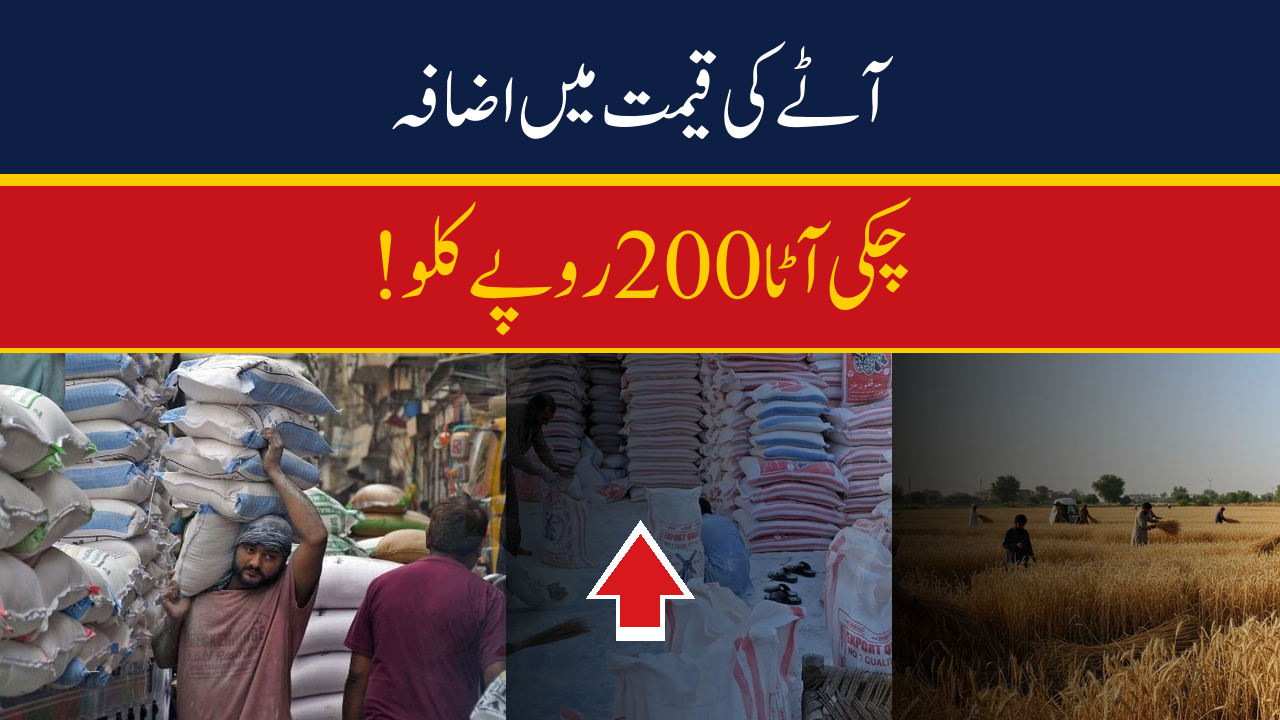
Flour prices have surged across Pakistan this week: chakki atta has touched Rs200 per kg in Karachi against the official rate of Rs145, and a single roti now sells for Rs30 to Rs35 in the city. Multan, Faisalabad, Hafizabad and Balochistan are all reporting sharp increases. In response, Punjab has announced a Rs10 billion subsidy and Sindh has struck a deal with flour millers for an ex-mill cut of Rs6 per kg. Here are the new city-wise rates, the relief measures, and how to shop smarter while prices stay high.
City-Wise Atta Rates in Pakistan (October 13, 2026)
| City / Region | Flour Type | Current Market Rate | Notes |
|---|---|---|---|
| Karachi | Chakki atta | Rs200/kg | Official notified rate is Rs145/kg |
| Karachi | Fine flour | Rs176/kg | Official wholesale rate is Rs132/kg |
| Karachi | Ration flour | Rs168/kg retail (Rs161 wholesale) | Widening gap with notified prices |
| Multan | Flour (general) | Rs150/kg | Wheat at Rs5,400/maund |
| Multan | 15kg bag | Rs2,200 (was Rs1,700) | Sharp jump in bag prices |
| Faisalabad | Chakki atta | Rs150–160/kg | Wheat at Rs5,500/maund |
| Hafizabad | 10kg bag | Rs1,400–1,600 | Subsidised Rs1,100 bag unavailable |
| Balochistan | 50kg bag | Rs8,000 (was Rs6,000) | Rose in three months amid wheat shortage |
Karachi: Notified Rates vs Market Reality
The gap between official prices and what people actually pay in Karachi has become hard to ignore. The Karachi commissioner notified retail rates of Rs125 per kg for regular flour, Rs135 for fine flour and Rs145 for chakki atta (wholesale Rs122 and Rs132). In the market, however, chakki atta is going for Rs200 a kilo and fine flour for Rs176 — because open-market wheat is trading at around Rs116 per kg, which makes the notified prices unworkable for millers. Ordinary buyers keep paying the higher market price while the official list hangs on shop walls.
The tandoor is where most families feel it first. With flour this expensive, roti has climbed to Rs30–35 in Karachi, while in Multan roti has gone from Rs15 to Rs25 and naan from Rs25 to Rs30. A family eating 20 rotis a day now spends noticeably more on bread alone each month.
Balochistan Faces a Wheat Shortage
The situation in Balochistan is different in one important way: this is not just a price problem, it is a supply problem. A 50kg flour bag that cost Rs6,000 three months ago now sells for Rs8,000, and traders report wheat shortages affecting supplies across the province. When flour becomes physically scarce, prices climb faster and there is less room for buyers to shop around.
Part of the broader cost pressure comes from transport. Petrol and diesel rates feed directly into the cost of moving wheat to mills and retailers, especially for a province like Balochistan that depends on supplies from elsewhere. Goods transporters have also been warning about fare hikes tied to fuel prices, adding another layer to what consumers pay for a bag of flour.
Punjab Announces Rs10 Billion Subsidy
Punjab has moved to soften the blow. Chief Minister Maryam Nawaz has approved a Rs10 billion subsidy for flour and increased the wheat quota for flour mills at Rs3,800 per maund, following an urgent video-link meeting on the crisis. The chief minister has vowed that affordable atta and cheap roti will continue in Punjab.
The quota increase matters because it directly lowers the input cost for mills. When mills get wheat at Rs3,800 per maund through the government channel instead of open-market rates, there is a real basis for keeping flour prices down. The catch, as seen in Hafizabad, is availability: the subsidised Rs1,100 bag has been reported unavailable there, pushing buyers to the Rs1,400–1,600 market bag. A subsidy only helps if the flour actually reaches the shops.
Govt-Millers Deal: Rs6/kg Cut in Sindh
In Sindh, the government and millers have reached a working agreement. In a meeting chaired by Food Minister Makhdoom Mehboob Uz Zaman — attended by Karachi Commissioner Syed Hassan Naqvi, Food Secretary Ghulam Abbas Naich, Flour Mills Association Chairman Malik Iqbal and Patron-in-Chief Muhammad Yousuf Chaudhry — both sides agreed on an ex-mill flour price cut of Rs6 per kg, from Rs161 down to Rs155.
Two details from that meeting are worth knowing. Millers reported holding roughly 1.5 million 100-kg bags of wheat, about a month of consumption, so there is no immediate supply cliff in Sindh. The meeting also noted Sindh’s Rs76.5 billion wheat-grower subsidy, a reminder that public money is already heavily involved on both the farming and milling sides of this chain.
An ex-mill cut is a step in the right direction, but Rs6 off the mill gate does not automatically mean Rs6 off the retail price — transport, dealer margins and retail markups sit in between. If enforced honestly, it should still take some of the edge off Karachi’s market prices over the coming days.
Practical Tips for Shoppers
- Buy the subsidised bag where available: Where the government or utility-store channel is actually stocked, it is still the cheapest flour per kilo. Check availability first — in some areas the subsidised bag is missing from shelves.
- Compare 10kg and 15kg bags: The per-kilo price often differs between bag sizes. In Multan the 15kg bag jumped from Rs1,700 to Rs2,200 — do the per-kilo math rather than going by the bag price.
- Watch the tandoor bill: If your household buys ready-made roti, the Rs30–35 Karachi rate adds up fast. Baking at home is usually cheaper per roti even at current flour prices.
- Store flour properly: With prices this high, spoilage is money lost. Keep flour in an airtight container in a cool, dry place, and do not hoard more than a month or two — panic buying pushes prices up further.
Frequently Asked Questions
What is the atta price in Pakistan today?
As of October 13, 2026: chakki atta Rs200 per kg in Karachi (official rate Rs145), Rs150–160 in Faisalabad and Rs150 in Multan. Fine flour is Rs176 in Karachi against an official wholesale rate of Rs132. Roti sells for Rs30–35 in Karachi.
Why have flour prices increased in Pakistan?
Several pressures are hitting at once: high open-market wheat prices (Rs5,400–5,500 per maund), a wheat shortage affecting supplies in Balochistan, rising transport and fuel costs, and a gap between government-notified flour rates and actual market costs that makes the official prices unworkable for millers.
What is the government doing about flour prices?
Punjab CM Maryam Nawaz has approved a Rs10 billion flour subsidy and raised the wheat quota for mills at Rs3,800 per maund. In Sindh, the government and millers agreed to an ex-mill cut of Rs6 per kg (Rs161 to Rs155), and Karachi’s commissioner has notified official retail rates.
How much does a roti cost now in Karachi?
A single roti now costs Rs30 to Rs35 in Karachi. In Multan, roti has risen from Rs15 to Rs25 and naan from Rs25 to Rs30. Families buying ready-made roti daily are feeling the increase more than almost any other food expense right now.
Is subsidised flour available in Punjab?
It depends on the area. The Rs10 billion subsidy package aims to keep affordable atta flowing, but in places like Hafizabad the subsidised Rs1,100 bag has been reported unavailable, forcing buyers toward Rs1,400–1,600 market bags — so check local availability before going.
Will flour prices come down soon?
There are reasons for cautious hope: the Rs6/kg ex-mill cut in Sindh, Punjab’s Rs10 billion subsidy and cheaper mill quota, and millers holding about a month of wheat stock. But prices will only ease at retail if these measures are enforced through the whole chain. Watch Karachi’s market rates over the next week or two for the real signal.