QTECH Signs Deal with China’s Great Power for Lithium Battery Assembly in Pakistan
By Bilal Ahmed | Business Desk | October 14, 2026 | Updated: October 14, 2026 Quantum Data Technologies Limited (PSX: QTECH) has signed a Strategic Cooperation and Market Development Framework Agreement with China’s Guangzhou Great Power Energy & Technology Co., Ltd. to introduce lithium-based battery energy storage systems in Pakistan and progressively undertake their local…
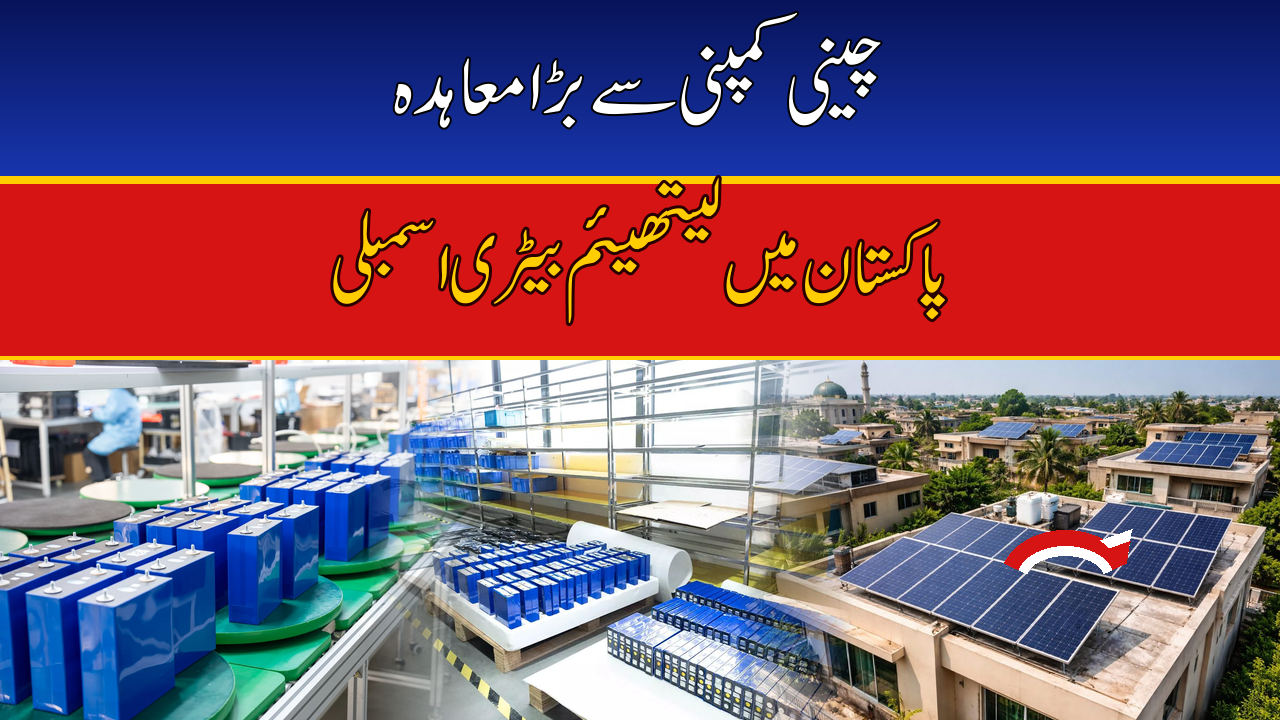
Quantum Data Technologies Limited (PSX: QTECH) has signed a Strategic Cooperation and Market Development Framework Agreement with China’s Guangzhou Great Power Energy & Technology Co., Ltd. to introduce lithium-based battery energy storage systems in Pakistan and progressively undertake their local assembly. The listed company disclosed the development to the Pakistan Stock Exchange on Wednesday, October 14, 2026.
If you have been watching Pakistan’s energy space this year, you know why this matters. Rooftop solar has exploded, data centres are mushrooming, and affordable local battery storage — the missing piece of the puzzle — may finally be taking shape.
Deal at a Glance
- Who: Quantum Data Technologies Limited (QTECH), formerly Chakwal Spinning Mills, and Guangzhou Great Power Energy & Technology Co., Ltd. (China)
- What: Strategic Cooperation and Market Development Framework Agreement for lithium-based battery energy storage
- Scope: Residential and commercial battery packs, industrial and utility-scale storage, plus data centres, AI infrastructure, EV batteries and other energy-intensive uses
- Key step: Introduce the systems first, then progressively shift to local assembly in Pakistan
- Disclosed: October 14, 2026, via PSX notice
- Great Power: Listed on the Shenzhen Stock Exchange (stock code 300438), market capitalisation of roughly $4 billion as of October 13, 2026
What the Agreement Actually Covers
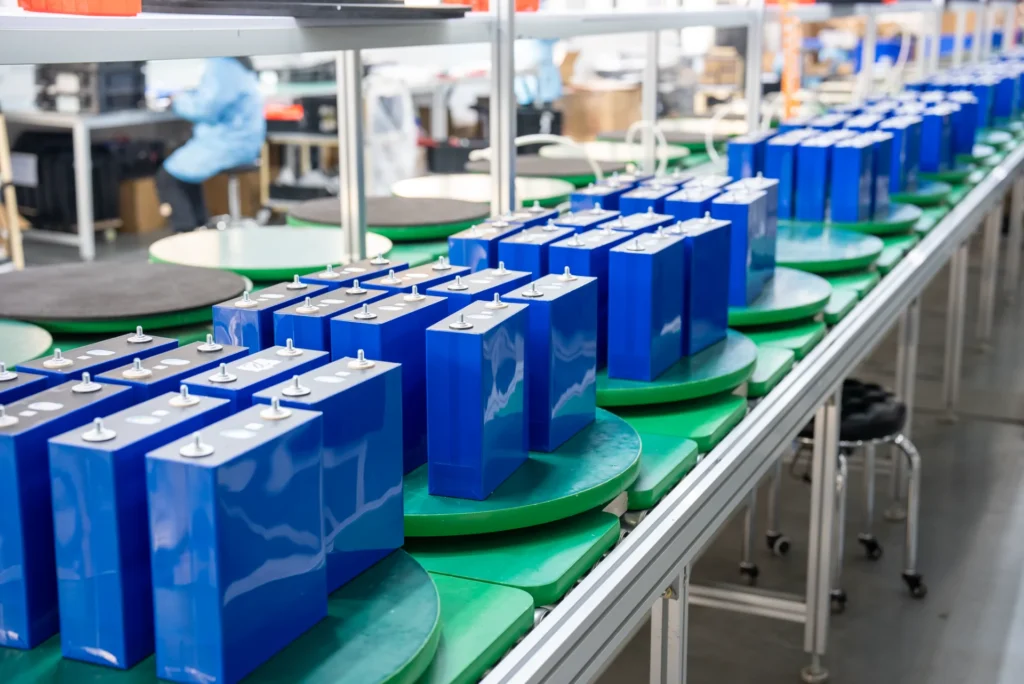
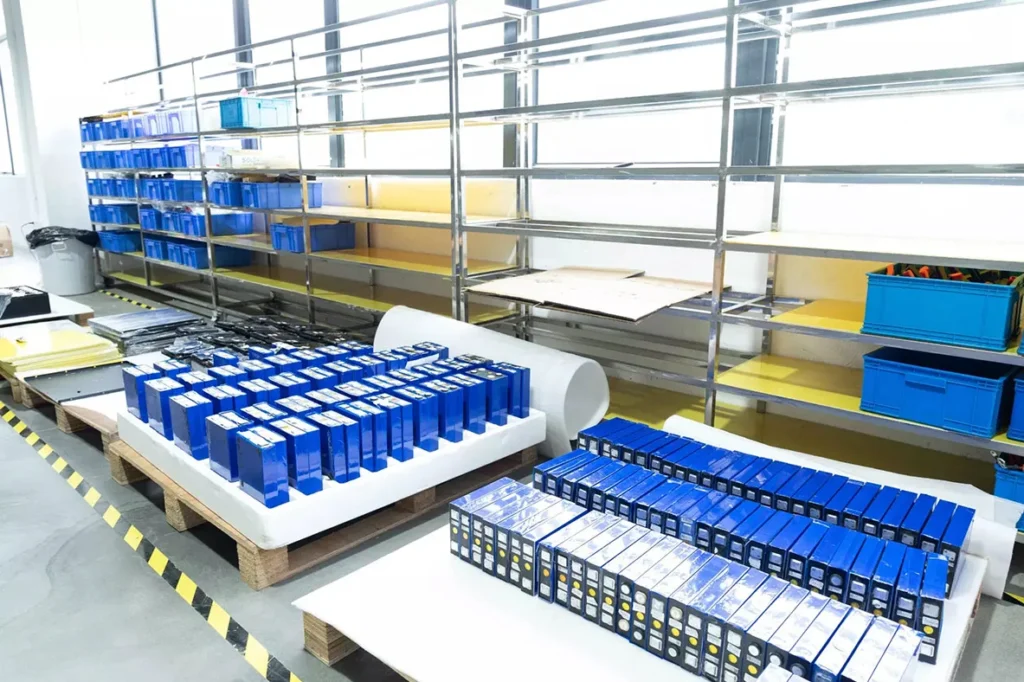
Framework agreements are often vague, but this one is specific about the product range: home and commercial battery packs at the small end, industrial and utility-scale storage in the middle, and specialised solutions for data centres, artificial intelligence infrastructure and EV battery infrastructure at the top.
That last bit is the tell. QTECH calls itself a data and AI-driven technology company, and its notice links reliable energy supply and energy security to Pakistan’s technological development. This is not random diversification — storage is the power backbone for the data centres and AI workloads it wants to build on.
For now, the wording is “introduce and progressively undertake local assembly.” In plain language: systems come in first, assembly shifts to Pakistan over time. It is assembly, not full manufacturing — cells will likely still come from China initially, the same way Pakistan’s mobile phone and solar inverter stories began.
Who Is Great Power?
Great Power is a Chinese manufacturer specialising in lithium batteries and energy storage technology, listed on the Shenzhen Stock Exchange under stock code 300438. QTECH puts its market capitalisation at approximately $4 billion as of October 13, 2026. Its products span energy storage, new energy vehicles, consumer electronics, smart homes and smart security, sold in Chinese and overseas markets. For Pakistan, that matters: the partner is a manufacturer, not a middleman.
Who Is QTECH?
Quantum Data Technologies has one of the more interesting backstories on the PSX. Incorporated on January 31, 1988, as Chakwal Spinning Mills Limited — a textile company — it has since reinvented itself as an IT and IT-enabled services company trading as QTECH.
This deal pushes it further down that path: from spinning mills to IT services to a technology company with a hand in energy storage. The notice frames it as part of a broader strategy to develop technology ventures and create long-term shareholder value, with further material developments to be disclosed under PSX regulations.
Why This Matters for Pakistan
Three forces are colliding in Pakistan right now, and battery storage sits at the intersection of all three.
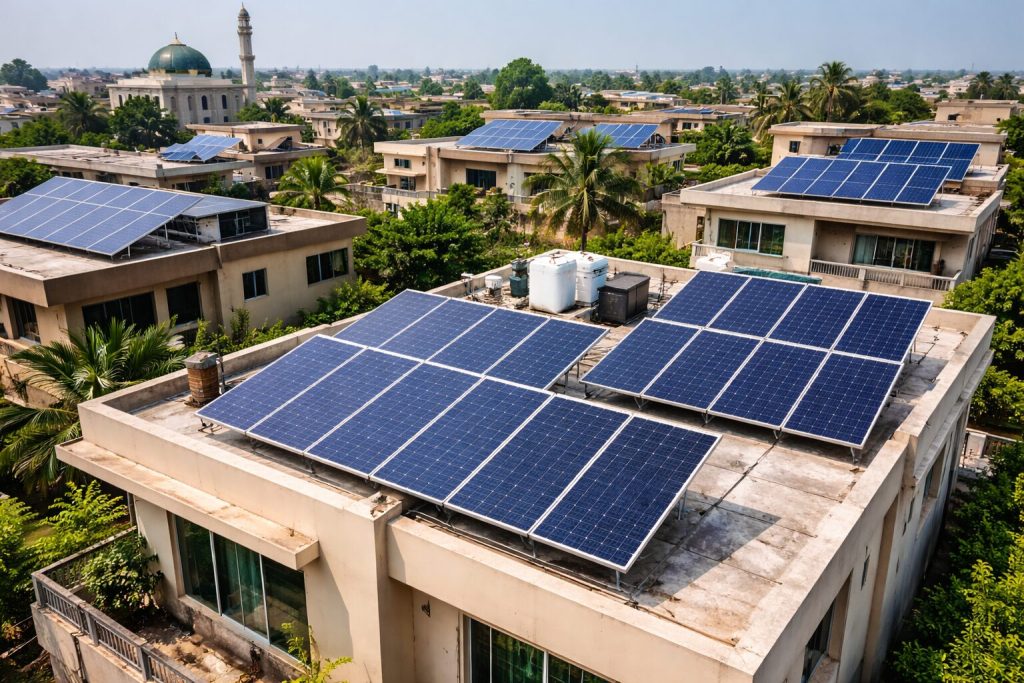
First, the solar boom. Households and businesses across Punjab and beyond have rushed to rooftop solar. But solar without storage only helps in daylight — and imported lithium packs are expensive. Every solar installer in Lahore will tell you the next question every customer asks is about batteries. Local assembly could genuinely bring those prices down.
Second, data centres and AI. Pakistan’s digital economy push needs reliable, uninterrupted power — a data centre cannot run on the grid’s mood swings. Utility-scale battery storage is becoming standard kit for data centre projects worldwide.
Third, energy security and the grid. Pakistan’s power sector is being restructured — the DISCO privatisation plan is part of the same story. Cheaper local storage eases peak-hour pressure and buffers consumers against outages. Energy access is not a luxury issue either: as the UNDP’s latest poverty data for Pakistan shows, deprivations in basic services still trap millions — reliable affordable energy is one of the quietest levers against that.
A Trend Is Forming: Kohinoor Energy Did This Too
A trend is forming: Kohinoor Energy did this too. Earlier this month, Kohinoor Energy Limited signed a non-binding MoU with China’s Hebei Juhang Energy Technology Group to explore a joint venture for lithium-ion battery pack assembly, manufacturing and energy storage systems.
Two listed companies, two Chinese partners, one month. That is no longer a coincidence — it is a trend. Chinese battery makers are clearly scouting Pakistan as an assembly base. Expect more announcements in this space before the year ends.
My honest take: framework agreements and MoUs are the easy part. The real test is whether assembly lines actually get built, on what timeline, and at what price. Neither announcement has given firm timelines or investment figures yet. Treat this as a genuinely promising first step — not a finished factory.
Frequently Asked Questions
What exactly did QTECH announce?
On October 14, 2026, Quantum Data Technologies (PSX: QTECH) told the Pakistan Stock Exchange it has signed a Strategic Cooperation and Market Development Framework Agreement with China’s Guangzhou Great Power Energy & Technology for lithium-based battery energy storage systems, with local assembly in Pakistan to follow progressively.
Who is Guangzhou Great Power?
A Chinese manufacturer of lithium batteries and energy storage solutions, listed on the Shenzhen Stock Exchange (code 300438), with roughly $4 billion in market capitalisation as of October 13, 2026. Its products cover energy storage, electric vehicles, consumer electronics, smart homes and smart security.
What products will be assembled in Pakistan?
The agreement covers residential and commercial battery packs, industrial and utility-scale energy storage systems, and solutions for data centres, AI infrastructure, EV battery infrastructure and other energy-intensive applications.
Is this manufacturing or assembly?
Assembly, at least initially. QTECH’s notice says systems will be introduced first and local assembly undertaken “progressively.” Battery cells will most likely be imported from China at the start, with packing and assembly done locally — the same model Pakistan used for mobile phones and solar inverters.
How is this different from the Kohinoor Energy deal?
Earlier this month, Kohinoor Energy signed a non-binding MoU with China’s Hebei Juhang Energy Technology Group to explore a joint venture for lithium-ion battery pack assembly and manufacturing. The QTECH–Great Power pact is a separate deal with a different Chinese partner, framed as a strategic cooperation and market development agreement.
When will locally assembled batteries be available?
No timeline yet. QTECH says further material developments will be disclosed under PSX regulations — watch PSX filings for updates on the facility, investment size and launch dates.
Why does battery storage matter for Pakistan?
Pakistan’s rooftop solar boom has created huge demand for storage, since panels only generate power in daylight. Data centres and AI infrastructure also need uninterrupted power. Locally assembled lithium battery systems could cost less than imports, create jobs, and strengthen energy security.
TimelyUps Business Desk will update this story as QTECH files further disclosures with the PSX.