Punjab Approves Rs1.995 Trillion PIVOT Industrial & Export Plan, Targeting 162,000 Jobs
The Punjab cabinet has approved a Rs1.995 trillion industrial development and export promotion programme called PIVOT (Punjab Innovative for Value, Opportunity and Transformation) that aims to create more than 162,000 jobs across the province. Approved at a cabinet meeting on October 19/20, 2026, the plan splits investment between the public sector (Rs1.089 trillion) and private…
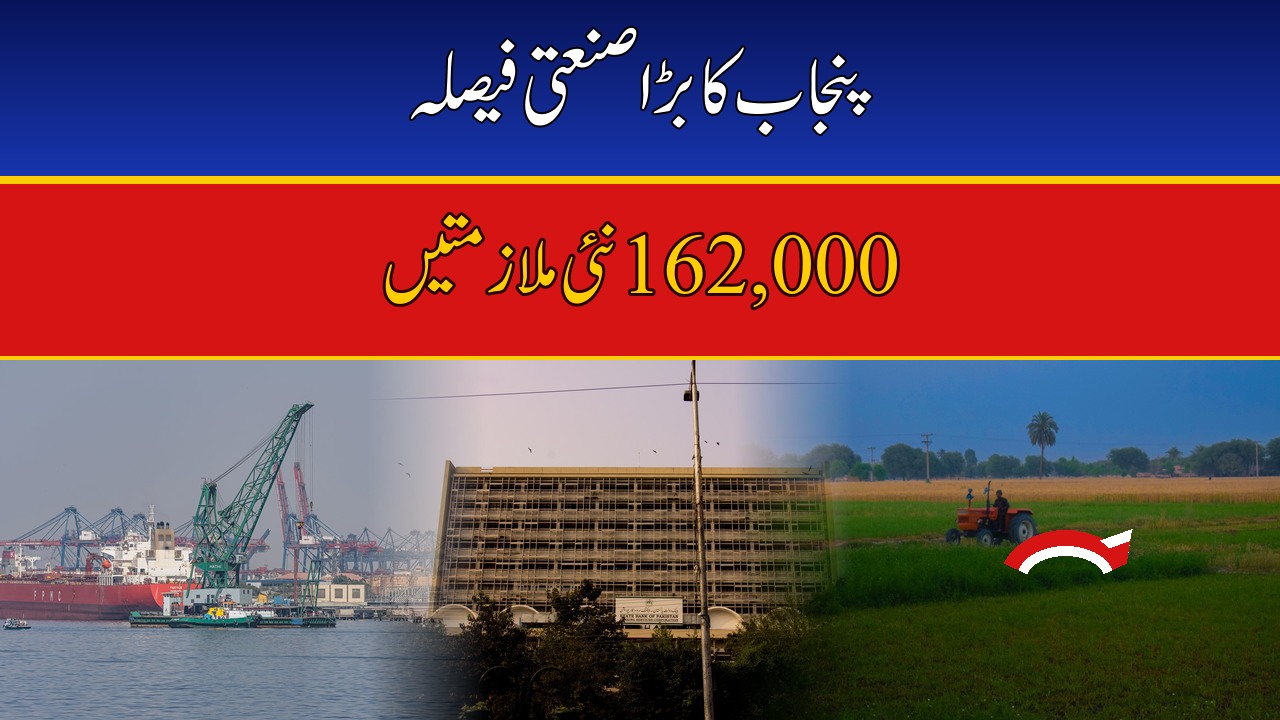
The Punjab cabinet has approved a Rs1.995 trillion industrial development and export promotion programme called PIVOT (Punjab Innovative for Value, Opportunity and Transformation) that aims to create more than 162,000 jobs across the province. Approved at a cabinet meeting on October 19/20, 2026, the plan splits investment between the public sector (Rs1.089 trillion) and private investors (Rs906 billion), targeting everything from industrial clusters and export competitiveness to agriculture mechanisation and value-chain transformation.
The PIVOT plan in numbers
PIVOT is structured as a public-private partnership drive. The headline figures:
- Total outlay: Rs1.995 trillion
- Public investment: Rs1.089 trillion
- Private investment: Rs906 billion
- Jobs target: 162,000+
- Programme name: PIVOT — Punjab Innovative for Value, Opportunity and Transformation
The programme was presented to the cabinet by Senior Minister Marriyum Aurangzeb at a meeting chaired by Chief Minister Maryam Nawaz — the kind of multi-year pipeline that, if delivered, decides where factories open and where entry-level hiring happens for years.
What the plan actually covers
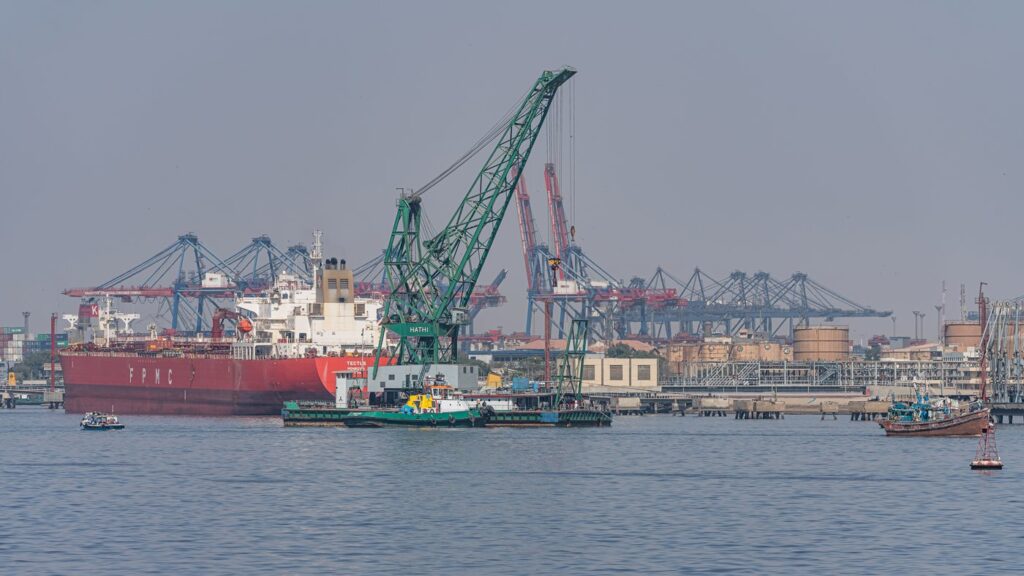
The scope is deliberately broad. On the industrial side, PIVOT pushes industrial infrastructure, cluster development, export competitiveness, value-chain transformation, e-business and e-commerce, garments, and ready-to-use “plug-and-play” facilities for new investors. A practical standout is the testing and certification labs planned for key export sectors — leather, footwear, sports goods, cutlery, handmade tools, ceramics and fans. Exporters from Sialkot and Gujranwala know the certification bottleneck is real: foreign buyers demand lab reports, and local manufacturers often have nowhere credible to get them.
Agriculture gets equal billing. The plan includes:
- Agriculture processing parks in Sargodha, Khanewal, Okara and Bhakkar
- Wheat value enhancement and value addition for citrus, potato and mango
- Meat and milk value chains — directly relevant to Pakistan’s growing halal and dairy export ambitions
- Agriculture and livestock mechanisation, plus export financing for horticulture and floriculture
- Horticulture authorities in 20 districts
- Skills development, tourism and aquaculture
The push comes as Pakistan’s growth outlook stays modest — FY26 GDP growth is estimated at just 3.65% — while the government widens formal revenue channels, including FBR production monitoring across 18 sectors. Industrial and export growth is the part of the equation Punjab is trying to own.

What this means for job seekers
The honest read for anyone hunting for work: 162,000 jobs is a programme target, not a recruitment advertisement. Jobs will arrive in waves — construction and infrastructure first, then manufacturing floor roles, then export-related services. The plug-and-play facilities and industrial clusters are the signals to watch: when those open, factories follow, and factory openings in Faisalabad textiles, Sialkot sports goods, Gujranwala fans and cutlery, and Wazirabad steel are where real hiring notices appear.
My practical advice: watch district-level announcements in Faisalabad, Sialkot, Gujranwala, Sargodha and Multan regions. Cabinet approvals become real jobs when implementation units start hiring at the cluster level — we will update this story as those details emerge.
Green Tractor Programme Phase V: farmers take note
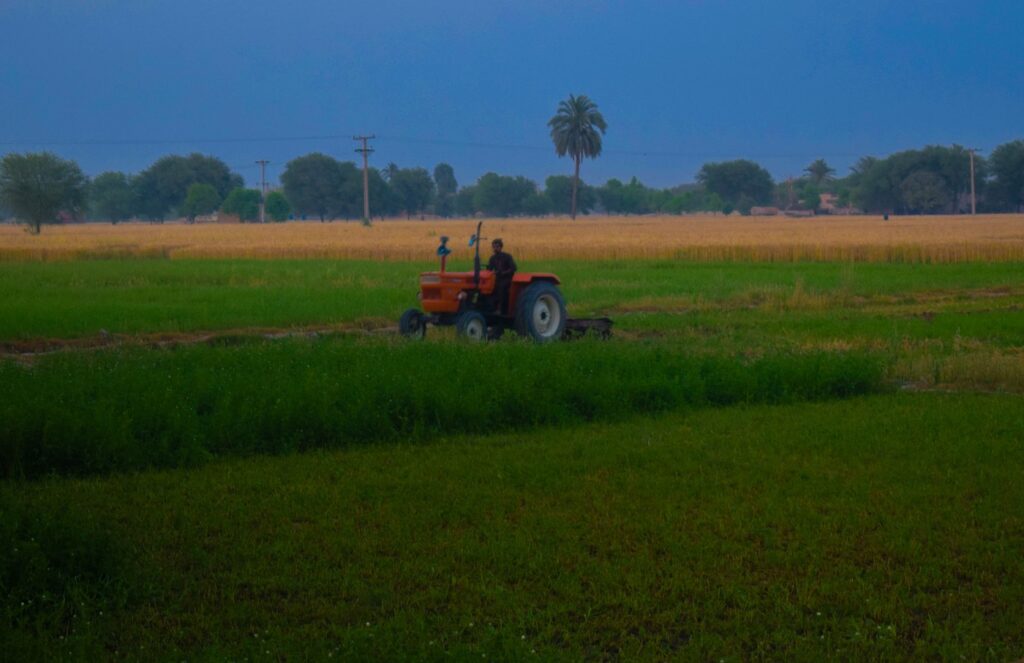
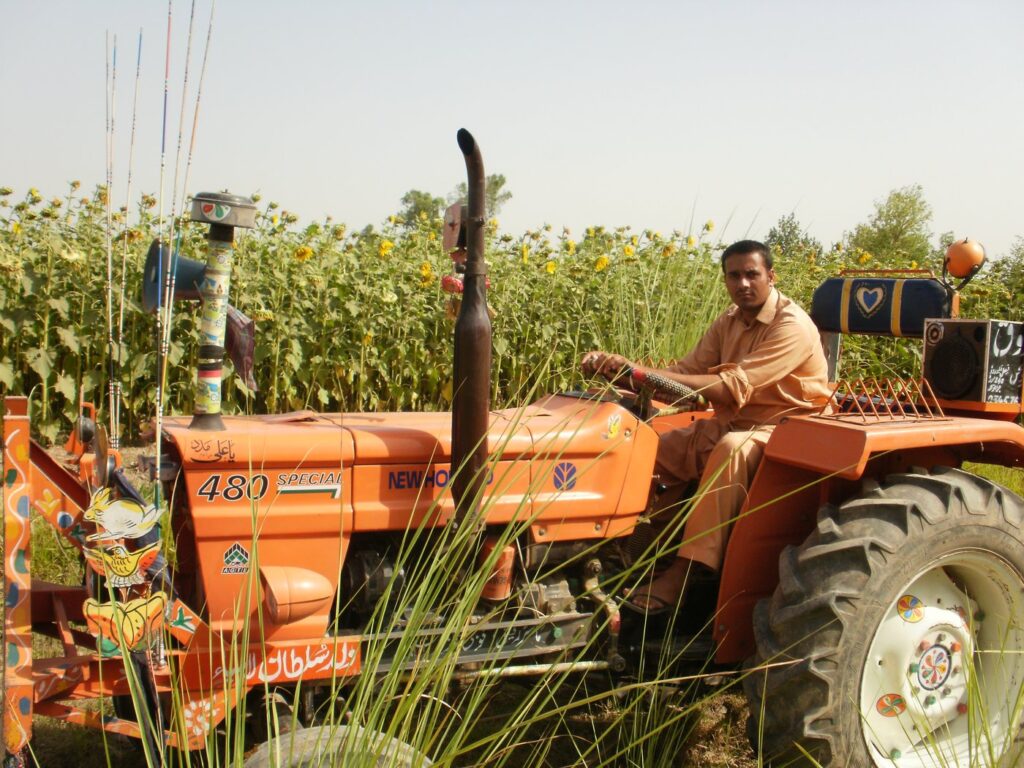
The same cabinet session approved a major agriculture intervention: Phase V of the Green Tractor Programme, with a Rs9.5 billion subsidy for 10,000 high-powered tractors. The response so far has been massive — more than 250,000 applications have already been received. The cabinet also waived the late-registration fee and approved subsidies under Phase IV for low-powered tractors.
In the past two and a half years, 44,000 tractors have been distributed to farmers (25,000 delivered). Phase V targets the high-powered segment — the machinery that makes mechanisation viable on larger landholdings. If you applied, keep your application reference and CNIC ready; allocation notices typically follow within weeks.

The exporter angle
For small and mid-size exporters, the most tangible parts of PIVOT are the testing and certification labs and the horticulture/floriculture export financing. Both attack the two costs that eat small exporters alive: compliance and working capital. Plug-and-play facilities — industrial sheds with power, water and connectivity ready — similarly cut the setup lag that kills small manufacturers trying to scale for an export order.
The value-chain plays in citrus, potato, mango, meat and milk matter over a two-to-three-year horizon. Without packhouses, cold chains and certification, produce goes out raw and cheap — value addition is where the margin lives.

Other decisions at the same cabinet meeting
Alongside PIVOT, the cabinet also approved:
- 1,500 electric buses at the tehsil level — a significant public transport expansion
- Maryam Nawaz Medical College and Teaching Hospital in Mianwali
- Apni Chhat Apna Ghar: Bank of Punjab to disburse 40,000 loans worth Rs60 billion for housing
- Hosting endorsement for the 14th South Asian Games
- Rs7.6 billion Thal agricultural transformation project covering 10,000 acres in Mankera and Layyah — drip irrigation, solar power and water storage
The bottom line
A Rs1.995 trillion industrial programme with a 162,000-job target is Punjab’s biggest economic commitment this year. The design is sensible — labs for exporters, mechanisation for farmers, plug-and-play sheds for manufacturers, processing parks for agriculture. The test, as always, is execution: announcements fill newspapers, but jobs fill lives only when clusters open, tractors arrive and lab reports get accepted by foreign buyers. We will be tracking exactly that.
Frequently asked questions
What is Punjab’s PIVOT programme?
PIVOT (Punjab Innovative for Value, Opportunity and Transformation) is a Rs1.995 trillion industrial development and export promotion programme approved by the Punjab cabinet on October 19/20, 2026. It covers industrial infrastructure, cluster development, export competitiveness, agriculture mechanisation and value-chain transformation, with a target of creating 162,000+ jobs.
How is the Rs1.995 trillion split between public and private investment?
Rs1.089 trillion comes from the public sector and Rs906 billion is expected from private investors, structured through public-private partnerships.
How many jobs will the PIVOT programme create?
The programme targets more than 162,000 jobs across industry, export sectors, agriculture and services. These are programme-level targets that will materialise as clusters, facilities and value chains are implemented.
What is the Green Tractor Programme Phase V?
Approved at the same cabinet meeting, Phase V allocates a Rs9.5 billion subsidy for 10,000 high-powered tractors. Over 250,000 applications have already been received. The late-registration fee was waived, and Phase IV subsidies for low-powered tractors were also approved.
Which districts get agriculture processing parks?
The programme plans agriculture processing parks in Sargodha, Khanewal, Okara and Bhakkar, along with horticulture authorities in 20 districts.
What else did the Punjab cabinet approve in the same meeting?
1,500 electric buses at tehsil level; Maryam Nawaz Medical College and Teaching Hospital in Mianwali; 40,000 Bank of Punjab housing loans worth Rs60 billion under Apni Chhat Apna Ghar; endorsement for hosting the 14th South Asian Games; and a Rs7.6 billion Thal agricultural transformation project in Mankera and Layyah.