PM Orders FBR to Finish Camera-Based Production Monitoring Across All Sectors by December 31
Prime Minister Shehbaz Sharif has ordered the Federal Board of Revenue to complete automated, camera-based production monitoring across all major manufacturing sectors by December 31, 2026, telling the tax authority that businesses which collect sales tax from consumers but keep it instead of depositing it with the national exchequer will get no concessions. The directive…

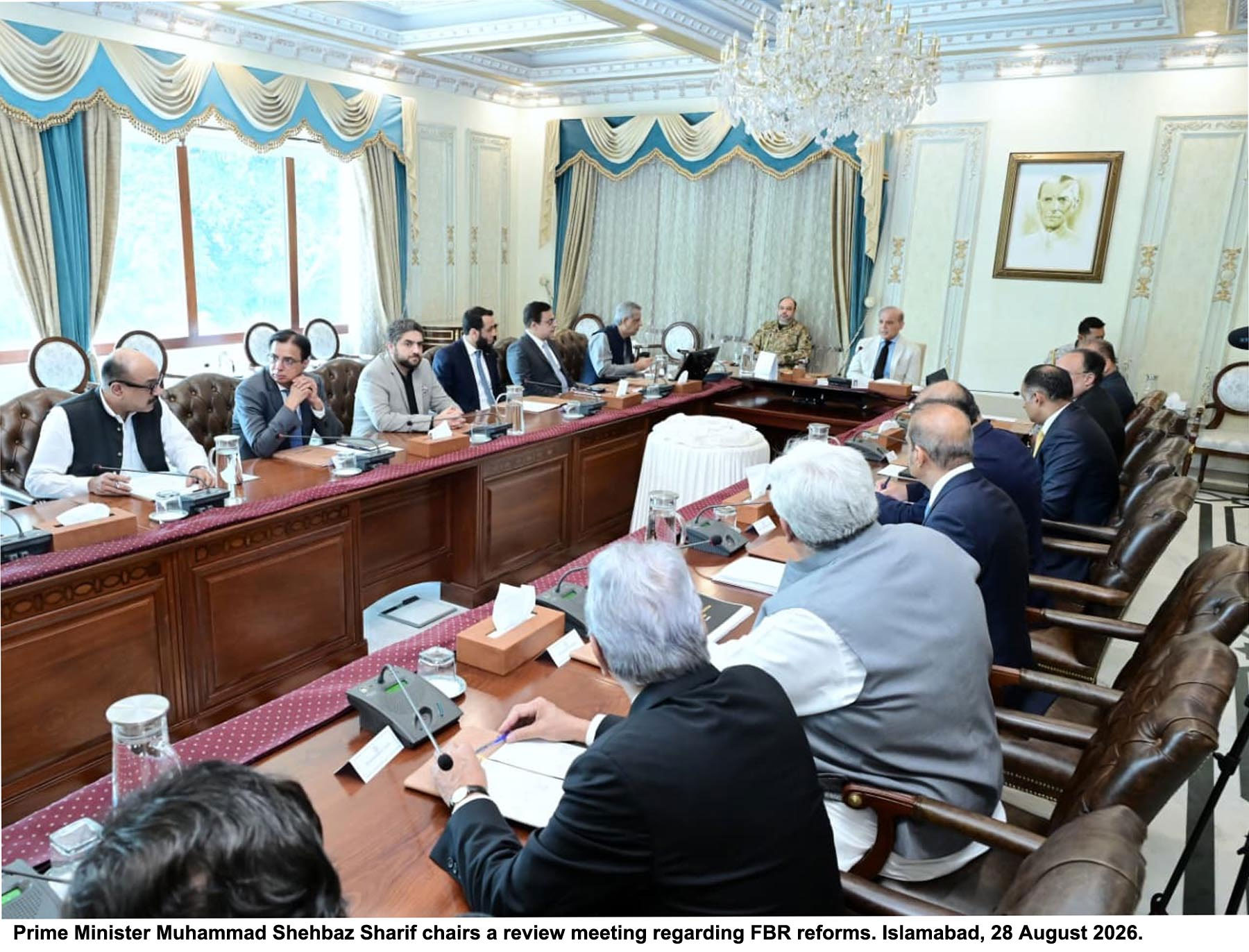
Prime Minister Shehbaz Sharif has ordered the Federal Board of Revenue to complete automated, camera-based production monitoring across all major manufacturing sectors by December 31, 2026, telling the tax authority that businesses which collect sales tax from consumers but keep it instead of depositing it with the national exchequer will get no concessions. The directive came during a review meeting on FBR reforms in Islamabad, where officials reported that enforcement measures over the past three years have added Rs1.3 trillion to tax collection — roughly a 40% increase.
What the PM ordered — the December 31 deadline
Chairing the meeting, the prime minister directed the FBR to make digital production monitoring systems fully operational in every identified industrial sector before the year ends. The system — part of the government’s faceless taxation push — puts camera-based monitoring equipment inside factories so the tax department can track actual production volumes in real time, instead of relying on what companies self-report.
The PM also ordered the removal of all hurdles in the installation of automated monitoring equipment and asked the Ministry of Information Technology to audit the effectiveness of the monitoring systems in each sector. He appreciated the FBR Transformation Team for preparing a comprehensive assessment of the country’s tax potential in the production sector, and praised the audit report on the production monitoring system already running in the cement sector.
On the question everyone in industry watches — whether non-compliant businesses will be spared — Shehbaz Sharif was blunt: firms collecting sales tax from consumers and pocketing it deserve no concessions. The government, he said, will take all necessary measures to realise the country’s full tax potential and ensure effective enforcement of tax laws.
Which sectors already have it — and what’s coming when
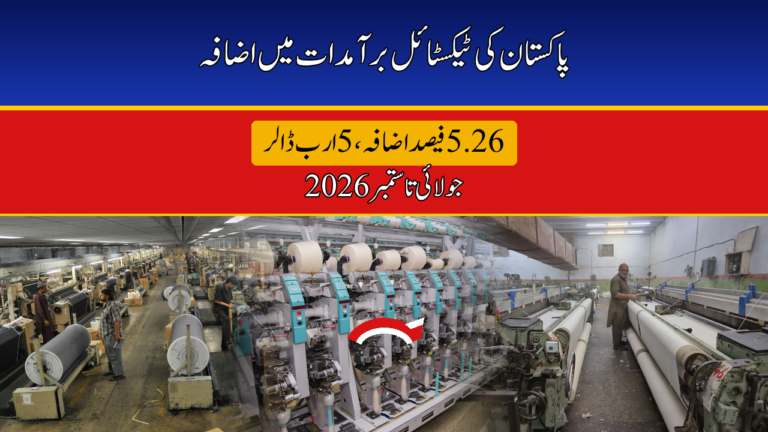
Officials told the meeting that automated production monitoring systems have already been fully installed in five sectors: sugar, cement, tobacco, tiles and fertilisers. Installation is underway in four more — textiles, packaged water, packaged juice and packaged milk — where the required equipment has already been purchased.
The rollout timetable laid out before the PM is tight:
- By October 15: procurement of monitoring equipment for the steel, poultry and tyre sectors will be completed.
- By October 30: procurement for tea, household electronics, leather, paper and board, and oil and ghee sectors will be finalised.
- By December 31: monitoring systems across all these sectors — about 18 sectors in total — must be fully operational.
Officials admitted there has been resistance. Several textile manufacturers have pushed back against installing production monitoring equipment. But ten textile companies have voluntarily complied — Nishat Mills, Al-Karam Textile, Al-Karam Cotton Mills, J.K. Spinning Mills, Soorti Enterprises, Interloop Limited, Faisal Spinning Mills, Ibrahim Fibres Limited, Sapphire Textiles Limited and Nishat Chunian. The PM commended them by name, a public signal to the rest of the industry.
Why this matters: the Rs1.3 trillion enforcement dividend
The meeting was told that the government’s enforcement measures have generated an additional Rs1.3 trillion in tax revenue over the past three years. That’s the money recovered through exactly these kinds of tools — digital monitoring, faceless assessments and production audits — rather than through new taxes on the salaried class, which has been bearing most of the burden.
This fits a pattern the business community has been watching all year. The FBR’s first-quarter collection is already ahead of target, driven largely by stronger sales tax receipts. Officials credit the enforcement push and digital monitoring of production and sales activity for the improvement. For the government, production monitoring is the cleanest way to widen the net: it doesn’t raise anyone’s tax rate, it just makes sure the tax already due on what factories actually produce actually reaches the treasury.
What it means for industry — and for prices
If you’ve ever wondered why factory-gate production numbers and tax declarations sometimes seem to live in different worlds, this is the gap the cameras are meant to close. Under the old system, a factory could report lower output and pay sales tax on that figure. Camera-monitored production makes that much harder: the FBR sees what the machines produce.
For compliant manufacturers, the impact is small — most large players already operate with proper documentation. For units operating in the grey zone, it means margins from under-declaration will shrink. There is a reasonable question about whether enforcement costs get passed to consumers as higher prices, but the government argues the opposite: honest businesses gain a level playing field, and documented production usually means better-quality data for economic planning.
One practical wrinkle: the PM also asked that the obstacles in installing equipment be removed quickly, which suggests some industries have been dragging their feet on access for FBR teams. The December 31 deadline, repeated twice in the official statement, leaves no ambiguity about where patience ends.
The bigger reform picture
This meeting was one more check-in on a reform drive that has been running since 2024, when the FBR Transformation Plan was approved. Since then, the tax-to-GDP ratio has crossed 10% for the first time in more than a decade, return filers have grown past 7 million, and a faceless customs assessment system has been rolled out. The production-monitoring project is arguably the most intrusive — and potentially most productive — element of that agenda.
What’s genuinely new this time is the breadth: going from five sectors to eighteen in a matter of months is an ambitious stretch. It will be worth watching whether the October 15 and October 30 procurement milestones are actually met, because those are the leading indicators. If the equipment isn’t in hand, December 31 becomes a very long day. For now, though, the message from the PM’s office is clear — the cameras are coming, the deadlines are real, and tax collected from consumers must reach the exchequer.
Related: Pakistan’s $1 billion privatisation push: Aurangzeb’s reform agenda explained
Frequently Asked Questions
What did PM Shehbaz Sharif order FBR to do by December 31, 2026?
The PM directed the Federal Board of Revenue to complete and fully operationalise automated, camera-based production monitoring systems for sales tax purposes across all identified manufacturing sectors by December 31, 2026, as part of the faceless taxation reforms.
Which industries already have FBR production monitoring installed?
Monitoring systems are fully installed in the sugar, cement, tobacco, tiles and fertiliser sectors. Installation is underway in textiles, packaged water, packaged juice and packaged milk, with equipment procurement completed for those.
How many sectors will the FBR monitoring system cover?
About 18 major economic sectors in total, including steel, poultry, tyres, tea, household electronics, leather, paper and board, and oil and ghee — all targeted to be fully covered by the end of December 2026.
How much extra tax has FBR’s enforcement drive collected?
According to the official briefing, government enforcement measures have generated an additional Rs1.3 trillion in tax revenue over the past three years — roughly a 40% increase in collections.
What did the PM say about businesses not depositing collected sales tax?
Shehbaz Sharif said businesses that collect sales tax from consumers but pocket the money instead of depositing it into the national exchequer do not deserve any concessions, and the government will take all necessary measures to enforce tax laws.
Which textile companies voluntarily installed the monitoring systems?
Nishat Mills, Al-Karam Textile, Al-Karam Cotton Mills, J.K. Spinning Mills, Soorti Enterprises, Interloop Limited, Faisal Spinning Mills, Ibrahim Fibres Limited, Sapphire Textiles Limited and Nishat Chunian were commended by the PM for voluntarily installing the systems despite resistance from parts of the industry.