UNDP: 38.3% Pakistanis Face Multidimensional Poverty — Nearly Double India, Bangladesh
Pakistan’s battle against poverty just got a sobering new report card. The United Nations Development Programme released its Global Multidimensional Poverty Index 2026 in New York on Monday, and the numbers show that 38.3 per cent of Pakistan’s population is multidimensionally poor — more than twice the rate in India (16.4 per cent) and Bangladesh…
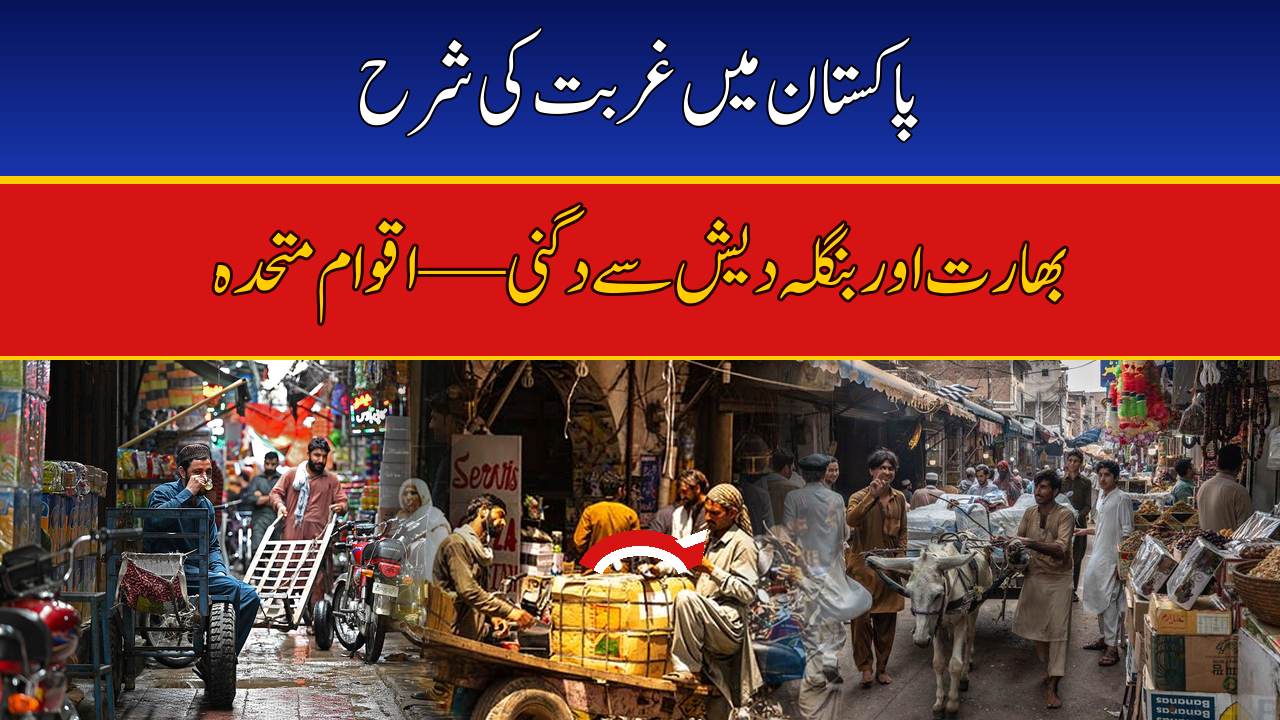
Pakistan’s battle against poverty just got a sobering new report card. The United Nations Development Programme released its Global Multidimensional Poverty Index 2026 in New York on Monday, and the numbers show that 38.3 per cent of Pakistan’s population is multidimensionally poor — more than twice the rate in India (16.4 per cent) and Bangladesh (14.9 per cent). Applied to the country’s estimated 2024 population, that works out to roughly 96 million Pakistanis living with overlapping deprivations in health, education and living standards.
Unlike conventional income-based poverty measures, the MPI — prepared jointly by the UNDP and the Oxford Poverty and Human Development Initiative — looks at ten indicators including nutrition, child mortality, years of schooling, school attendance, sanitation, drinking water, electricity, housing and household assets. A person is considered multidimensionally poor when they are deprived in at least one-third of these weighted indicators. For Pakistan, the MPI value stands at 0.198, compared with 0.069 in India and 0.067 in Bangladesh.
What the numbers actually tell us about Pakistan
The report carries a few headline figures that deserve a closer look. The intensity of deprivation among Pakistanis classified as multidimensionally poor stands at 51.7 per cent — meaning those in poverty are deprived in more than half of the weighted indicators on average. Another 12.9 per cent of the population is considered vulnerable to multidimensional poverty, sitting close enough to the threshold that a single shock — a flood, an illness, a job loss — could push them over the line.
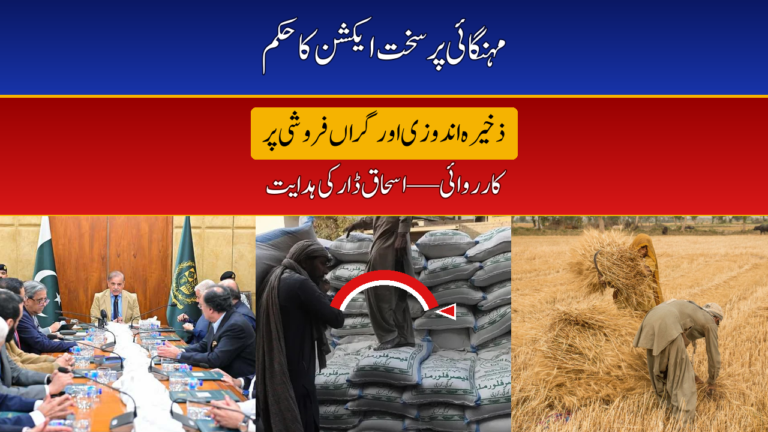
Education emerges as the largest contributor to deprivation in Pakistan’s case. That tracks with what the regional data shows too: South Asia is home to 150 million poor people living in households where a school-aged child is not attending school. When a child drops out to work, the family’s income rises a little in the short term — but the household loses the one asset that reliably breaks poverty across generations. It is a trap that plays out in brick kilns, workshops and farmlands across Punjab, Sindh and KP every single day.
One important caveat, flagged by the report itself: the estimates are based on household surveys conducted in different years — Pakistan’s figures come from its 2017–18 Demographic and Health Survey, while India’s are drawn from a 2019–21 survey and Bangladesh’s from a 2022 survey. So this is not a strictly apples-to-apples comparison of conditions as they stand today. Pakistan has not run the survey needed to update its own number in eight years, which is itself a telling detail.
The global picture is getting worse, not better
The 2026 index documents a worrying global reversal: the number of people living in multidimensional poverty has risen for the first time in 15 years, reaching 1.2 billion people — 51.5 million more than the previous update. Children account for more than half of those affected, with 617 million living in multidimensional poverty, and 83 per cent of the total live in rural areas.
South Asia accounts for at least one-third of global deprivations in nutrition, housing and years of schooling. The region’s overall multidimensional poverty rate sits at approximately 19.3 per cent, with another 18.4 per cent of the population vulnerable to it. Within that regional picture, Pakistan sits well above the average — a fact that should concentrate minds in Islamabad.
“The rise in poverty should be a wake-up call for the world,” said UNDP Administrator Alexander De Croo, noting that behind the figures are 1.2 billion people facing hardships that reinforce one another: hunger, missed schooling and a lack of clean water or electricity.
Why this lands the way it does in Pakistan right now
The report arrives at an awkward moment for Pakistan’s economic narrative. Earlier this month, the World Bank’s October 2026 regional update found that Pakistan accounts for nearly half of all people living in extreme poverty across the Middle East, North Africa, Afghanistan and Pakistan grouping, with the share of Pakistanis below the $3-a-day line rising 6.4 percentage points between 2018-19 and 2024-25. The UNDP index is measuring something different — deprivation, not income — but it points in the same direction.
The timing is also notable: Islamabad is hosting a two-day international conference on poverty reduction and inclusive economic growth on October 13–14, bringing together participants from more than 12 countries. Titled the International Conference on Inclusive and Resilient Economic Empowerment and Growth, it is meant to turn policy priorities into practical measures. Federal Minister for Poverty Alleviation Pir Syed Imran Ahmed Shah has also been pressing a national poverty-reduction framework, saying three provinces have responded positively to the proposal.
The Pakistan Poverty Alleviation Fund, meanwhile, says it is working with partners across 157 districts, has set up 171,200 community institutions benefiting 2.67 million people — 63 per cent of them women — and has extended 3.69 million interest-free loans with a 98 per cent repayment rate. Those are real delivery numbers. The question the UNDP index raises is whether they are scaling fast enough to outpace the problem.
What multidimensional poverty feels like in real life
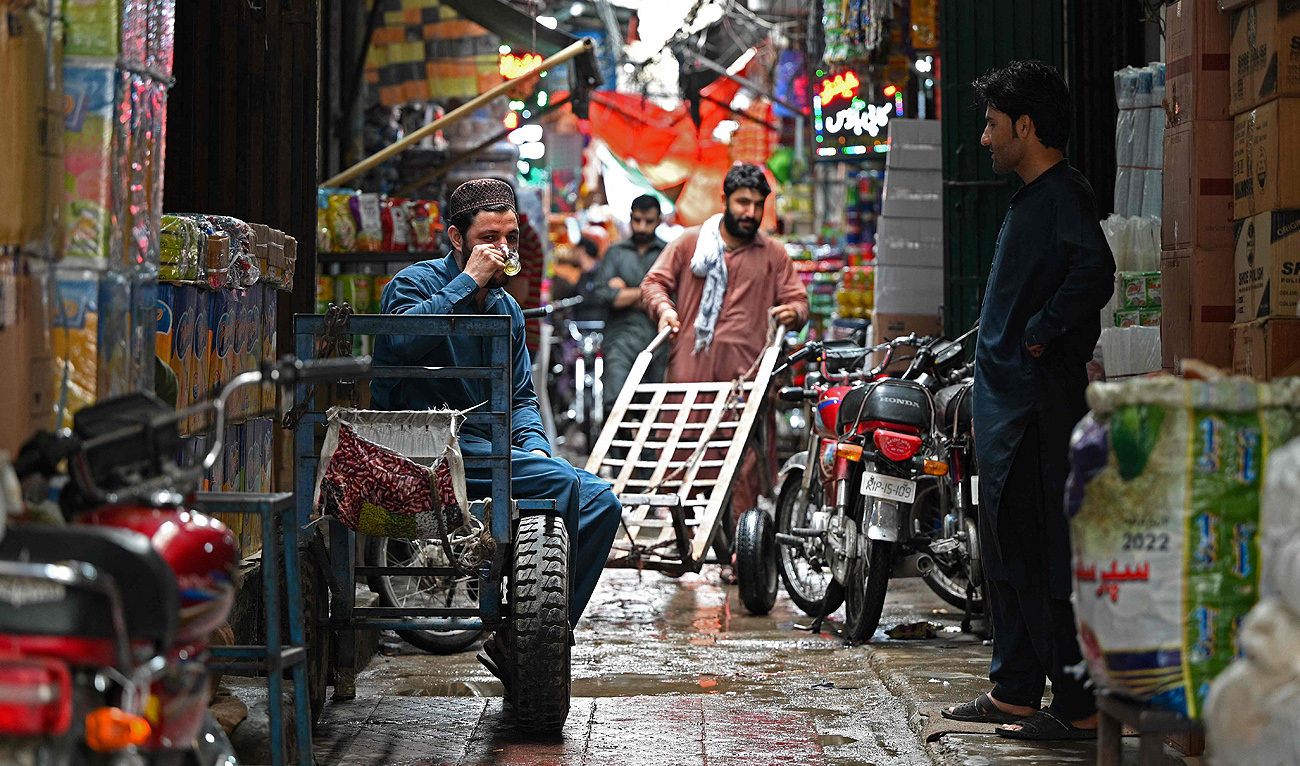
The dry statistics hide how these deprivations compound. A family in a katchi abadi on the edge of Karachi or a village outside Multan might earn just enough daily wages to eat — but their children miss school, the water they drink comes from a contaminated source, and the single room they sleep in has no proper sanitation. By an income-only measure they might scrape past the poverty line; by the MPI they are poor in three ways at once. And each deprivation makes the others harder to escape: a sick child cannot attend school, and a child who cannot attend school cannot get the job that buys clean water.
That compounding effect is precisely why the intensity figure — 51.7 per cent — matters more than the headline rate. It says that poverty in Pakistan is not shallow. People are not missing one thing; they are missing many things at the same time, and the climb out is steeper than a single income transfer can fix.
What would actually move these numbers
Economists who work on Pakistan’s poverty data tend to converge on the same short list: keep children — especially girls — in school, fix water and sanitation in rural districts, and protect the most vulnerable from the shocks that keep knocking them back, from floods to food-price spikes. The current government’s Uraan Pakistan initiative and the poverty conference’s roadmap are supposed to coordinate exactly that kind of push. Whether the provinces, which the poverty alleviation minister himself notes cannot be directly monitored by the centre, pull in the same direction will decide how much of it survives contact with reality.
For now, the UNDP’s index does what good data is supposed to do: it replaces a vague sense that things are hard with a precise picture of where, how and for whom. Ninety-six million people is not a rounding error. It is roughly two out of every five Pakistanis.
Frequently asked questions
What is the UNDP Multidimensional Poverty Index?
The MPI is a poverty measure developed by the UNDP and the Oxford Poverty and Human Development Initiative. Instead of looking only at income, it scores households on ten indicators across health, education and living standards — including nutrition, child mortality, schooling, attendance, sanitation, drinking water, electricity, housing and assets. A household deprived in at least one-third of the weighted indicators counts as multidimensionally poor.
How many Pakistanis are multidimensionally poor?
The 2026 index puts Pakistan’s poverty incidence at 38.3 per cent. The report estimates 86.99 million Pakistanis were multidimensionally poor in the 2017–18 survey year; applying that rate to the estimated 2024 population gives roughly 96.3 million people.
Why is Pakistan’s rate higher than India’s and Bangladesh’s?
The index shows Pakistan at 38.3 per cent versus 16.4 per cent in India and 14.9 per cent in Bangladesh, with education the largest contributor to deprivation in Pakistan. However, the figures come from surveys done in different years (Pakistan 2017–18, India 2019–21, Bangladesh 2022), so they are not a strictly contemporaneous comparison.
Is this the same as the World Bank’s poverty numbers for Pakistan?
No. The World Bank’s October 2026 update measured income-based extreme poverty ($3 a day), finding Pakistan accounts for about 48 per cent of the MENAAP region’s extreme poor. The UNDP index measures overlapping deprivations beyond income. Both point to a worsening picture, but they measure different things.
What is Pakistan doing about it?
Islamabad is hosting a 12-country international conference on poverty reduction on October 13–14, and the federal government is pushing a national poverty-alleviation framework with provincial input. The Pakistan Poverty Alleviation Fund reports work across 157 districts and 3.69 million interest-free loans with a 98 per cent repayment rate.
Has global multidimensional poverty improved?
No — the 2026 report is the first in 15 years to show a rise, with 1.2 billion people now multidimensionally poor, up 51.5 million. Children make up more than half (617 million), and 83 per cent live in rural areas.