Dar Orders Strict Action Against Hoarding, Overpricing of Essential Commodities
By Bilal Ahmed | TimelyUps Business Desk | Published: October 16, 2026 The government has put hoarders and profiteers on notice. Deputy Prime Minister and Foreign Minister Ishaq Dar on Friday, October 16, 2026, chaired the Cabinet Committee on Essential Commodities in Islamabad and ordered “strict action against hoarding, artificial shortages and overpricing of essential…
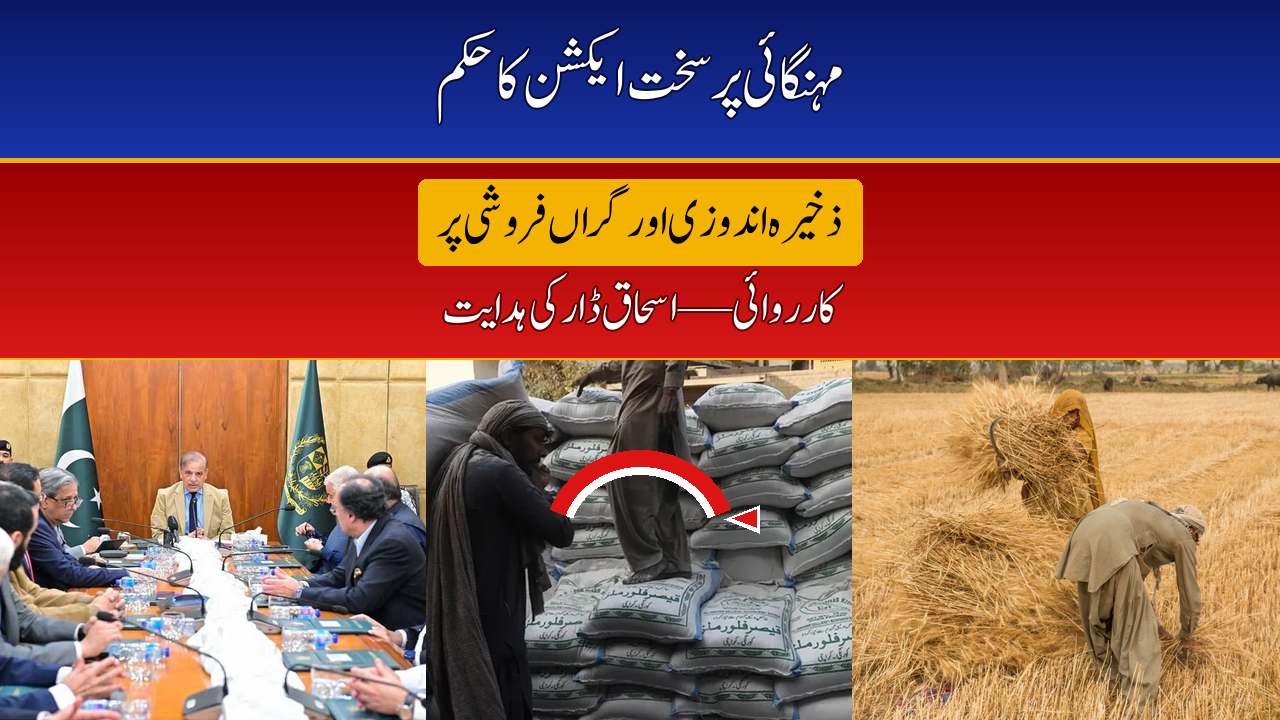
The government has put hoarders and profiteers on notice. Deputy Prime Minister and Foreign Minister Ishaq Dar on Friday, October 16, 2026, chaired the Cabinet Committee on Essential Commodities in Islamabad and ordered “strict action against hoarding, artificial shortages and overpricing of essential commodities.” The directive came with instructions to monitor supply chains and commodity prices closely so that relief actually reaches consumers — following the prime minister’s directives.
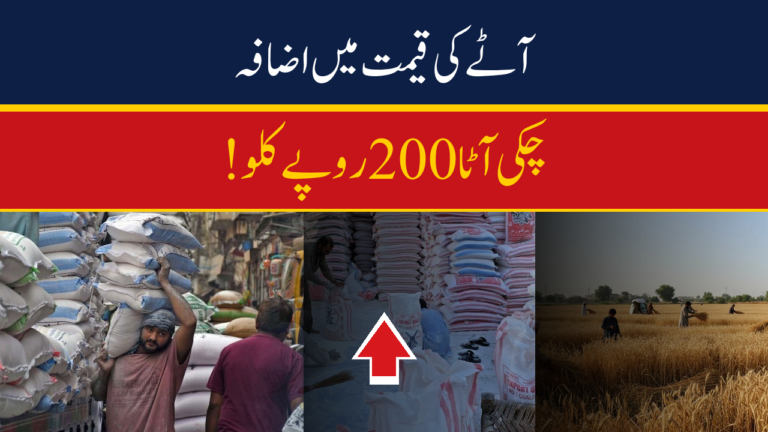
The timing is no coincidence. With weekly inflation running close to 12 percent and wheat flour prices climbing again in markets across the country, the government is under pressure to show it can protect the household budget before prices run further away.
Key Facts: Dar’s Orders on Essential Commodities
- Meeting: Cabinet Committee on Essential Commodities, chaired by Deputy PM & Foreign Minister Ishaq Dar in Islamabad on Friday, October 16, 2026
- Main order: Strict action against hoarding, artificial shortages and overpricing of essential commodities
- Also directed: Monitoring of supply chains and commodity prices to facilitate consumers, per PM Shehbaz Sharif’s directives
- Committee briefed: Adequate stocks available to meet domestic demand; no shortages anticipated; prices stabilising
- Attendees: National Food Security Minister Rana Tanveer Hussain, Climate Change Minister Musadik Malik, SAPM Tariq Bajwa, Commerce Secretary Jawad Paul, senior federal and provincial officials
- The pressure behind it: Short-term weekly inflation (SPI) at 11.97% year-on-year in the week ending October 8, driven by food prices — especially wheat flour
What Dar Ordered
Dar’s message to the meeting was direct: the government will not tolerate hoarding, artificial shortages, or overpricing of essential commodities. The committee was told to enforce that stance on the ground, not just on paper.
He also directed closer monitoring of supply chains and commodity prices, with the stated goal of making sure consumers actually feel relief. The orders are being carried out under the directives of Prime Minister Shehbaz Sharif, who has been pressing ministries to get ahead of the price spiral.
The language matters. When the government talks about “artificial shortages,” it is signalling that it believes supplies exist but are being withheld to push prices up — which is why the crackdown framing sits alongside the claim that stocks are adequate.
Who Was in the Room
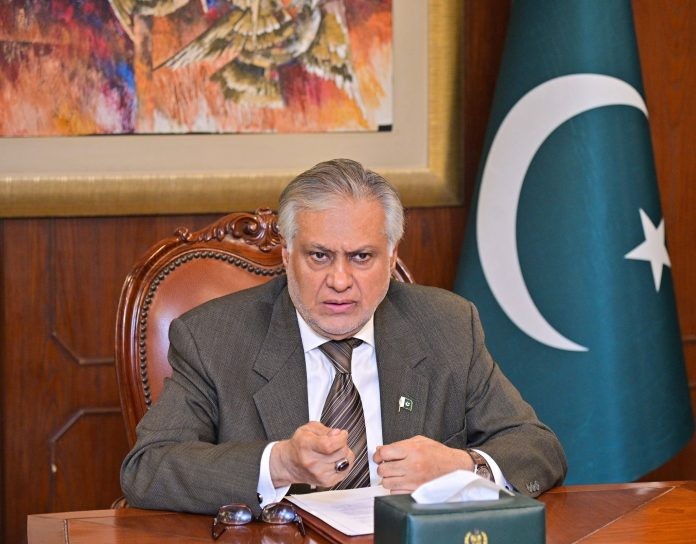
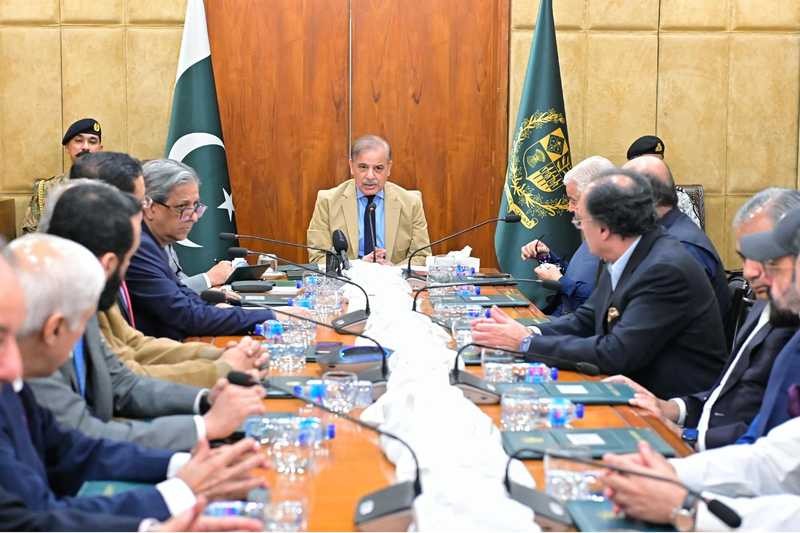
This was not a small huddle. Around the table were National Food Security and Research Minister Rana Tanveer Hussain, Climate Change Minister Musadik Malik, Special Assistant to the PM Tariq Bajwa, and Commerce Secretary Jawad Paul, along with senior representatives from federal and provincial ministries.
The lineup tells you the scope of the government’s thinking: food security, climate (which affects harvests), commerce (which watches trade and markets), and the provinces (where enforcement actually happens). Price control in Pakistan lives or dies at the district level, and the provinces’ presence suggests the centre wants them aligned.
What the Committee Was Told: Stocks Fine, Prices “Stabilising”
Officials briefed the committee that adequate stocks of essential commodities are available to meet domestic demand, no shortages are anticipated, and prices are stabilising.
If that is accurate, the logic of Dar’s orders follows: shortages are artificial, so enforcement — not imports — is the answer. But there is a gap between official briefings and market reality that Pakistani shoppers will recognise instantly. “Stabilising” at the committee table and “stabilising” at the chakki are not always the same thing.
Why This Meeting Is Happening Now: The Flour Squeeze
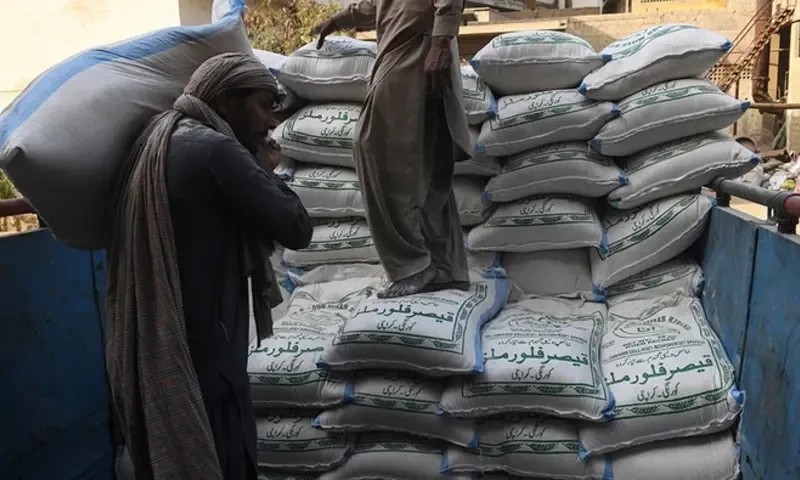
The backdrop to Friday’s orders is impossible to ignore. The Pakistan Bureau of Statistics reports that short-term weekly inflation (SPI) rose to 11.97 percent year-on-year in the week ending October 8, driven largely by food prices — wheat flour above all.
The flour story has been building all month. Millers raised flour prices by roughly Rs14 per kilogram earlier in October, and the Rs3-per-kg cut announced in late September barely reached consumers — retailers simply kept charging. In other words, the relief went down on paper and never made it to the bill.
The provinces are trying to push back. Sindh’s chief minister approved the release of government wheat at Rs12,500 per 100kg bag from October 15, and the federal government is releasing 3,000 tonnes of wheat daily from strategic reserves to flour mills. But the standoff is real: on Thursday, flour millers refused to lift official wheat, claiming it was substandard and unfit for human consumption — a claim that, if it drags on, could tighten the very supply the government says is adequate.
For the full picture of how flour prices reached this point, read our detailed breakdown of the flour price surge across Pakistan, with city-wise rates and the official-versus-market gap.
The Wider Inflation Picture
Flour is the loudest item in the basket, but it is not the only one. Average inflation in the first quarter of FY2026-27 came in at 10.2 percent, and the Consumer Price Index rose 1.3 percent in September alone. That is the environment Dar’s committee is working in — prices rising across the board, with food leading the way.
The daily 3,000-tonne wheat release from strategic reserves is the government’s main lever right now, alongside provincial wheat releases. Whether it is enough depends on two things: the millers’ standoff over wheat quality, and whether district administrations actually enforce the “strict action” Dar ordered against hoarding and overpricing.
Relief on Another Front: FBR Deadline Extended
The commodities meeting is not the only relief measure on the table. The Federal Board of Revenue has extended the income-tax return filing deadline to October 31, 2026, easing pressure on salaried filers and businesses during an expensive month. Read our full report on the FBR deadline extension.
What Happens Next
Three things will show whether Friday’s orders were theatre or policy. First, enforcement on the ground — district price magistrates and food departments have to act against hoarders, not just announce it. Second, the millers’ standoff: if flour millers keep refusing official wheat over quality claims, supply tightens and prices climb regardless of committee orders. Third, the next SPI numbers — the weekly inflation readout will tell shoppers whether “stabilising” is a briefing word or a market fact.
Dar has drawn the line. Now the government has to walk it.
Frequently Asked Questions
What did Ishaq Dar order on October 16, 2026?
Chairing the Cabinet Committee on Essential Commodities, Dar ordered strict action against hoarding, artificial shortages and overpricing of essential commodities, plus monitoring of supply chains and commodity prices to facilitate consumers.
Which meeting did Ishaq Dar chair on Friday?
The Cabinet Committee on Essential Commodities, held in Islamabad on October 16, 2026. It was attended by the food security and climate change ministers, SAPM Tariq Bajwa, the commerce secretary and senior federal and provincial officials.
What was the committee told about commodity stocks?
Officials briefed the committee that adequate stocks of essential commodities are available to meet domestic demand, no shortages are anticipated, and prices are stabilising.
What is Pakistan’s current weekly inflation rate?
Short-term weekly inflation (SPI) rose to 11.97 percent year-on-year in the week ending October 8, according to the Pakistan Bureau of Statistics — driven mainly by food prices, especially wheat flour.
Why are flour prices rising in Pakistan?
Millers raised flour prices by about Rs14/kg earlier in October; a Rs3/kg cut announced in late September never reached consumers because retailers kept charging higher rates. On October 15, flour millers refused to lift official wheat, claiming substandard quality — adding pressure to supply.
What steps is the government taking on wheat supply?
The government is releasing 3,000 tonnes of wheat daily from strategic reserves to flour mills, and Sindh approved the release of government wheat at Rs12,500 per 100kg bag from October 15.
What relief has the FBR announced alongside these measures?
The FBR extended the income-tax return filing deadline to October 31, 2026 — easing compliance pressure on filers during a high-inflation month.