Pakistan to Chair IMF and World Bank Boards in 2027 — First Time Since 1953
By Bilal Ahmed | TimelyUps Business Desk | Published: October 16, 2026 Pakistan is about to sit in one of the most important chairs in global finance. The country has been named the incoming chair of the Boards of Governors of the International Monetary Fund (IMF) and the World Bank Group for 2027 — its…
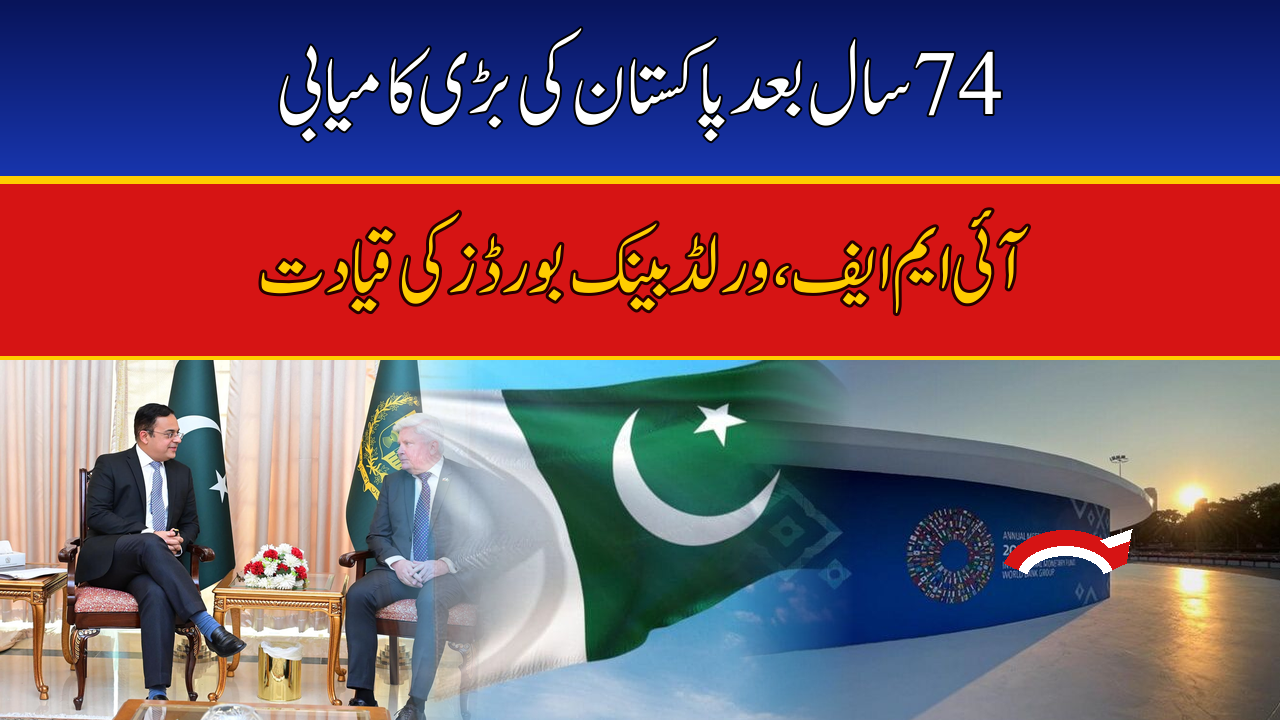
Pakistan is about to sit in one of the most important chairs in global finance. The country has been named the incoming chair of the Boards of Governors of the International Monetary Fund (IMF) and the World Bank Group for 2027 — its first return to the position since 1953, ending a 74-year gap. The announcement came on Friday, October 16, 2026, during the plenary session of the 2026 IMF–World Bank Annual Meetings in Bangkok, with Federal Minister for Economic Affairs Ahad Khan Cheema formally presented as the incoming chair.
Anyone who follows Pakistan’s economic story knows how often the country is on the receiving end of these institutions’ decisions — borrowing under IMF programmes, negotiating reviews, waiting on board approvals. This time, for one year at least, Pakistan will be the one calling the meetings to order.
Key Facts: Pakistan to Chair IMF and World Bank Boards in 2027
- What: Pakistan named incoming chair of the Boards of Governors of the IMF and World Bank Group for 2027
- First time since: 1953 — a gap of 74 years
- Announced: October 16, 2026, at the plenary session of the 2026 WBG–IMF Annual Meetings, Bangkok
- Incoming chair: Federal Minister for Economic Affairs Ahad Khan Cheema (also Pakistan’s governor to the World Bank)
- Ministry’s description: A “historic milestone” for Pakistan
- Annual meetings scale: 15,000+ participants from 191 countries, October 12–18, at Bangkok’s Queen Sirikit National Convention Center (QSNCC)
- Pakistan’s IMF context: USD 7 billion Extended Fund Facility (EFF) + USD 1.4 billion Resilience and Sustainability Facility (RSF); ~USD 1.2 billion expected, subject to Executive Board approval
How the Announcement Was Made
The news broke through an official statement from Pakistan’s Ministry of Economic Affairs on Friday. During the plenary session of the annual meetings in Bangkok, Cheema was formally announced as the incoming chair of the Boards of Governors of both institutions for the coming year.
The ministry called the development a “historic milestone,” saying the chairmanship would give Pakistan a chance to contribute to global economic and development discussions and help facilitate constructive dialogue among member countries at a critical time for the multilateral financial system.
Who Is Leading the Chairmanship: Ahad Khan Cheema
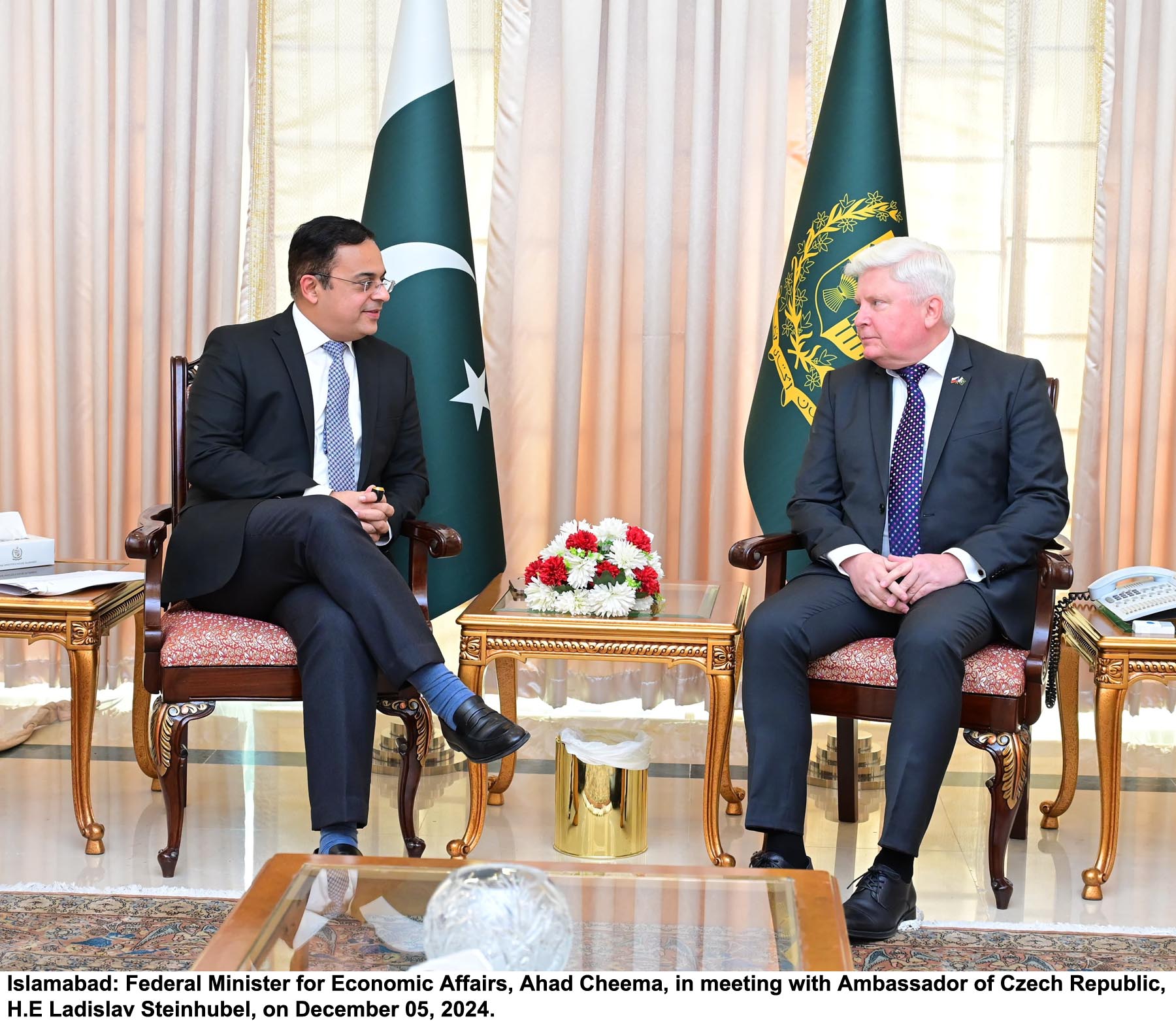
Ahad Khan Cheema is Pakistan’s Minister for Economic Affairs and the country’s governor to the World Bank — the second role is exactly what put him in line for this chairmanship, since governors are the ones who sit on the Boards of Governors.
After the announcement, the machinery of the chairmanship started moving right away. Cheema received a briefing from the World Bank Group’s Corporate Secretariat on the responsibilities of the chair — agenda-setting for the annual meetings, running the governors’ sessions, and the handover of institutional priorities from year to year.
He also met Aradhana Kumar Capoor, the World Bank Group’s vice-president and corporate secretary, to discuss institutional support and coordination during Pakistan’s tenure. And he sat down with the outgoing chair, Carlos Carvalho Spalding — governor of Paraguay’s central bank — congratulating him on completing his term and discussing the office’s responsibilities and priorities for the year ahead.
What Pakistan Says It Will Do With the Chair
Cheema laid out the priorities for the 2027 tenure, and they read like the wish list of a developing country that finally got the microphone: amplify the voice of developing countries in global economic governance; ensure effective and predictable development finance — money that actually arrives on time; improve coordination among multilateral development institutions; and mobilise private investment for sustainable, inclusive growth.
He added that Pakistan would work with the World Bank Group, the IMF, and member countries to strengthen the multilateral development and financial system. This is the language every incoming chair uses — but coming from a country that has lived through more than two dozen IMF programmes, the words carry more weight than usual. Pakistan knows exactly what it feels like when development finance is unpredictable.
Why This Actually Matters — Beyond the Photo Opportunity
It would be easy to dismiss this as ceremonial. The chairmanship of the Boards of Governors is not the managing directorship of the IMF or the presidency of the World Bank — the chair’s role is closer to that of a presiding officer. But three things genuinely change: agenda-setting power (the chair influences which issues get airtime, and Cheema has already signalled developing-country priorities and predictable financing); convening power (finance ministers and central bankers from 191 countries sitting in rooms Pakistan runs); and signalling (a public vote of confidence from the international financial community after a brutal few years).
There is also a domestic angle. Pakistan is engaged with the IMF under a USD 7 billion Extended Fund Facility and a USD 1.4 billion Resilience and Sustainability Facility for climate resilience, with roughly USD 1.2 billion expected after staff and Pakistani authorities reached agreement on the latest reviews — subject to Executive Board approval. The chairmanship does not change those loan terms. But it does change the optics: Pakistan as an institution’s steward rather than merely its client.
If you want the context on how the IMF currently sees Pakistan’s economy, read our report on the IMF raising Pakistan’s inflation forecast to 9.9 percent for FY27.
Not the Same Story: Borrowers’ Platform vs. Boards of Governors
Some readers may confuse this with an earlier headline from the same Bangkok meetings: on October 12, Pakistan was elected chair of the Governing Council of the Borrowers’ Platform, which we covered in detail here. The difference is simple — the Borrowers’ Platform is a forum of borrowing countries, while the Boards of Governors chairmanship covers the governing boards of the entire IMF and World Bank Group, all 191 member countries, lenders and borrowers alike. Two chairmanships in one week, at the same meetings — quite a run for Pakistan’s economic diplomacy.
The Backdrop: 15,000 People, 191 Countries
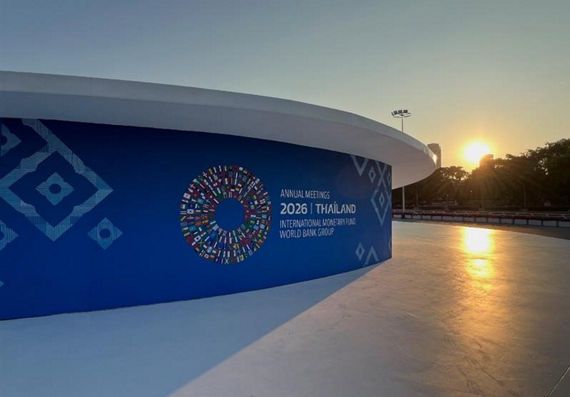
The 2026 Annual Meetings are among the largest economic gatherings on the planet. Running from October 12 to 18 at the Queen Sirikit National Convention Center in Bangkok, they brought together more than 15,000 participants from 191 countries — finance ministers, central bank governors, development experts, and private-sector leaders. For Thailand, hosting is a showcase moment; for Pakistan, it turned out to be the week it walked away with two chairs.
What Happens Next
The chairmanship takes effect for calendar year 2027, with months of preparation ahead — agenda planning, coordination with both institutions’ management, and the handover from Spalding’s team. The real test comes at the 2027 Spring Meetings in Washington and the 2027 Annual Meetings, where Pakistan will run the show for the first time in over seven decades. Symbolism got Pakistan the chair. What it does sitting in it is the story to follow.
Frequently Asked Questions
When will Pakistan chair the IMF and World Bank boards?
Pakistan has been named the incoming chair of the Boards of Governors of the IMF and the World Bank Group for 2027. The announcement was made on October 16, 2026, during the plenary session of the 2026 Annual Meetings in Bangkok.
When did Pakistan last chair the IMF and World Bank boards?
In 1953 — the 2027 chairmanship ends a 74-year gap, the first return to the position since the early years of Pakistan’s membership in the two institutions.
Who will chair the boards for Pakistan in 2027?
Federal Minister for Economic Affairs Ahad Khan Cheema, who is also Pakistan’s governor to the World Bank. He was formally announced as the incoming chair at the Bangkok plenary session.
What does the chair of the Boards of Governors actually do?
The Boards of Governors are the highest decision-making bodies of the IMF and World Bank, with one governor per member country. The chair presides over the boards and influences the agenda of the annual and spring meetings.
What are Pakistan’s priorities for the 2027 chairmanship?
Cheema said Pakistan will work to amplify the voice of developing countries, ensure effective and predictable development finance, improve coordination among multilateral development institutions, and mobilise private investment for sustainable, inclusive growth.
Is this the same as the Borrowers’ Platform chair announced on October 12?
No. The Borrowers’ Platform Governing Council chair (announced October 12) is a leadership role among borrowing countries. The Boards of Governors chairmanship is broader — it covers the governing boards of the entire IMF and World Bank Group, all 191 member countries.
Does chairing the boards change Pakistan’s IMF loan programmes?
No — the chairmanship does not change the terms of Pakistan’s USD 7 billion EFF or USD 1.4 billion RSF programmes. It is a governance role, but it strengthens Pakistan’s standing and convening power within both institutions.