Pakistan Weekly Inflation Eases 0.04%: SPI at 372.43 as Tomatoes Crash 23% — Week Ended Oct 16, 2026
Pakistan’s weekly inflation, measured by the Sensitive Price Indicator (SPI), dipped 0.04% in the week ended October 16, 2026, according to data released by the Pakistan Bureau of Statistics (PBS) on Friday — with the SPI index easing to 372.43 points from 372.58 the previous week. Tomatoes led the decline, plunging 23.05% in a single…
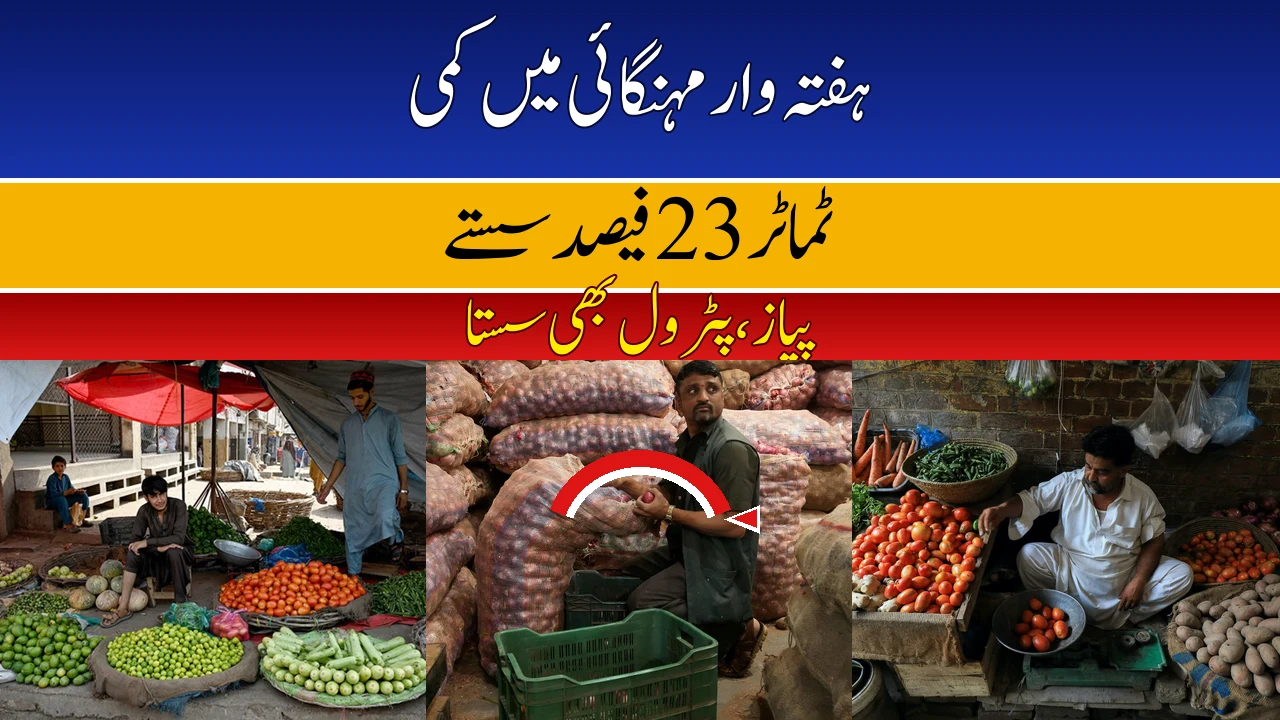
Pakistan’s weekly inflation, measured by the Sensitive Price Indicator (SPI), dipped 0.04% in the week ended October 16, 2026, according to data released by the Pakistan Bureau of Statistics (PBS) on Friday — with the SPI index easing to 372.43 points from 372.58 the previous week. Tomatoes led the decline, plunging 23.05% in a single week, while pulse gram, wheat flour and chicken got costlier.
If your weekly sabzi list felt a little lighter this week, you’re not imagining it. The 0.04% dip may look tiny on paper, but behind it sits a week of genuine movement in kitchen budgets: tomatoes fell by nearly a quarter, onions slipped almost 5%, and petrol eased 0.70% — even as pulses, flour and chicken pushed the other way. Here’s what PBS’s latest weekly snapshot means for your household budget, item by item.
Weekly SPI at a Glance
The Sensitive Price Indicator tracks 51 essential commodities across 50 markets in 17 cities. For the week ended October 16, 2026, PBS reported that 23 items became costlier (45.10% of the basket), 7 became cheaper (13.72%), and 21 saw no change (41.18%). The index closed at 372.43 points, down from 372.58 the week before.
| Indicator | This Week (ended Oct 16) | Previous Week |
|---|---|---|
| SPI Index (points) | 372.43 | 372.58 |
| Week-on-week change | -0.04% | — |
| Year-on-year change | +11.38% | +11.97% (week ended Oct 8) |
| Items that rose | 23 (45.10%) | — |
| Items that fell | 7 (13.72%) | — |
| Items unchanged | 21 (41.18%) | — |
The more encouraging line in the data is the annual one: year-on-year SPI inflation eased to 11.38%, down from 11.97% recorded for the week ended October 8. When the year-on-year number keeps cooling for successive weeks, it tells you price pressure on everyday essentials is genuinely losing steam — not just one week’s blip.
What Got Cheaper This Week
Tomatoes were the week’s headline act. After months of punishing prices, tomatoes collapsed 23.05% week-on-week — the single largest move in either direction. Onions followed with a 4.90% decline, bananas fell 2.59%, and basmati broken rice slipped 0.65%. Sugar eased 0.62%, gur fell 0.36%, and petrol dropped 0.70%.
| Item | Weekly Change |
|---|---|
| Tomatoes | -23.05% |
| Onions | -4.90% |
| Bananas | -2.59% |
| Petrol | -0.70% |
| Rice basmati broken | -0.65% |
| Sugar | -0.62% |
| Gur | -0.36% |
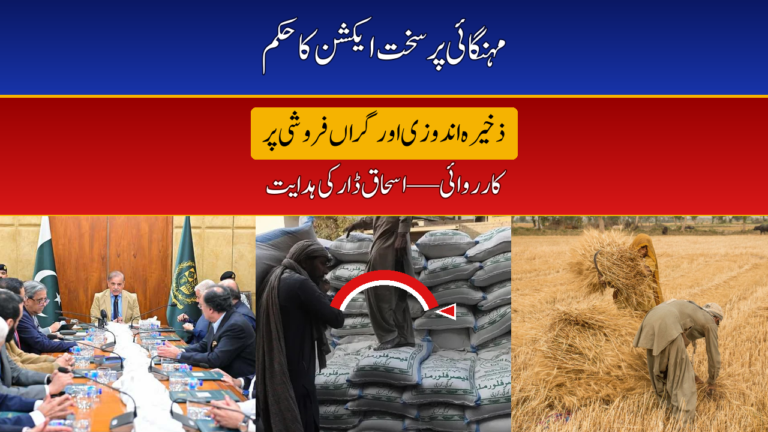
The petrol dip lines up with the fresh fuel price revision: petrol was cut by Rs3.93 per litre to Rs386.30 from October 17 — you can read the new petrol and diesel rates here. And the tomato-onion relief comes just as the federal government is cracking down on hoarding and overpricing of essential commodities, a campaign announced the same week by Finance Minister Ishaq Dar’s cabinet committee.
What Got Costlier: Pulses, Flour, Chicken
It wasn’t all relief. Pulse gram (chana) jumped 4.97% — the sharpest weekly rise in the basket — while wheat flour rose 3.36% and chicken 3.31%. For a household, that’s the annoying trio: daal, roti and chicken, all moving up in the same week. Eggs added 0.99%, pulse mash 0.98% and pulse masoor 0.95%.
| Item | Weekly Change |
|---|---|
| Pulse gram | +4.97% |
| Wheat flour | +3.36% |
| Chicken | +3.31% |
| Eggs | +0.99% |
| Pulse mash | +0.98% |
| Pulse masoor | +0.95% |
| Firewood | +0.69% |
| Shirting (cloth) | +0.58% |
| Cooked daal | +0.55% |
| Diesel | +0.47% |
| LPG | +0.42% |
| Prepared tea | +0.28% |
Two notes for careful readers. First, the petrol-diesel split: petrol fell 0.70% while diesel rose 0.47% — so transport costs didn’t all move the same way. Second, cooked daal appearing on the list alongside its raw ingredients is a reminder that shop-level food prices respond to pulse markets with a lag; the +0.55% on cooked daal this week is the echo of earlier pulse increases.
The Year-on-Year Picture: Still High, But Cooling
At 11.38% year-on-year, weekly inflation is still running hot by any standard — but it is cooling from 11.97% just a week earlier. The annual comparison is dominated by a few big risers:
| Item | YoY Change |
|---|---|
| Onions | +75.19% |
| LPG | +68.95% |
| Electricity for Q1 | +58.59% |
| Petrol | +49.60% |
| Diesel | +43.98% |
| Wheat flour | +35.13% |
| Chicken | +20.77% |
| Chili powder | +15.55% |
| Mutton | +14.90% |
| Beef | +12.27% |
| Bread plain | +9.02% |
| Prepared tea | +8.36% |
The irony of the week: onions are up 75.19% year-on-year — yet they fell 4.90% this week. That’s the pattern of a volatile crop whose price swings in both directions fast. LPG (+68.95% YoY) and electricity for the lowest consumption slab Q1 (+58.59% YoY) remain the heaviest structural burdens on household budgets, since neither has shown the weekly give that tomatoes just did.
On the relief side of the annual ledger: tomatoes are down 63.65% from a year ago, potatoes down 39.93%, sugar down 23.20%, eggs down 19.83%, salt powder down 14.86%, pulse masoor down 8.97%, gur down 8.92% and pulse moong down 7.83%. The tomato story, in other words, is a year-long deflation story that just accelerated this week.
What This Means for Your Weekly Budget
A few practical reads from the numbers:
1. Buy the dip on vegetables
Tomatoes down 23% and onions down nearly 5% in one week is the kind of move that shows up in mandi rates within days. If you buy weekly, this is the week to stock the tomato tray — and the year-on-year data (tomatoes -63.65%) says there’s no rush-driven reason to expect them to snap back immediately.
2. Watch the pulse shelf
With chana up almost 5%, mash and masoor each up about 1%, and cooked daal already ticking up 0.55%, daal prices at the dhaba and in the kitchen will feel it first. If you buy pulses monthly, an extra bag now isn’t a bad hedge.
3. The chicken see-saw
Chicken is one of the most volatile protein lines in the basket: +3.31% this week, +20.77% year-on-year, yet eggs (its usual substitute) are down 19.83% YoY. Shifting protein days between chicken and eggs depending on the week genuinely saves money now.
4. Fuel and cooking gas split
Petrol’s 0.70% weekly dip plus the Rs3.93/L price cut brings relief for commuters, but diesel (+0.47%) and LPG (+0.42%) both rose — and LPG is up a staggering 68.95% year-on-year. Cylinder households are carrying far heavier inflation than petrol buyers right now.
How SPI Fits the Bigger Inflation Picture
The weekly SPI is the fastest-moving inflation signal Pakistan publishes — monthly CPI follows with more breadth but more lag. This week’s 0.04% dip and the cooling 11.38% year-on-year reading arrive in a policy context where the government is actively pushing down essential prices: Finance Minister Dar’s October 16 cabinet committee ordered strict action against hoarding and overpricing, and fuel prices were simultaneously trimmed (see the Oct 17–19 petrol rates).
The IMF has raised Pakistan’s inflation forecast to 9.9% for FY27, so sustained relief on the SPI matters beyond weekly headlines — every week the annual rate cools is a week the official forecast looks less locked-in.
What to watch next week: PBS publishes the SPI every Friday, so the next reading (week ended October 23) lands on October 23. The key questions: do tomatoes and onions keep sliding after this week’s drop, do pulses keep climbing, and does the Dar committee’s anti-hoarding drive show up in the mandi-level data? If the year-on-year rate cools again, this month starts to look like a genuine turning point rather than a one-off dip.
Frequently Asked Questions
What is the current weekly inflation (SPI) in Pakistan?
For the week ended October 16, 2026, the Sensitive Price Indicator (SPI) fell 0.04% week-on-week to 372.43 points (from 372.58 the previous week), according to the Pakistan Bureau of Statistics. Year-on-year SPI inflation stood at 11.38%.
Which items became cheaper in the week ended October 16, 2026?
Seven of 51 items fell: tomatoes (-23.05%), onions (-4.90%), bananas (-2.59%), petrol (-0.70%), rice basmati broken (-0.65%), sugar (-0.62%) and gur (-0.36%). Twenty-one items were unchanged.
Which items became costlier this week?
Twenty-three items rose, led by pulse gram (+4.97%), wheat flour (+3.36%) and chicken (+3.31%), followed by eggs (+0.99%), pulse mash (+0.98%), pulse masoor (+0.95%), firewood (+0.69%), shirting (+0.58%), cooked daal (+0.55%), diesel (+0.47%), LPG (+0.42%) and prepared tea (+0.28%).
What is the year-on-year SPI inflation rate for October 2026?
The SPI is up 11.38% compared to the same week last year — down from 11.97% for the week ended October 8, showing easing annual price pressure. Biggest annual rises: onions (+75.19%), LPG (+68.95%) and electricity for Q1 (+58.59%).
How does PBS measure weekly inflation (SPI)?
The Sensitive Price Indicator tracks prices of 51 essential commodities collected from 50 markets across 17 cities. It is Pakistan’s fastest-moving inflation signal, published weekly by the Pakistan Bureau of Statistics.
Is the government doing anything about essential commodity prices?
On October 16, Finance Minister Ishaq Dar’s cabinet committee on essential commodities ordered strict action against hoarding and overpricing, with directions to take food departments and district administrations on board — read the full story here.