Pakistan Elected Chair of Borrowers’ Platform Governing Council at Bangkok Meetings
Pakistan has been elected to chair the Governing Council of the Borrowers’ Platform, a grouping of more than 30 developing countries, at the platform’s first-ever council meeting held on October 12, 2026, in Bangkok on the sidelines of the World Bank Group–IMF Annual Meetings 2026. Finance Minister Muhammad Aurangzeb accepted the chairmanship on Pakistan’s behalf…
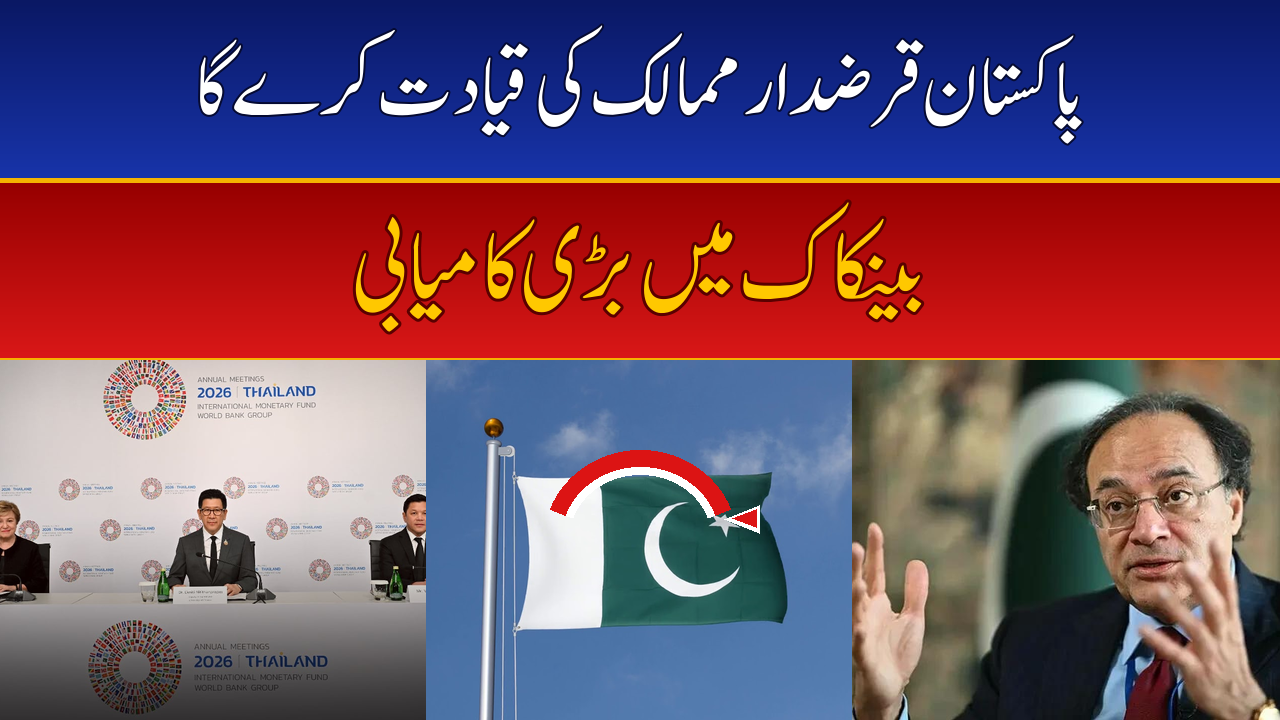
Pakistan has been elected to chair the Governing Council of the Borrowers’ Platform, a grouping of more than 30 developing countries, at the platform’s first-ever council meeting held on October 12, 2026, in Bangkok on the sidelines of the World Bank Group–IMF Annual Meetings 2026. Finance Minister Muhammad Aurangzeb accepted the chairmanship on Pakistan’s behalf — a diplomatic win that puts Islamabad at the head of the developing world’s conversation on sovereign debt.
The election matters because it arrives at a moment when developing-country debt is back at the top of the global agenda, and because Pakistan — itself carrying one of the region’s heaviest debt loads — will now shape how that conversation runs for the next year.
What happened in Bangkok
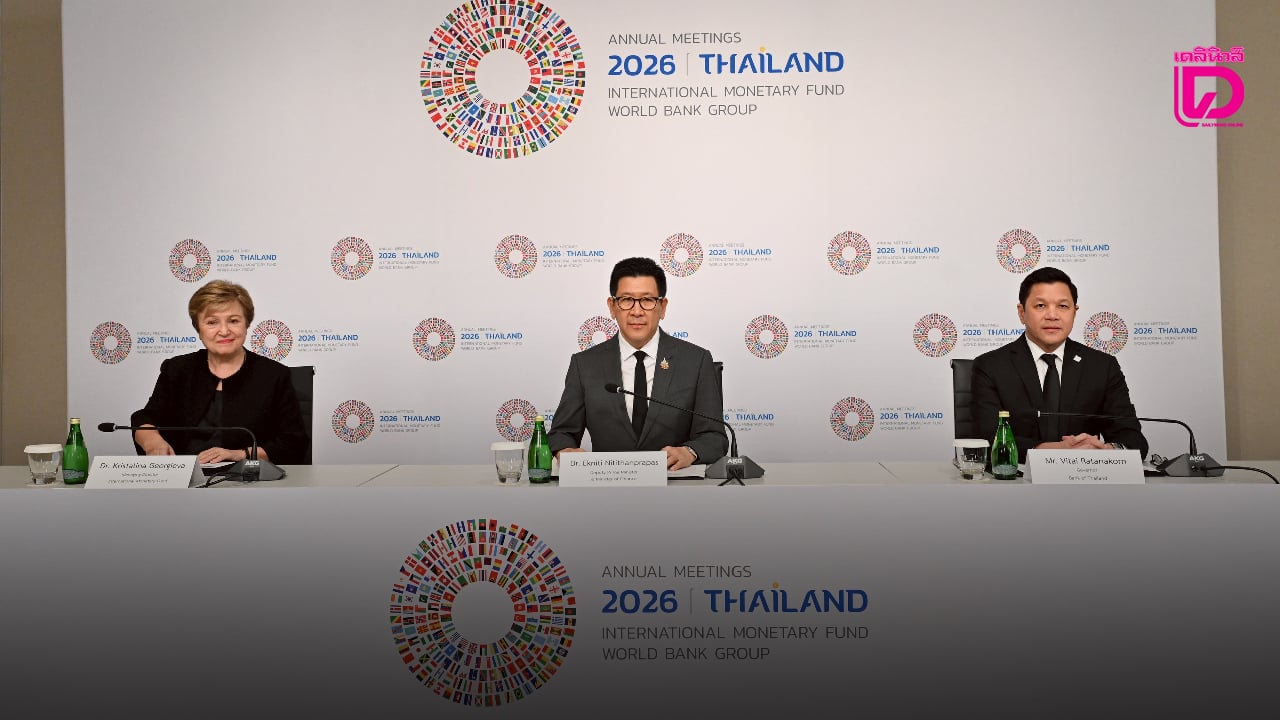
The first meeting of the Borrowers’ Platform’s Governing Council took place in Bangkok on Monday, October 12, bringing together finance officials from the platform’s 30-plus member countries. Pakistan’s finance minister was offered the chairmanship, accepted it on the country’s behalf, and acknowledged the prior leadership of Egypt, which had steered the platform through its formation phase.
The choice is not ceremonial. The chair sets the agenda for the coming year — which working priorities get taken up, which reform ideas get airtime, and how the platform positions itself in global debt discussions. For a country that has spent the last several years negotiating its own debt and IMF programme from the other side of the table, running the room is a notable turnaround.
What the Borrowers’ Platform actually is
It helps to be clear about what this platform is not. It is a member-state-led initiative, backed by the United Nations, built for coordination, knowledge sharing and technical cooperation among developing countries on sovereign debt issues. It is not a debtors’ cartel, not a collective-bargaining front against lenders, and not a crisis-management mechanism.
Think of it less as a union and more as a roundtable: countries comparing notes on how to manage their borrowing better, share what worked and what didn’t, and develop new instruments for financing development. That distinction matters, because the moment a debt platform looks like a negotiating bloc, creditors start treating it as an adversary. Pakistan’s framing of the role — debt as “an instrument of development, not an obstacle” — was deliberate, and well-chosen.
Pakistan’s work plan for 2026–27
Islamabad has laid out three priorities for its chairmanship year. First, better debt-management practices — the unglamorous but essential work of how governments borrow, report and repay. Second, exchange of economic-reform experience between member countries, so that a debt-management innovation in one country can be tried in another. Third, innovative development-financing instruments, finding new ways to raise money for schools, roads and power without loading the same old debt onto the national balance sheet.
The underlying philosophy, as articulated by Pakistan’s delegation, is that debt should be a tool for development rather than a trap — a framing that will resonate with the 30-plus countries in the room, most of which are juggling the same pressures.
Why the timing could not be more urgent
This is not happening in a vacuum. UN Secretary-General António Guterres has warned that poor and developing countries face what he called a “major economic storm,” and the numbers behind that warning are stark. According to the UN Development Programme, developing countries are now spending roughly 9.5% of their total government revenue just on interest payments — the highest share since 2001. Every rupee, naira or peso that goes to interest is a rupee that does not build a school.
Pakistan knows this arithmetic intimately. The country’s public debt stands at around 68–70% of GDP, with total public debt near PKR 86.72 trillion (roughly $290 billion). Chairing the Borrowers’ Platform does not erase those numbers, but it does give Pakistan a seat at the table where the global rules of the debt game get discussed — and credibility, since few countries in the room have more first-hand experience managing a heavy debt load.
The IMF meeting on the sidelines
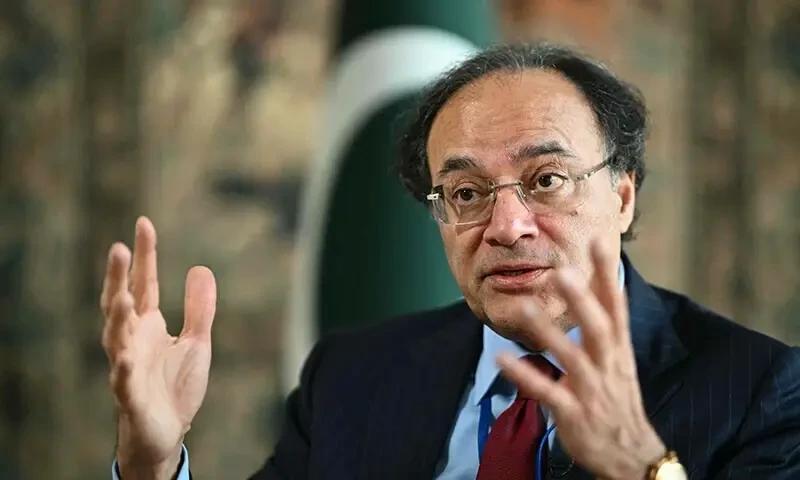
Aurangzeb also used the Bangkok trip for bilateral business. He met IMF First Deputy Managing Director Dan Katz, where the staff-level agreement between Pakistan and the Fund was welcomed, and both sides noted improvements in Pakistan’s fiscal performance, foreign exchange reserves, inflation and external-sector stability.
That meeting matters for a simple reason: the Borrowers’ Platform chairmanship is a diplomatic asset, but Pakistan’s actual economic breathing room still depends on its relationship with the Fund. The two tracks — leading the borrowers’ conversation and keeping the IMF programme on track — are running in parallel, and both went well in Bangkok.
What it means for Pakistan
Strip away the diplomatic language and the win is straightforward: international recognition of Pakistan as a serious economic voice, a platform to build relationships with 30-plus developing economies, and agenda-setting power over how the developing world talks about debt. For a country that has often appeared in global finance coverage only in the context of bailouts and crises, being asked to lead the conversation is a genuine image shift.
The real test, of course, is what Pakistan does with the chair. A year of well-run meetings, concrete knowledge-sharing and credible new financing ideas would turn a ceremonial honour into lasting influence. A quiet year would confirm the sceptics. Either way, the next twelve months of the Borrowers’ Platform will have a Pakistani signature on them.
Frequently asked questions
What is the Borrowers’ Platform?
The Borrowers’ Platform is a member-state-led initiative backed by the United Nations, bringing together 30-plus developing countries for coordination, knowledge sharing and technical cooperation on sovereign debt. It is not a collective-bargaining front or a crisis-management body.
When was Pakistan elected chair of the Borrowers’ Platform?
Pakistan was elected chair at the platform’s first Governing Council meeting on October 12, 2026, in Bangkok, held on the sidelines of the World Bank Group–IMF Annual Meetings 2026. Finance Minister Muhammad Aurangzeb accepted the chairmanship.
What are Pakistan’s priorities as chair for 2026–27?
Better debt-management practices, exchange of economic-reform experience between member countries, and innovative development-financing instruments — framed around the idea of debt as “an instrument of development, not an obstacle.”
How much debt does Pakistan have?
Pakistan’s public debt-to-GDP ratio stands at roughly 68–70%, with total public debt near PKR 86.72 trillion (around $290 billion).
Why is developing-country debt a global concern right now?
UN Secretary-General António Guterres has warned of a “major economic storm” for poor and developing countries. UNDP data shows developing countries now spend about 9.5% of total government revenue on interest payments — the highest share since 2001.
What did Aurangzeb discuss with the IMF in Bangkok?
He met IMF First Deputy Managing Director Dan Katz, where the staff-level agreement was welcomed and both sides noted improvements in Pakistan’s fiscal performance, foreign exchange reserves, inflation and external-sector stability.