ColorOS 17 Launched Globally: AI Features, Rollout Schedule and What It Means for Your OPPO, OnePlus or realme Phone
OPPO has officially launched ColorOS 17 worldwide, and it is the company’s biggest Android skin overhaul in years — an Android 17-based release built around AI, with a new Living Flow design language, a rebuilt rendering engine, and a rollout that will reach OPPO, OnePlus and realme phones in batches starting late October 2026. The…
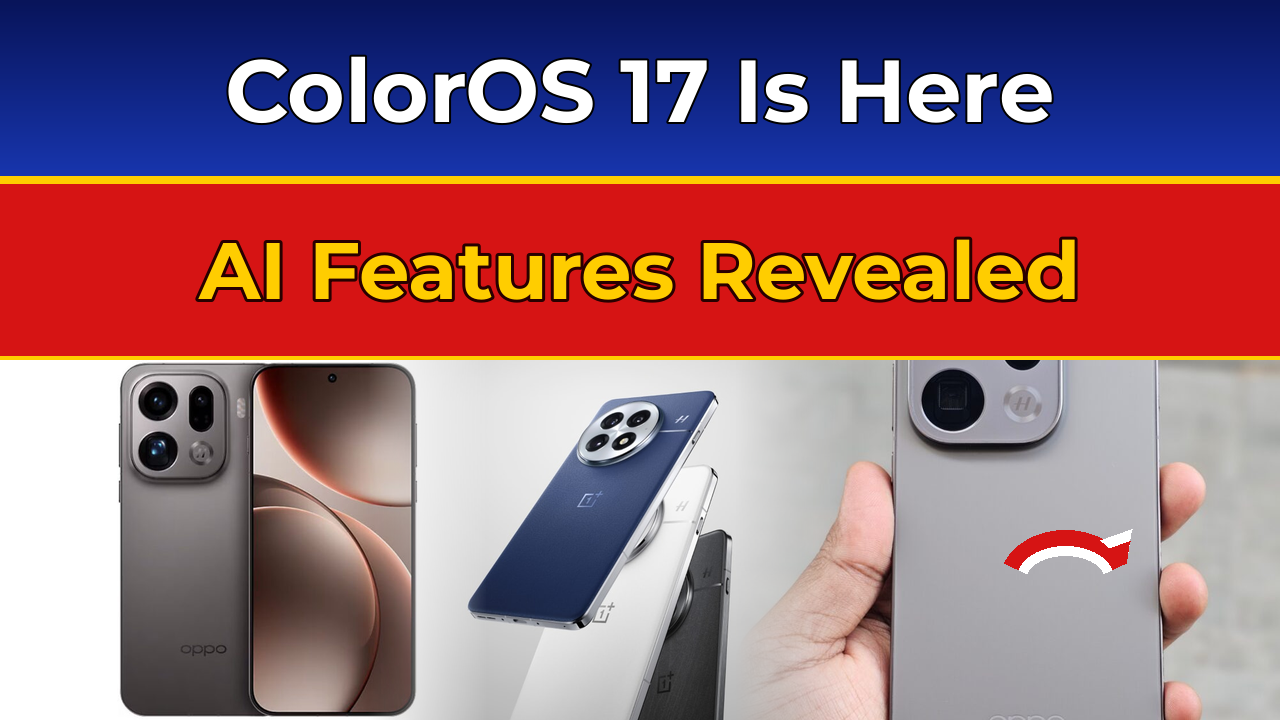
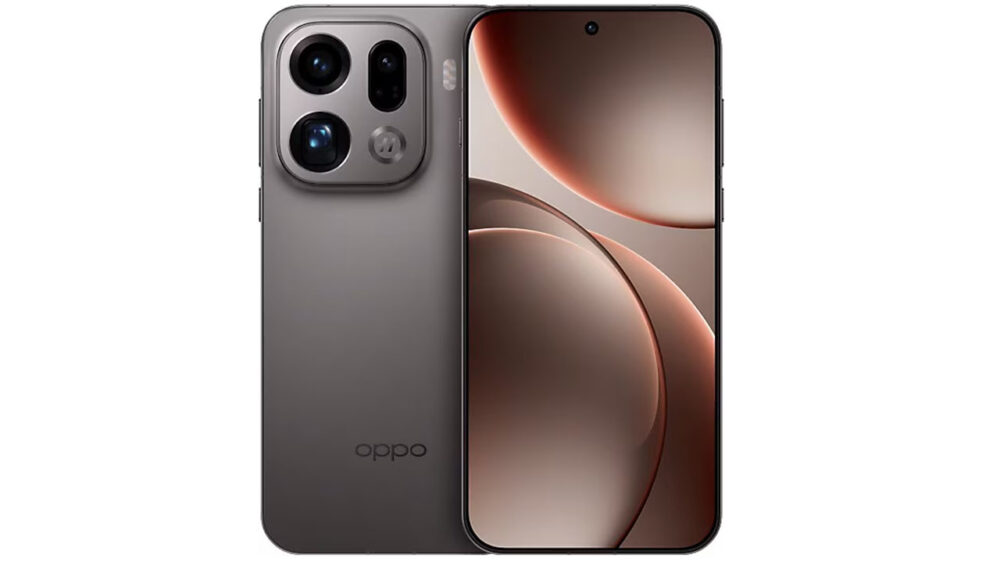
OPPO has officially launched ColorOS 17 worldwide, and it is the company’s biggest Android skin overhaul in years — an Android 17-based release built around AI, with a new Living Flow design language, a rebuilt rendering engine, and a rollout that will reach OPPO, OnePlus and realme phones in batches starting late October 2026. The global launch happened on October 13, 2026, following the China-only release in mid-September, and the new skin will debut on the Find X10 series, which goes global on October 21 (India on October 22).
If you use an OPPO, OnePlus or realme phone in Pakistan — and millions do — this is the update your phone is about to change into. Here is everything that is new, when it arrives, and how to check whether your device is eligible.
What is ColorOS 17?
ColorOS 17 is OPPO’s new operating system for its phones, based on Android 17 — the complete layer on top of Android that decides how your phone looks, moves and what features you get. This version is significant for two reasons: it is the first ColorOS generation designed around on-device AI assistants, and it marks the unification of OPPO, OnePlus and realme software under one platform.
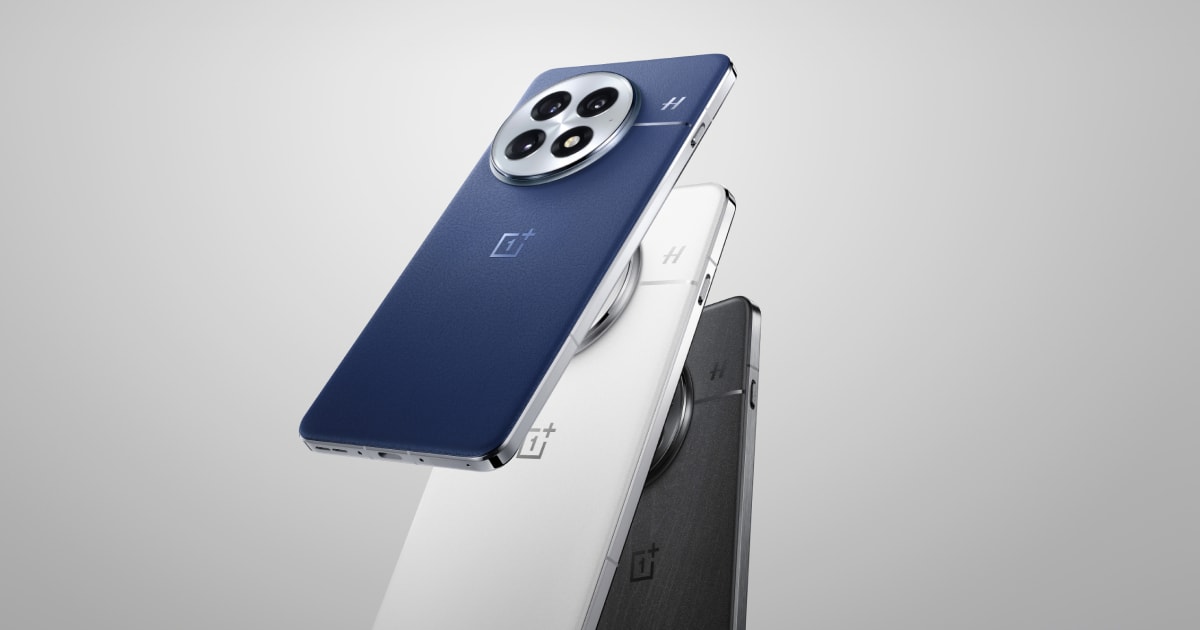
OnePlus owners will recognise what this means. The company has confirmed it is shifting away from OxygenOS toward ColorOS as its unified software platform, ending the era of OxygenOS as the cleaner, closer-to-stock alternative. Realme’s software is being folded into the same rollout. In practice: one codebase, one AI feature set, one update schedule across all three brands.
New look: Living Flow design
The headline design change is called Living Flow, and it is less about cosmetic theme packs and more about how the interface moves. OPPO says the system now reacts to what it calls Luminous Effect and Fluid Motion — light-aware transitions, physics-based scrolling and feedback that adapts to how you touch the screen. Flexible Feedback adds tactile-style responses across system interactions. Whether these names survive contact with real users is another matter, but the intent is clear: the interface is meant to feel alive rather than static.
Underneath that sits a new Unified Rendering Architecture with a Luminous Rendering Engine. OPPO claims up to 30% lower rendering load and 25% less rendering RAM usage, which means smoother visuals with less battery drain. Paired with the Laminar Flow Engine, the company promises 55% better app-launch stability, gallery thumbnails loading 50% faster, and over 25% more apps staying alive in the background. OPPO even claims the system retained more than 90% of its smoothness in simulated six-year aging tests at 90% storage — a longevity claim worth a grain of salt, but it signals where OPPO thinks the battle is: how the phone feels after two years of use, not just on day one.
The AI features: what you can actually do
This is where ColorOS 17 earns its “AI” billing, and it is the part worth paying attention to. The headline act is AI Mind Pilot with Agent Mode — an assistant that can carry out multi-step tasks rather than answering single questions. OPPO says it can work across your local photos and files, organise and rename things for you, and build itineraries or even vlogs from your content. If it works as described, it is the closest thing to an autonomous agent on an OPPO phone so far.
For photography, there is AI Photo Agent with Style Match: natural-language photo editing (“make the sky more dramatic”) plus the ability to match the colour palette of a reference image. AI Mind Space turns your documents and video links into structured, searchable memories — dump a pile of PDFs and lecture videos and actually find what you need later. AI Mind Suggest does the ambient stuff: a morning brief, travel reminders, and Spotify suggestions tuned to your habits. And OSee turns the camera into a tool — object recognition, translation, document scanning and even nutrition analysis from a photo of your meal.
Practical verdict: a handful of these will be genuinely useful on day one (photo editing in plain language, the morning brief), while the ambitious ones like Agent Mode will live or die on execution.
Security: AI scams and encrypted AI
There is a sensible security story here too. AI Call Guard detects scams in real time — specifically the new breed of fraud using AI face-swaps and synthetic voices, a genuine problem in South Asia. Your AI features run inside what OPPO calls Private Computing Cloud, with end-to-end encryption and post-quantum security, and a new Transparency Report shows you exactly what the AI has been doing.
Rollout schedule: when will your phone get it?
The rollout runs in batches from late October 2026 through December 2026, with more models following in the first quarter of 2027. Exact dates vary by region, carrier and hardware. The Find X10 series gets it first, at launch.
For users in Pakistan: open Settings, tap About Device or Software Update, and check. The update will appear when it reaches your region and model — there is no need to sideload anything, and OPPO warns against flashing files meant for other regions. Recent flagships and upper-mid-range models from OPPO, OnePlus and realme are first in line; older entry-level devices typically arrive in later batches, so check OPPO’s official eligibility list for your specific model once the regional announcements go out.
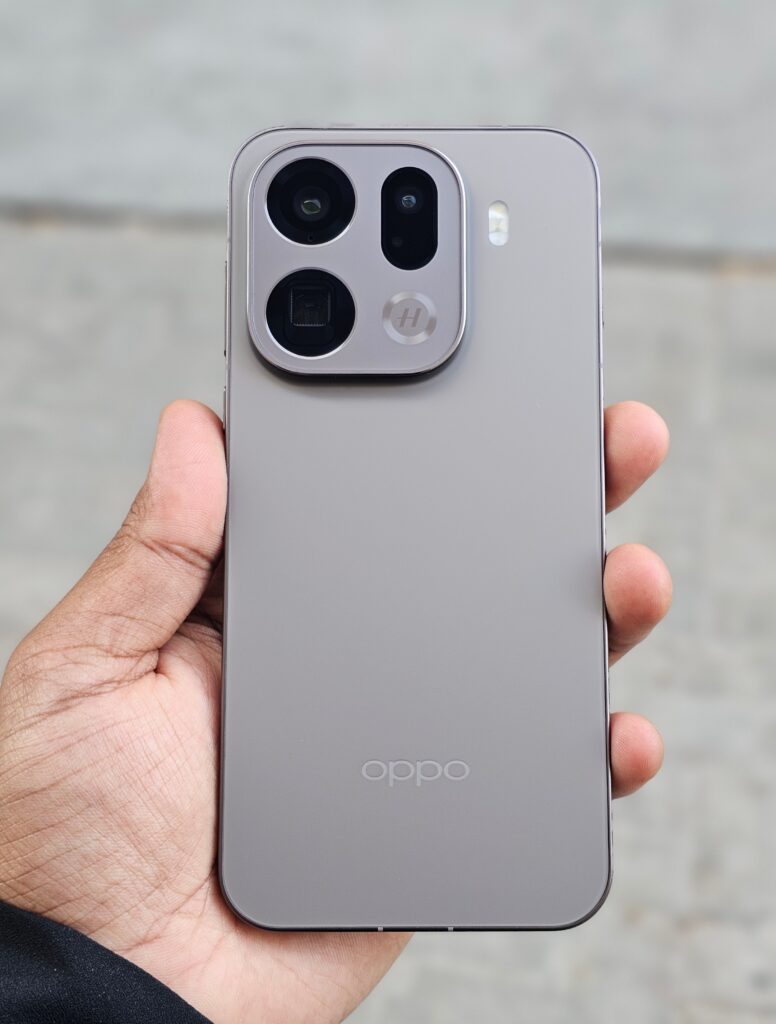
Why this matters for Pakistan’s smartphone market
OPPO, OnePlus and realme together account for a huge share of the phones in Pakistani pockets, especially in the mid-range segment where a software update genuinely extends a phone’s useful life. A unified ColorOS simplifies life for users: the same features, the same AI tools, the same security updates, no matter which of the three brands you bought. And with AI call-scam detection on board, there is a real, local benefit — phone fraud using synthetic voices has been rising across the region. ColorOS 17 is not a cosmetic refresh; it is OPPO’s bet that phones are won on AI assistance and long-term smoothness now. Check your software update screen in the coming weeks — your phone is about to change.
Frequently asked questions
When was ColorOS 17 launched globally?
OPPO launched ColorOS 17 globally on October 13, 2026. The China version had been released in mid-September. It debuts on the Find X10 series, which launches globally on October 21 and in India on October 22.
Which phones will get ColorOS 17?
OPPO, OnePlus and realme devices will receive ColorOS 17 in batches from late October through December 2026, with more models in Q1 2027. Recent flagships and upper-mid-range models are first in line; exact eligibility varies by region and model.
Is OnePlus really dropping OxygenOS for ColorOS?
Yes. OnePlus has officially confirmed it is moving from OxygenOS to ColorOS as its unified software platform. Realme’s software is being folded into the same ColorOS rollout.
What are the main AI features in ColorOS 17?
AI Mind Pilot with Agent Mode (multi-step tasks), AI Photo Agent with Style Match (natural-language photo editing), AI Mind Space (documents and video links turned into searchable memories), AI Mind Suggest (morning brief and reminders), and OSee (camera-based object recognition, translation and scanning).
How can I check if my phone is eligible in Pakistan?
Go to Settings, then About Device or Software Update, and check for updates. The ColorOS 17 update will appear when it reaches your region and model — dates vary by region, carrier and hardware.
What security features does ColorOS 17 add?
AI Call Guard detects AI face-swap and synthetic-voice scams in real time, the Private Computing Cloud adds end-to-end encryption and post-quantum security for AI processing, and a Transparency Report shows what the AI has been doing.