Pakistan to Spend Over $1 Billion on LNG Imports to Avert Winter Gas Shortage as PM Decision Looms
By Ayesha Khan | TimelyUps Business Desk | Published: October 16, 2026 Pakistan is weighing a $1 billion-plus emergency LNG import plan to keep homes warm and factories running this winter, and the final call now sits with the Prime Minister. A proposal on the table calls for buying 10 spot-market LNG cargoes between November…
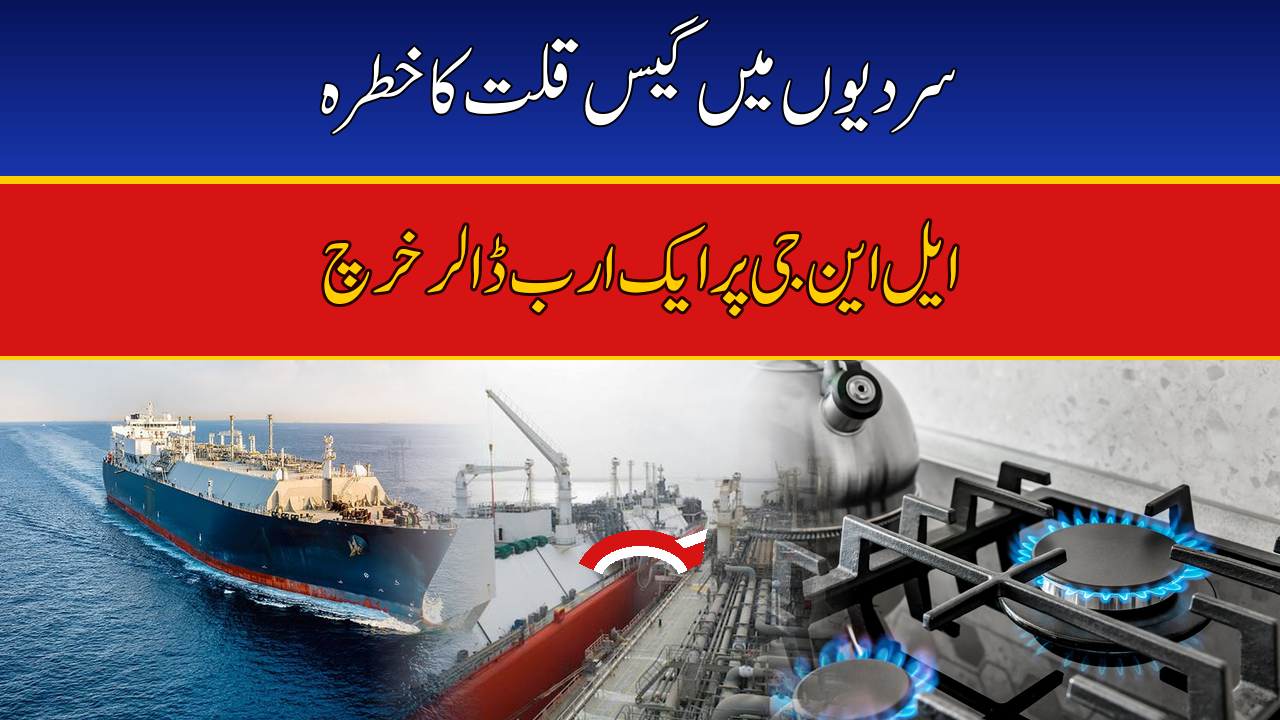
Pakistan is weighing a $1 billion-plus emergency LNG import plan to keep homes warm and factories running this winter, and the final call now sits with the Prime Minister. A proposal on the table calls for buying 10 spot-market LNG cargoes between November 2026 and February 2027 at prices roughly double Pakistan’s long-term Qatar contracts — because Qatar’s supply disruptions have left the country short of the gas it was counting on. A cheaper compromise would buy five spot cargoes (about $500 million) and lean on diplomacy to recover 17 contracted Qatari cargoes by February 2027.
This is not a routine procurement. A billion dollars of spot LNG would be one of the costliest energy purchases in Pakistan’s recent history. Here is what is actually on the table, why it costs so much, and what it means for you.
Key Facts: Pakistan’s Winter LNG Plan
- Proposal: 10 spot LNG cargoes, Nov 2026–Feb 2027, worth over $1 billion; final decision expected from the Prime Minister
- Compromise option: 5 spot cargoes (~$500 million) plus diplomacy to secure 17 Qatari cargoes through February 2027
- Spot price: around $26.30 per MMBtu, roughly $86.3 million per cargo — about double the Qatar contract price
- Winter demand jump: SNGPL requirement rising from 500 to 1,550 MMCFD; SSGC from 300 to 500 MMCFD
- Long-term side: 12 cargoes under Qatar/ENI contracts, valued at about $429.83 million
- Why the scramble: QatarEnergy force majeure since March after an attack on its Ras Laffan facility, plus Strait of Hormuz disruption
- Who pays the price of shortfall: export industries, CNG stations, cement plants, and potentially households and power generation
The Two Options in Front of the Prime Minister
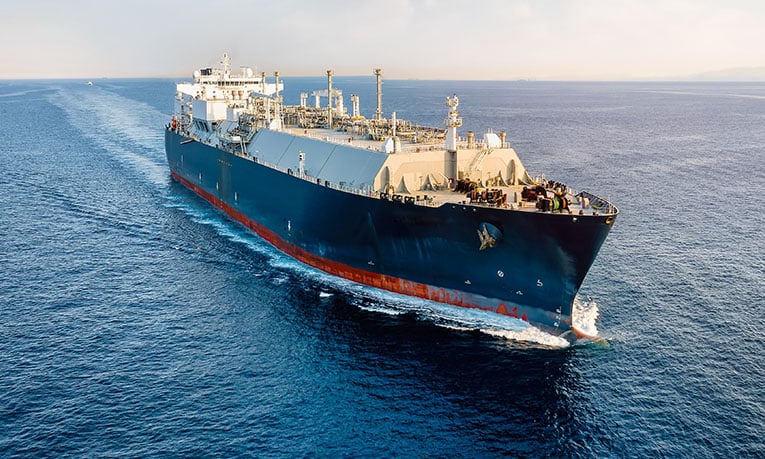
Option one is the full insurance policy — 10 spot cargoes, Nov 2026–Feb 2027, worth over $1 billion. Spot LNG costs roughly $26.30 per MMBtu, about $86.3 million per cargo — nearly double the long-term Qatar contract price. Nobody buys spot gas by choice; you buy it when the contracted gas isn’t coming.
Option two is the compromise: buy five spot cargoes (around $500 million) and go hard on diplomacy to secure 17 Qatari cargoes through February 2027. Every contracted cargo recovered is one expensive spot cargo avoided. The risk: diplomacy has a timetable of its own, and winter does not wait.
How Much Gas Does Pakistan Actually Need?
The demand numbers explain why officials are sounding the alarm. Sui Northern Gas Pipelines (SNGPL), which serves Punjab and Khyber Pakhtunkhwa, sees its requirement climb from 500 MMCFD today to 1,550 MMCFD in winter — a threefold jump. Sui Southern (SSGC), covering Sindh and Balochistan, goes from 300 to 500 MMCFD.
Against that surge, supply is thin. Planning estimates Pakistan would need roughly 24 LNG cargoes for the winter; the latest breakdown puts it at 22 cargoes costing about $1.29 billion — 10 spot cargoes plus 12 long-term ones (11 from Qatar at ~$351.41 million and one from Eni at $78.42 million).
The Petroleum Division’s gas load-management plan for November to February is still awaiting Cabinet Committee on Energy approval — reportedly 9 cargoes for the power sector and 15 for domestic consumers, including 2 contingency cargoes. Until it is approved and the cargoes are lined up, the whole winter strategy is paperwork.
Why Qatar’s Gas Isn’t Coming — and What Broke
The force majeure that started it
QatarEnergy declared force majeure in early March 2026 after an attack on its Ras Laffan export facility. Since then, contracted shipments have not sailed on schedule. PSO holds two big government-to-government deals with QatarEnergy (2016–2031 and 2021–2031) worth about 6.75 million tonnes a year — roughly 108 cargoes. Those contracts are the backbone of Pakistan’s gas supply, and the backbone is currently cracked.
Wood Mackenzie calls Pakistan the most-affected market in South Asia: 99% of its LNG imports in 2025 came from Qatar, so when shipments stopped there was no fallback.
The Hormuz factor
The second blow came from the Strait of Hormuz. The US-Iran conflict that erupted in February 2026 threw maritime traffic through the strait into uncertainty, and Pakistan-bound LNG volumes were cut by up to 0.4 million tonnes a month from March to November 2026 — about 2.5 million tonnes of demand destroyed.
And the detail that stings: earlier this year, when domestic demand was low, Pakistan diverted 24 contracted cargoes to other destinations because there was nowhere to put the gas. Now demand is back, the contracted cargoes are the ones missing, and the replacements cost double.
What This Means for You — Industry, CNG, and Your Kitchen
Export industries and CNG stations get hit first
If the cargoes don’t arrive, the curtailment list writes itself: export-oriented industries, non-export industries, CNG stations and cement plants. Export industries run on gas for processes that can’t just switch to electricity, and CNG stations are the first valve closed every winter. The press release says “load management”; the reality is stations shut for days at a time.
Domestic consumers and power generation under pressure
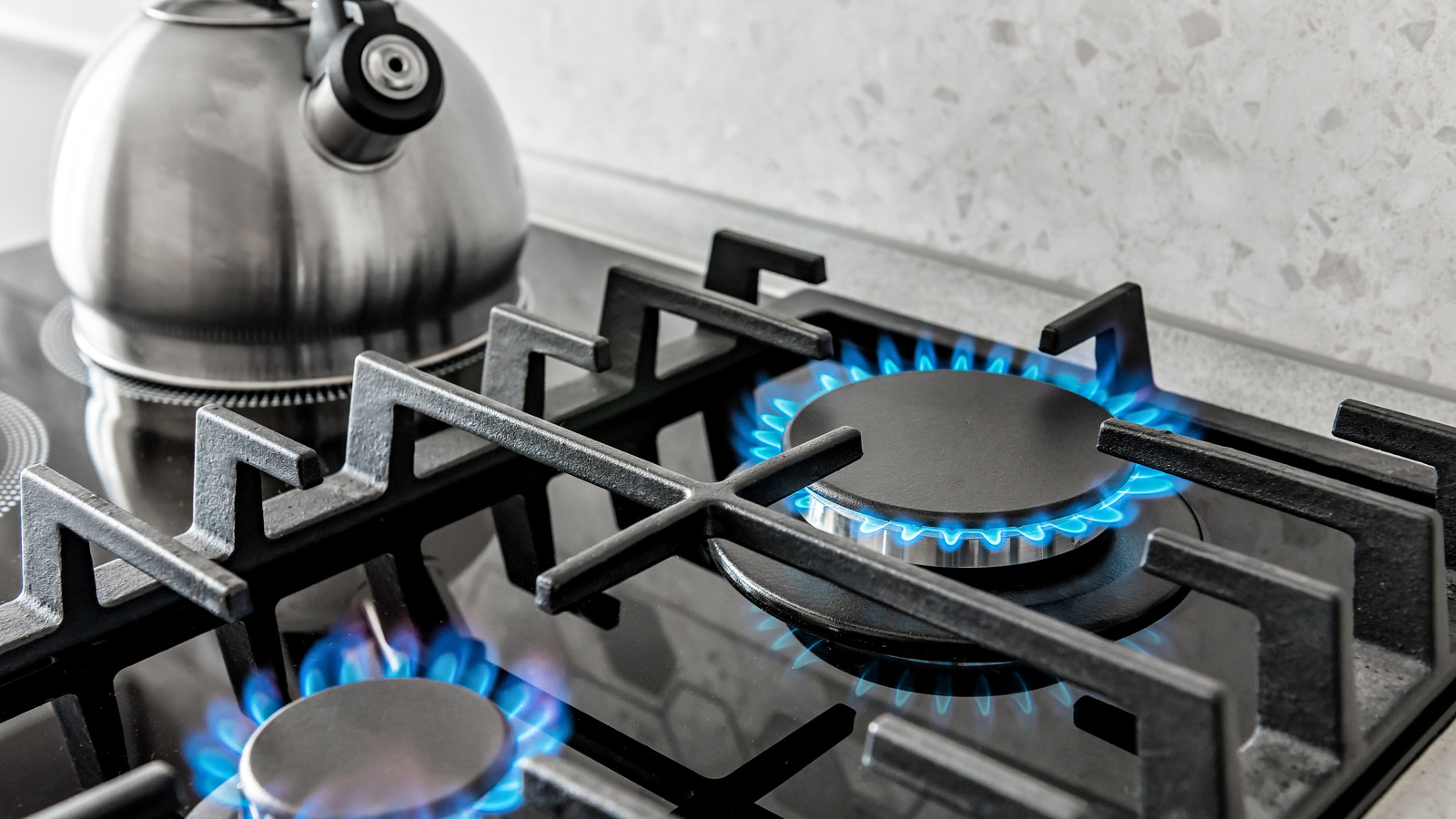
Households are officially protected in the load-management plan, but “protected” and “comfortable” are different things. Fall short on supplies and it’s the familiar winter script — low pressure at breakfast, geysers that don’t fire up, neighborhood arguments about whose area gets gas first. The power sector is exposed too: between October 9 and 13, neither of Pakistan’s two LNG terminals was regasifying a single molecule, leaving generation scraping by on about 38 mmcfd of gas.
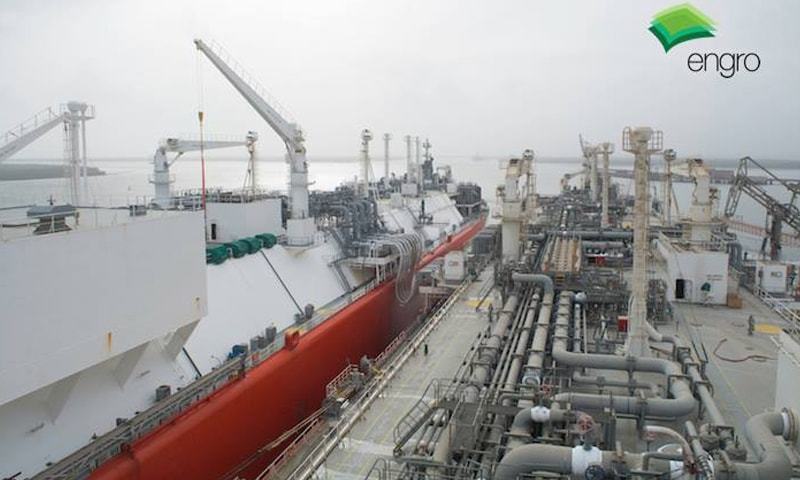
For context, the country’s first October cargo only arrived this week — the vessel Al-Areesh berthed at Engro’s terminal and injected 150 mmcfd back into the network. We covered that relief shipment here: Pakistan Receives First LNG Cargo of October Amid Winter Shortage Fears.
The money angle — who actually pays the $1 billion
The import bill lands on the fiscal position and, eventually, on consumers. Spot-priced LNG feeds into the cost of regasified LNG sold to industry and power producers, which feeds into tariffs and industrial costs. Every cargo is also paid for in dollars, so a stable import position cushions the rupee. Track how the currency is holding up in our Dollar Rate Today in Pakistan guide, and the knock-on effects on fuel in our Petrol Price in Pakistan Today tracker.
The Honest Caveats
Before anyone treats the $1 billion figure as money already spent:
- The decision hasn’t been made yet. The full 10-cargo plan still awaits the Prime Minister’s approval, and the compromise option could halve the spot bill — if the diplomacy works.
- Spot prices move. $26.30/MMBtu is a snapshot. A cold snap in Europe or Asia could push the bill above estimates; a calm winter could bring it down.
- Qatar’s cooperation is the wildcard. QatarEnergy’s force majeure (extended to November 6) depends on Hormuz conditions Pakistan doesn’t control — and Pakistan LNG’s chief publicly warned of winter shortages this week.
The Bottom Line
Pakistan is staring at a winter gas bill that could exceed $1 billion in spot imports because the cheap Qatari gas it counted on is stuck behind a force majeure and a troubled shipping lane. The Prime Minister’s choice between 10 spot cargoes and the 5-cargo-plus-diplomacy compromise sets the terms: overpay for certainty, or bet that negotiations deliver 17 contracted cargoes by February. With the load-management plan still unapproved, the next eight to ten days — when the next cargoes are expected to line up — will show whether the plan is real or just paperwork.
Frequently Asked Questions
How much will Pakistan’s winter LNG imports cost?
The full proposal is 10 spot LNG cargoes worth over $1 billion for November 2026 to February 2027. A compromise option would buy 5 spot cargoes (about $500 million) and rely on diplomacy to secure 17 contracted Qatari cargoes. Earlier planning put the total winter bill at roughly $1.29 billion for 22 cargoes.
Why is Pakistan buying expensive spot LNG instead of using its Qatar contracts?
QatarEnergy declared force majeure in March 2026 after an attack on its Ras Laffan facility, and the February 2026 US-Iran conflict disrupted Strait of Hormuz shipping. With 99% of 2025 LNG imports coming from Qatar, Pakistan had almost no alternative supplier.
Who decides whether Pakistan buys the spot LNG cargoes?
The final decision on the 10-cargo (over $1 billion) import plan is expected from the Prime Minister. The Petroleum Division’s gas load-management plan for November to February separately needs approval from the Cabinet Committee on Energy.
How much will gas demand rise in winter 2026-27?
SNGPL’s requirement is projected to rise from 500 to 1,550 MMCFD and SSGC’s from 300 to 500 MMCFD. Pakistan is expected to need around 24 LNG cargoes for total winter gas demand, with January 2027 as the crunch month at $437.32 million.
Which sectors face gas curtailment if supplies fall short?
Export-oriented and non-export industries, CNG stations, and cement manufacturers face the first curtailments, while domestic consumers and power generation would come under pressure. The load-management plan earmarks about 9 cargoes for power and 15 for domestic consumers, including 2 contingency cargoes.