Refurbished Millat Express Inaugurated at Faisalabad — All Three Rakes Overhauled on Lalamusa–Karachi Route
By Bilal Ahmed · Business Desk · Updated October 16, 2026 Pakistan Railways has put the refurbished Millat Express on the rails. PR Chief Executive Officer Muhammad Hafeezullah formally inaugurated the overhauled rake at Faisalabad Railway Station on Thursday, October 15, 2026 — and this was not a one-coach facelift. All three rakes of the…
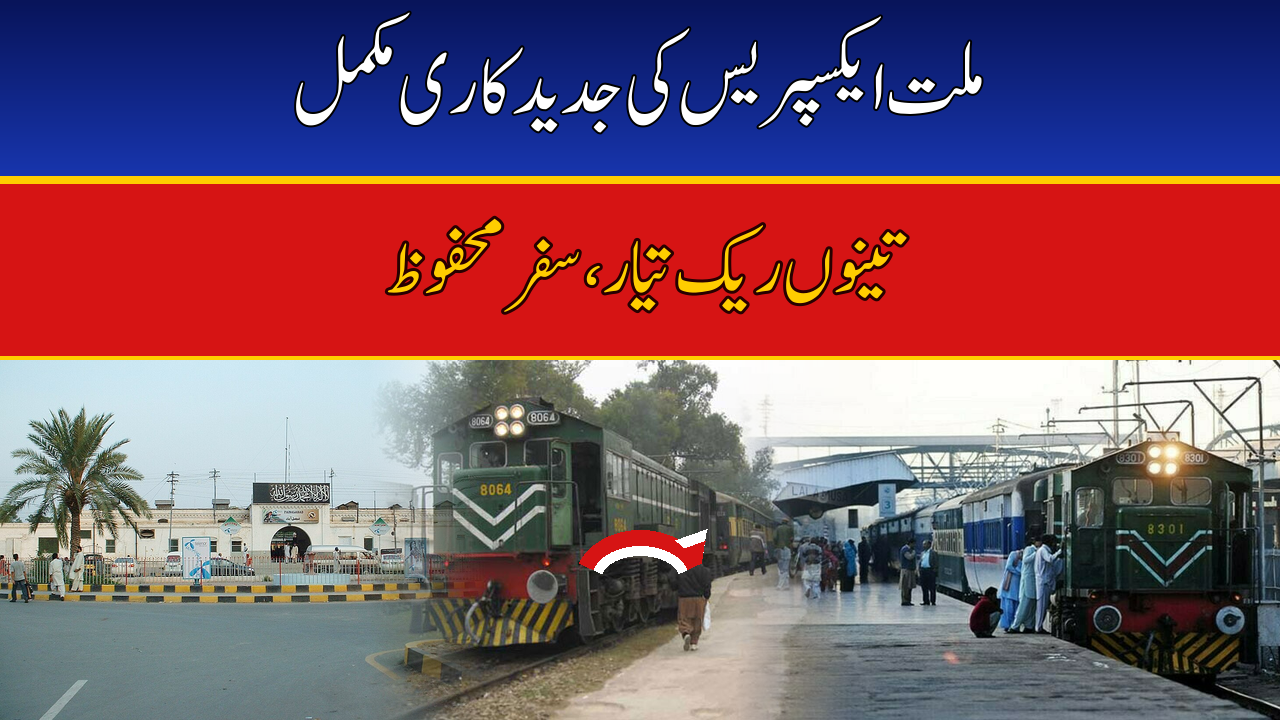
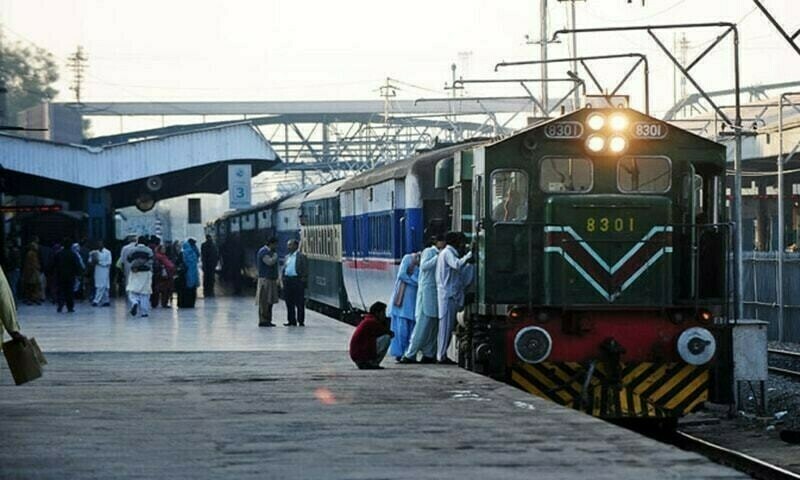
Pakistan Railways has put the refurbished Millat Express on the rails. PR Chief Executive Officer Muhammad Hafeezullah formally inaugurated the overhauled rake at Faisalabad Railway Station on Thursday, October 15, 2026 — and this was not a one-coach facelift. All three rakes of the train have been refurbished, with the Faisalabad rake the first to be publicly unveiled. The train runs between Lalamusa and Karachi via Faisalabad, and the CEO confirmed this is part of a wider plan to refurbish and upgrade the rakes of all passenger and freight trains.
Key facts — Refurbished Millat Express
- What: Pakistan Railways inaugurated the refurbished Millat Express
- When: Thursday, October 15, 2026
- Where: Faisalabad Railway Station
- Inaugurated by: PR CEO Muhammad Hafeezullah
- Scale: All three rakes of the train refurbished; one unveiled at Faisalabad
- Route: Lalamusa–Karachi via Faisalabad (17-Up / 18-Down)
- Ordered by: Federal Minister for Railways Hanif Abbasi
- Next: Refurbishment of rakes of all passenger and freight trains
What happened at Faisalabad station
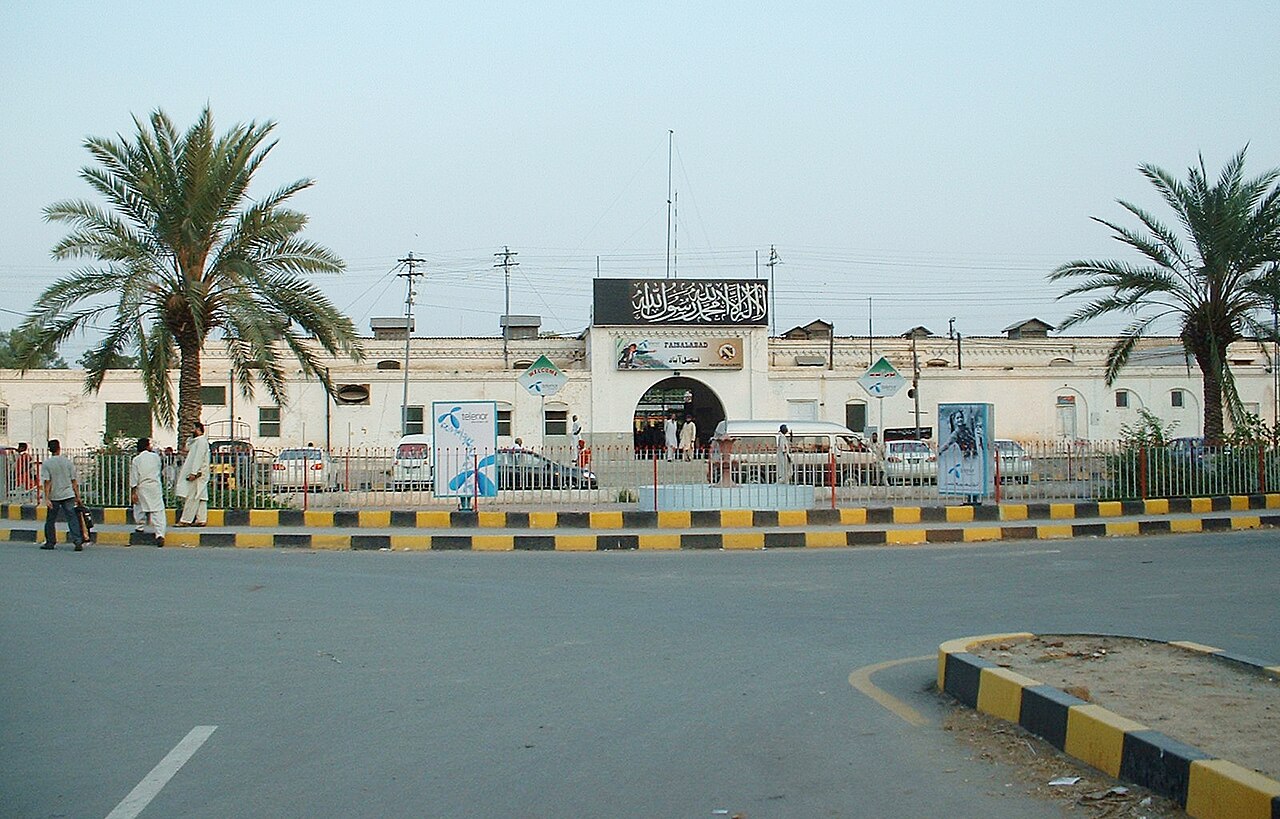
The inauguration was a working ceremony, not just a ribbon-cutting. After formally opening the refurbished rake, CEO Hafeezullah walked through the coaches himself, inspecting the overhauled interiors and directing the officers on hand to guarantee proper upkeep of coaches, regular maintenance of onboard facilities, and high standards of cleanliness.
He said the Railways was taking practical measures — under a directive from Federal Minister for Railways Hanif Abbasi — to upgrade passenger services and ensure a cleaner, more comfortable, passenger-friendly environment.
What “refurbished” actually means for you as a passenger
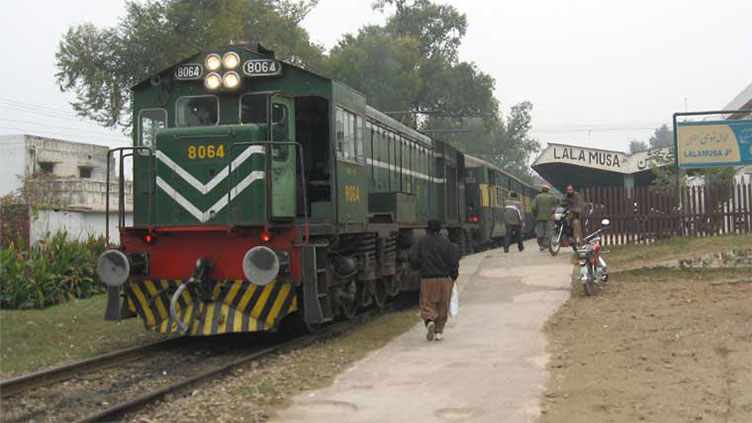
Let me translate the official language into what you will actually notice if you board one of these rakes. A refurbished rake means the coaches have been pulled out of service, stripped back, and reconditioned: upholstery replaced, fittings refreshed, toilets reworked, charging points restored, and the whole coach deep-cleaned and repainted. The PR chief singled out three things to enforce now — upkeep of coaches, working onboard facilities, and cleanliness — which tells you exactly where the pain points were.
The practical test is maintenance — a freshly refurbished coach looks great in October, but passengers will judge it in February. That is why the CEO’s inspection directive matters more than the inauguration speech.
Route, stations and train numbers
The Millat Express is one of the busiest links between Punjab and Sindh. It runs as 17-Up (Karachi to Lalamusa) and 18-Down (Lalamusa to Karachi), covering roughly 1,326 kilometres in about 21 and a half hours.
Major stops include Hyderabad, Rohri, Khanewal/Multan, Jahania, Faisalabad and Sargodha, ending at Lalamusa Junction in the north and Karachi Cantt in the south. It is the daily lifeline for workers and families moving between Faisalabad — Pakistan’s industrial heart — and Karachi, which is why the refurbished rake was unveiled there.
The bigger plan: every rake, passenger and freight
The Millat Express is not a one-off showpiece. The CEO stated that PR has a plan to refurbish and upgrade the rakes of all passenger and freight trains. The train had already moved under private commercial management (Lasani Cargo) from October 1, 2026 on the Lala Musa–Karachi route, after its coaches were reconditioned ahead of the handover. The Karakoram Express followed under the same model on October 8.
Under that arrangement, private operators take greater responsibility for train management, passenger services, maintenance and revenue generation — with the private operator required to deposit over Rs 748 million every week in advance — while Pakistan Railways retains the infrastructure and ownership. The refurbished rake, inaugurated under PR’s banner this week, shows the other half of the model: state-led investment in rolling stock, matched by private-sector management of day-to-day service.
If you have noticed transport fares climbing or fuel prices shifting, rail travel’s value proposition gets stronger with every refurbishment — provided the service quality actually holds.
Why refurbishment is a safety question, not just a comfort one
There is a hard engineering reason behind the cosmetic work. The Railways has acknowledged that the refurbishment of rolling stock, including locomotives, is essential to control derailments and other fatal and non-fatal accidents across the network — especially on Main Line-1, the Peshawar-to-Karachi artery that carries the country’s heaviest traffic.
The context is real and recent: bogies of the Faisalabad-bound Millat Express detached from the locomotive on the Meting–Bholari section in August 2026, and a 2021 derailment near Daharki triggered a collision that killed over 60 people. A systematic refurbishment programme — coaches, bogies, couplers and locomotives together — is exactly the kind of maintenance work that reduces the failures that lead to accidents. For regular passengers on the Lalamusa–Karachi corridor, that is the most important part of this story.
Practical tips if you are planning to travel
- Book early. Advance booking for the Millat Express has moved to the private operator’s channels.
- Check the rake. All three rakes have been refurbished, but ask at booking whether your departure runs on a refurbished set.
- Boarding at Faisalabad? You now get the first pick of the newest coaches on some services.
- Report problems. Private management offices at major stations handle passenger complaints — use them if seats, toilets or charging points are broken.
Frequently asked questions
Which route does the Millat Express run on?
The Millat Express runs daily between Lalamusa Junction (north) and Karachi Cantt (south), via Sargodha, Faisalabad, Jahania, Multan/Khanewal, Rohri and Hyderabad. The journey covers about 1,326 km in roughly 21 and a half hours.
What are the train numbers for the Millat Express?
17-Up runs from Karachi to Lalamusa and 18-Down runs from Lalamusa to Karachi. Both services operate daily.
What was refurbished on the train?
All three rakes have been reconditioned — refreshed interiors, upholstery, fittings and deep cleaning. One rake was formally inaugurated at Faisalabad Railway Station on October 15, 2026 by PR CEO Muhammad Hafeezullah, who inspected the coach and ordered strict upkeep, regular maintenance and high cleanliness standards.
Who runs the Millat Express now — Pakistan Railways or a private company?
The train moved to private commercial management (Lasani Cargo) from October 1, 2026, on the Lala Musa–Karachi route, under Pakistan Railways’ public-private partnership strategy. PR retains ownership and infrastructure; the private operator handles day-to-day management, passenger services, maintenance and revenue. The refurbishment was led by PR under the Railways minister’s directive.
Are other trains getting the same treatment?
Yes. The PR CEO confirmed a plan to refurbish and upgrade the rakes of all passenger and freight trains. Separately, the Karakoram Express began private management on October 8, 2026, and the government has been upgrading Karakoram Express, Karachi Express and Millat Express with a focus on passenger facilities, cleanliness and comfort.
How does this improve safety?
Pakistan Railways says refurbishing rolling stock — coaches and locomotives together — is essential to controlling derailments, particularly on Main Line-1 (Peshawar–Karachi). The urgency is real: Millat Express bogies detached from the locomotive near Meting–Bholari in August 2026, and a 2021 derailment near Daharki killed over 60 people.
Who ordered the refurbishment programme?
It is being carried out under a directive of Federal Minister for Railways Hanif Abbasi, as part of the government’s push for automation, modernization and private-sector participation in Pakistan Railways.