Petrol Cut by Rs3.63/L, Diesel Up Re0.31 for October 16 — New Rates
By Bilal Ahmed | Published October 16, 2026 | TimelyUps Business Desk The federal government has cut the price of petrol by Rs3.63 per litre to Rs390.23 per litre, while raising high-speed diesel (HSD) by Re0.31 to Rs396.96 per litre, under a Petroleum Division notification issued on Thursday. The revised rates take effect on Friday,…
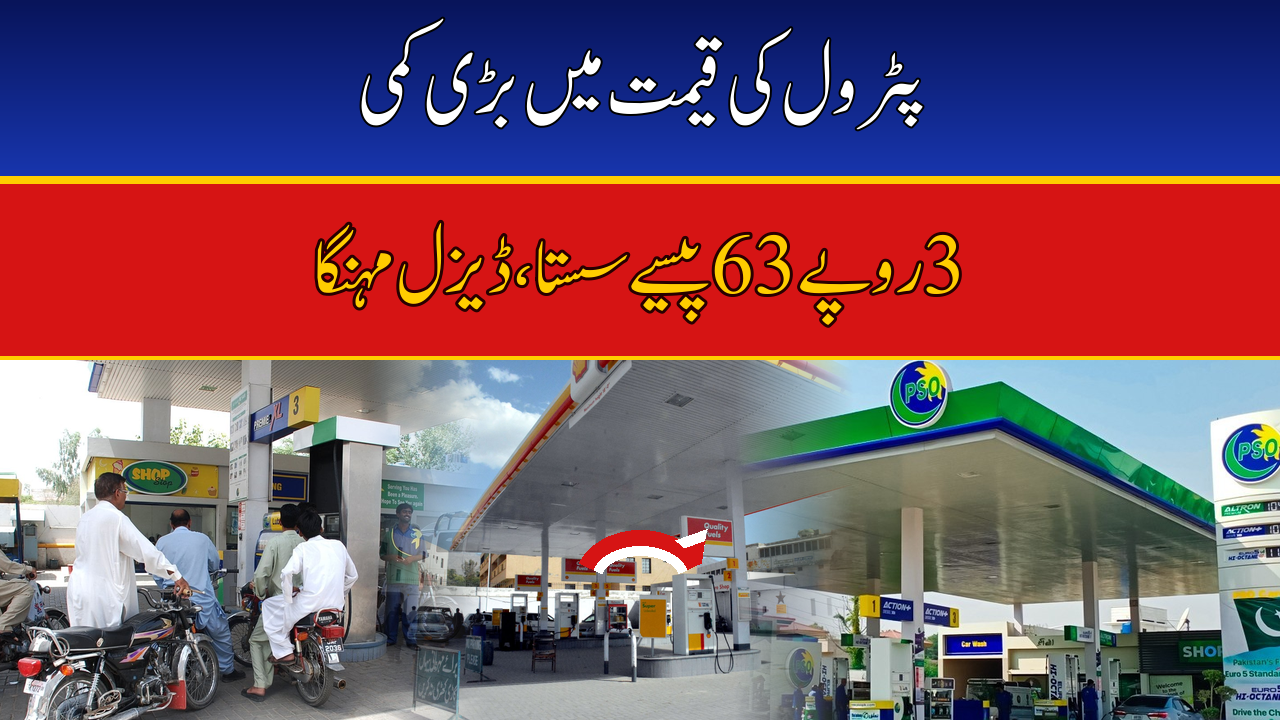
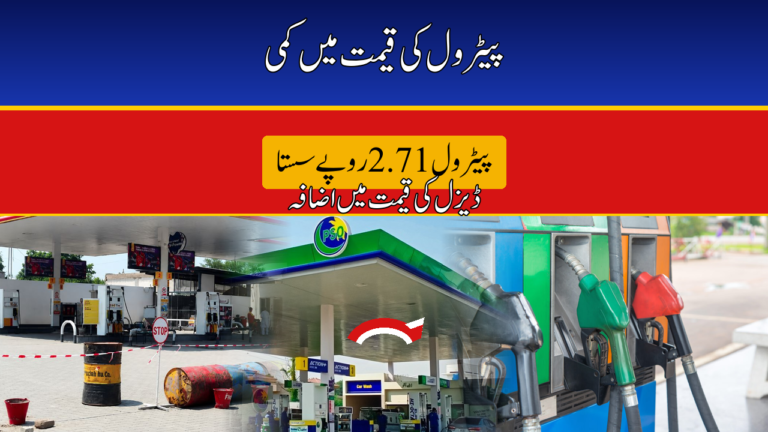
The federal government has cut the price of petrol by Rs3.63 per litre to Rs390.23 per litre, while raising high-speed diesel (HSD) by Re0.31 to Rs396.96 per litre, under a Petroleum Division notification issued on Thursday. The revised rates take effect on Friday, October 16, 2026 — reversing the previous day’s revision, when petrol had risen Rs1.20 and diesel had slipped 17 paisa.
Key Facts
- Petrol down Rs3.63 to Rs390.23 per litre (from Rs393.86) — a cut of roughly 0.9%.
- Diesel up Re0.31 to Rs396.96 per litre (from Rs396.65) — a rise of under 0.1%.
- Effective October 16, 2026: Friday’s rates hold through the weekend under OGRA’s daily mechanism.
- Why the split: global petrol benchmarks eased on “shadow fleet” supply news while diesel markets stayed firm; the division cited Platts rates, premiums and incidentals.
- Daily mechanism since July 17: OGRA revises ex-depot prices every working day on a seven-day average of international prices, without prime ministerial approval.
New petrol and diesel rates for October 16
OGRA revised the ex-depot prices under the federal petroleum pricing mechanism, citing movements in international Platts rates, premiums and incidentals.
| Product | Old rate (Oct 15) | New rate (Oct 16) | Change |
|---|---|---|---|
| Petrol | Rs393.86/L | Rs390.23/L | − Rs3.63 |
| High-speed diesel | Rs396.65/L | Rs396.96/L | + Re0.31 |
The sharpest single-day petrol move in recent weeks — three times the Rs1.20 hike absorbed a day earlier. Friday’s rates hold for Saturday and Sunday, so Rs390.23 stays in place for the weekend.
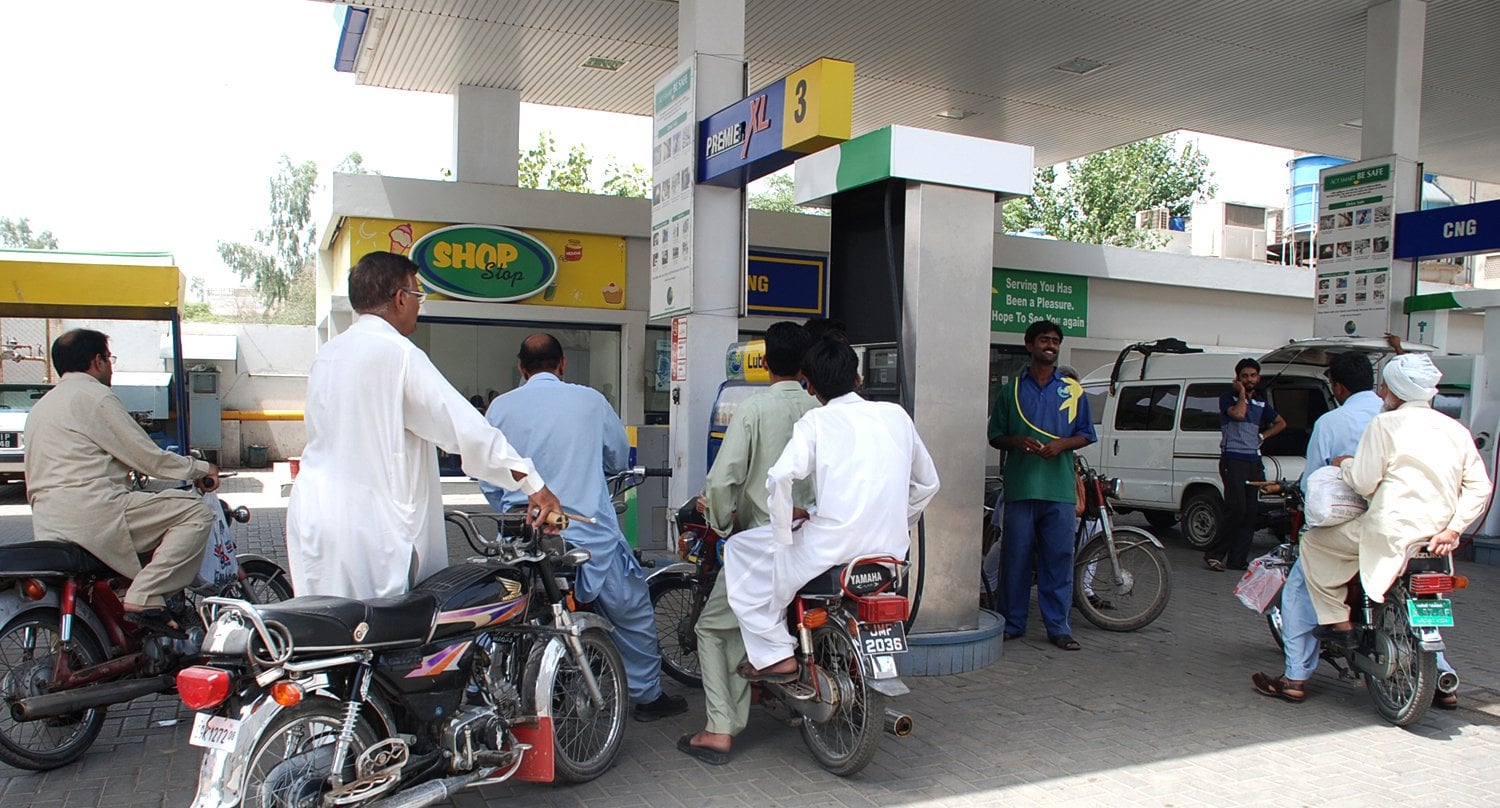
Why petrol got cheaper while diesel got costlier
Petrol and diesel track different international benchmarks, and on Thursday those benchmarks diverged. Global petrol markets softened after the United States moved to ease restrictions on Russia’s so-called “shadow fleet” of tankers, calming supply fears: Brent crude fell $1.15, or 1.1%, to $104.91 a barrel, though attacks on ships in the Middle East and Ukrainian strikes on Russian energy infrastructure kept a floor under prices.
Diesel markets, meanwhile, refused to fall. US West Texas Intermediate rose 31 cents, or 0.3%, to $95.40 a barrel on expectations of a big American inventory drawdown. That firmness in diesel-linked products is what OGRA passed through as the 31-paisa increase — small on paper, but a reminder that the two fuels follow their own logic.
How Pakistan’s daily fuel price mechanism works
Since July 17, 2026, Pakistan has revised fuel prices every working day, replacing the older weekly cycle. The change followed renewed hostilities between the United States and Iran, which injected sharp volatility into global oil markets and raised fears of supply disruption through the Middle East.
Petroleum Minister Ali Pervaiz Malik has said the daily prices are set on a seven-day average of international market prices, in line with international practice, and that the cabinet assigned the job to OGRA — no prime ministerial approval is needed for each revision. The practical upshot: pump prices are a moving daily number, so topping up on a dip day like today is the cheapest play of the week.
What the Rs3.63 cut means for your pocket
Petrol is the fuel of motorcycles, rickshaws and small cars — the vehicles of the middle class and the working poor:
- Motorcyclist (20 litres/month): saves about Rs73 a month — roughly a day’s fuel for many riders.
- Small car (100 litres/month): saves about Rs363 a month.
- Diesel car driver (100 litres/month): pays about Rs31 more — essentially noise at the household level.
The real diesel story is freight: diesel powers the trucks moving food and goods, so even small increases feed into transport costs. Goods transporters have already been warning of fare hikes and strike action over fuel costs. For households, cheaper petrol is mildly disinflationary — it lowers commuting costs for millions of workers — but the daily mechanism can reverse the cut within days, so treat Rs390.23 as Friday’s number, not a settled price. For context on how fast these numbers move, see the new petrol and diesel rates announced for October 13.
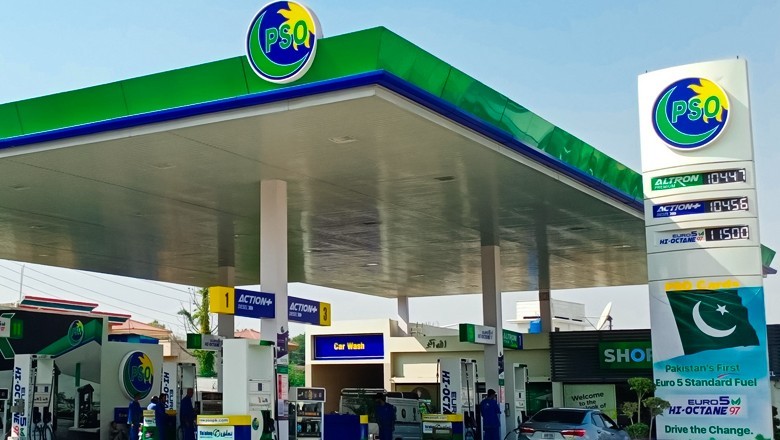
Where prices stand against the April peak
Zoom out and the picture looks very different from the panic of the spring. Petrol climbed from Rs266 in the first week of March to a peak of Rs458.41 on April 3, when the US-Iran conflict sent markets into a tailspin; at Rs390.23 it is now about Rs68 — roughly 15% — below that peak. Diesel rose from Rs281 a litre after the war broke out on February 28 to Rs520.35 on April 3; at Rs396.96 it sits about Rs123, or nearly 24%, below its peak.
The government has also tried to cushion the vulnerable: on September 13, Prime Minister Shehbaz Sharif announced Rs100 per litre off petrol for motorcycles, three-wheeler rickshaws and cars up to 800cc — covering an estimated 11.8 million beneficiaries (20 litres a month for two- and three-wheelers, up to Rs2,000 benefit; 30 litres for small cars, up to Rs3,000).
Frequently Asked Questions
What is the new petrol price in Pakistan from October 16, 2026?
Petrol costs Rs390.23 per litre from Friday, October 16, 2026, after the government cut it by Rs3.63 per litre. The rate applies at fuel stations across Pakistan and holds through the weekend under the daily pricing mechanism.
What is the new diesel price in Pakistan from October 16, 2026?
High-speed diesel costs Rs396.96 per litre from October 16, 2026, after a 31-paisa increase. Diesel-linked benchmarks stayed firm even as crude softened, keeping diesel above petrol.
Why did petrol get cheaper but diesel got expensive on the same day?
They track different international benchmarks. Brent crude fell 1.1% to $104.91 a barrel on news about eased restrictions on Russia’s “shadow fleet” tankers, pulling petrol down. Diesel-linked products stayed firm on strong inventory-demand signals, so OGRA revised the two fuels in opposite directions.
How often do fuel prices change in Pakistan now?
Since July 17, 2026, OGRA revises fuel prices daily on working days, replacing the old weekly cycle. Prices use a seven-day average of international prices plus Platts rates, premiums and incidentals. No prime ministerial approval is required, and the Friday rate holds for the weekend.
How much will I save with the Rs3.63 petrol cut?
Multiply Rs3.63 by your monthly litres: a motorcyclist using 20 litres saves about Rs73; a small car using 100 litres saves about Rs363 a month. Diesel drivers pay roughly Rs31 more per 100 litres — negligible at home, though freight operators feel it.
How do current prices compare to the 2026 peak?
Petrol peaked at Rs458.41 on April 3 and is now Rs390.23 — about Rs68 (15%) lower. Diesel peaked at Rs520.35 the same day and is now Rs396.96 — about Rs123 (nearly 24%) lower.