Pakistan Gets First LNG Cargo of October as Winter Gas Shortage Fears Grow
Pakistan’s gas supply system got a much-needed boost on Tuesday as the LNG vessel Al-Areesh berthed at Engro’s LNG terminal at 11:05am and regasification began at noon — the country’s first LNG cargo of October. The shipment from Qatar is injecting 150 million cubic feet per day (mmcfd) of regasified LNG into the national network…
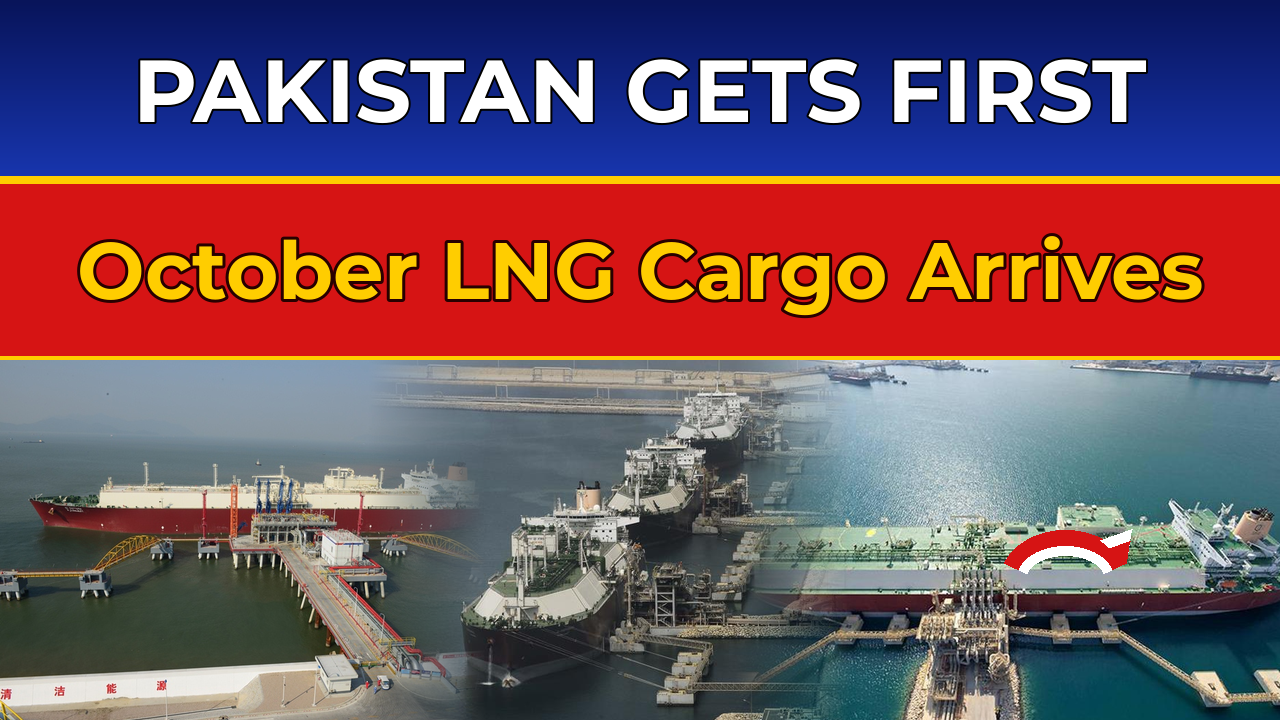
Pakistan’s gas supply system got a much-needed boost on Tuesday as the LNG vessel Al-Areesh berthed at Engro’s LNG terminal at 11:05am and regasification began at noon — the country’s first LNG cargo of October. The shipment from Qatar is injecting 150 million cubic feet per day (mmcfd) of regasified LNG into the national network after both import terminals sat idle for days.
But here is the honest picture: this single cargo does not end the crisis. Pakistan is expected to need at least 24 LNG cargoes to get through the winter of 2026–27, gas demand is about to triple, and officials admit only two cargoes are likely in October — the same as September. With the Strait of Hormuz still uncertain and Qatar’s force majeure in effect, winter gas shortages remain a real threat for households, industry and CNG stations.
What happened on Tuesday
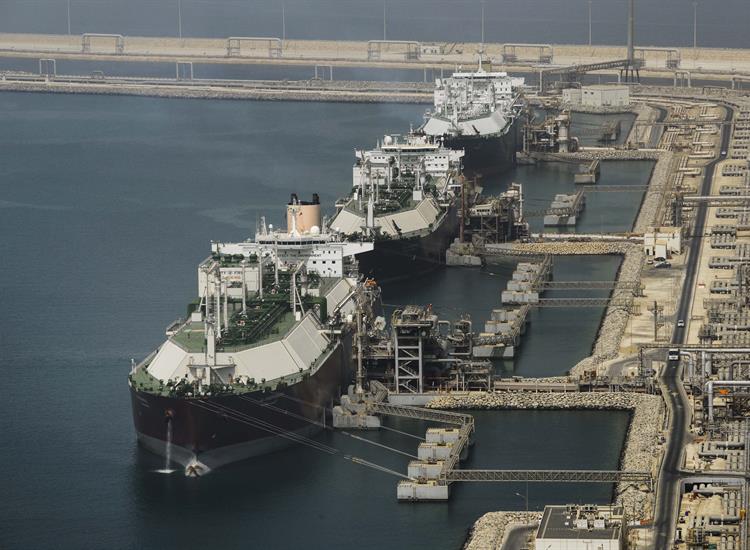
The Al-Areesh arrived from Qatar and berthed at Engro’s LNG terminal at 11:05am on Tuesday, with the regasification process — converting LNG back into natural gas for the national network — beginning at noon at a rate of 150 mmcfd.
The arrival ended a worrying dry spell. Engro’s terminal had been non-operational since September 26 because no LNG vessel was available. The country’s second terminal, operated by Pakistan GasPort Limited (PGPL), has been shut since October 9 due to insufficient inventory. Between October 9 and October 13, neither terminal was regasifying LNG, leaving the power sector with only around 38 mmcfd of gas for electricity generation as of October 13. The resumption at Engro’s terminal provides immediate relief, though PGPL’s terminal remains down.
Authorities expect to arrange another cargo within the next eight to 10 days for the PGPL facility. Officials are trying to secure three cargoes from Qatar with assistance from Iranian and US officials — but under the latest supply scenario, Pakistan will likely manage only two October cargoes.
Why winter is the real worry
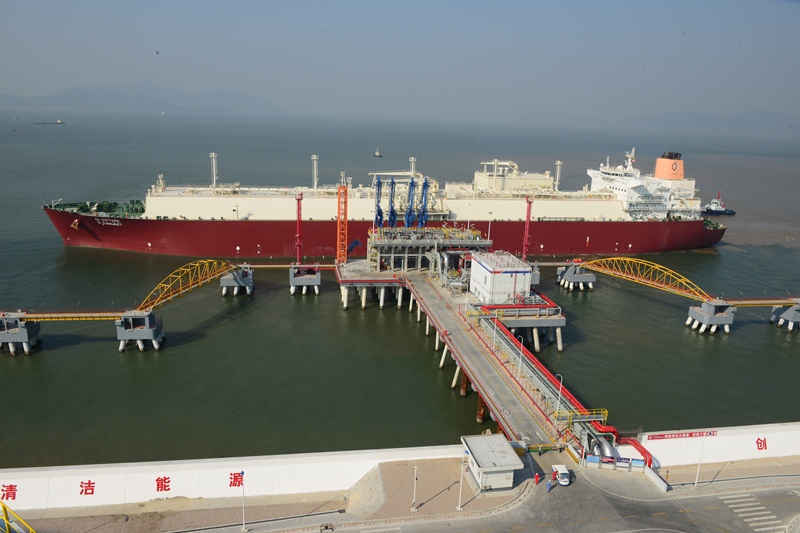
The numbers tell the story. Pakistan will need at least 24 LNG cargoes to meet its gas requirements during the winter of 2026–27, according to official estimates. Demand on the Sui Northern Gas Pipelines (SNGPL) network — which serves the north — is projected to jump from the current 550 mmcfd to 1,550 mmcfd in winter. Sui Southern (SSGC) demand could rise from 300 to 500 mmcfd.
If supplies fall short, the sectors at risk are familiar: export-oriented industries, non-export industries, CNG stations and cement manufacturers. Energy experts warn that any significant disruption could hit industrial operations hard and leave households facing the low-pressure gas problems Pakistanis know all too well every winter.
Two structural problems make this winter harder than usual. First, QatarEnergy declared force majeure on March 4 after an Iranian attack on its Ras Laffan facility on March 2 — and the suspension has been extended twice, most recently until November 6. Second, uncertainty around maritime traffic through the Strait of Hormuz continues to hang over every shipment. On top of that, domestic production is constrained: supplies from MOL’s CPF and GPF facilities have fallen to 123 mmcfd against a normal 160 mmcfd due to annual maintenance.
What this means for you
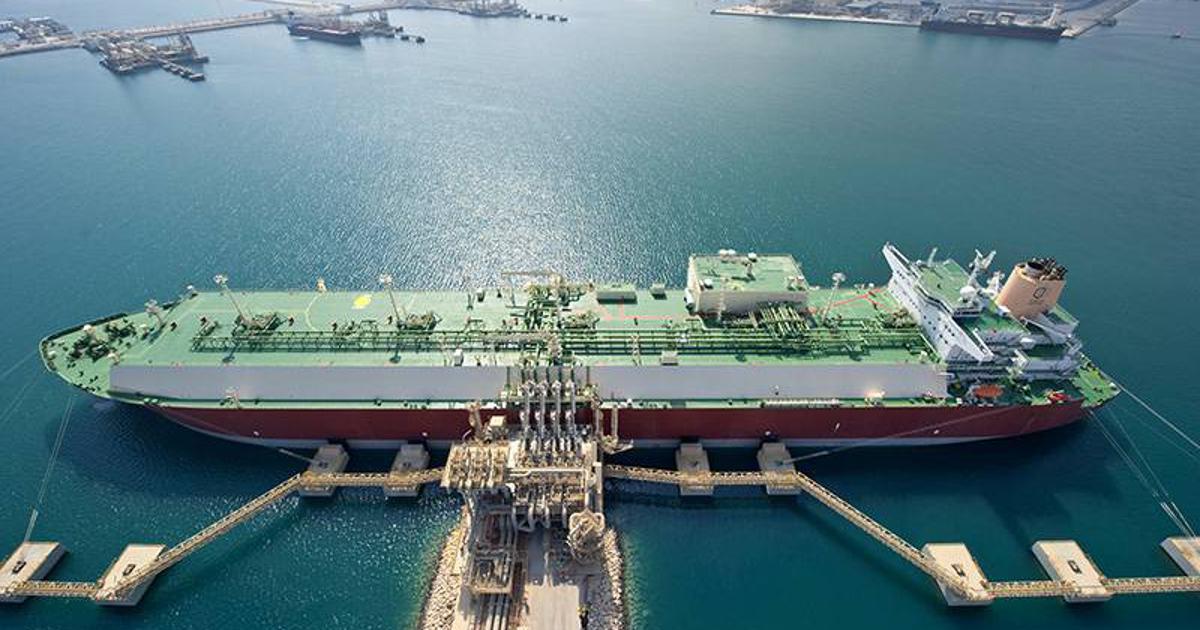
For households, the immediate effect is positive but limited: 150 mmcfd of regasified LNG re-entering the system eases pressure on the network, particularly for power generation. But the real test comes in December and January, when demand triples. If the second October cargo arrives on schedule and Qatar extends cooperation past November 6, Pakistan may scrape through. If not, expect the usual winter script — low pressure, scheduled load management for industry and CNG, and political blame games.
The Petroleum Division’s scramble to line up three Qatari cargoes — with Iranian and US officials reportedly involved — shows how seriously the government is taking the risk. Whether diplomacy delivers gas is the question to watch over the next eight to 10 days.
Frequently asked questions
When did Pakistan receive its first LNG cargo of October 2026?
The LNG vessel Al-Areesh from Qatar berthed at Engro’s LNG terminal at 11:05am on Tuesday, October 13, 2026. Regasification began at noon at a rate of 150 million cubic feet per day.
How many LNG cargoes does Pakistan need for winter 2026-27?
At least 24 LNG cargoes, according to official estimates. Pakistan is expected to arrange only two cargoes in October 2026, the same as September.
Why were Pakistan’s LNG terminals shut down?
Engro’s terminal was non-operational from September 26 due to no available LNG vessel; the PGPL terminal shut on October 9 from insufficient inventory. QatarEnergy’s force majeure (extended to November 6) and Strait of Hormuz uncertainty have disrupted supplies.
How much will gas demand rise in winter?
SNGPL network demand is projected to rise from 550 to 1,550 mmcfd; SSGC from 300 to 500 mmcfd. Sectors at risk include export industries, CNG stations and cement manufacturers.
When is the next LNG cargo expected?
Authorities expect another cargo within eight to 10 days for the PGPL terminal. Officials are working to secure a third Qatari cargo with help from Iranian and US officials.
What is the QatarEnergy force majeure about?
QatarEnergy declared force majeure on March 4, 2026, after an Iranian attack on its Ras Laffan facility on March 2. It has been extended twice, most recently until November 6, 2026.