Pakistan to Raise Over $1 Billion from Privatisation of 5–6 Entities, Says Finance Minister
Islamabad, Oct 12, 2026 — Pakistan plans to sell five to six state-owned entities this fiscal year and raise more than $1 billion from the sales, Finance Minister Muhammad Aurangzeb told Reuters on Monday. Around a dozen state firms are already at different stages of the sale pipeline, including the state-run power distribution companies and…
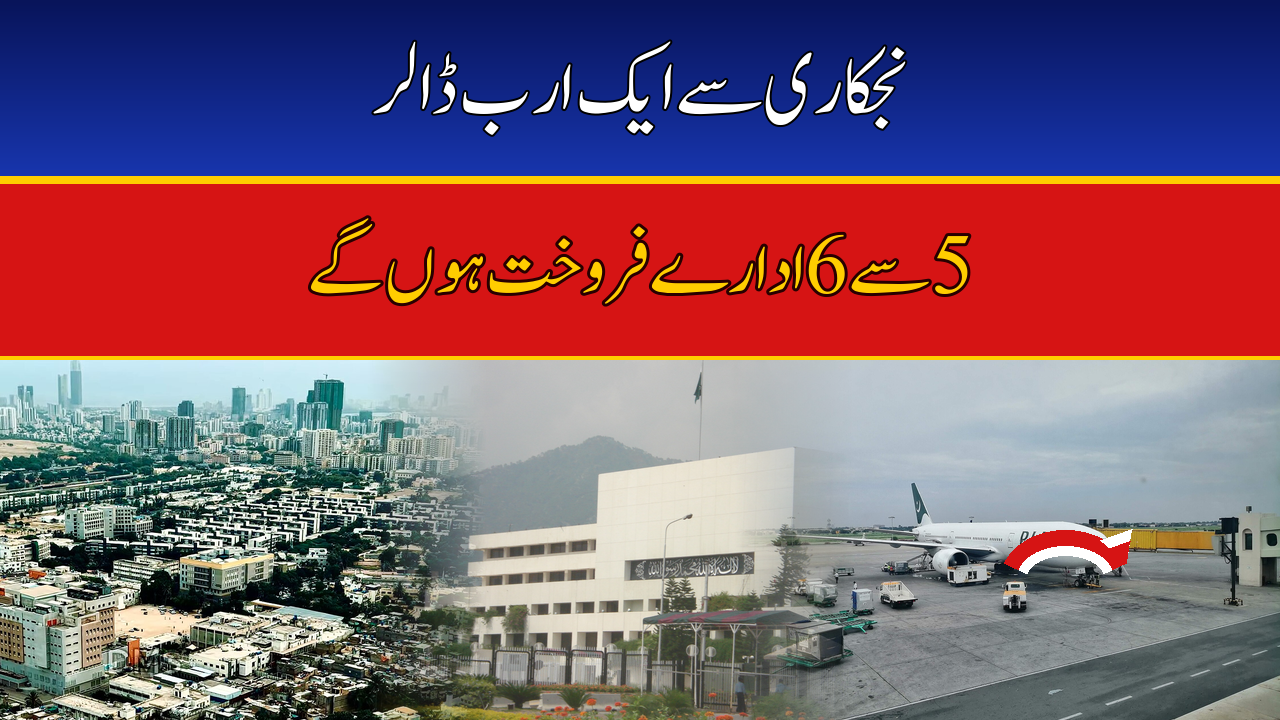
Islamabad, Oct 12, 2026 — Pakistan plans to sell five to six state-owned entities this fiscal year and raise more than $1 billion from the sales, Finance Minister Muhammad Aurangzeb told Reuters on Monday. Around a dozen state firms are already at different stages of the sale pipeline, including the state-run power distribution companies and the outsourcing of airport operations, according to Dawn’s report of the interview.
The announcement came on the sidelines of the IMF and World Bank annual meetings in Bangkok, where the finance minister said Pakistan’s economy should grow by more than 4% this fiscal year despite elevated oil prices. Geo News reported the minister’s timeline explicitly: “I expect about five or six of these to go through during this fiscal year.”
These are the companies that send your electricity bill and run your airports. When the state sells them, the new owners’ priorities land directly on household budgets — here is what the announcement actually means.
What’s in the privatisation pipeline
Aurangzeb named two: state-owned power distribution companies (DISCOs) and airport operations, which the government wants to outsource. Dunya News noted that roughly a dozen entities sit in the pipeline at various stages — a conveyor belt of sales, not a one-off deal.
The $1 billion-plus figure is the headline, but the real prize is what these companies cost the exchequer every year — paid through subsidies, higher tariffs for honest customers, or fresh borrowing. Selling them brings in cash now and stops the annual bleed later.
Power distribution companies: the one that touches your bill
This is the part that matters most to your wallet. The DISCOs that carry electricity to homes in Lahore, Multan, Peshawar and Hyderabad lose a huge share of the power they receive to theft, technical losses and unrecovered bills. In plain terms: honest customers pay higher tariffs to cover the electricity someone else steals or never pays for.
Privatisation alone will not lower your bill overnight — tariffs stay regulated by NEPRA, so a private owner cannot simply rewrite the rate card. What changes is the incentive. A private distributor that loses its own money on every stolen unit has a powerful reason to invest in better metering, crack down on theft and improve collection — things the state-run companies have struggled with for decades. If you have ever waited on a complaint helpline that never answers or watched your meter reading come back wrong, this is the mechanism the government is betting on: a company that loses money when your lights go out.
The honest caveat: private ownership of utilities has a mixed record worldwide. The sale terms — investment commitments, service targets, regulatory oversight — will matter far more than the sale itself.
Airports: outsourcing operations, not selling the runways
Outsourcing an airport usually means handing commercial management — terminals, retail, passenger services, ground handling — to a private operator under a long concession while the state keeps the strategic asset. Long queues and tired facilities are the norm at many Pakistani airports today — a good concession can fix that. A badly structured one simply hands a monopoly to the highest bidder with no service guarantees — the fine print deserves as much attention as the announcement.
The PIA precedent
This push follows the privatisation of Pakistan International Airlines last year — the sale everyone said could not happen. For years, PIA was the textbook example of a state enterprise too politicised, too indebted and too unionised to sell. Getting it done gave the programme credibility with the investors now being asked to bid on power companies and airport concessions. Channel News Asia placed the new target squarely in the context of that earlier sale.
Why now: growth hopes, oil prices and the IMF
Aurangzeb’s above-4% growth forecast is strikingly confident. Oil prices are elevated, and Pakistan is acutely vulnerable to any prolonged Middle East conflict because it depends on the Gulf for energy imports, remittance inflows and financing support — a wider crisis would hit all three at once. The minister’s reassurance: the country has procured adequate fuel with no shortages on the horizon, and agriculture is holding up.
Then there is the IMF. Pakistan signed a $7 billion, 37-month Extended Fund Facility in 2024, and the Fund treats state-owned enterprise reform as a core condition. As we reported in our coverage of the IMF talks nearing the finish line for a $1.2 billion release, each review unlocks money the government needs — privatisation is the most visible way to show reform is real rather than rhetorical. Separately, talks continue with the United States on a proposed $10 billion Exchange Stabilisation Facility.
The risks nobody should gloss over
Privatisation announcements in Pakistan have a long history of outrunning reality: timelines slip, bidders walk away, courts intervene, elections reset the process. “Five to six this fiscal year” is ambitious, and investor sentiment remains cautious, as the KSE-100’s sharp weekly fall showed. The difference between a successful sale and a scandal is almost entirely about transparency — open bidding, published terms, post-sale accountability.
Frequently Asked Questions
Which entities is Pakistan planning to privatise?
Five to six entities this fiscal year, raising over $1 billion, with around a dozen in the pipeline. The minister specifically named power distribution companies and airport operations outsourcing; the full company list has not been published yet.
Why is the government selling these companies now?
Three reasons converge: immediate non-tax revenue, an end to the annual losses these enterprises impose on the budget, and a reform signal to the IMF, whose reviews unlock further financing.
Will privatising the power companies lower my electricity bill?
Not directly or immediately — tariffs are set by NEPRA, not by the distributor. The realistic hope: a private operator cuts theft and improves collection, easing the losses that paying customers currently subsidise through higher tariffs. Better reliability is the more plausible near-term gain.
How is this connected to the IMF programme?
State-owned enterprise reform is a standing condition of the $7 billion IMF facility signed in 2024. Each completed sale strengthens Pakistan’s position at the reviews that release further financing. Islamabad is separately in talks with Washington on a proposed $10 billion Exchange Stabilisation Facility.
What could go wrong?
Past drives have stalled over opaque bidding, legal challenges and union resistance. The main risks: slipped timelines, politically connected buyers getting sweetheart deals, and sales without enforceable investment and service commitments — where the public loses the asset without gaining the improvement.
TimelyUps will continue tracking this story. When the government names the entities going under the hammer, we will publish the full list with sale terms.