Pakistan-IMF Talks Near Finish Line, $1.2 Billion Release Expected
Pakistan’s talks with the International Monetary Fund are nearing the finish line, with the review expected to conclude by October 7, 2026 — paving the way for the release of $1.2 billion in much-needed financing. The Pakistan IMF talks 2026 have been closely watched by markets, businesses and policymakers alike. Once the IMF’s board gives…
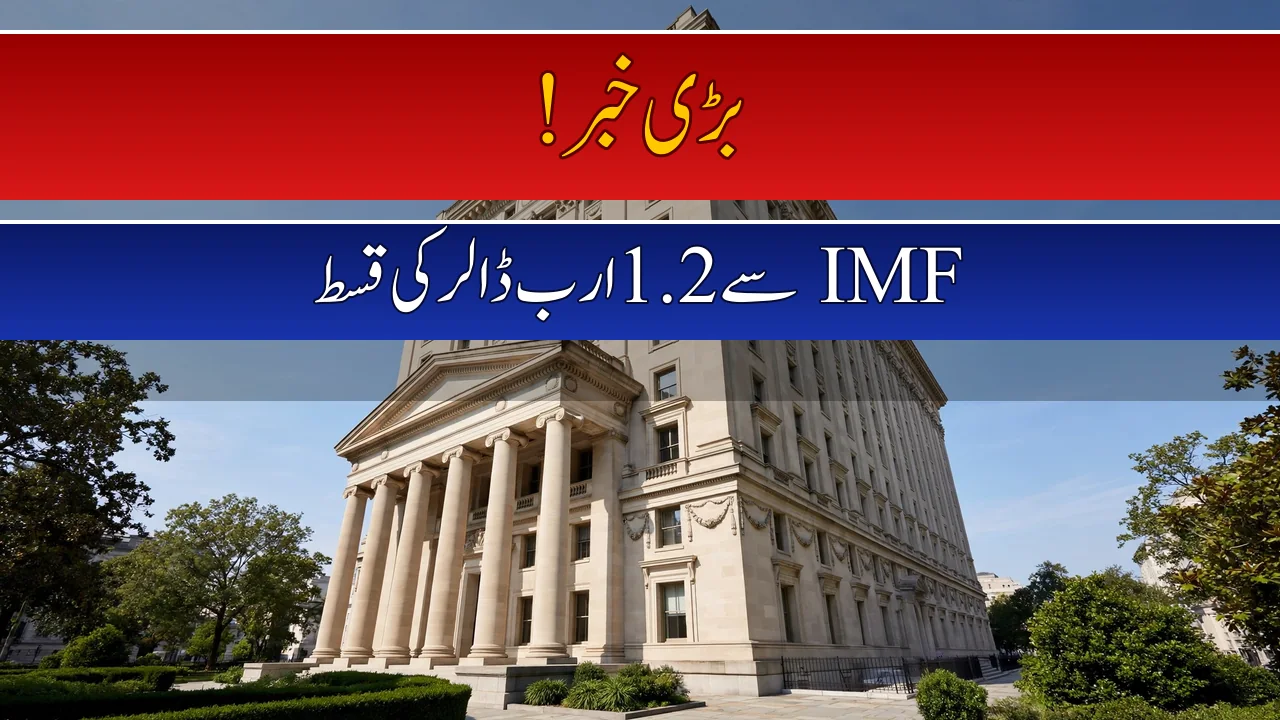
Pakistan’s talks with the International Monetary Fund are nearing the finish line, with the review expected to conclude by October 7, 2026 — paving the way for the release of $1.2 billion in much-needed financing. The Pakistan IMF talks 2026 have been closely watched by markets, businesses and policymakers alike.
Once the IMF’s board gives its approval, the $1.2 billion disbursement would provide a significant boost to the country’s foreign exchange reserves and signal continued international confidence in Pakistan’s economic reform programme.

FBR meets its revenue target
Adding to the positive momentum, the Federal Board of Revenue collected PKR 3,043 billion in taxes during the July to September quarter, meeting its first-quarter target. The strong revenue performance reduces the chances of a mini-budget — something businesses and consumers had been bracing for.
Meeting the FBR target was seen as a key condition for the successful completion of the IMF review, and the numbers suggest the tax machinery is holding up despite economic headwinds.
Reforms under the microscope
The IMF programme has pushed Pakistan toward difficult but necessary reforms, from broadening the tax base to cutting energy subsidies. The FBR’s quarterly performance suggests these measures are starting to bear fruit, though economists warn that much work remains to make the gains permanent rather than temporary.
Privatisation of state-owned enterprises, power sector fixes and export promotion are all on the reform checklist. How quickly the government moves on these fronts will shape both the IMF’s assessment and the country’s economic trajectory in the months ahead.
Why the $1.2 billion matters
The expected disbursement would shore up reserves at a time when Pakistan faces external payments and a widening trade deficit. Beyond the money itself, a successful review unlocks financing from other multilateral lenders and friendly countries that typically follow the IMF’s lead.
Market analysts say the staff-level understanding, once finalised, should calm investor nerves and support the rupee in the weeks ahead.
Key facts
- Review timeline: Pakistan-IMF talks likely concluding by October 7, 2026.
- Expected release: $1.2 billion after IMF board approval.
- FBR collection: PKR 3,043 billion in July–September, meeting the Q1 target.
- Mini-budget: Chances reduced after the revenue target was met.
- Significance: Boost for reserves and a signal of reform continuity.
What comes next
All eyes are now on the IMF’s executive board, which must approve the review before funds are released. If the timeline holds, the disbursement could land within weeks — giving the government breathing room to focus on growth rather than crisis management.
For ordinary Pakistanis, a successful review means fewer chances of emergency tax measures and a more stable economic environment. The real test, economists say, will be sustaining reforms long after the IMF mission packs its bags.