Pakistan, Canada Open Third Round of Investment Treaty Talks in Islamabad
By Bilal Ahmed | Tuesday, October 20, 2026 Pakistan, Canada Open Third Round of Investment Treaty Talks in Islamabad Pakistan and Canada opened the third round of their Bilateral Investment Treaty (BIT) negotiations on Monday, October 19, 2026, in Islamabad, with the three-day round running from October 19 to October 21 at the Special Investment…

Pakistan, Canada Open Third Round of Investment Treaty Talks in Islamabad
Pakistan and Canada opened the third round of their Bilateral Investment Treaty (BIT) negotiations on Monday, October 19, 2026, in Islamabad, with the three-day round running from October 19 to October 21 at the Special Investment Facilitation Council (SIFC). The Canadian delegation is led by the High Commissioner of Canada in Islamabad, Tarik Ali Khan, while the Pakistani side is led by SIFC Secretary Jamil Ahmad Qureshi, with officials from relevant ministries and departments of both countries taking part.
This article explains who is at the table, what each side has said about the round, the sectors Canadian investors are watching, and the context behind the push to finalize the treaty text.
Quick facts: Pakistan–Canada BIT third round
- Began: Monday, October 19, 2026
- Duration: three days, October 19–21
- Venue: Special Investment Facilitation Council (SIFC), Islamabad
- Canadian delegation: led by High Commissioner Tarik Ali Khan
- Pakistani delegation: led by SIFC Secretary Jamil Ahmad Qureshi
- Canadian investor interest: Renewable Energy, Mining, Agriculture, Information Technology
- Goal: move toward finalization of the treaty text
Who is at the table
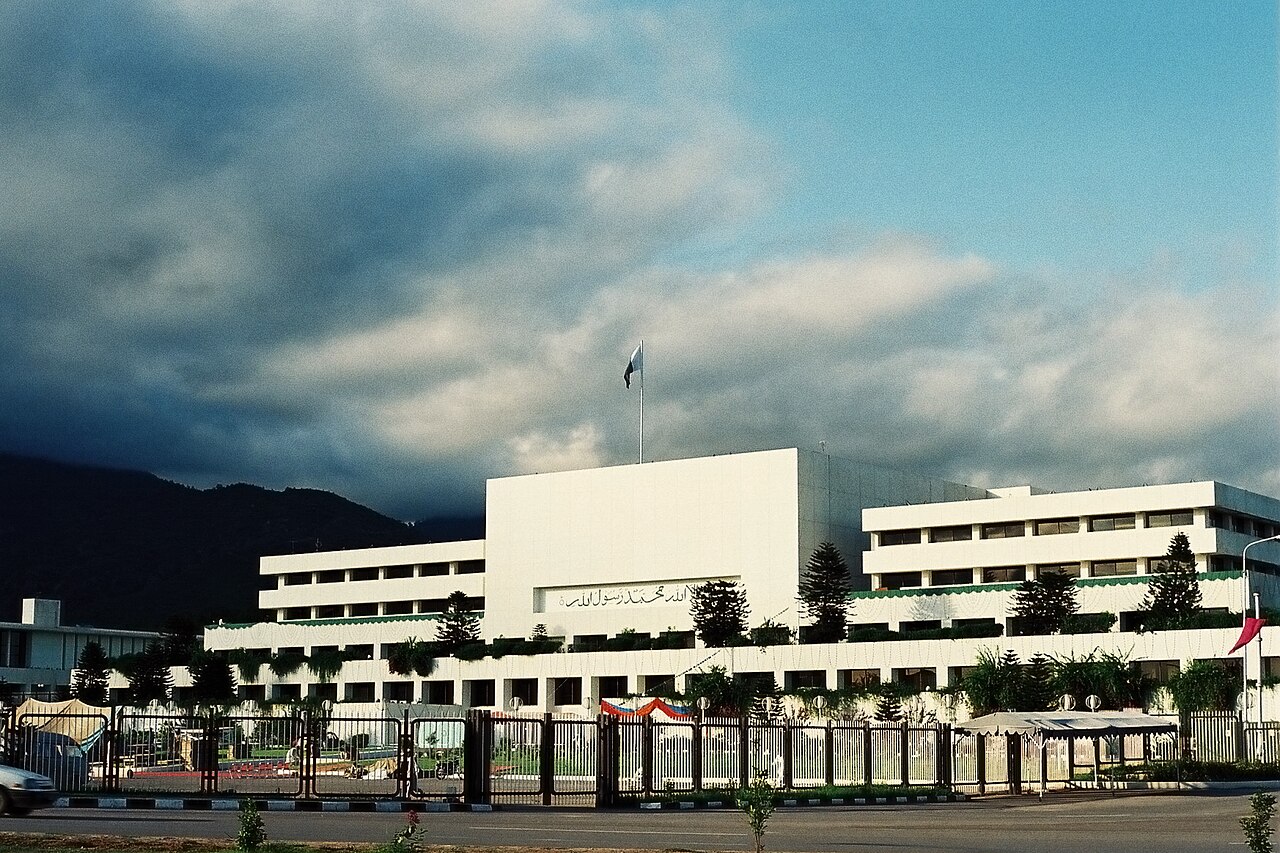
The Canadian delegation is headed by Tarik Ali Khan, the High Commissioner of Canada in Islamabad. The Pakistani delegation is headed by Jamil Ahmad Qureshi, Secretary of the Special Investment Facilitation Council. Both delegations also include officials from the relevant ministries and departments of their countries — a sign that this round is about substance, not ceremony.
Hosting the talks at the SIFC is itself a signal: the council was set up to cut red tape and make Pakistan easier to invest in.
What Pakistan said: a “significant milestone”
Speaking at the opening, SIFC Secretary Jamil Ahmad Qureshi said the conclusion of the BIT would be a “significant milestone” in Pakistan–Canada relations. A concluded treaty, he said, would give investors on both sides a predictable, transparent and stable legal framework, and that legal certainty would strengthen the flow of foreign direct investment between the two countries.
It is a fair pitch: deals stall less on opportunity than on legal fog — shifting rules, uncertain enforcement. A bilateral investment treaty is designed to clear exactly that fog.
What Canada said: early and balanced agreement
High Commissioner Tarik Ali Khan thanked Pakistan for hosting the round and for its constructive approach to the negotiations. He reaffirmed Canada’s commitment to an early and balanced agreement — one that serves the interests of both countries and their business communities.
What the three days are really about
Both sides agreed to continue deliberations on the follow-up items from the previous rounds, using the three days to cover as much ground as possible and move toward finalization of the treaty text.
That phrasing tells you the earlier rounds were substantive enough to generate homework on both sides. The third round is not starting from scratch — it is a working session aimed at closing out open items and moving the text toward finalization.
The sectors Canadian investors are watching
Four Pakistani sectors have drawn the interest of Canadian investors: Renewable Energy, Mining, Agriculture, and Information Technology.
The mining interest is easy to understand once you look at the numbers. Natural Resources Canada reported that 747 Canadian companies held C$240.6 billion in mining assets abroad in 2024, spread across 95 countries. When a country has that scale of mining capital deployed overseas, Pakistan’s mineral sector is a credible deal pipeline — provided the legal framework holds up.
The context: why this round is happening now
The third round did not come out of nowhere. On September 15, Pakistan and Canada agreed to accelerate negotiations on a Foreign Investment Promotion and Protection Agreement (FIPA), the investment-pact track these BIT talks sit on. The third round is that acceleration made visible.
The money is already starting to move. State Bank of Pakistan data for August 2026 showed Canada contributing around $50 million in net foreign direct investment — the second-largest source that month, after China. For a relationship that rarely features in Pakistan’s headline FDI stories, that is a notable figure, and it gives the negotiators a real-money backdrop to work against.
Related: Pakistan is also pushing an aggressive investment-raising agenda on other fronts — read our coverage of the plan to raise $1 billion through privatisation of five to six entities — while bilateral diplomacy continues elsewhere, including Oman’s foreign minister’s visit to Islamabad for the joint ministerial commission.
What happens next
For Pakistani exporters, IT firms and project developers, the takeaway is simple: watch this space. An early and balanced treaty, if it materializes, changes the legal arithmetic of every deal you pitch to a Canadian partner.