PM Forms 8-Member Committee to Review LPG Policy Reforms as Cylinder Prices Hit Rs7,200
Islamabad, Oct 31, 2026 — The price of the cooking-gas cylinder in your kitchen is now the subject of a prime ministerial review. Prime Minister Shehbaz Sharif has formed an eight-member ministerial committee to examine the Petroleum Division’s proposed reforms for liquefied petroleum gas (LPG), after marketing companies and dealers protested that the new policy…
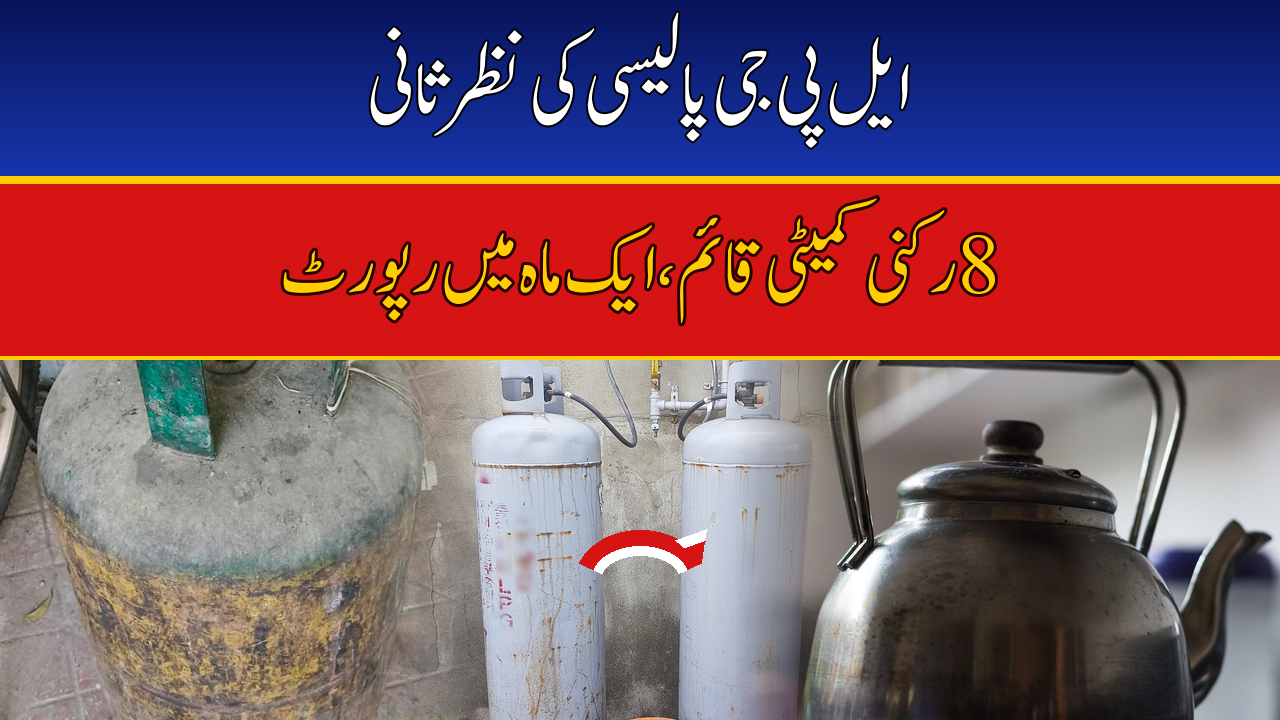
Islamabad, Oct 31, 2026 — The price of the cooking-gas cylinder in your kitchen is now the subject of a prime ministerial review. Prime Minister Shehbaz Sharif has formed an eight-member ministerial committee to examine the Petroleum Division’s proposed reforms for liquefied petroleum gas (LPG), after marketing companies and dealers protested that the new policy was being finalised without consulting them. The committee has one month to report back — and its recommendations will decide how LPG is imported, priced and sold across Pakistan.
The move matters to millions of households because the gap between the official LPG price and the price people actually pay has become enormous. The Oil and Gas Regulatory Authority (OGRA) notified Rs279.34 per kilogram for October 2026 — Rs3,296.23 for a standard domestic cylinder — yet market prices reported this month run from Rs6,000 to Rs7,200 for an 11.57kg cylinder. In some northern areas, dealers have charged as much as Rs750 per kilogram. The committee’s review is, in effect, the government’s attempt to close that gap before winter demand peaks.
Key facts: the LPG policy review committee
| Detail | Confirmed figure |
|---|---|
| Who formed the committee | Prime Minister Shehbaz Sharif, via a Prime Minister’s Office notification dated October 29, 2026 |
| Committee size | Eight members, headed by the federal petroleum minister as convener |
| Other members | Ministers for economic affairs and information; the PM’s adviser on interprovincial coordination; the special assistant on energy; the petroleum secretary; the director general for liquefied gases; the head of the Government Relations Unit |
| Deadline | One month to submit a comprehensive report and recommendations to the prime minister |
| What it will review | The Petroleum Division’s LPG sector reform plan; action against illegal LPG cylinders; the proposed local LPG model for the Economic Coordination Committee (ECC) |
| Why now | LPG marketing companies and dealers protested finalisation of the new policy without industry consultation; the policy had been scheduled to come into force within a week |
| Official October LPG price | Rs279.34 per kg (OGRA), or Rs3,296.23 for an 11.8kg domestic cylinder; September was Rs258.64 per kg |
| Market price now | Rs6,000–Rs7,200 for an 11.57kg cylinder, per Dawn; PBS weekly data put the 17-city average at Rs6,310.76 in the week ended October 22, up 22.44 per cent in one week |
| Proposed pricing change | State-owned enterprises take over LPG imports and monthly price-setting from OGRA, using import-parity pricing linked to Saudi Aramco rates and actual import costs |
| Proposed margin change | Minimum margin for LPG marketing and importing companies rises to Rs50,000 per tonne from Rs35,000 per tonne |
What the committee will actually decide
The committee’s brief covers three items. First, a detailed review of the LPG sector reform plan prepared by the Petroleum Division. Second, the report and implementation matrix on action against illegal LPG cylinders — a long-running safety and black-market problem. Third, the local LPG model proposed by the special assistant on energy, which is to go before the ECC. The committee must weigh all three and submit its recommendations within a month.
The reform plan itself is the big-ticket item. A cabinet summary seen by Dawn proposes that state-owned enterprises — Pakistan State Oil (PSO), the Sui companies, Pak-Arab Refinery Company (PARCO) and Pakistan LNG — enter the LPG import business and take over price-setting from the regulator. Monthly pricing would be retained, but calculated on an import-parity basis: the Saudi Aramco Contract Price plus actual import expenses. OGRA would stop issuing its monthly LPG price notifications. One report puts that switch as early as November 1, 2026, if the cabinet approves — but that date is reported, not yet a confirmed notification, and readers should treat it as pending.
The same summary proposes raising the minimum margin for LPG marketing and importing companies to Rs50,000 per tonne, up from Rs35,000, as an inflation adjustment. Industry sources argue the current margin no longer covers costs; consumer advocates will note that any margin increase feeds directly into the cylinder price unless import costs fall at the same time.
Why prices ran away from the official rate
Two supply shocks explain most of the gap. Trade across the Iranian border — a major LPG source for Pakistan — was halted, stranding tankers and cutting a supply line the country depends on; Pakistan imports nearly 70 per cent of its LPG requirement. Reduced sea shipments compounded the shortage. With supply tight ahead of winter, dealers charged what the market would bear, and the official rate became a fiction in many cities.
The Pakistan Bureau of Statistics (PBS) weekly data underline how fast the situation moved: the national average for an 11.67kg cylinder was Rs6,310.76 in the week ended October 22, against Rs5,154.16 a week earlier — a jump of Rs1,156.60, or 22.44 per cent, in seven days. Bahawalpur was dearest at Rs7,033.18 and Larkana cheapest at Rs5,600, but every one of the 17 cities PBS tracks was above Rs5,600. Dawn’s reporting of Rs6,000–Rs7,200 for a standard cylinder is consistent with that picture.
This is also why the committee’s work connects to a second, parallel change already in motion: the LPG pricing formula overhaul under which PSO, PARCO and SSGC LPG Limited are preparing to import LPG, with a new cost-and-freight formula expected to take effect from November 1. Readers can follow that story in our earlier report on the LPG pricing formula overhaul and November 1 imports. The committee review and the formula change are separate tracks — one reviews policy, the other rewrites the price maths — but both land in the same month and both affect the same cylinder.
What happens next
Three dates matter. The committee’s report is due within one month of the October 29 notification, so by late November. The cabinet’s decision on the pricing proposal — including whether OGRA’s notification role ends from November 1 — is still pending. And the separate import formula change is expected, per industry expectations reported earlier, to take effect from November 1. Households should therefore expect November to be a month of moving prices: the official rate, the import formula and the committee’s recommendations will all be in play at once.
For consumers, the practical advice has not changed: buy from licensed dealers, ask for the price per kilogram, weigh the cylinder (a domestic cylinder should hold about 11.8kg of gas on top of its empty weight), keep the receipt, and complain to OGRA or the district administration if charged above the notified rate. The committee’s review is, at its core, about whether that notified rate will mean anything again — and who gets to set it.
Related energy coverage: OGRA’s October RLNG price hike of up to 15.27 per cent and our petrol prices in Pakistan guide track the same cost pressures in gas and fuel.
Frequently asked questions
What is the new LPG committee and who heads it?
Prime Minister Shehbaz Sharif has formed an eight-member ministerial committee to review the Petroleum Division’s proposed LPG policy reforms. It is headed by the federal petroleum minister as convener and includes the economic affairs and information ministers, the PM’s adviser on interprovincial coordination, the special assistant on energy, the petroleum secretary, the director general for liquefied gases and the head of the Government Relations Unit. It must report within one month.
Why was the committee formed?
LPG marketing companies and dealers protested that the new LPG policy was being finalised without consulting them, and the policy had been scheduled to come into force within a week. The committee gives the government a month to review the reform plan, action against illegal cylinders and the proposed local LPG model before final decisions are taken.
What is the official LPG price versus the market price?
OGRA notified Rs279.34 per kilogram for October 2026, equal to Rs3,296.23 for an 11.8kg domestic cylinder. Market prices reported this month are far higher: Rs6,000–Rs7,200 for an 11.57kg cylinder, and PBS data put the 17-city average at Rs6,310.76 in the week ended October 22, 2026.
What pricing change is proposed?
State-owned enterprises — PSO, the Sui companies, PARCO and Pakistan LNG — would enter LPG imports and take over monthly price-setting from OGRA, using import-parity pricing linked to Saudi Aramco rates and actual import costs. OGRA would stop issuing monthly LPG price notifications. The cabinet has not yet approved this, so it remains a proposal.
Will LPG get cheaper or costlier after the reforms?
That is not yet decided. The proposed margin for marketing and importing companies rises to Rs50,000 per tonne from Rs35,000, which pushes prices up unless import costs fall. The government’s stated aim is to end shortages and restore a credible official price; whether consumers pay less depends on the committee’s recommendations and the cabinet’s final decision.
What should consumers do if overcharged for LPG?
Buy from licensed dealers, ask for the price per kilogram, weigh the cylinder (about 11.8kg of gas for a domestic cylinder), keep the receipt or a photo of the price, and complain to OGRA or the district administration if charged above the notified rate.