Pakistan and UK Draft Mineral Mapping Pact to Unlock Mining Investment
By Bilal Ahmed | Updated: 18 November 2026 Pakistan and the United Kingdom have drafted a mineral mapping pact that could change how the world sees Pakistan’s underground wealth. The British Geological Survey (BGS) and the Geological Survey of Pakistan (GSP) have prepared a draft agreement to map the country’s mineral deposits together, share research…
By Bilal Ahmed | Updated: 18 November 2026
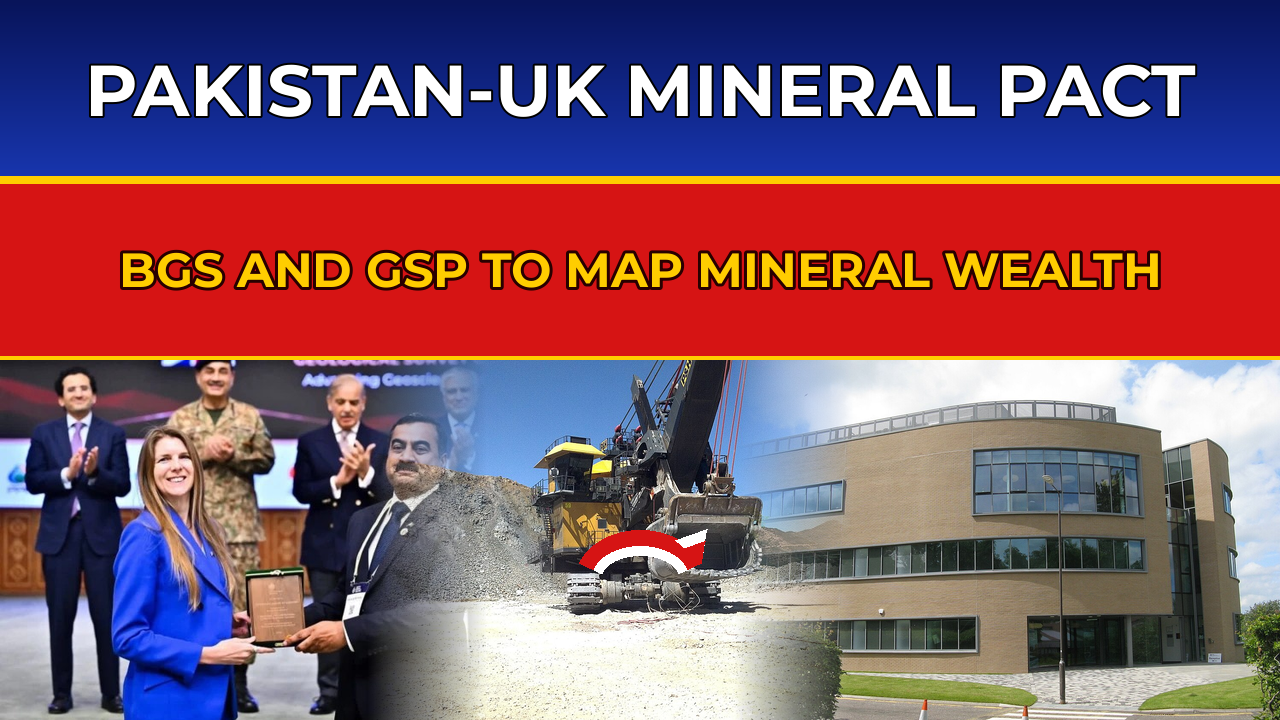
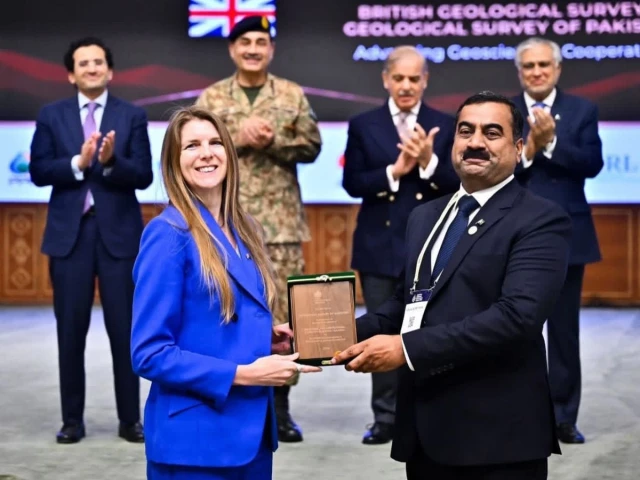
Pakistan and the United Kingdom have drafted a mineral mapping pact that could change how the world sees Pakistan’s underground wealth. The British Geological Survey (BGS) and the Geological Survey of Pakistan (GSP) have prepared a draft agreement to map the country’s mineral deposits together, share research and exchange geological data — the kind of groundwork investors need before they put money into mines. The deal is still in draft form and awaits final institutional clearance, but it was formally outlined by British High Commissioner Jane Marriott at the Pakistan Minerals Investment Forum in Islamabad on 13 November 2026.
It matters because Pakistan is sitting on serious mineral wealth and earning very little from it. Mining contributes less than 2 percent of the country’s GDP, even though the country holds significant deposits of copper, gold, chromite, coal, salt and industrial minerals. The missing piece, in the words of the British High Commission, is credible geological data — the maps and surveys that tell a mining company exactly where to explore before it commits to drilling.
Pakistan-UK Mineral Mapping Pact at a Glance
| Detail | What We Know |
|---|---|
| Parties | British Geological Survey (BGS) and Geological Survey of Pakistan (GSP) |
| Status | Draft memorandum of understanding, subject to final institutional clearance |
| Announced | 13 November 2026, Pakistan Minerals Investment Forum, Jinnah Convention Centre, Islamabad |
| Announced by | British High Commissioner Jane Marriott |
| Coverage | Geological mapping, joint research, data sharing, critical minerals, environmental sustainability |
| Training done | 16-week UK-funded programme for GSP staff under the REMIT programme |
| Mining share of GDP | Less than 2 percent |
What the Draft Agreement Actually Covers
The draft memorandum of understanding is not a mining deal itself. It is the framework underneath one. Under the proposed agreement, the two geological surveys will work together on geological mapping, scientific research and data sharing, with the stated aim of giving Pakistan stronger evidence and better skills for more responsible and transparent mineral development.
Three areas stand out in the British High Commission’s announcement. First, joint research and better geological data — the surveys and maps that de-risk exploration for investors. Second, critical minerals, the metals and rare earth elements that feed batteries, electronics and defence supply chains and are now at the centre of global competition. Third, the environmental impact of mining, so that development does not repeat the damage seen at older mine sites around the world.
The agreement would also create a long-term framework for cooperation covering knowledge sharing, skills development and training. That last part is not a promise for the future. It has already started.
The Training Has Already Happened
Before the ink is even dry on the draft, Pakistani survey staff have completed 16 weeks of UK-funded technical training under the Revenue Mobilisation, Investment and Trade (REMIT) programme. The training covered digital geological surveying, geochemical sampling, airborne geophysics, geographic information systems (GIS) mapping software and spectral remote sensing, using internationally recognised methods.
That detail matters more than it sounds. Modern mineral exploration is less about pickaxes and more about data: airborne sensors that read the rocks from above, satellite imagery that picks out geological features invisible to the eye, and GIS software that turns it all into maps an investor can trust. A survey team trained in those methods can produce the kind of evidence that turns a hopeful guess about a deposit into a bankable prospect.
REMIT is a UK-funded programme that supports Pakistan in building a stronger, more competitive and sustainable economy, working with the government on revenue mobilisation, the business and investment environment, trade and reforms that unlock private investment.
Why Pakistan Needs Better Maps Before It Needs More Mines
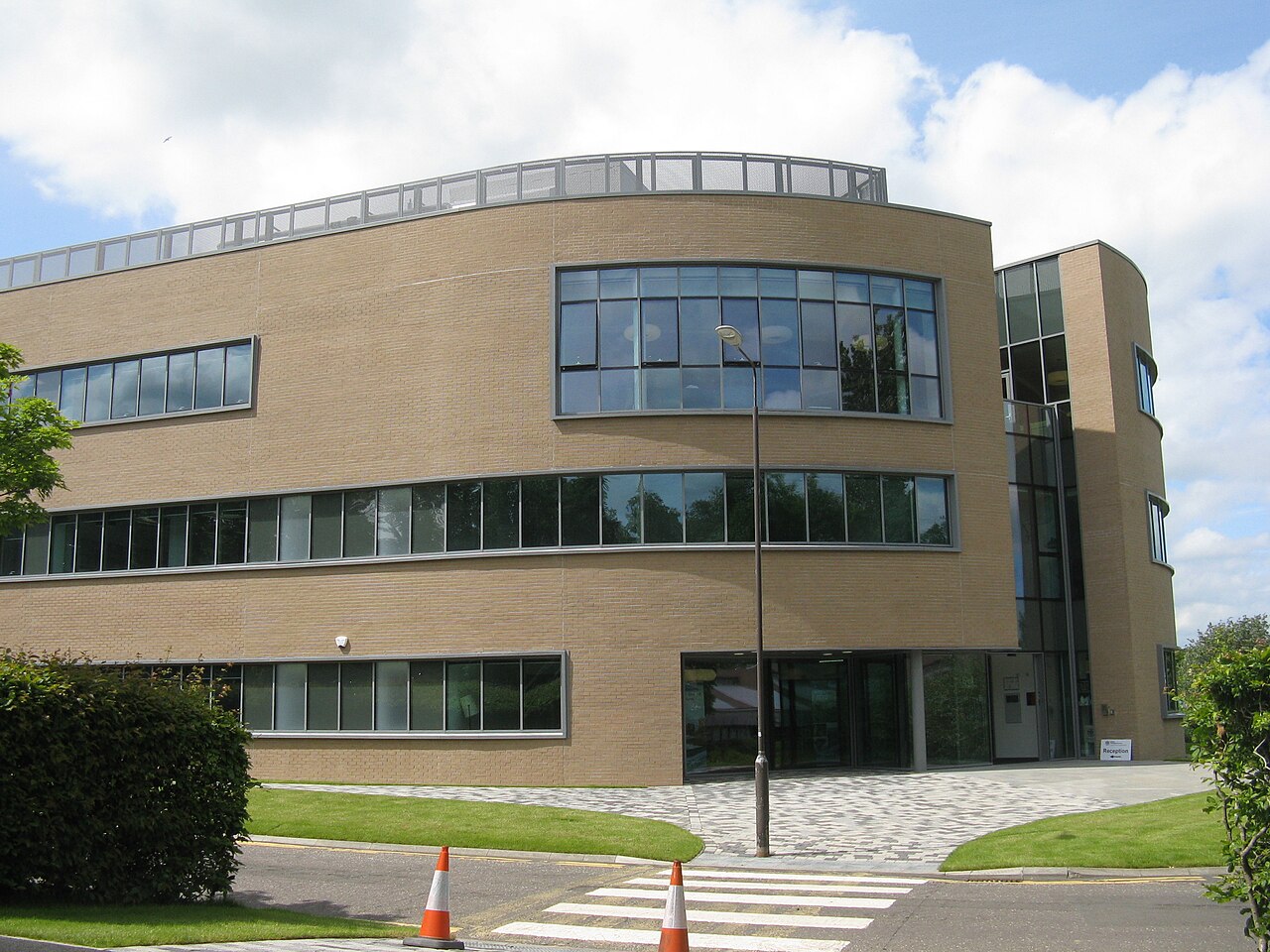
Pakistan’s mineral paradox is well known. The country has copper, gold, chromite, coal and salt in the ground, yet mining is worth less than 2 percent of GDP. Investors have stayed cautious for a simple reason: without reliable, modern geological data, exploring is a gamble. Companies will not spend millions drilling holes on the basis of old or patchy maps.
Jane Marriott put it bluntly at the forum: “Pakistan has extraordinary mineral potential. Turning that potential into sustainable jobs for the local community, exports and investment requires credible geological data, strong institutions and responsible environmentally sustainable and transparent supply chains.”
She added that the UK was proud to bring together world-class British expertise and Pakistani capability to strengthen these foundations, build investor confidence and create lasting economic opportunities for communities across Pakistan.
The logic is straightforward. Better maps mean cheaper, faster exploration. Cheaper exploration means more companies willing to look. And more companies looking means Pakistan can finally charge for what is under its soil, rather than watching it stay there.
Reko Diq: The Prize That Shows Why This Matters
No story about Pakistan’s minerals is complete without Reko Diq. The undeveloped copper and gold deposit in Balochistan is Pakistan’s largest mining prospect, and it shows both the promise and the problem. Canada’s Barrick Mining Corporation operates the project and holds a 50 percent stake. But in April 2026, Barrick said it would slow development and extend its project review until mid-2027 because of worsening security in Pakistan and the wider region.
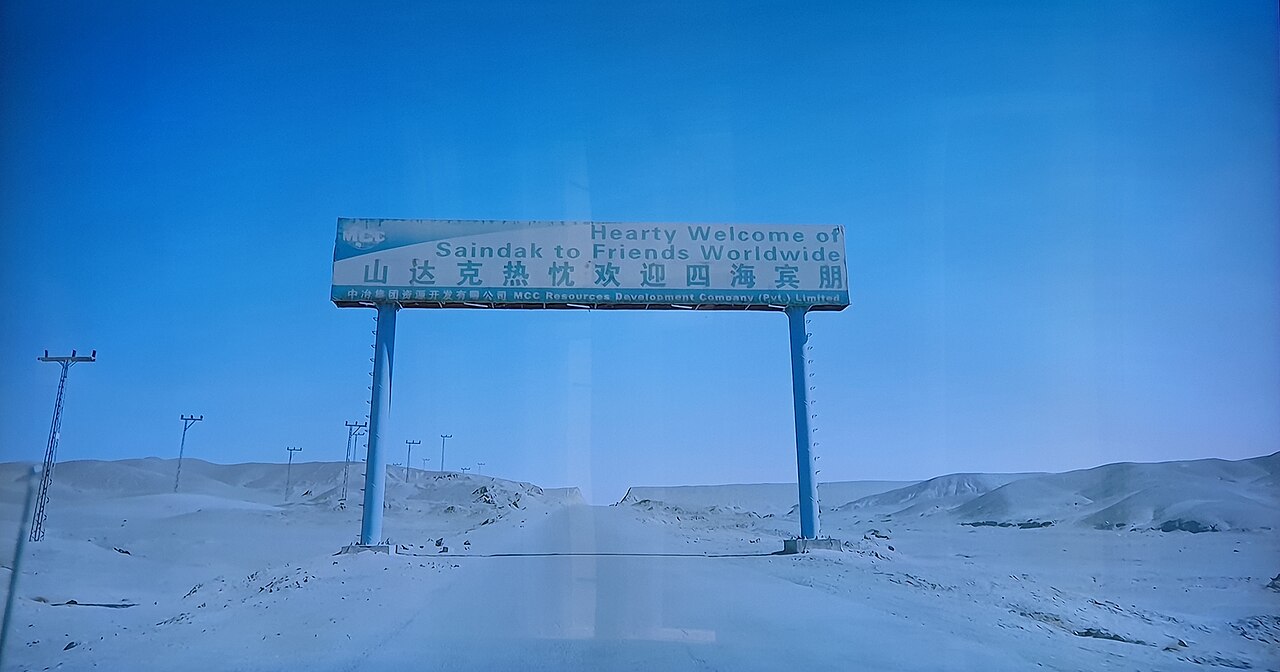
Balochistan is also home to the Saindak copper and gold mine, one of the few large mines actually operating in the country. The contrast between Reko Diq’s stalled potential and Saindak’s working mine is exactly the gap better geological data is meant to close: investors need to see credible evidence before they commit, and they need to see that the institutions around a project can manage it responsibly.
The Wider Minerals Push: 13 Deals and a US Partnership
The BGS-GSP draft agreement did not arrive on its own. It was outlined at the Pakistan Minerals Investment Forum 2026 in Islamabad, a two-day gathering that produced 13 agreements and memorandums of understanding with foreign companies and geological agencies. Prime Minister Shehbaz Sharif used the forum to press a clear message: investors should build processing and refining facilities in Pakistan, so the country earns more from its minerals than it does from exporting them raw.
Pakistan has also been courting American investment in mineral processing. In 2025, US Strategic Metals and Pakistan’s Frontier Works Organization signed a memorandum of understanding envisaging about $500 million in investment, and an initial shipment of mineral samples sent to the United States included antimony, copper concentrate and rare earth elements. The UK pact fits the same pattern: Pakistan is lining up the technical partnerships first, so that the investment that follows rests on real data rather than promises.
That sequencing is the point. A country that can show investors proper maps, trained survey teams and transparent rules is a very different proposition from one asking for trust on the basis of geology alone.
Pakistan’s Mineral Assets at a Glance
| Mineral / Asset | Where It Stands |
|---|---|
| Reko Diq (copper and gold) | Largest prospect, in Balochistan; Barrick holds 50 percent; development slowed, review extended to mid-2027 |
| Saindak (copper and gold) | Operating copper and gold mine in Balochistan |
| Chromite, coal, salt | Significant deposits across Pakistan, alongside industrial minerals |
| Critical minerals | Rare earth elements and antimony among the resources drawing US and UK interest |
| Mining share of GDP | Less than 2 percent — the gap the mapping pact aims to close |
What Happens Next
The draft agreement still needs final institutional clearance on both sides before it is signed. Once it is, the real work begins: joint mapping programmes, shared research and the steady build-up of a geological database that investors can rely on.
Two things are worth watching. The first is whether the agreement is signed quickly and turned into actual survey work, rather than left as another memorandum. The second is whether the data it produces starts showing up in investment decisions — new exploration licences, new drilling programmes, and eventually new mines. The government’s wider push to raise investment through privatisation and economic reform will only work if the underlying assets, including minerals, are properly documented and marketed.
For now, the pact is a modest but meaningful step: two geological surveys agreeing to share what they know, so that Pakistan’s mineral wealth stops being a rumour and starts being a measurable, investable fact. As with the Asian Development Bank’s $500 million financing approval for Pakistan, the test will be in the delivery, not the announcement.
Frequently Asked Questions
What is the Pakistan-UK mineral mapping pact?
It is a draft memorandum of understanding between the British Geological Survey (BGS) and the Geological Survey of Pakistan (GSP) to work together on geological mapping, research and data sharing, so Pakistan has better evidence about its mineral deposits for investors.
Has the BGS-GSP agreement been signed yet?
No. The agreement is in draft form and is subject to final institutional clearance on both sides. It was outlined by British High Commissioner Jane Marriott at the Pakistan Minerals Investment Forum in Islamabad on 13 November 2026.
Why does Pakistan need better mineral maps?
Mining contributes less than 2 percent of Pakistan’s GDP despite significant copper, gold, chromite and coal deposits. Investors need credible, modern geological data before they commit money to exploration and drilling, and better maps lower that risk.
What training have Pakistani survey staff already received?
GSP staff completed a 16-week UK-funded training programme under the REMIT programme, covering digital geological surveying, geochemical sampling, airborne geophysics, GIS mapping software and spectral remote sensing.
What is Reko Diq and why does it matter?
Reko Diq is Pakistan’s largest mining prospect, an undeveloped copper and gold deposit in Balochistan. Barrick Mining Corporation operates it and holds a 50 percent stake. In April 2026 Barrick said it would slow development and extend its project review until mid-2027 because of security concerns.
What other mineral deals has Pakistan signed recently?
The Pakistan Minerals Investment Forum in November 2026 produced 13 agreements and memorandums of understanding. Separately, in 2025 US Strategic Metals and Pakistan’s Frontier Works Organization signed an MoU envisaging about $500 million in critical minerals investment.