PM Allocates Rs6.8 Billion for Diabetes Prevention as Pakistan Marks World Diabetes Day
By Fatima Raza | 14 November 2026 | Updated: 14 November 2026 Prime Minister Shehbaz Sharif has allocated Rs6.8 billion for the Prime Minister’s Programme for Prevention and Control of Diabetes Mellitus, announcing the funding in his message on World Diabetes Day, observed on 14 November 2026. The programme will expand screening, strengthen early diagnosis…
By Fatima Raza | 14 November 2026 | Updated: 14 November 2026
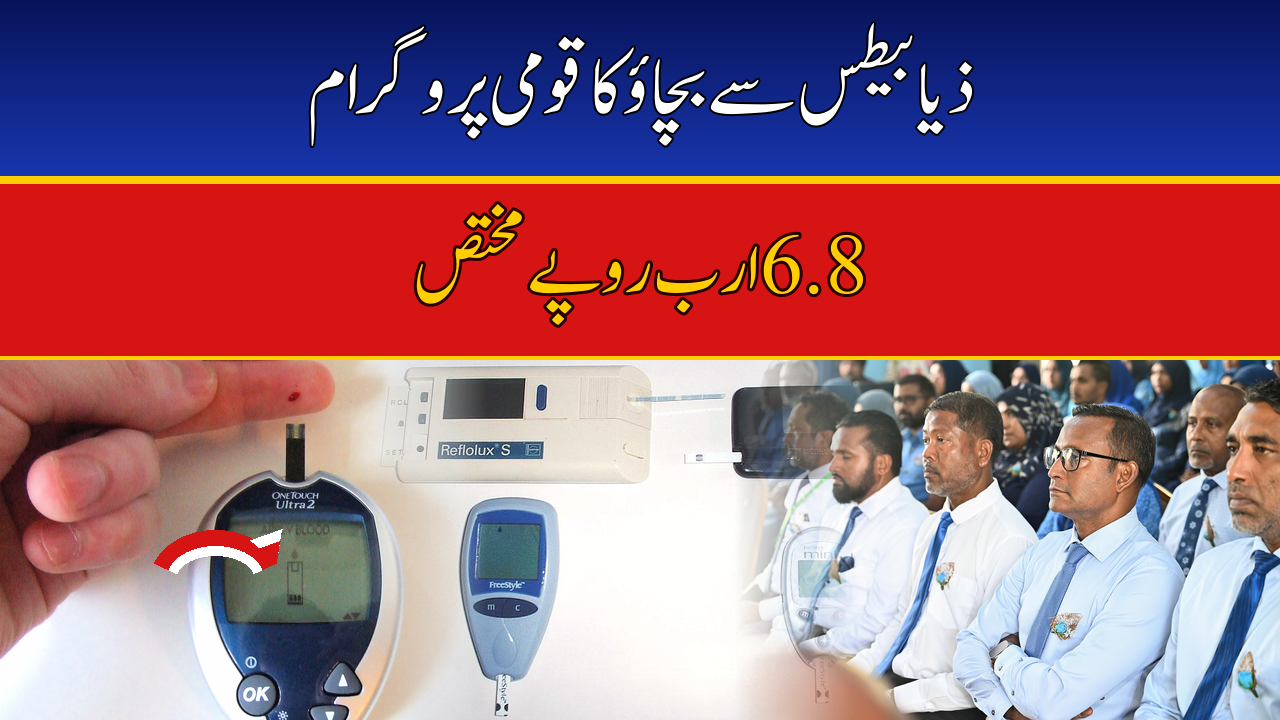
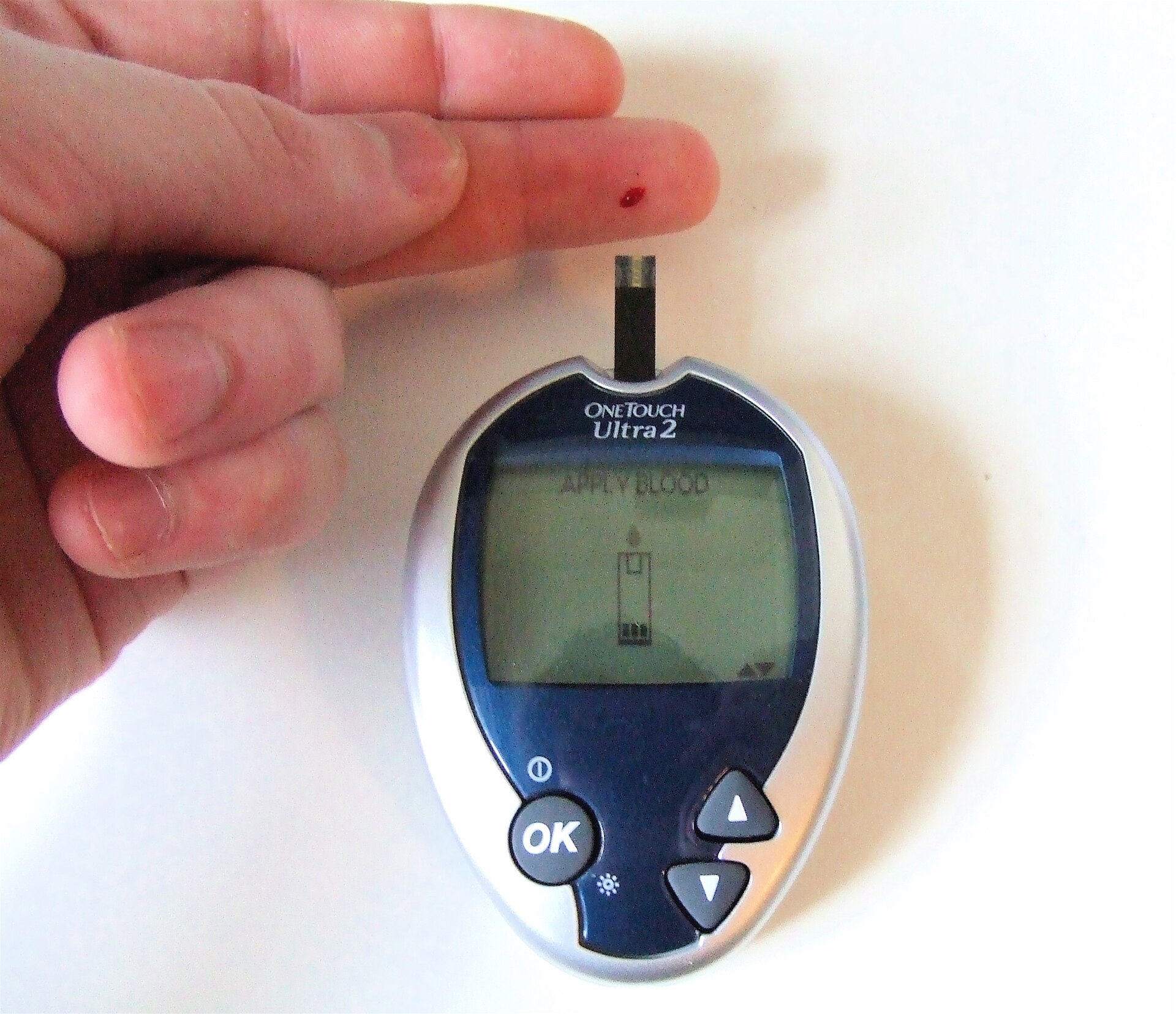
Prime Minister Shehbaz Sharif has allocated Rs6.8 billion for the Prime Minister’s Programme for Prevention and Control of Diabetes Mellitus, announcing the funding in his message on World Diabetes Day, observed on 14 November 2026. The programme will expand screening, strengthen early diagnosis and improve access to treatment — at a time when the International Diabetes Federation estimates that 34.5 million adults in Pakistan were living with diabetes in 2024, and more than one-quarter of them did not know they had it.
What was announced on World Diabetes Day
In his message, the prime minister said diabetes was emerging as a serious public health concern in Pakistan and needed a coordinated national response, and that the federal government had allocated Rs6.8 billion for a comprehensive programme to tackle the rising burden of the disease.
The announcement came as Pakistan joined the rest of the world in marking World Diabetes Day on 14 November. This year’s theme, “Early Action on Diabetes”, puts the spotlight on timely screening and medical intervention — catching the disease early can prevent serious complications and save lives.
President Asif Ali Zardari issued a separate message on the day, calling on all Pakistanis to make prevention, healthy living and early diagnosis a national priority, and urging governments, healthcare professionals, schools, the media and civil society to run coordinated awareness campaigns throughout the year — in Urdu and regional languages — with simple, practical guidance on prevention, warning signs, and when and where to seek screening.
Punjab Chief Minister Maryam Nawaz also issued a message, describing diabetes as a silent enemy that can be controlled through precautionary measures, awareness and a disciplined lifestyle. She said health was a fundamental right of every citizen and that the Punjab government was working to take healthcare facilities to people’s doorsteps.
| Key fact | Detail |
|---|---|
| Announcement | Rs6.8 billion for the Prime Minister’s Programme for Prevention and Control of Diabetes Mellitus |
| Announced by | Prime Minister Shehbaz Sharif, World Diabetes Day message |
| Date | World Diabetes Day, 14 November 2026 |
| 2026 theme | “Early Action on Diabetes” |
| Adults with diabetes in Pakistan | 34.5 million in 2024 (IDF estimate) |
| Undiagnosed share | More than one-quarter of them |
| WHO support | WHO Representative Dr Luo Dapeng reaffirmed WHO support |
The scale of diabetes in Pakistan
The numbers behind the announcement are stark. According to the International Diabetes Federation, 34.5 million adults in Pakistan were living with diabetes in 2024, and more than one-quarter of them were undiagnosed — millions of people living with a serious condition they do not know about, and therefore not getting any treatment for it.
That is exactly why this year’s theme matters. Diabetes can develop quietly, often without obvious symptoms in its early stages. President Zardari noted that it can develop without obvious symptoms, which is why awareness campaigns should encourage people to seek professional advice about their risks and the right testing. Found late, the disease’s complications — damage to the eyes, kidneys, nerves and heart — are already under way.
The World Health Organization has described the situation in similar terms, putting the number of people affected in Pakistan at around 34.5 million. The WHO has stressed that prevention and early diagnosis are essential to timely medical care, and its Representative in Pakistan, Dr Luo Dapeng, reaffirmed the organisation’s commitment to working with the federal government on prevention, early detection and timely treatment.

| Diabetes in Pakistan, by the numbers | Figure |
|---|---|
| Adults living with diabetes (2024) | 34.5 million (IDF) |
| Share undiagnosed | More than one-quarter |
| Programme allocation | Rs6.8 billion |
| WHO weekly activity guidance | At least 150 minutes per week |
| World Diabetes Day | 14 November every year |
What the programme will do
The programme is built around three practical goals: widening screening coverage so cases are found early, improving primary healthcare services, and enhancing access to diagnosis and treatment.
Beyond testing and treatment, the programme also focuses on promoting healthy lifestyles, raising public awareness and improving coordination between federal and provincial governments. The prime minister stressed that curbing diabetes required sustained investment, effective policies, greater awareness and collective responsibility.
President Zardari added that early diagnosis must be followed by affordable treatment and continuing care — finding the disease is only the first step.
On the provincial front, Punjab Chief Minister Maryam Nawaz said insulin kits were being delivered to the homes of children with Type 1 diabetes for the first time, and that millions of medicine boxes were also being delivered to patients’ homes for diabetes and other diseases.
What has not been announced: no screening-centre counts, rollout dates or hospital-by-hospital details were given in the reports today, and this article does not add any.
Who is at risk, and what are the warning signs?
Type 2 diabetes — the far more common form — is linked to family history, age, weight and lifestyle. President Zardari noted that many cases can be prevented or delayed through a balanced diet, regular physical activity, a healthy weight and avoiding tobacco, and urged citizens to cut sugary drinks and foods high in sugar and unhealthy fats.
Health authorities commonly list these warning signs that should prompt a check-up: passing urine far more often than usual, especially at night; constant thirst; unexplained weight loss; constant tiredness; blurred vision; and cuts or sores that heal slowly. None of these on its own proves diabetes, and diabetes can also be present with no symptoms at all — which is precisely why screening matters. Anyone who notices these signs, or who has a family history of diabetes, should ask a qualified doctor about getting tested.
The practical advice from the day’s messages was consistent: regular exercise, a balanced and nutritious diet, routine medical check-ups and timely consultation with qualified healthcare professionals. The WHO recommends at least 150 minutes of physical activity every week.
Readers following other large prevention campaigns may also want to see how they are run: Khyber Pakhtunkhwa is currently vaccinating millions of girls against HPV in schools, as reported in our coverage of the KP HPV vaccination campaign for 2.9 million girls.
What it means for patients
For the millions of Pakistanis already living with diabetes, the announcement matters most if it turns into easier testing and steadier treatment: fewer people discovering the disease only after complications have set in, and more basic health units able to test, advise and refer.
That last point matters: a test result on its own does not help a patient who cannot afford medicine or follow-up visits, especially for low-income families and people in rural and remote areas.

The Punjab government’s home delivery of insulin kits for children with Type 1 diabetes, mentioned by the chief minister, is a reminder that diabetes is not only an adult disease: children with Type 1 diabetes need insulin every day of their lives.
Public-health campaigns of this kind sit alongside other government health support readers may already use. The Sehat Card eligibility check for Punjab and KP explains who qualifies for free treatment under the health card scheme, and our report on the prime minister’s free breast cancer screening pledge covers another recent screening promise from the same office.
As the prime minister put it, reducing the burden of diabetes requires collective responsibility — government investment, individual habits and community awareness. “Let us turn awareness into everyday action,” the president said.
Frequently asked questions
What is the Prime Minister’s Programme for Prevention and Control of Diabetes Mellitus?
A federal programme announced by Prime Minister Shehbaz Sharif on World Diabetes Day, 14 November 2026, to expand diabetes screening, strengthen early diagnosis and improve access to treatment. The federal government has allocated Rs6.8 billion for it.
How many people in Pakistan have diabetes?
According to the International Diabetes Federation, 34.5 million adults in Pakistan were living with diabetes in 2024. The World Health Organization has cited the same figure of around 34.5 million people affected.
Why are so many cases undiagnosed?
More than one-quarter of the 34.5 million adults with diabetes in Pakistan were undiagnosed, according to the IDF estimates cited by the president. Diabetes can develop without obvious symptoms, so many people do not know they have it until complications appear — which is why early screening is the focus of this year’s campaign.
What is this year’s World Diabetes Day theme?
The 2026 theme is “Early Action on Diabetes”, highlighting the importance of timely screening and medical intervention to prevent complications and save lives.
What does the Rs6.8 billion cover?
According to the prime minister’s message, the allocation funds wider screening coverage for early detection, stronger primary healthcare, better access to diagnosis and treatment, healthy-lifestyle promotion, public awareness and federal-provincial coordination. No centre counts or rollout dates were announced.
How can I reduce my risk of type 2 diabetes?
The key steps, according to the messages issued on World Diabetes Day, are a balanced diet, regular physical activity, maintaining a healthy weight and avoiding tobacco. The WHO recommends at least 150 minutes of physical activity every week, along with healthier eating and routine health screenings. Anyone with risk factors or warning signs should consult a qualified healthcare professional about testing.