Blood Pressure Chart by Age & Gender — Normal, High, Low Ranges
Blood Pressure Chart by Age & Gender — Normal, High, Low Ranges So the clinic nurse wrote something like “142/91” on your report and moved on. Now you’re home, staring at two numbers, wondering what they mean and whether you should be worried. This blood pressure chart gives you the full picture — the standard…
Blood Pressure Chart by Age & Gender — Normal, High, Low Ranges
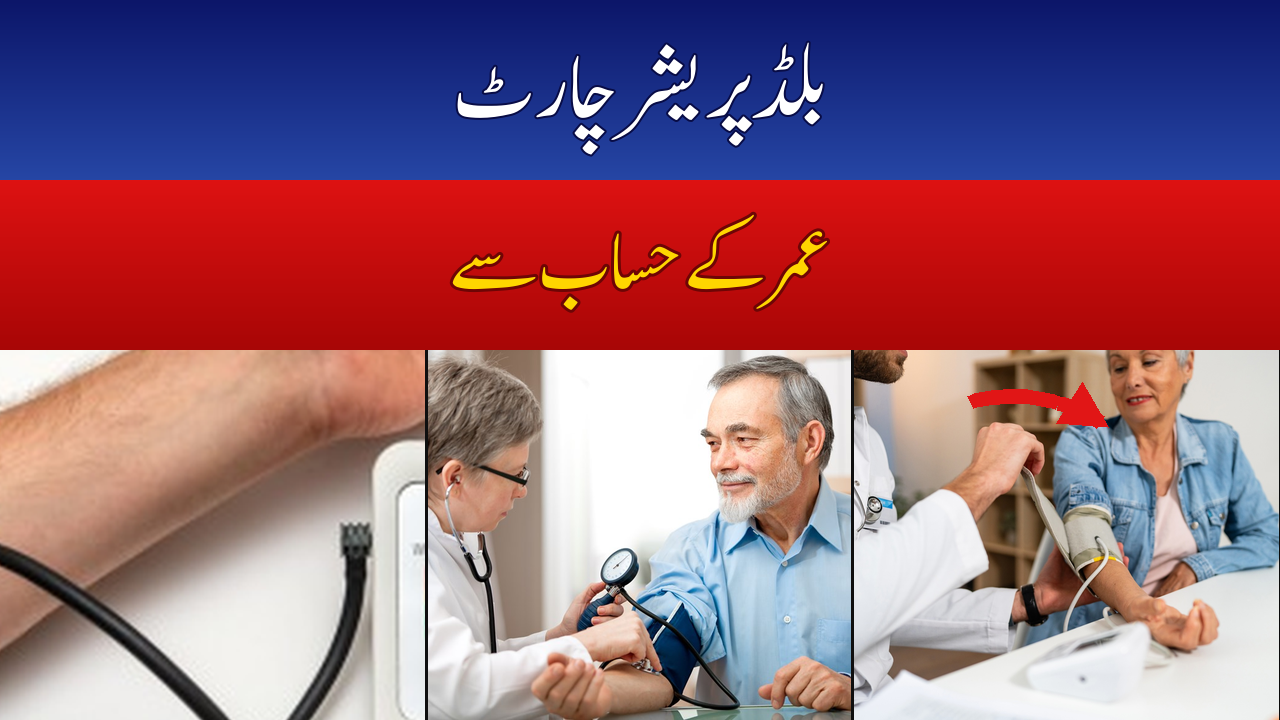
So the clinic nurse wrote something like “142/91” on your report and moved on. Now you’re home, staring at two numbers, wondering what they mean and whether you should be worried. This blood pressure chart gives you the full picture — the standard categories used by the American Heart Association (AHA), what each range means, how readings differ by age and gender, and the practical stuff that actually matters for a Pakistani household: the extra salt in our food, the evening chai habit, and when it’s time to talk to a doctor instead of Googling.
What Do the Two Numbers Mean?
Every reading has two parts. The top number (systolic) is the pressure inside your arteries when your heart beats and pushes blood out. The bottom number (diastolic) is the pressure when your heart rests between beats. Think of it like this: systolic is the force of the push, diastolic is the quiet pause in between.
That’s why a reading is always said as a pair — 120/80 means 120 systolic over 80 diastolic, measured in mmHg (millimetres of mercury). To be in the “normal” category, both numbers have to qualify. But for the high blood pressure categories, only one number crossing the line puts you in that band.
Blood Pressure Categories — The Standard Chart (AHA)
These are the current standard categories from the AHA and American College of Cardiology guidelines, used by doctors in Pakistan and worldwide:
| Category | Systolic (top) | Diastolic (bottom) | What it means | |
|---|---|---|---|---|
| Normal | Below 120 | and | Below 80 | Healthy range — keep up the lifestyle |
| Elevated | 120–129 | and | Below 80 | A warning sign; lifestyle changes usually advised |
| Stage 1 hypertension | 130–139 | or | 80–89 | High blood pressure — see your doctor |
| Stage 2 hypertension | 140 or higher | or | 90 or higher | Needs medical treatment and monitoring |
| Hypertensive crisis | Higher than 180 | and/or | Higher than 120 | Seek emergency care immediately |
| Low (hypotension) | Below 90 | or | Below 60 | Often fine if no symptoms; see doctor if dizzy |
What Your Reading Means — In Plain Words
Normal (below 120/80). This is where you want to be. It doesn’t mean you’ll never get high blood pressure — readings creep up with age — but it means things are working well right now. The chai can stay; maybe just don’t have six cups.
Elevated (120–129, bottom number below 80). Think of this as a yellow light. You’re not in hypertension yet, but you’re headed toward it. Doctors usually recommend lifestyle changes here rather than medicine — less salt, regular walking, weight control. Most people in Pakistan never hear about this category until they’re already past it. Now you know it early.
Stage 1 (130–139 or 80–89). This is officially high blood pressure. Your doctor will talk to you about lifestyle changes and, depending on your age, diabetes, kidney function, and overall heart risk, may or may not start medicine. Don’t panic at one number — but do book that clinic visit.
Stage 2 (140 or higher, or 90 or higher). At this level, doctors almost always combine lifestyle changes with medication. This is the range where people start discovering their high BP because of headaches, shortness of breath, or nosebleeds — or, worse, discover it only during an emergency. Get it treated and keep taking the medicine exactly as prescribed, even when you feel perfectly fine.
Hypertensive crisis (above 180/120). This is an emergency, especially with chest pain, trouble breathing, vision changes, or numbness. Don’t wait for the numbers to come down on their own — get to a hospital.
Low blood pressure (below 90/60). For many people, low readings with no symptoms are completely fine — especially young, healthy women. It becomes a problem when it causes dizziness on standing, fainting, unusual fatigue, or blurred vision. Dehydration in Pakistani summers is one of the most common causes.
Normal Blood Pressure by Age
The diagnostic categories above apply to adults of all ages — a reading of 140/90 means the same thing at 30 and at 70. But average healthy readings do drift slightly upward with age, because arteries naturally stiffen over time. These are the typical figures:
| Age group | Typical healthy range | Note |
|---|---|---|
| Children (3–12) | Around 90–110 / 55–70 | Varies with height and weight; paediatric charts are used |
| Teens (13–18) | Around 110–120 / 65–75 | Girls often run slightly lower than boys |
| Adults 20s–30s | Around 115–120 / 75–80 | The baseline decade — keep it here |
| Adults 40s | Around 120–125 / 75–80 | The decade when readings start creeping up |
| Adults 50s | Around 125–130 / 75–80 | Systolic rises more than diastolic with age |
| Adults 60+ | Around 130–140 / 75–85 | Higher systolic is common; doctors individualise targets |
Important: this age table shows typical healthy averages, not diagnosis cutoffs. Your doctor decides what’s right for you based on your whole health picture — an older adult with heart disease may have different targets than a fit 65-year-old.
Blood Pressure by Gender
Men and women don’t differ much in the categories, but there are real patterns. Men tend to develop high blood pressure earlier — often in their 40s — while women’s readings often rise after menopause, catching up and sometimes passing men’s. Pregnant women are a separate case: a reading of 140/90 or higher after the 20th week of pregnancy needs prompt medical attention, because it can signal preeclampsia — a serious condition. If you are pregnant and your readings are rising, call your doctor the same day.
When to See a Doctor
Book a clinic visit soon if:
- Your home readings are consistently 130/80 or above over several days.
- A single reading is 140/90 or higher and a repeat reading after sitting quietly for 5 minutes is still high.
- You have low readings with symptoms — dizziness, fainting, unusual tiredness, blurred vision.
- You are pregnant and your reading hits 140/90 or above.
- You take BP medicine and feel fine — that’s not a reason to skip the doctor; it means the medicine is working.
Go to the emergency room if your reading is above 180/120 and you have chest pain, shortness of breath, back pain, numbness or weakness, vision changes, or trouble speaking. Don’t drive yourself.
Practical Tips for Pakistani Households
Medicine matters when prescribed, but most high BP in Pakistan has a very fixable lifestyle side. These are the ones doctors here actually emphasise:
1. Watch the namak. Our food is delicious and salty. Most of the salt doesn’t come from the salt shaker — it comes from breads, pickles, chaats, processed foods, and restaurant meals. You don’t have to eat bland food; just cut back gradually and your taste adjusts within weeks.
2. Move daily. A brisk 30-minute walk — the kind that makes you slightly breathless — most days of the week. Evenings after Maghrib are popular in Pakistan for a reason. Start small; consistency beats intensity.
3. Fix the weight. Even losing 5–10% of body weight makes a real difference to blood pressure. Crash diets fail; steady home-cooked eating wins.
4. Cut the chai-and-cigarette pattern. Too much caffeine raises readings temporarily, and smoking narrows blood vessels for hours. If you smoke, quitting is the single biggest thing you can do for your arteries.
5. Handle the stress. Chronic tension — job pressure, family worries, financial stress — keeps blood pressure elevated. Sleep matters too; poor sleep is strongly linked to higher readings. Aim for 7–8 hours.
6. Measure correctly at home. Sit quietly for 5 minutes first, feet flat, back supported, arm at heart level, cuff on bare skin. No talking, no crossed legs, no chai in the 30 minutes before. One bad measurement technique is the most common reason for scary home numbers.
Frequently Asked Questions
What is a normal blood pressure reading?
For adults, below 120/80 mmHg is normal according to the AHA guidelines. Both numbers must be below those thresholds — if either one is higher, you fall into the elevated or hypertension categories.
Is 130/85 high blood pressure?
Yes — 130/85 falls into Stage 1 hypertension, because the systolic (130–139) and diastolic (80–89) bands both apply. A single reading doesn’t confirm a diagnosis, though; talk to your doctor about repeated measurements before drawing conclusions.
What blood pressure requires emergency care?
A reading higher than 180/120, especially with symptoms like chest pain, trouble breathing, vision problems, or numbness, is a hypertensive crisis — seek emergency medical care immediately.
Can low blood pressure be dangerous?
Below 90/60 is generally considered low, but many healthy people — especially young women — live with such readings and feel fine. It only becomes a concern when it causes dizziness, fainting, unusual fatigue, or blurred vision. If you have symptoms, see your doctor.
Does blood pressure go up with age?
Systolic pressure typically rises with age as arteries stiffen; diastolic often levels off or even falls after the 50s. That’s why isolated high systolic readings are common in older adults. The diagnostic categories are the same at every adult age, though individual targets may be adjusted by your doctor.
Is this article medical advice?
No. This article is for general information only and is not medical advice. Never diagnose yourself, start medicine, or stop prescribed medicine based on a chart — consult a qualified doctor about your own readings and health.