Pakistan, Oman Sign Six Agreements at 8th Joint Ministerial Commission Session
By Fatima Raza | Pakistan Desk | October 15, 2026 | Updated: October 15, 2026 Pakistan and Oman signed six cooperation agreements and memorandums of understanding in Islamabad on Wednesday, closing the eighth session of the Pakistan-Oman Joint Ministerial Commission (JMC) with a push for deeper trade, energy, workforce and media ties. Prime Minister Shehbaz…
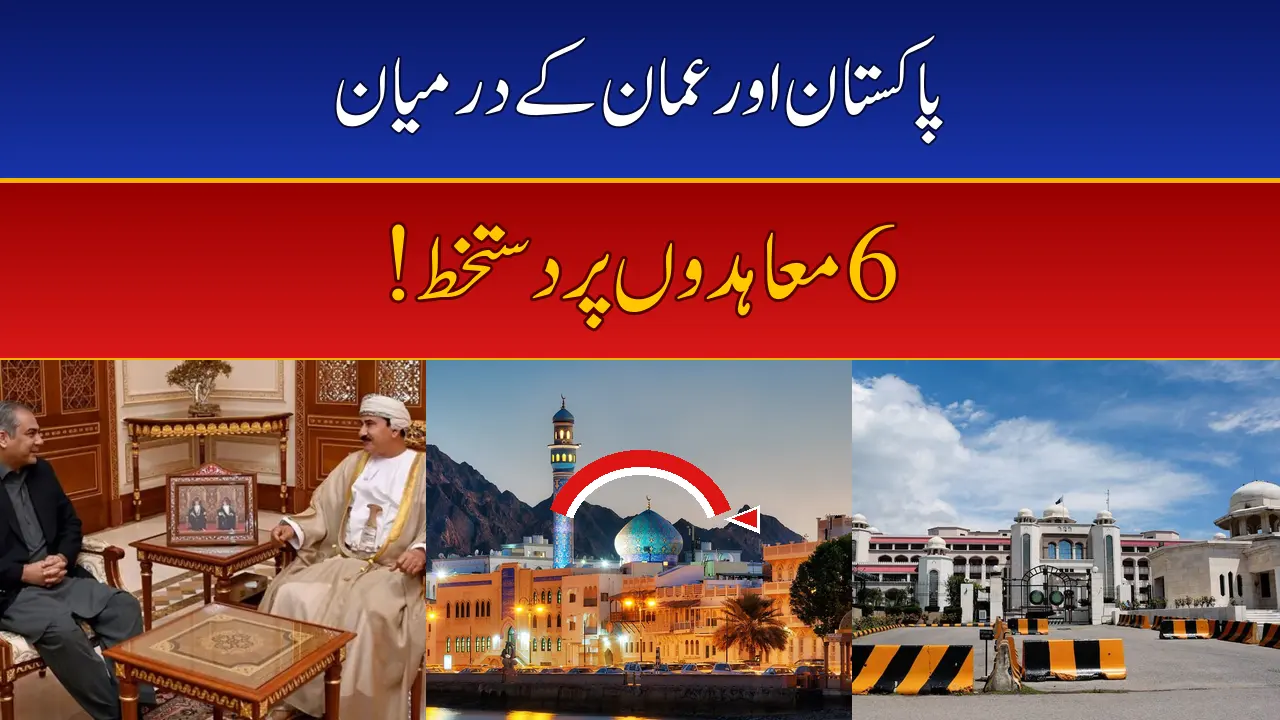
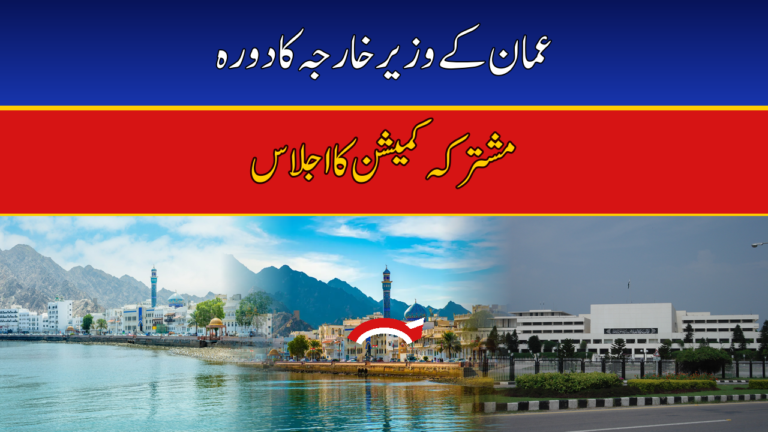
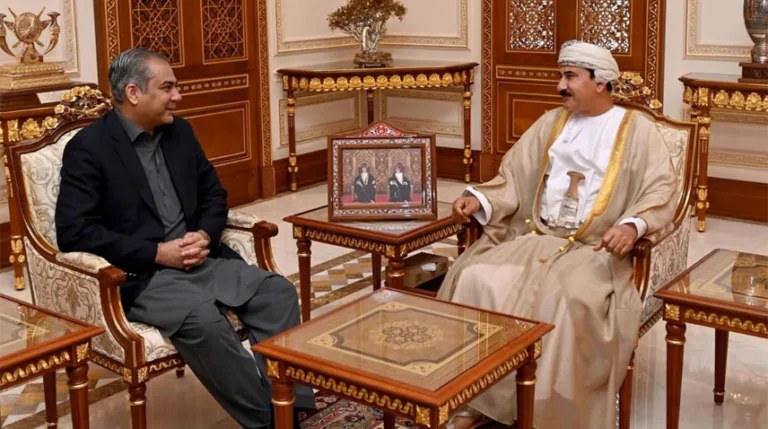
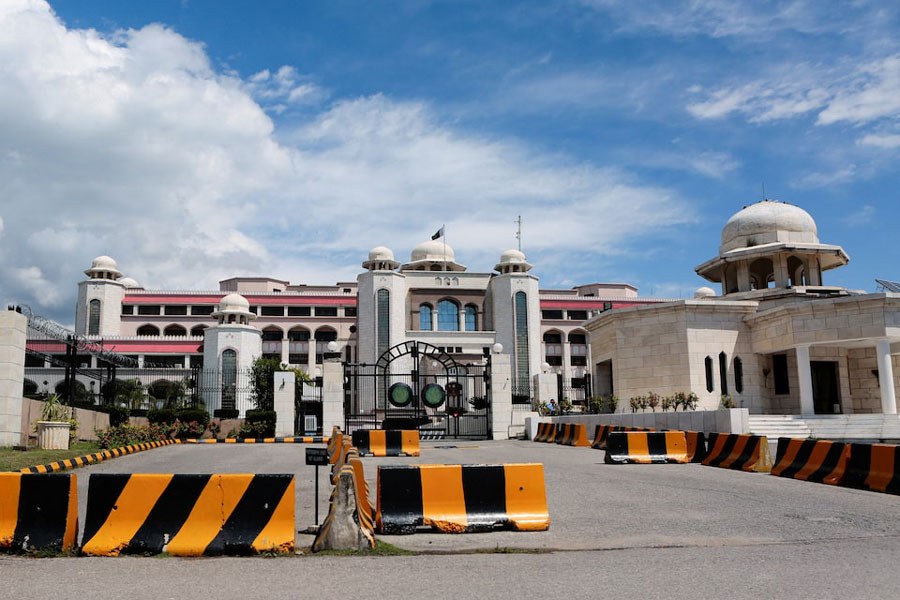
Pakistan and Oman signed six cooperation agreements and memorandums of understanding in Islamabad on Wednesday, closing the eighth session of the Pakistan-Oman Joint Ministerial Commission (JMC) with a push for deeper trade, energy, workforce and media ties. Prime Minister Shehbaz Sharif witnessed the exchange of documents at the Prime Minister’s House, while the session itself was co-chaired by Deputy Prime Minister and Foreign Minister Ishaq Dar and Omani Foreign Minister Sayyid Badr bin Hamad bin Hamood Al Busaidi.
It was a full day of diplomacy. The Omani foreign minister, who was in Islamabad on a two-day visit (October 13-14) at Dar’s invitation, also held a joint press interaction with his Pakistani counterpart where both sides stressed that dialogue and diplomacy — not conflict — are the only way forward on the Middle East, particularly the US-Iran standoff and the Houthi attacks on Saudi Arabia.
Key Facts: Pakistan-Oman 8th JMC
- What: 8th session of the Pakistan-Oman Joint Ministerial Commission, with 6 agreements/MoUs exchanged.
- When: Wednesday, October 14, 2026, in Islamabad.
- Co-chairs: Deputy PM & FM Ishaq Dar (Pakistan) and FM Sayyid Badr bin Hamad bin Hamood Al Busaidi (Oman).
- Witnessed by: Prime Minister Shehbaz Sharif at the Prime Minister’s House.
- Signed by ministers: Dar and Al Busaidi signed three documents (JMC minutes protocol, diplomatic visa exemption, records & archives MoU); federal ministers for Information & Broadcasting and IT & Telecommunications signed the other three.
- Big institutional outcome: Joint working groups on trade & investment, agriculture, oil & gas, and labour & human resource development established and operationalised.
- Next session: The 9th JMC session will be held in Oman.
What Was Signed: The Six Documents
The six documents cover governance, mobility, memory institutions, and the media-tech bridge between the two countries. Three were signed directly by the two foreign ministers:
- Protocol on the minutes of the 8th JMC session — the formal record of everything agreed at this session, the document that turns discussion into accountable commitments.
- Agreement on Mutual Visa Exemption for Holders of Diplomatic, Special, Official and Service Passports — holders of official passports on both sides can now travel without the usual visa formalities. Anyone who has ever dealt with official travel paperwork knows this one quietly saves hours of red tape for government delegations.
- MoU on Records and Archives — cooperation between national archives, covering preservation and exchange of historical records.
The remaining three were signed by the federal ministers for Information & Broadcasting and for IT & Telecommunications:
- MoU on information and broadcasting — closer cooperation between state broadcasters and media institutions.
- MoU on IT and telecommunications — a sector both countries are actively trying to grow; Pakistan’s IT exports and Oman’s digital diversification plans make this one worth watching.
- MoU on news exchange and media cooperation — structured sharing of news content between the two countries’ media outlets.
Working Groups: Where the Real Work Happens
Agreements make headlines; working groups make things happen. Dar told the media that a key outcome of the session was the establishment and operationalisation of joint working groups on four pillars: trade & investment, agriculture, oil & gas, and labour & human resource development.
That last one matters enormously for Pakistan. Hundreds of thousands of Pakistanis work in Oman, and a dedicated labour-and-HR working group is the mechanism that turns broad promises about “workforce mobility” into actual recruitment channels, protections, and skills programs. The discussions also ranged across ports and logistics, energy, food security, information technology, tourism, and education, with both ministers calling for greater engagement between the two countries’ business communities.
For a Pakistani exporter, the takeaway is concrete: Oman is positioning itself as a trade gateway, and these working groups are now the official follow-up channel for every decision taken at the commission.
Strait of Hormuz: The Maritime Conversation
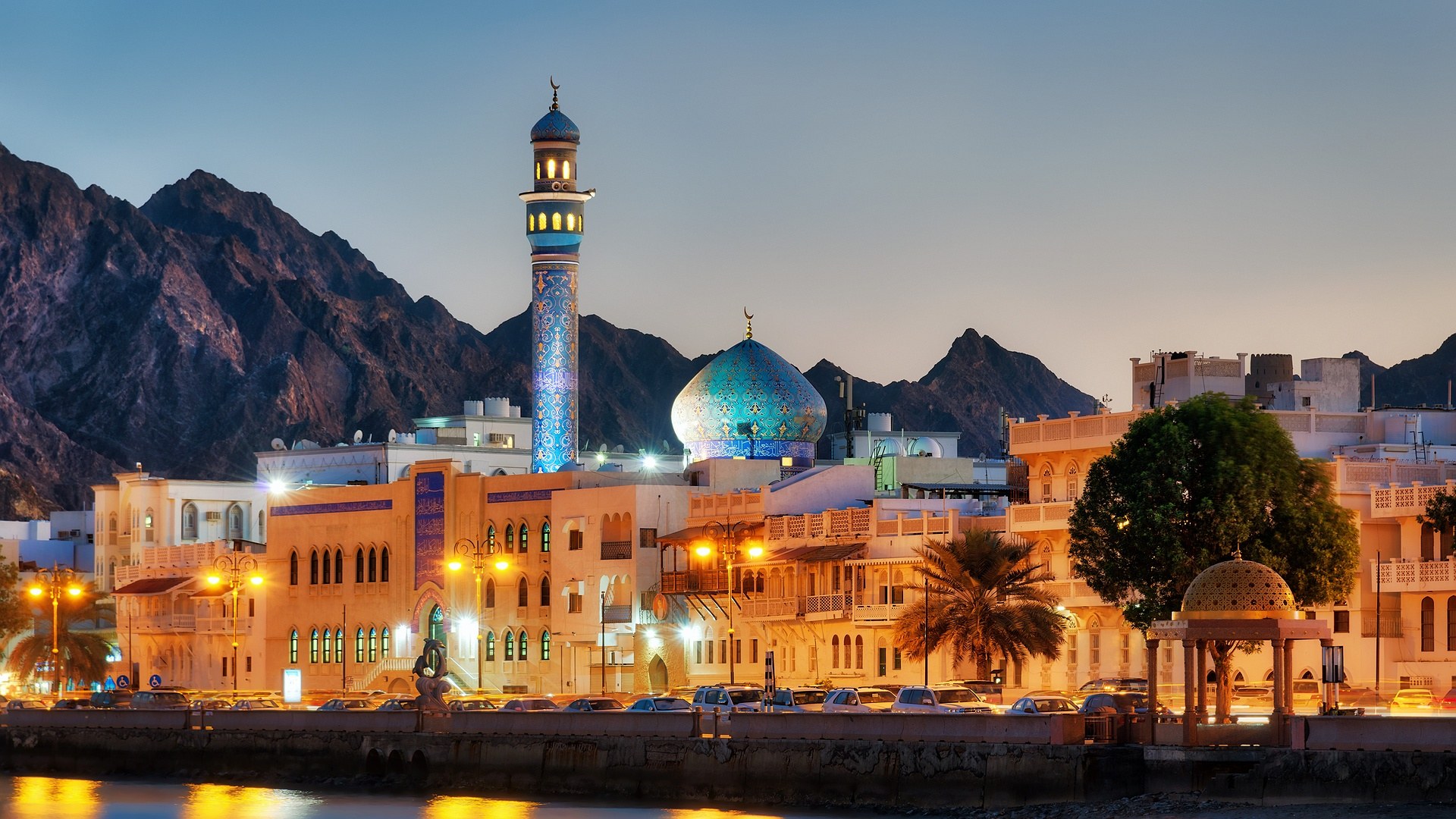
Beyond economics, the two ministers put a hard security-economics point on the table: safety and freedom of navigation through the Strait of Hormuz and Bab al-Mandab, the two chokepoints through which global energy and food supplies flow. With Gulf tensions running high, that emphasis is not ceremonial — both Pakistan and Oman are maritime-facing states whose economies breathe through those straits.
On the regional situation, Al Busaidi said the two sides shared the view that sustained diplomatic engagement is essential to prevent further escalation. Dar echoed it plainly: “We have commonality of view that dialogue and diplomacy is the only way forward. Conflict is no solution to any issue in the world.”
The Omani minister’s trip itself carried a regional signal. Soon after arriving in Islamabad on Tuesday night, he spoke with Iranian Foreign Minister Abbas Araghchi about regional developments, including Yemen — Oman has long played the quiet mediator’s role in the Gulf, and that phone call, reported by Dawn, fit the pattern.
Shehbaz Sharif’s Meeting: “Brotherly Country”
When PM Shehbaz Sharif received Al Busaidi, he called Oman a “brotherly country, an important maritime neighbour and a valuable partner”, expressed satisfaction over the successful JMC session, and noted the convergence of views between the two countries on regional and global issues. He also appreciated Muscat’s consistent emphasis on dialogue and diplomacy.
The timing is part of a wider diplomatic week for Islamabad. The JMC session followed hot on the heels of the Omani foreign minister’s two-day Pakistan visit announcement we covered on October 13 — and sits in the same week as other high-level engagements, including the Pakistan-Russia extradition treaty discussions. Pakistan’s foreign ministry is visibly stacking bilateral wins across multiple fronts this month.
Why This Matters for Pakistanis
Strip away the protocol and three things here have real-world weight. One: the labour and human-resource working group directly touches Pakistani workers in Oman — the largest human bridge between the two countries. Two: the oil-and-gas and ports discussions sit on top of Pakistan’s long-running search for energy and logistics partners on the Gulf side of the Arabian Sea. Three: the IT and telecom MoU plugs Pakistan’s fastest-growing export sector into Oman’s diversification plans.
The 9th JMC session will be held in Oman, which means Muscat gets the next turn to set the agenda. If these working groups meet as scheduled before that session, this week’s six signatures could turn out to be the quiet beginning of a genuinely busier bilateral relationship.
Frequently Asked Questions
How many agreements did Pakistan and Oman sign on October 14, 2026?
Six agreements and memorandums of understanding were exchanged at the Prime Minister’s House in Islamabad, witnessed by PM Shehbaz Sharif. Three were signed by the two foreign ministers and three by the federal ministers for Information & Broadcasting and IT & Telecommunications.
Who co-chaired the 8th Pakistan-Oman Joint Ministerial Commission?
Deputy Prime Minister and Foreign Minister Ishaq Dar co-chaired the session with Omani Foreign Minister Sayyid Badr bin Hamad bin Hamood Al Busaidi, who was on a two-day visit to Pakistan (October 13-14) at Dar’s invitation.
What is in the Pakistan-Oman visa exemption agreement?
It grants mutual visa exemption to holders of diplomatic, special, official and service passports — meaning government officials travelling between Pakistan and Oman on official passports no longer need to go through normal visa formalities.
Which joint working groups were established at the JMC?
Four: trade & investment, agriculture, oil & gas, and labour & human resource development. These groups will handle regular engagement and follow-up on the commission’s decisions between sessions.
What did Pakistan and Oman say about the Strait of Hormuz?
Both foreign ministers underscored the importance of ensuring the safety and freedom of navigation through the Strait of Hormuz and Bab al-Mandab, key maritime routes for global energy and food supplies, and stressed that dialogue and diplomacy are the only path to regional stability.
When and where is the next Pakistan-Oman JMC session?
The ninth session of the Joint Ministerial Commission will be held in Oman, as agreed at the conclusion of the 8th session in Islamabad.