Pakistan, Russia Agree to Finalise Extradition Treaty After Naqvi–Kolokoltsev Meeting in Islamabad
Islamabad, Oct 14, 2026: Pakistan and Russia agreed on Wednesday to finalise an extradition treaty and a prisoner-exchange agreement, and to sign a memorandum of understanding on preventing organised crime and sharing information. The decisions came out of delegation-level talks between Interior Minister Mohsin Naqvi and Russian Interior Minister Vladimir Kolokoltsev at the Ministry of…
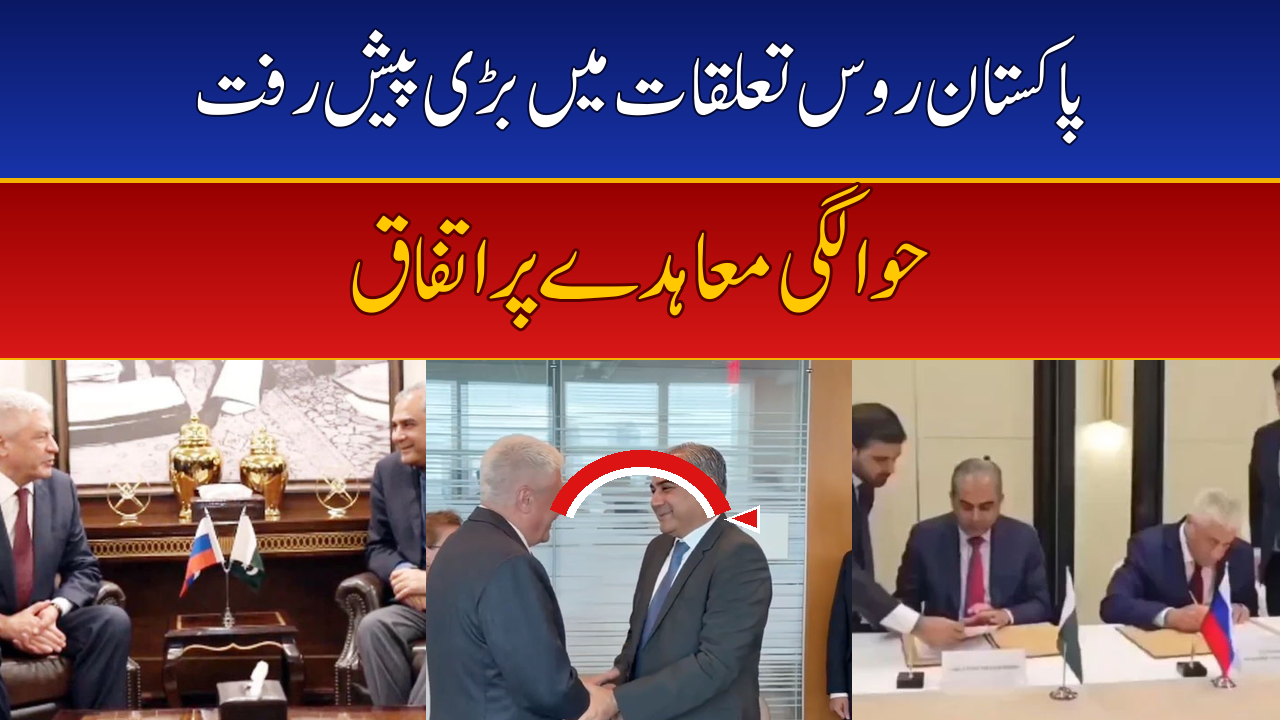
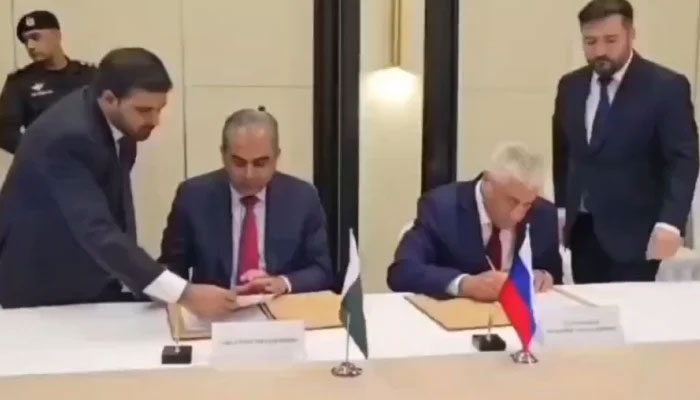
Islamabad, Oct 14, 2026: Pakistan and Russia agreed on Wednesday to finalise an extradition treaty and a prisoner-exchange agreement, and to sign a memorandum of understanding on preventing organised crime and sharing information. The decisions came out of delegation-level talks between Interior Minister Mohsin Naqvi and Russian Interior Minister Vladimir Kolokoltsev at the Ministry of Interior, the centrepiece meeting of Kolokoltsev’s four-day visit, the first ever to Pakistan by a Russian interior minister.
It was a packed agenda: early implementation of the readmission agreement, deeper Anti-Narcotics Force cooperation with Russian agencies, police-academy linkups, and working-group visits to both countries soon. Cybercrime got its own spotlight: Kolokoltsev said Russia has cut it by 33 per cent, and Naqvi said Pakistan wants to learn how.
Here is what was decided, why it matters, and what to watch next.
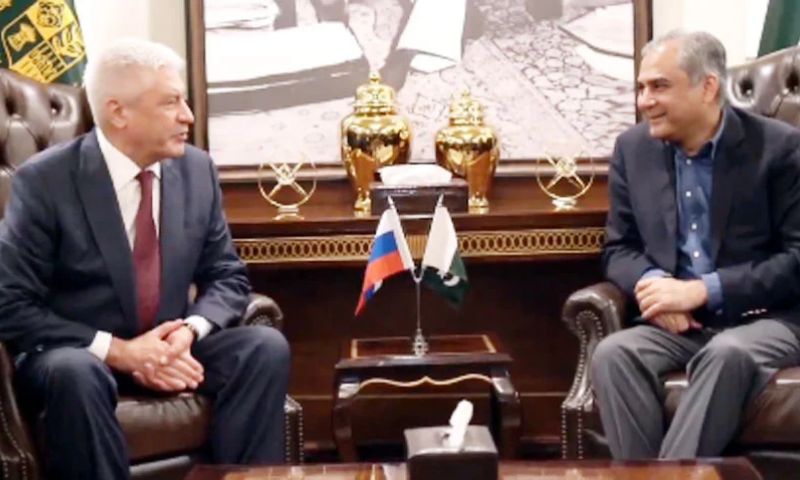
Deal at a glance: Naqvi–Kolokoltsev talks, Islamabad, Oct 14
- Extradition treaty: both sides agreed to finalise it
- Prisoner-exchange agreement: to be finalised alongside
- Organised-crime MoU: to be signed; Naqvi called it a “major milestone”
- Readmission agreement: early implementation agreed
- Anti-Narcotics Force: enhanced cooperation with Russian agencies
- Working groups: interior-ministry teams to visit each other’s countries soon
- Police academies: Pakistan’s NPA to cooperate with the Russian police academy
- Cybercrime: joint prevention; Kolokoltsev cited a 33% cut in Russia
- Manpower and visas: skilled Pakistani workers for Russia discussed; simpler visas for tourists and businesspeople
- Students: about 1,300 Pakistanis currently studying in Russia; both sides want more
The extradition treaty, explained
Why does this matter? Because right now there is no extradition treaty between Pakistan and Russia. If a fugitive wanted in one country slips into the other, there is no standing legal framework to bring them back. A treaty fixes that: it defines which offences qualify, how requests are made, and what safeguards apply.
The prisoner-exchange agreement tackles a different, more human problem: convicted Pakistanis in Russian prisons and Russians in Pakistani jails serving the rest of their terms closer to home. For their families, that clause may matter more than anything else announced on Wednesday.
The readmission agreement is about taking back your own: citizens found residing illegally in the other country get returned through an agreed process. The two sides first moved on this at the SCO interior ministers’ meeting in Bishkek in June; Wednesday was about turning paper into practice. Kolokoltsev also pushed for faster information exchange and closer Interpol cooperation.
Cybercrime takes centre stage
The most quotable line of the day came from the Russian minister: Russia has cut cybercrime by 33 per cent through effective measures, and Moscow is willing to share the playbook. Naqvi took him up on it on the spot.
The talks named the actual threats: telephone scams, phishing, and cryptocurrency pyramid schemes. The people who would have to act on it were in the room: the DGs of the FIA, the National Cyber Crime Investigation Agency, and Passport. On training, the two sides agreed to link Pakistan’s National Police Academy with the Russian police academy, with expanded professional-development programmes for Pakistani specialists.
Visas, workers and 1,300 students
Not everything was about crime. Both ministers agreed to simplify visa procedures for tourists and the business community, with Naqvi arguing easier travel is the fastest route to people-to-people contact. They also discussed sending skilled Pakistani manpower to Russia, an opened door rather than a done deal, with no numbers or timelines announced. And on education: about 1,300 Pakistani students are currently in Russia, and Pakistan wants that number to grow.
A first-ever visit — and a packed Wednesday
Kolokoltsev landed in Islamabad on Monday, October 12, at Naqvi’s invitation and was received by Minister of State Talal Chaudhry. No Russian interior minister has ever visited Pakistan before, which is why the four-day trip (October 12–15) is being billed as a new chapter.
Wednesday was the busiest day. Before the interior ministry talks, Kolokoltsev called on Chief of Defence Forces and Army Chief Field Marshal Asim Munir at GHQ in Rawalpindi, where ISPR said both sides stressed closer institutional links. The delegation talks drew a heavyweight guest list: Talal Chaudhry, the Russian ambassador, the DG FIA, DG NCCIA, DG Passport, and the Commandant of the National Police Academy.
The road here: Bishkek and New York
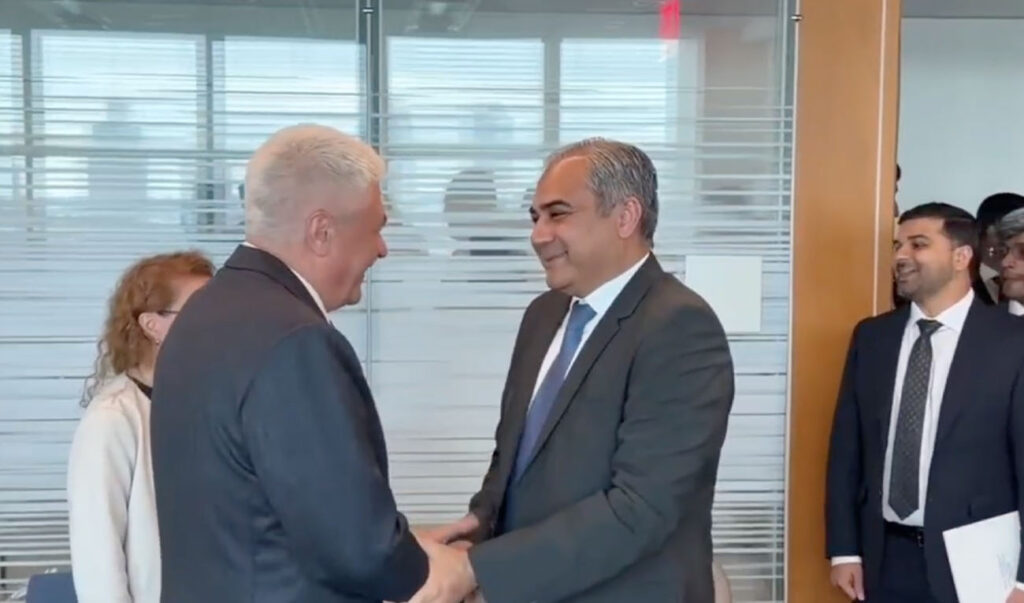
None of this came out of nowhere. In June, at the SCO interior ministers’ meeting in Bishkek, the two ministers signed agreements on illegal immigration, repatriation, and narcotics. In July they met again at the UN Chiefs of Police Summit in New York and agreed to a formal interior-ministries MoU. Wednesday is where those threads get pulled into something permanent. See our coverage of Kolokoltsev’s arrival on Monday.
What happens next
The immediate step is the working-group exchange: interior-ministry teams visiting each other’s countries to convert Wednesday’s understandings into signed documents. Neither the MoU nor the extradition treaty has a public timeline, and treaties take months of legal scrubbing. The honest caveat: ministerial meetings produce agreements to agree. The Bishkek deals show this relationship can deliver paperwork. The test now is signatures, then use.
A busy week for Pakistani diplomacy all round: alongside the Russia talks, Pakistan was elected to chair the Borrowers’ Platform Governing Council in Bangkok.
By Fatima Raza · October 14, 2026
Frequently Asked Questions
What did Pakistan and Russia agree on October 14, 2026?
Mohsin Naqvi and Vladimir Kolokoltsev agreed to finalise an extradition treaty and a prisoner-exchange agreement, sign an organised-crime MoU, implement the readmission agreement early, deepen anti-narcotics cooperation, exchange working-group visits, link police academies, cooperate on cybercrime, discuss skilled Pakistani workers for Russia, and simplify visas.
Is there already an extradition treaty between Pakistan and Russia?
No. That is why Wednesday’s commitment matters. The two countries have now agreed to finalise one, plus a separate prisoner-exchange agreement. Until the drafts are signed and ratified, no standing legal framework exists for handing over fugitives between them.
What is the organised-crime MoU about?
It covers prevention of organised crime and information sharing between the two interior ministries and their law-enforcement agencies. Naqvi called it a “major milestone.” The talks named terrorism, extremism, drug trafficking, illegal migration, phone scams, phishing and crypto pyramid schemes as shared targets.
How did Russia cut cybercrime by 33 per cent?
Kolokoltsev said Russia achieved the 33 per cent reduction through effective measures and offered to share the experience; the statement did not detail the methods. Pakistan’s cybercrime chief was at the table, and both sides agreed to cooperate on cybercrime prevention, including between their police academies.
Will it become easier for Pakistanis to get Russian visas?
That is the plan. Both ministers agreed to simplify visa procedures for tourists and the business community. No new rules or timelines were announced, so treat it as a commitment rather than an implemented change for now.
How long is the Russian minister’s visit?
Four days, October 12–15, 2026: the first ever visit to Pakistan by a Russian interior minister, at Naqvi’s invitation. The main business (Wednesday’s delegation talks and the GHQ meeting with Field Marshal Asim Munir) is done; next come working-group visits to both countries to carry the agreements forward.