Pakistan Car Sales Jump 43% in Q1 FY27 as PAMA Data Shows Auto Market Revival
By Bilal Ahmed | Business Desk | October 14, 2026 | Updated: October 14, 2026 Pakistan’s passenger car sales jumped 43% year-on-year in the first quarter of FY27, climbing to about 41,700 units in July–September 2026 from roughly 29,300 in the same period last year, according to data released by the Pakistan Automotive Manufacturers Association…
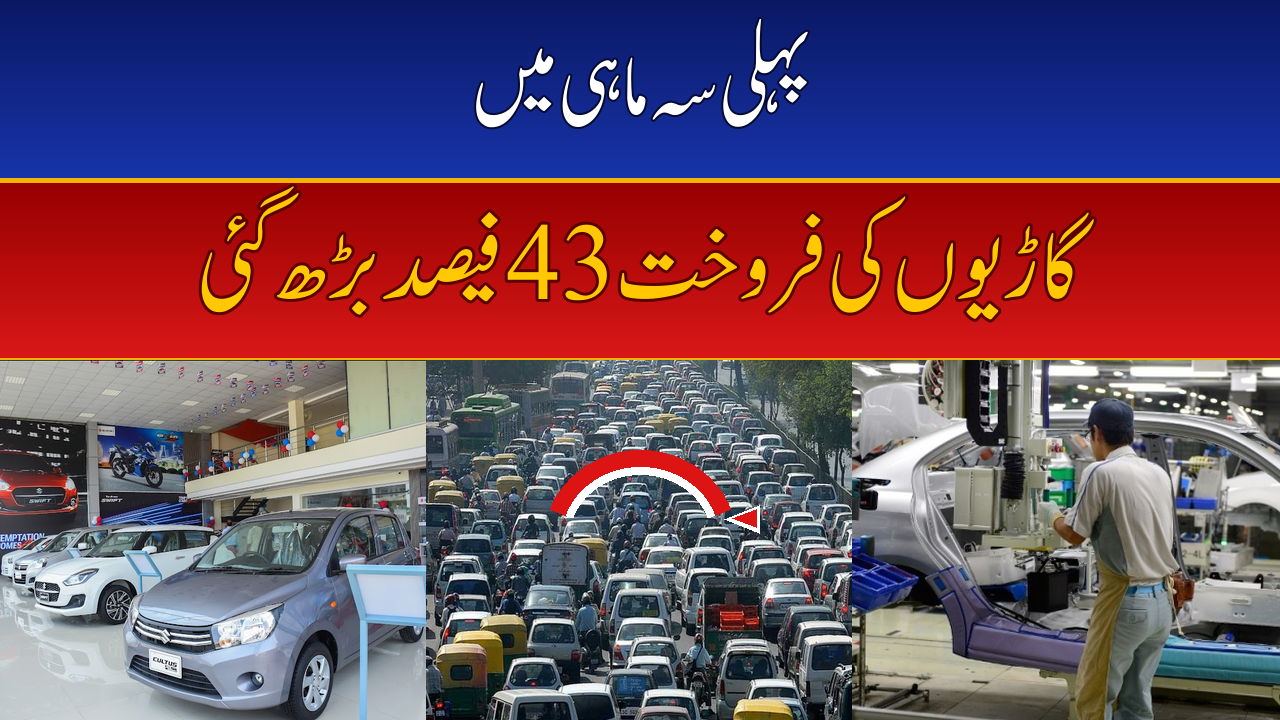
Pakistan’s passenger car sales jumped 43% year-on-year in the first quarter of FY27, climbing to about 41,700 units in July–September 2026 from roughly 29,300 in the same period last year, according to data released by the Pakistan Automotive Manufacturers Association (PAMA) on Wednesday, October 14, 2026. Production rose 32% in the quarter — but September told a different story, with monthly sales dropping 20% as auto policy and sales tax uncertainty kept buyers and assemblers on edge.
I’ve been covering Pakistan’s auto numbers for years, and this quarter is one of those rare reports genuinely worth a second look. The headline is strong, the September detail is worrying, and the politics sitting underneath it all could decide whether this recovery lasts.
Key Facts at a Glance
- Passenger cars: ~41,700 units in Q1 FY27, +43% year-on-year; production up 32%
- Overall auto industry: 611,143 units sold, +28% YoY
- September: car sales fell 20% month-on-month (~10,900 units), down ~10% YoY; production still rose 28%
- Trucks & buses: production +54%, sales +46% on strong domestic demand
- Farm tractors: Q1 sales +38%; September sales hit 1,815 units, +73% MoM after the Punjab Green Tractor Scheme announcement
- Motorcycles: 542,158 units in Q1, +28% YoY; three-wheelers surged 427% MoM to 6,876 units in September
- Policy cloud: auto policy + sales tax uncertainty; PAMA flags a “perceptible hesitation” among market players
The Quarter in Numbers
The quarter belongs to passenger cars. Sales of around 41,700 units — Pakhtun Digital puts it at 41,707; Mukhbir reports 41,872, up 42.8% from 29,318 — mark a sharp turnaround from last year’s depressed base, when high interest rates and import curbs choked demand. A 32% rise in production shows the assemblers saw it coming.
What jumps out is how broad-based the recovery is. It is not just passenger cars:
| Segment | Q1 FY27 (Jul–Sep 2026) | YoY sales | YoY production |
|---|---|---|---|
| Passenger cars | ~41,700 units | +43% | +32% |
| LCVs, jeeps & pickups | — | −34% | +1% (nominal) |
| Trucks & buses | — | +46% | +54% |
| Farm tractors | — | +38% | −15% |
| Two & three-wheelers | — | +28% | +28% |
| Motorcycles | 542,158 units | +28% | — |
| Total auto industry | 611,143 units | +28% | — |
Trucks and buses jumping 54% in production is the number economists quietly love — commercial vehicles move when businesses invest. And motorcycles, the real backbone of Pakistani mobility, sold 542,158 units, up 28%. When every segment moves the same way, it is a demand story, not a one-off.
September Broke the Rhythm
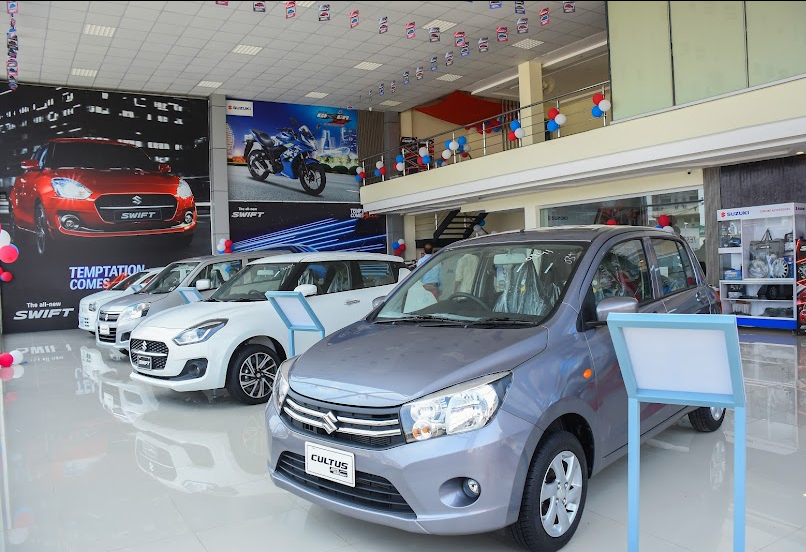
Then came September, and the rhythm broke: car sales fell 20% month-on-month to roughly 10,900 units, about 10% below last September, while production kept climbing 28%. Factories were making more cars than dealers could sell — the classic signature of a market waiting for news.
PAMA blames exactly that: uncertainty over the sales tax regime and the long-delayed auto policy. Director General Raziur Rahman said the figures show a resurgence of customer interest on easing inflation and a better macro environment — but flagged a “perceptible hesitation” among market players. People want to buy, companies want to invest, and both are waiting on the government.
| September 2026 indicator | Figure | Change |
|---|---|---|
| Passenger car sales | ~10,900 units | −20% MoM, −10% YoY |
| Car production | — | +28% (still rising) |
| Tractor sales | 1,815 units | +73% MoM |
| Three-wheeler sales | 6,876 units | +427% MoM |
The tractor numbers deserve their own moment: September tractor sales hit 1,815 units, up 73% month-on-month, right after Punjab announced its Green Tractor Scheme. Farm tractors had already posted a 38% quarterly sales increase even as production fell 15% — subsidies move metal in this country. And three-wheelers surged 427% month-on-month to 6,876 units in September. That is not a typo: cheap to run, easy to finance, and perfect for the gig economy.
Who Won and Who Lost in September
The September automaker split shows a market pulling in different directions:
| Automaker | Sep 2026 sales | YoY change |
|---|---|---|
| Pak Suzuki | 4,862 | −46% |
| Indus Motor (Toyota) | 4,142 | +31% |
| Honda Atlas | 2,128 | −8% |
| Hyundai Nishat | 884 | −25% |
Pak Suzuki still moved the most metal at 4,862 units, but that is down a brutal 46% from last September — the small-car segment is where the policy fog bites hardest. Indus Motor is the month’s clear winner: 4,142 units, up 31%, with the Corolla, Yaris and Corolla Cross accounting for 3,563 of them. Honda Atlas slipped 8% to 2,128, Hyundai Nishat fell 25% to 884, and ambiguity around hybrid and plug-in hybrid sales tax reportedly restricted some invoicing. When even the paperwork is uncertain, dealers hold stock and buyers hold cash.
Why This Matters
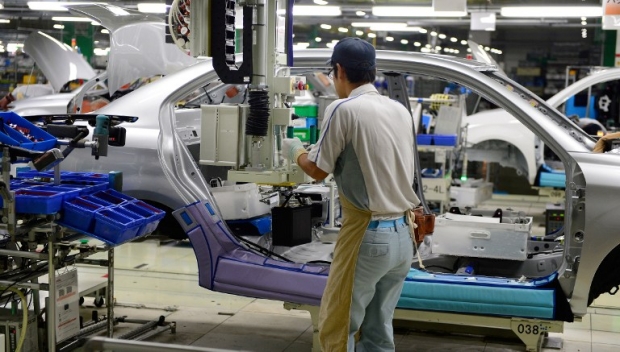
Numbers are only half the story. After two years of crushing interest rates, import restrictions and a cost-of-living squeeze, a 43% jump in car sales is a confidence vote. Car financing, which had nearly died, is breathing again as rates ease — nobody signs a five-year auto loan unless they believe their income will hold.
It also matters for the exchequer. Cars are among the most heavily taxed manufactured products in Pakistan, so every unit sold means withholding tax, sales tax and registration revenue. A recovering auto sector is, quietly, a fiscal story too.
For buyers, the key question is running costs. Fuel is the biggest variable in total cost of ownership, so check petrol and diesel prices before signing anything. And for the macro backdrop — the IMF talks, the privatisation pipeline, the direction of economic policy — our coverage of the government’s privatisation drive is worth a read alongside this.
The Policy Cloud
PAMA has been warning for months that the delayed auto policy and unclear taxation are freezing investment decisions — and this time it went further than usual: an investor-unfriendly tariff structure, it warned, would signal “Nationalisation 2.0”. Strong language from an industry body that normally chooses its words carefully.
There is movement: at an October 7 Senate committee meeting, the prime minister’s adviser on industries, Haroon Akhtar Khan, assured stakeholders the auto policy would be approved within two weeks. PAMA says it expects a fair taxation regime. Two weeks from October 7 is, roughly, now.
What to Watch Next
- October’s PAMA data (due mid-November): does September’s dip reverse, or was the quarter front-loaded into July–August?
- The Auto Policy 2026-31 decision: the two-week assurance runs out this week. Approval clears the industry’s biggest cloud; another delay stretches the hesitation into buying season.
- Hybrid/PHEV tax clarity: a clear ruling could unlock September’s held-back stock overnight.
Frequently Asked Questions
How many cars did Pakistan sell in Q1 FY27?
About 41,700 passenger cars were sold in July–September 2026, up 43% year-on-year from roughly 29,300 units, according to PAMA data released on October 14, 2026. Passenger car production rose 32% in the same period.
Why did car sales drop in September 2026?
Sales fell 20% month-on-month to about 10,900 units (also down ~10% YoY). PAMA blames sales tax and auto policy uncertainty, plus hybrid/PHEV tax ambiguity that restricted some invoicing. Production still rose 28% — companies built inventory while waiting for clarity.
Which car company sold the most in September?
Pak Suzuki sold the most units at 4,862 — but that was 46% lower than September 2025. Indus Motor (Toyota) had the strongest growth at +31% year-on-year with 4,142 units, led by the Corolla, Yaris and Corolla Cross (3,563 combined). Honda Atlas fell 8% to 2,128 and Hyundai Nishat dropped 25% to 884.
What is the Punjab Green Tractor Scheme’s impact on sales?
Tractor sales jumped 73% month-on-month to 1,815 units in September following the scheme’s announcement, and Q1 tractor sales were up 38% overall even as production fell 15%. The scheme subsidises tractor purchases for farmers in Punjab, and the sales spike shows the incentive is working.
When will Pakistan’s new auto policy be announced?
The prime minister’s adviser on industries, Haroon Akhtar Khan, told a Senate committee on October 7, 2026 that the policy would be approved within two weeks. PAMA says it expects a fair taxation regime — and warned that an investor-unfriendly tariff structure would signal “Nationalisation 2.0”.
Is this a good time to buy a car in Pakistan?
Demand is recovering and financing is getting cheaper — both good signs. But September’s dip shows policy risk is real: any sales tax change in the new auto policy could move prices either way. Lock in financing terms now, and watch the policy announcement before committing to a hybrid.
How did the whole auto industry perform in Q1 FY27?
Overall auto industry sales reached 611,143 units, up 28% year-on-year. Motorcycles accounted for 542,158 units (+28%), trucks and buses saw sales rise 46% on strong domestic demand, and three-wheeler sales surged 427% month-on-month in September to 6,876 units.
TimelyUps Business Desk will update this story when October sales data and the auto policy decision land.