KP Records 100 Dengue Cases in a Day — Kohat Worst Hit
KP Records 100 Dengue Cases in a Day — Kohat Worst Hit By Daniyal Sheikh | Pakistan | Tuesday, October 20, 2026 | Updated: October 20, 2026 Khyber Pakhtunkhwa recorded around 100 new dengue cases in the last 24 hours — 99 according to the Integrated Disease Surveillance and Response System (IDSRS) report — the…
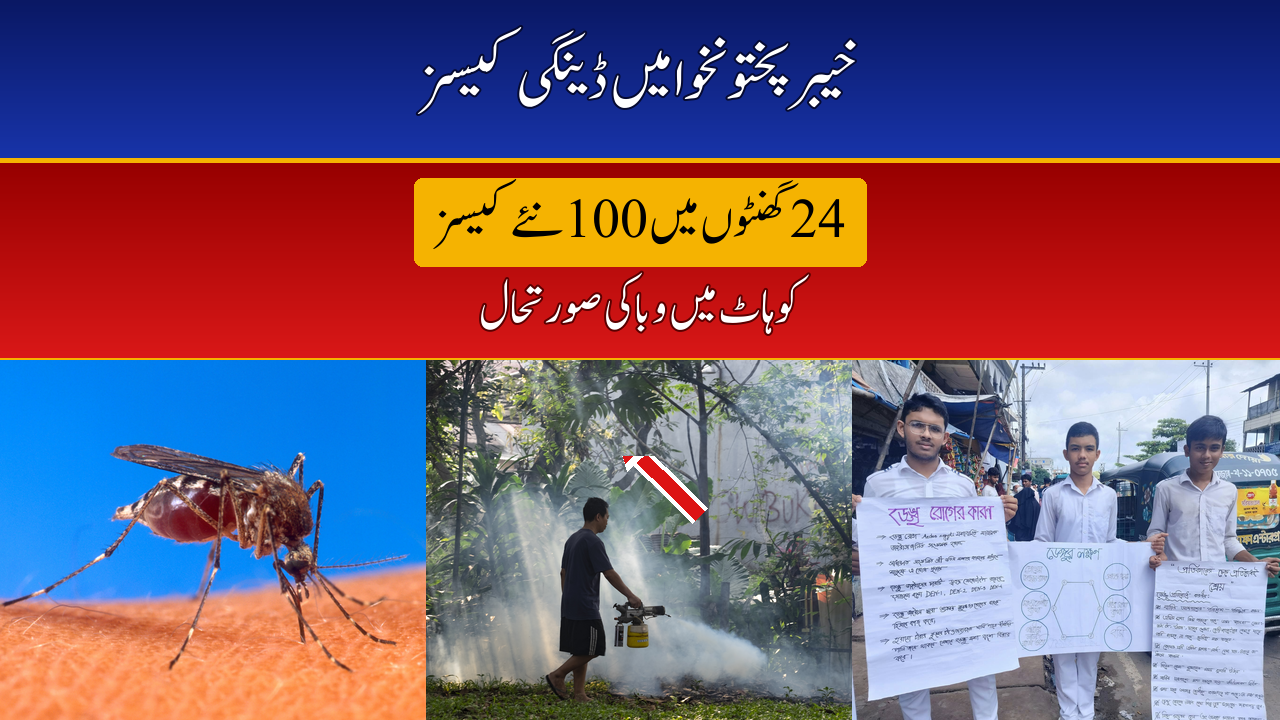
KP Records 100 Dengue Cases in a Day — Kohat Worst Hit
Khyber Pakhtunkhwa recorded around 100 new dengue cases in the last 24 hours — 99 according to the Integrated Disease Surveillance and Response System (IDSRS) report — the highest single-day tally the province has seen this year. The fresh infections have pushed the 2026 provincial total to 4,091 cases: 144 active, 3,946 recovered, and one death — a resident of Tank who died in Dera Ismail Khan — according to Dawn’s report on Tuesday, October 20, 2026.
If you live in KP — especially Kohat, Peshawar, or Bannu — this is the week to take dengue seriously. October is the peak month for the disease in the province, and health experts say the coming weeks are crucial.
Kohat Is the Epicentre
The district-wise breakdown tells a clear story: Kohat is carrying the bulk of this outbreak, with 2,567 confirmed cases — nearly two-thirds of the provincial total. Peshawar follows with 566, then Bannu (192), Khyber (120), Haripur (112), Charsadda (75), Abbottabad (71), Nowshera (51), Karak (43), Mansehra (38), DI Khan (35), Swabi (28), and Mohmand (14).
October has been brutal for Kohat: 80 cases since October 1, with Bannu at 24 and Peshawar 18. The pattern is textbook for this season — post-monsoon stagnant water, warm days, and the Aedes aegypti mosquito breeding in forgotten water coolers, tyres, and flowerpots.
This is not the first alarm of the month. On October 16, two people died of dengue in Abbottabad when the tally stood at 3,671; two days later, at a high-level meeting chaired by Governor Faisal Karim Kundi, officials put the total at 3,771 — with Kohat already the worst-affected district at 2,319 cases.
What the Health Department Is Doing
The provincial health department says control and prevention measures are being carried out on an emergency footing in Kohat, and that its 2026 action plan was issued on time. Around 400,000 dengue test kits have been procured and distributed, and 1,500–1,600 hospital beds designated for dengue patients, according to Provincial Medical Entomologist Salahuddin Khan Marwat. The governor’s office has separately reported 1,666 isolation beds established province-wide, alongside an awareness campaign.
Better Than 2025 — But the Weeks Ahead Matter
There is a silver lining: so far, 2026 is running better than last year. In 2025, the province recorded more than 6,000 dengue cases, with over 1,000 of them in Charsadda alone. This year’s total of 4,091 is below that pace — officials credit the on-time action plan and early surveillance.
But experts caution against complacency: the coming weeks are crucial, because the weather and breeding conditions are exactly what the dengue mosquito needs. Climate change is also pushing the disease into new territory — areas like Chitral, which rarely saw dengue before, are now on the watchlist. And the entomologist warns against indiscriminate insecticide spraying: fogging alone does not end an outbreak — draining the small pools of stagnant water where mosquitoes breed does.
How to Protect Your Family This Week
Dengue has no specific cure — treatment is rest, fluids, and managing the fever. Prevention is the only real defence. Here is what works, the same advice health workers are repeating door to door in Kohat:
1. Kill the breeding sites. Empty anything holding standing water — plant saucers, cooler trays, old tyres, uncovered tanks — weekly. Aedes mosquitoes breed in clean, still water, not dirty drains. Keep water containers tightly covered.
2. Use repellent and nets. Apply repellent on exposed skin, especially early morning and late afternoon when Aedes bite most. Sleep under mosquito nets where possible, and keep windows screened.
3. Keep your street clean. Clear blocked drains and garbage heaps near your home — it protects the whole lane, not just your house.
If you develop high fever with severe headache, pain behind the eyes, muscle pain, or a rash after a mosquito bite, get tested. The NS1 test detects dengue in the first days of illness, and the province now has 400,000 test kits distributed for this purpose.
Frequently Asked Questions
What are the symptoms of dengue fever?
Sudden high fever, severe headache, pain behind the eyes, muscle and joint pain (“breakbone fever”), nausea, and a skin rash. Most recover within two weeks with rest and fluids — a small number develop severe dengue, which needs hospital care.
When should I take a fever patient to the hospital?
Watch for warning signs: severe abdominal pain, persistent vomiting, bleeding gums or nose, blood in vomit or stool, extreme tiredness, or a sudden temperature drop after fever. Do not give aspirin or ibuprofen unless a doctor advises it — paracetamol is the recommended fever reducer.
How is dengue diagnosed?
With a blood test. The NS1 antigen test detects the virus in the first 1–5 days of fever; antibody tests work later in the illness. Around 400,000 dengue test kits have been distributed across KP this year, so testing is widely available at government hospitals and labs.
What is the KP government doing about the dengue outbreak?
Control and prevention measures are underway in Kohat under the 2026 action plan, with 1,600+ isolation beds established province-wide, 400,000 test kits distributed, and an awareness campaign running. Governor Faisal Karim Kundi chaired a high-level review meeting on October 18 with Health Advisor Lt Gen (retd) Nigar Johar and the Secretary Health.
Is dengue spreading to new areas of KP?
Yes. Experts say climate change is spreading dengue to districts that previously saw little transmission, including Chitral. The hotspots remain Kohat, Peshawar and Bannu — but residents in previously unaffected areas should take the same precautions.
How can I prevent dengue at home?
Empty all stagnant water — coolers, plant trays, tyres, uncovered tanks — weekly, and keep water storage covered. Use repellent, sleep under nets, keep windows screened. Experts caution that fogging alone does not stop outbreaks; removing breeding sites does.