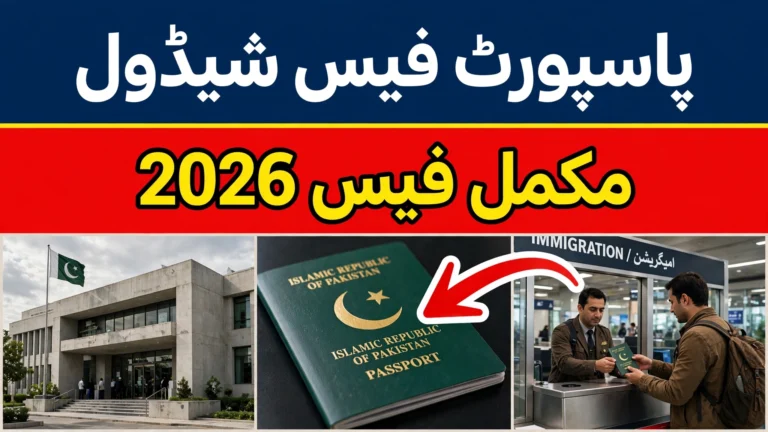
EU Lawmakers Back Pakistan’s Indus Waters Treaty Stance at Brussels Meeting
By Fatima Raza | Pakistan Desk | October 15, 2026 | Updated: October 15, 2026 Two European Parliament lawmakers publicly backed Pakistan’s position on the Indus Waters Treaty at a Brussels meeting on October 14, 2026, where Pakistan’s Ambassador to Belgium, Luxembourg and the EU, Rahim Hayat Qureshi, raised Islamabad’s concerns over violations of the…
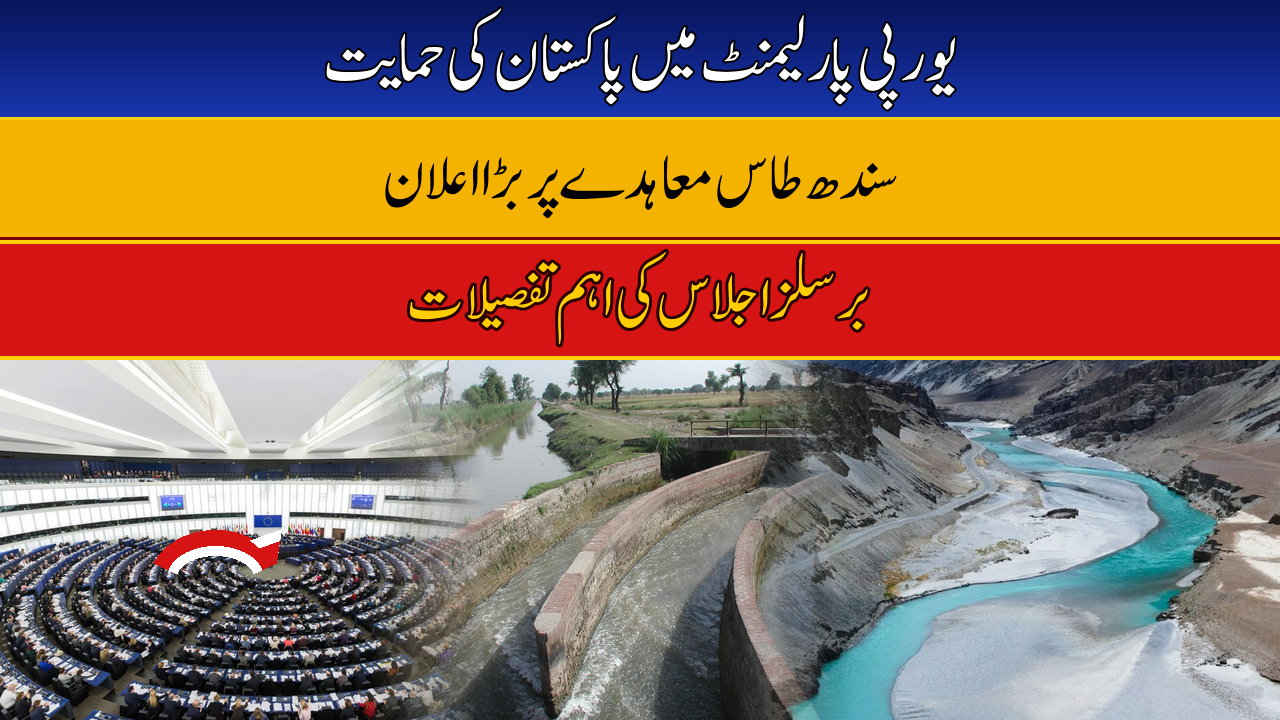
Two European Parliament lawmakers publicly backed Pakistan’s position on the Indus Waters Treaty at a Brussels meeting on October 14, 2026, where Pakistan’s Ambassador to Belgium, Luxembourg and the EU, Rahim Hayat Qureshi, raised Islamabad’s concerns over violations of the landmark 1960 water-sharing pact with India. Czech MEP Andrej Dostál voiced support for Pakistan’s stance, while German MEP Michael von der Schulenburg called for international efforts to ensure the treaty’s implementation and compliance.
The meeting, titled “The Future of Global Governance”, was organised by the two MEPs themselves — not a routine courtesy call, but an event they put their names on and then publicly aligned with Pakistan’s position on a dispute India insists is bilateral. In Brussels, signals like that carry weight well beyond the room.
Key Facts: EU Lawmakers Back Pakistan on Indus Waters Treaty
- What: European Parliament meeting on “The Future of Global Governance” in Brussels, where Pakistan’s IWT position drew public support from two MEPs.
- When: October 14, 2026.
- Pakistan’s voice: Ambassador Rahim Hayat Qureshi (envoy to Belgium, Luxembourg and the EU).
- Organisers: MEPs Andrej Dostál (Czech Republic) and Michael von der Schulenburg (Germany).
- What they said: Dostál supported Pakistan’s position on the Indus Waters Treaty; von der Schulenburg urged international efforts to ensure the treaty’s implementation and compliance.
- Background: The 1960 treaty, brokered by the World Bank, governs Indus-system water sharing. India announced in April 2025 that it was holding the treaty in abeyance after an attack in Jammu and Kashmir. Pakistan rejects the move and says the treaty cannot be suspended unilaterally.
What Happened in Brussels
Qureshi’s central argument: respect for international law and treaties is essential for global stability. From that principle, he raised Pakistan’s concerns over Indus Waters Treaty violations — framing it not as a bilateral grievance but as a test of whether international agreements still mean anything.
He added that the Kashmir dispute must be resolved per UN Security Council resolutions, UN reform should include all stakeholders, and countries must cooperate on financial-system reform, climate action, and technology. Dostál then went further than courtesy usually allows, explicitly supporting Pakistan’s position on the treaty, while von der Schulenburg’s call for implementation and compliance effectively endorsed the treaty continuing to work as written — Pakistan’s core ask.
The Treaty at the Centre of It All
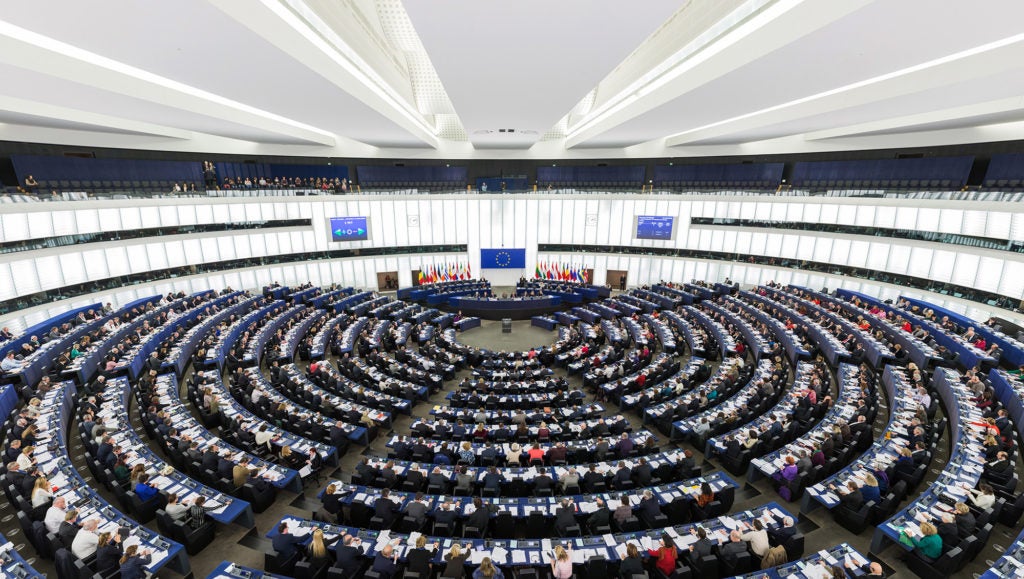
Signed in 1960 and brokered by the World Bank, the Indus Waters Treaty is one of the most remarkable water-sharing agreements ever signed — it survived two full wars and decades of hostility. It divides the Indus river system: the eastern rivers (Ravi, Beas, Sutlej) go largely to India, while the western rivers (Indus, Jhelum, Chenab) are allocated to Pakistan, with India allowed limited uses like run-of-the-river hydropower.
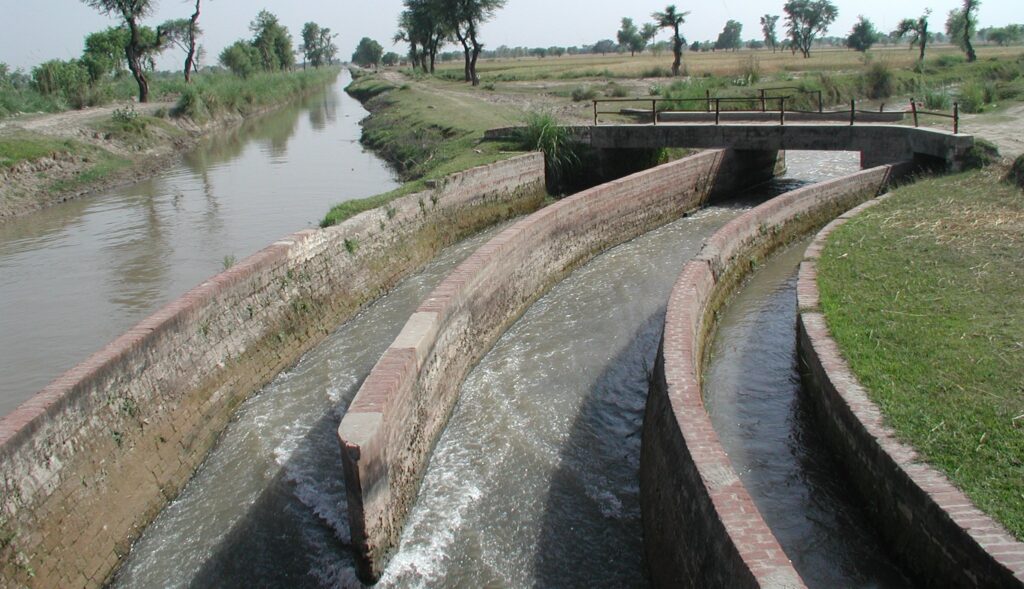
For Pakistan, this is not an abstract legal document. The western rivers feed the canal network that irrigates Punjab and Sindh — millions of acres of farmland and the country’s food security rest on flows Pakistan does not control at the source. That is why every treaty headline in Islamabad reads like a national-security story, not an environment one.
Then came April 2025. After a deadly attack in Jammu and Kashmir, India announced it was holding the treaty in abeyance — a move with no precedent in the pact’s 65-year history. Pakistan rejected the announcement outright: the treaty has no unilateral-exit clause, the World Bank is a signatory, and one party cannot simply park it.
India’s Position — and Pakistan’s Answer
Fairness requires stating New Delhi’s case too. India’s position, as stated after the April 2025 attack, is that the treaty cannot continue in its existing form while Pakistan is accused of supporting cross-border terrorism — and that the abeyance will stand until what India calls credible action against terrorism.
Pakistan’s answer has been consistent since April 2025: it rejects the terrorism accusation and the linkage to water, and insists disputes must go through the treaty’s own resolution mechanism — a view much international legal commentary shares. Qureshi’s Brussels argument was pointed: if treaties can be paused by one party’s unilateral decision, the whole architecture of international agreements weakens.

Why Two MEPs in Brussels Matter
Two MEPs out of 720 will not open any dam gates. But diplomacy runs on signals, and three of them favour Islamabad here. First, the venue: the EU is a major development partner, a trade heavyweight with both countries, and home to the GSP+ scheme underpinning billions in Pakistani exports. When EU lawmakers speak Pakistan’s language on the treaty, dismissing Islamabad’s position as mere bilateral complaining gets harder — and it builds on an active year of Pakistan-EU engagement, from the legal-migration and Schengen visa discussions to broader trade talks. Second, the framing: Qureshi lifted the dispute into the language of treaty sanctity and international law — a register Europeans respond to instinctively. Third, the timing: Pakistan’s foreign ministry has been stacking engagements across multiple fronts this month, from the Pakistan-Russia extradition treaty discussions to the Oman Joint Ministerial Commission.
What This Means for Pakistanis
The honest assessment: the Brussels meeting is a diplomatic gain, not a water gain. Nobody should expect river flows to change next week. But water disputes are slow-burn affairs fought as much in international opinion as in courtrooms — and every credible international voice backing treaty compliance strengthens Pakistan’s hand if this dispute ever lands before an international tribunal.
It also shows where Islamabad’s diplomatic energy is going: Europe as an arena, making its case in the language of international law to an audience that values it. For a country whose water security depends on a treaty whose rivers rise in territory it does not control, that kind of patient, principled lobbying is not theatre. It is strategy.
Frequently Asked Questions
What did the EU lawmakers say about the Indus Waters Treaty?
Czech MEP Andrej Dostál publicly supported Pakistan’s position on the Indus Waters Treaty, while German MEP Michael von der Schulenburg urged international efforts to ensure the treaty’s implementation and compliance. Both spoke at the October 14, 2026 Brussels meeting addressed by Ambassador Rahim Hayat Qureshi.
Who is Rahim Hayat Qureshi?
Rahim Hayat Qureshi is Pakistan’s Ambassador to Belgium, Luxembourg and the European Union, based in Brussels. On October 14, 2026, he addressed the European Parliament meeting, raising Pakistan’s IWT concerns, calling for Kashmir’s resolution per UN resolutions, and advocating UN reform, financial-system reform, climate action and technology cooperation.
What is the Indus Waters Treaty?
The 1960 water-sharing agreement between Pakistan and India, brokered by the World Bank, allocates the eastern rivers (Ravi, Beas, Sutlej) primarily to India and the western rivers (Indus, Jhelum, Chenab) primarily to Pakistan, with India permitted limited uses such as run-of-the-river hydropower. It survived two wars and is considered one of history’s most successful water treaties.
Why did India hold the Indus Waters Treaty in abeyance?
In April 2025, after a deadly attack in Jammu and Kashmir, India announced it was holding the treaty in abeyance — the first such move in 65 years. India says the treaty cannot continue while it accuses Pakistan of supporting cross-border terrorism. Pakistan rejects both the accusation and the legality of the move.
Can the Indus Waters Treaty be suspended by one country alone?
Pakistan’s position is no: the treaty has no unilateral-exit clause, the World Bank is a signatory, and disputes must go through the treaty’s own resolution mechanism. International legal commentary has largely treated unilateral suspension as legally dubious — which is why Islamabad frames the issue as a defence of treaty sanctity, a line EU lawmakers echoed in Brussels.
What happens next in the Indus Waters Treaty dispute?
The effect is diplomatic — it adds international voices behind Pakistan’s call for the treaty’s implementation and compliance. Pakistan maintains the treaty remains fully in force, while India’s abeyance announcement stands. Any formal resolution would likely require bilateral engagement or the treaty’s own dispute-resolution machinery.