MOFA Launches Digital Attestation: Get Consular Documents Verified Online, E-Certificates by Email
By Fatima Raza | Pakistan Desk | October 15, 2026 | Updated: October 15, 2026 If you have ever stood in a queue outside the Foreign Office in Islamabad — file in hand, sun overhead, watching the line barely move — this one is for you. The Ministry of Foreign Affairs (MOFA) has switched on…
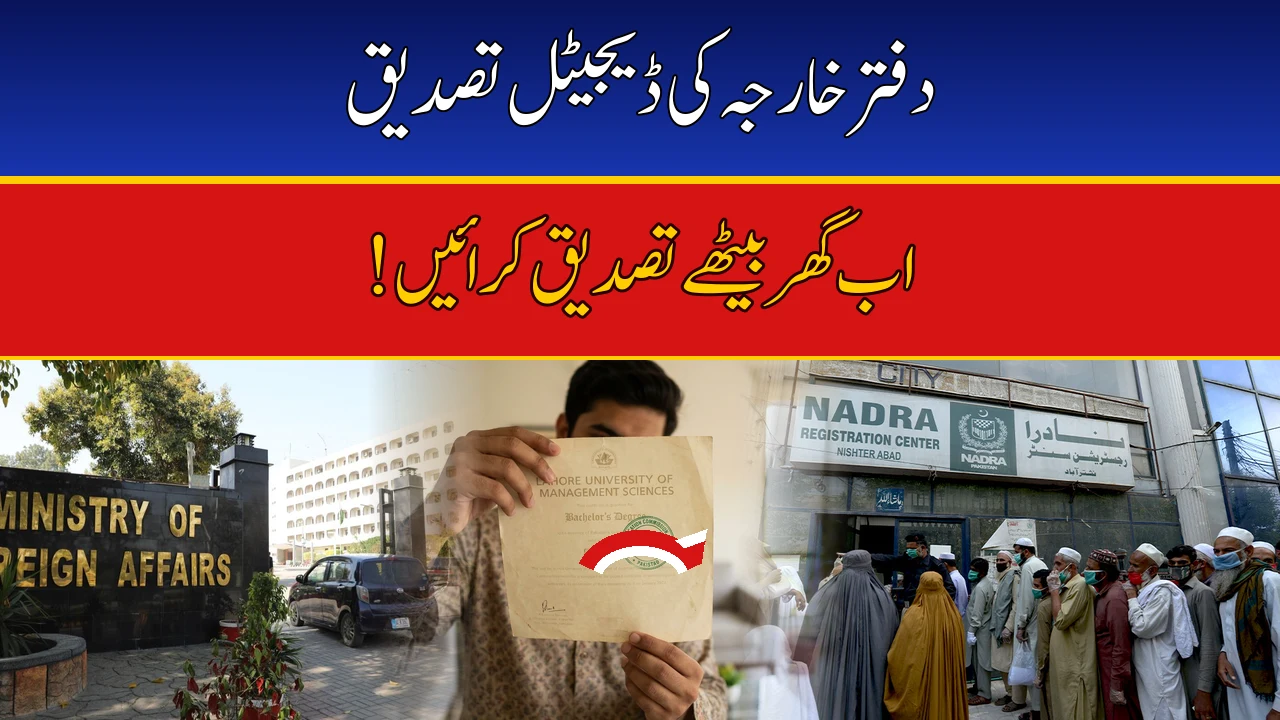
If you have ever stood in a queue outside the Foreign Office in Islamabad — file in hand, sun overhead, watching the line barely move — this one is for you. The Ministry of Foreign Affairs (MOFA) has switched on a fully digital attestation system for consular documents, which means you can now get your papers attested from your living room and receive the certificate by email. No more dawn trips to the ministry, no more touts whispering “kaam karwa doon?” outside the gate.
Under Circular No. Dir (CA&OP)/2026-Attest, dated October 14, 2026, issued by Director (CA&OP) Azeem Khan, the digital system is live at the ministry’s headquarters in Islamabad and its liaison offices in Lahore, Karachi, Peshawar, Quetta and Gujrat — effective October 12, 2026. Applicants seeking general or apostille attestation will now receive electronic certificates (e-Certificates) directly by email after completing the process and paying the prescribed fee.
Key Facts: MOFA Digital Attestation
- What: Digital Attestation System for consular documents — general and apostille — with e-Certificates issued by email.
- Effective from: October 12, 2026 (circular issued October 14, 2026).
- Where: MOFA headquarters Islamabad + liaison offices in Lahore, Karachi, Peshawar, Quetta and Gujrat.
- Portal: portal-attestation.mofa.gov.pk.
- In-person visit: No longer required, except where physical attendance is genuinely necessary.
- Model: Follows the Higher Education Commission’s electronic attestation service.
- Why now: Months of reporting on long queues, delays and middlemen at attestation counters.
What Exactly Has Changed
Until now, getting a document attested by MOFA meant a physical ritual familiar to hundreds of thousands of Pakistanis: arrive early, take a token, wait, submit, return another day to collect. Degrees, marriage certificates, birth certificates, police clearance papers, commercial documents — anything headed abroad for a job, a university admission or a visa needed that MOFA stamp, and the stamp needed your presence.
The new system flips that. You submit your documents electronically through the online portal, the ministry reviews and verifies them, you are informed about the outcome, you pay the fee online, and the e-Certificate lands in your email inbox. The ministry has directed its officers to actively encourage applicants to use the electronic route, framing it as a push for convenience, transparency and better service delivery.
This is not a pilot or a promise for “soon.” The circular makes the digital system the operating mode from October 12 onward, across the headquarters and all five liaison offices.
How to Get Your Documents Attested Online: Step by Step
Based on the ministry’s announced process, here is how it works in practice:
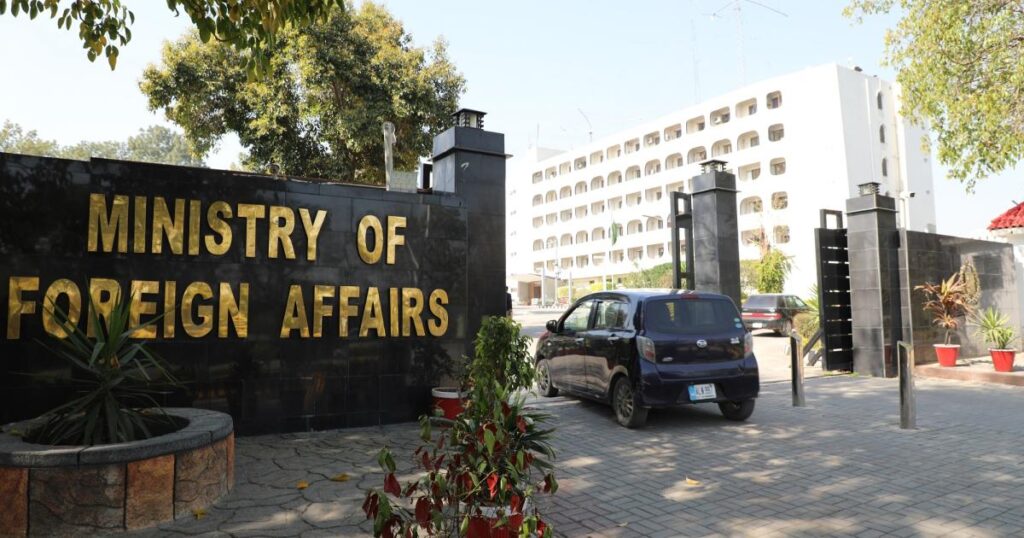
- Go to the portal: Open portal-attestation.mofa.gov.pk and register your application.
- Upload your documents: Submit clear scans of the documents you need attested, and select whether you need general attestation or apostille service.
- Wait for verification: MOFA reviews the submission and informs you of the outcome — this is the part that used to happen across a counter.
- Pay the fee online: Once your application clears verification, pay the prescribed fee digitally. (Fee schedules vary by document type — check the portal for the current rates.)
- Receive your e-Certificate: The electronic attestation certificate is emailed to you. Save it, print it if the receiving authority wants a hard copy, and you are done.
A practical note from experience with similar government portals: scan quality matters enormously. Blurry phone photos of documents are the single biggest reason for rejection or delay on electronic attestation systems. Use a proper scanner app, keep every page legible, and make sure the email address on your application is one you actually check — because that is where your certificate is going.
Which Offices Are Covered
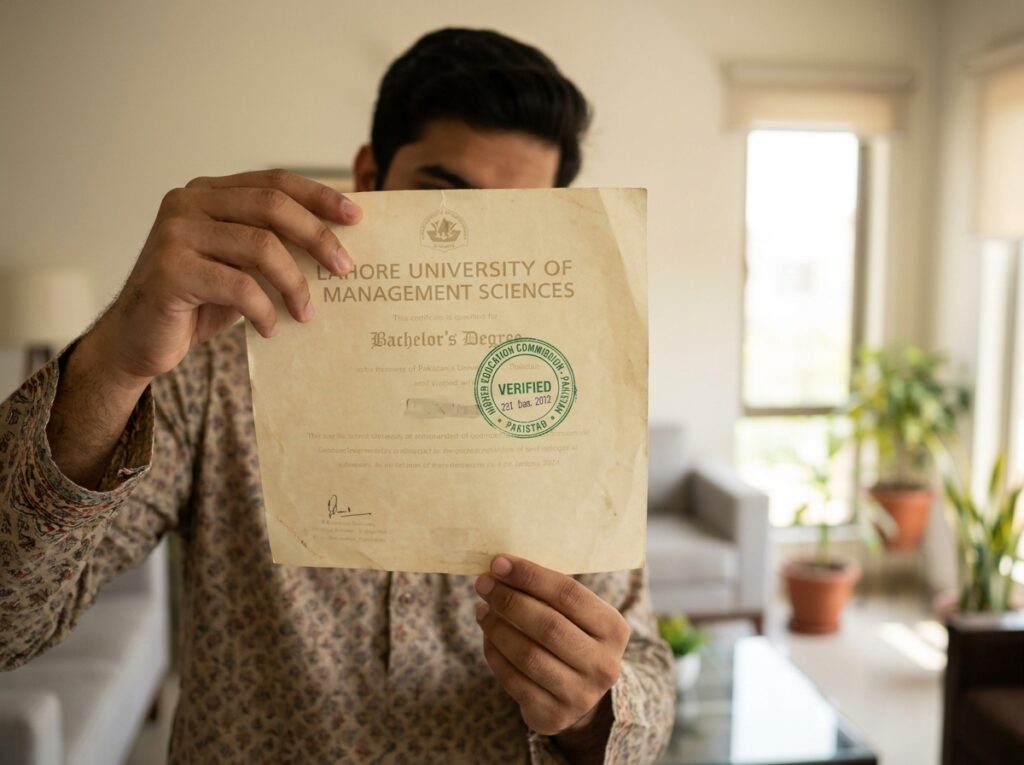
The digital system applies at:
- MOFA Headquarters, Islamabad
- Liaison Office Lahore
- Liaison Office Karachi
- Liaison Office Peshawar
- Liaison Office Quetta
- Liaison Office Gujrat
That geographic spread matters. Previously, someone in Quetta or Gujrat either travelled or routed documents through agents. Now the same electronic pipeline serves all six locations.
Apostille vs General Attestation: What’s the Difference?
The circular covers both, and the distinction is worth knowing because picking the wrong one wastes your fee:
- General attestation is MOFA’s standard verification that your document is genuine — the traditional stamp-and-signature, now electronic. Most everyday uses (jobs, admissions, family visas) need this.
- Apostille attestation is for countries that are party to the Hague Apostille Convention — a single apostille certificate makes your document valid across all member countries without further embassy legalisation. If your destination country is a member, ask for apostille; it saves you an entire second round of attestation.
If you are unsure which one your case needs, check with the receiving institution or employer before applying — the portal lets you select either, but they are not interchangeable.
Who Benefits the Most
Overseas Pakistanis and job seekers are the obvious winners. Attestation is a choke point in almost every Gulf job process — offer letter in hand, but the degree needs MOFA’s stamp before the visa moves. Doing that from home instead of flying to Islamabad or hiring an agent is a genuine cost and time saving.
Students heading abroad come next. Admission and visa timelines are unforgiving; a document stuck in a physical queue has derailed more than one semester start. Electronic submission with email delivery compresses that timeline to whatever the verification itself takes.
And then there are the families — marriage certificates, birth certificates, family registration documents for visa cases. These are the papers people historically entrusted to agents because they could not afford days off work to stand in line. That middleman economy is exactly what this system is designed to starve. It is no coincidence the change follows sustained press coverage of queues, delays and touts at attestation counters.
When You Still Need to Visit in Person
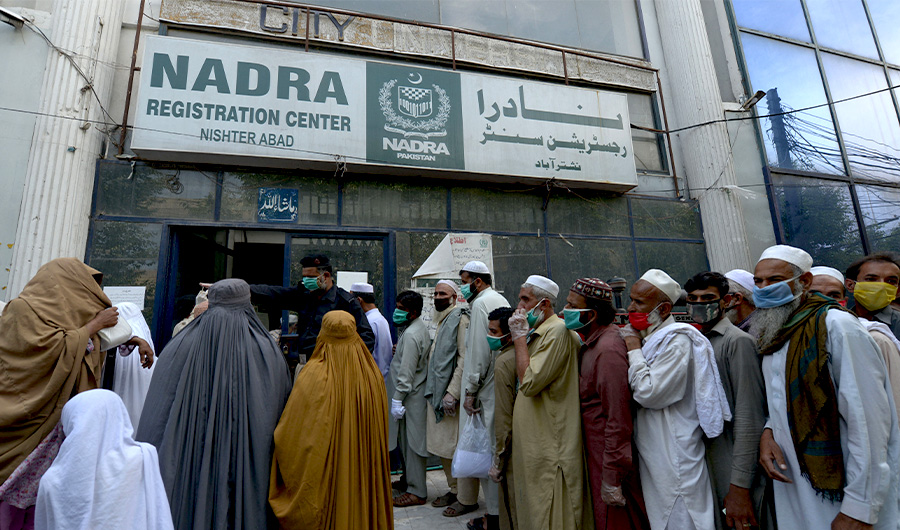
The circular is honest about the limits: physical attendance may still be required in exceptional cases, depending on the nature of the application and the documents involved. Think damaged originals, documents needing physical inspection, or cases flagged during verification. The default has flipped — online first, in-person only when necessary — but the exception exists, so do not assume every edge case is covered on day one.
Why This Matters Beyond Convenience
This is part of a wider digitisation wave in Pakistan’s public services. The Higher Education Commission already runs its attestation electronically, and MOFA explicitly modelled its system on that approach. Each department that moves attestation online removes one more counter where files pile up and “speed money” changes hands.
For a country where millions of citizens interact with the state primarily through documents — degrees for jobs, certificates for visas, papers for everything — the unglamorous work of making attestation boring and predictable is genuinely transformative. As any Pakistani who has done the old process will tell you: the best government service is the one you never have to queue for.
For Pakistanis planning travel or work abroad, this pairs with the broader push on legal migration channels — we recently covered the EU’s move to open more legal pathways for Pakistani workers, where properly attested documents are the first thing any consulate asks for.
Frequently Asked Questions
How do I attest my documents online through MOFA now?
Submit your documents electronically at portal-attestation.mofa.gov.pk, wait for MOFA’s verification and outcome notification, pay the prescribed fee online, and receive your e-Certificate by email. The system is effective from October 12, 2026.
Do I still need to visit the MOFA office in person?
Not by default. The circular says in-person visits are no longer needed except where physical attendance is genuinely necessary — for example, documents requiring physical inspection or cases flagged during verification.
Which cities does the digital attestation system cover?
MOFA headquarters in Islamabad and liaison offices in Lahore, Karachi, Peshawar, Quetta and Gujrat — all six locations operate the same digital system.
Should I choose general attestation or apostille?
Choose general attestation for standard verification of your documents. Choose apostille if your destination country is a member of the Hague Apostille Convention — the apostille is accepted across all member countries without further embassy legalisation. Confirm with your employer or institution first.
What documents can be attested through the new system?
The system covers consular documents for both general and apostille attestation — typically educational degrees, marriage and birth certificates, police clearance certificates and commercial documents. Upload clear, legible scans; poor scan quality is the most common cause of rejection on electronic attestation portals.
How long does online attestation take, and what does it cost?
The ministry has not published a fixed processing timeline or a single fee — fees are prescribed per document type and shown on the portal. Apply early if you have a visa or admission deadline, and check the current fee schedule at portal-attestation.mofa.gov.pk before submitting.