Pakistan to Seek Fresh EU GSP+ From January 2027: What It Means
Pakistan will have to formally apply for a fresh GSP+ trade arrangement with the European Union from January 2027, as the current framework expires at the end of December 2026. The development — confirmed by official sources this week — sets the clock ticking on one of the most consequential economic files for the country:…
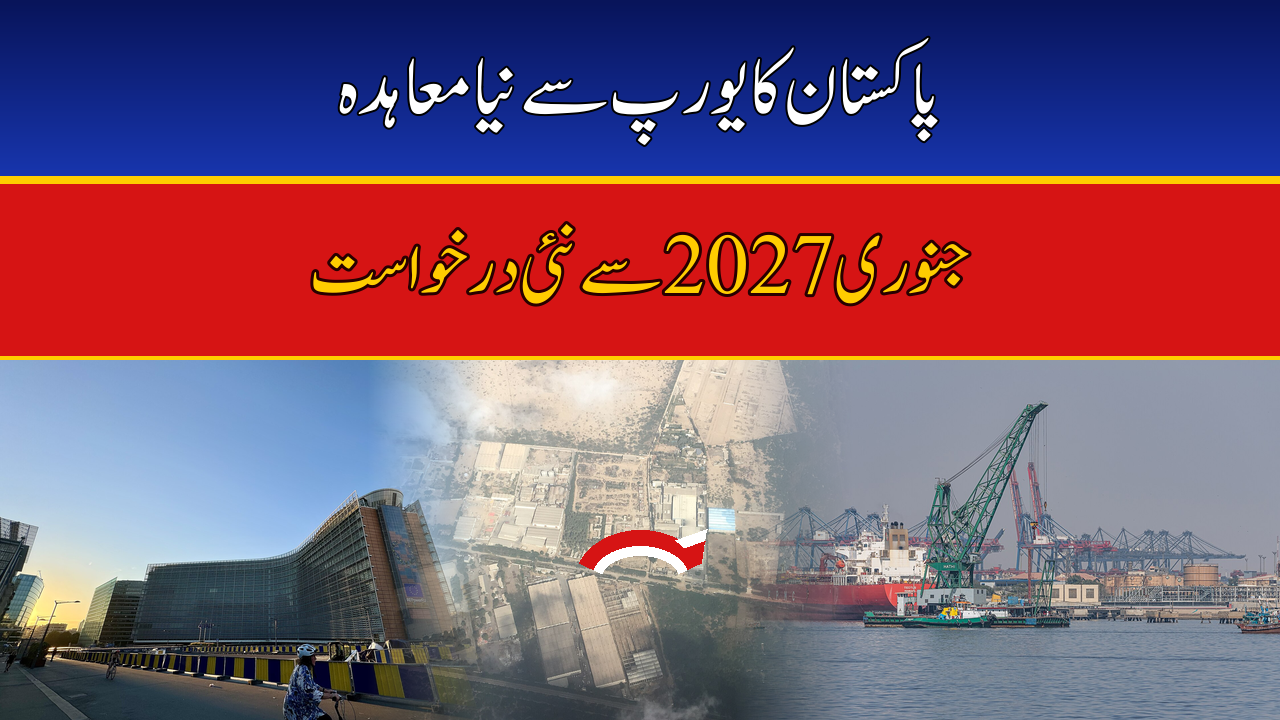
Pakistan will have to formally apply for a fresh GSP+ trade arrangement with the European Union from January 2027, as the current framework expires at the end of December 2026. The development — confirmed by official sources this week — sets the clock ticking on one of the most consequential economic files for the country: the preferential trade access that underpins billions of euros in exports, above all textiles and garments.
| Key fact | Detail |
|---|---|
| Current GSP+ expires | December 31, 2026 |
| Fresh applications open | January 1, 2027 (new EU GSP regulation takes effect) |
| Transition/grace period | January 1, 2027 – December 31, 2028 (existing benefits continue) |
| Pakistan’s EU exports (2024) | ~€7.5 billion under duty-free/reduced-tariff arrangements |
| Tariff savings (2024) | ~€732 million |
| New requirement | Compliance with 32 international conventions (up from 27) + forward-looking action plan |
| Key meeting this week | EU Ambassador Raimundas Karoblis met Pakistan Textile Council leadership in Karachi |
What changes in January 2027
Under the EU’s revised GSP regulation, which takes effect on January 1, 2027, there is no automatic rollover for existing beneficiaries. Any country — including Pakistan — that wants to keep zero- and reduced-tariff access to the European market must submit a fresh application once the new regulation is in force. Pakistan will therefore formally apply in the aftermath of January 2027, according to top official sources cited by The News.
The good news for exporters: nobody’s shipments stop at the border on New Year’s Day. Existing beneficiaries get a two-year transition period, running until December 31, 2028, during which current preferences continue while the European Commission and the European Parliament complete assessment and approval of the new arrangement — provided Pakistan keeps meeting its current obligations.
The bar, however, is higher this time. The revised framework expands the compliance load from 27 to 32 international conventions covering human rights, labour rights, environmental protection, climate and governance — and, crucially, shifts the EU’s scrutiny from ratification and legislation on paper toward how commitments are actually implemented. Pakistan will need to file its reapplication backed by a forward-looking action plan with specific measures on those fronts.
Why this matters so much for Pakistan
GSP+ is not an abstract trade file — it is the margin on which much of Pakistan’s export economy runs. In 2024, Pakistan exported around €7.5 billion worth of goods to the EU under duty-free or reduced-tariff arrangements, mostly textiles and garments, with the preferences estimated to have saved exporters about €732 million in tariffs. Lose the preferences and Pakistani garments suddenly cost European buyers several percentage points more than competitors’ — in a business where contracts are won and lost on fractions of a cent per unit.
For the hundreds of thousands of workers in the textile value chain — from spinning mills in Faisalabad to garment factories in Karachi and Lahore — continued GSP+ access is effectively a jobs question. That is why the EU ambassador’s meetings with the Pakistan Textile Council this week matter: the industry is already planning around the transition.
What the EU is asking for
EU Ambassador Raimundas Karoblis, meeting PTC leadership in Karachi, stressed that continued benefits depend on the effective implementation of existing international commitments rather than the adoption of new standards. He called for measurable improvements in human rights and the rule of law, and said the European Commission would step up engagement with Pakistan following its 2023–2025 GSP monitoring assessment, published on July 16, 2026.
The ambassador acknowledged the government’s willingness to cooperate but was blunt that commitments must translate into action at ministerial and working levels. He called for immediate progress in areas of concern, followed by an implementation plan with specific measures, timelines and measurable targets.
Official sources in Islamabad are equally candid about the road ahead: Pakistan will need “hectic lobbying” and stronger institutional capacity to satisfy the compliance requirements of the next scheme. The EU’s July monitoring report, while acknowledging progress in some sectors, flagged persistent concerns including human rights, prison reforms, enforced disappearances, freedom of expression, child labour and minority-rights protections.
Diplomacy is already moving
The file is active at the highest levels. Last month, Deputy Prime Minister and Foreign Minister Ishaq Dar stressed the significance of the GSP+ scheme for Pakistan’s economic ties with the EU during his meeting with EU High Representative for Foreign Affairs and Security Policy Kaja Kallas on the sidelines of the 81st UN General Assembly on September 21.
The sequencing from here is clear: keep complying through the transition window to December 2028, file the fresh application after January 2027, and spend the intervening two years proving — with measurable action, not just legislation — that Pakistan meets the expanded 32-convention standard.
What exporters should watch
Three things will decide how this plays out. First, whether Islamabad builds the institutional capacity — at federal and provincial levels — to track and demonstrate compliance, something officials privately admit needs work. Second, whether the diplomatic engagement with Brussels stays sustained rather than episodic. Third, whether the action plan Pakistan files actually contains the measurable targets the EU is demanding, or reads as another paper exercise.
The textile industry, which has the most to lose, will be watching all three closely. For everyone else, the takeaway is simpler: the next two years are a grace period, not a guarantee. What Pakistan does with them will decide the terms of its most important trade relationship for the decade after.
Read more: National Savings Profit Rates Hiked From October 21, 2026 — Complete New Rates · Pakistan to Raise Over $1 Billion from Privatisation of 5–6 Entities, Says Finance Minister · Dollar Rate Today in Pakistan — Interbank vs Open Market
Frequently Asked Questions
When does Pakistan’s current EU GSP+ expire?
The current framework expires on December 31, 2026. Pakistan must apply for a fresh arrangement once the new EU GSP regulation takes effect on January 1, 2027.
Will Pakistan lose trade preferences in January 2027?
No. Existing beneficiaries get a two-year transition period until December 31, 2028, during which current GSP+ benefits continue while the EU Commission and Parliament finalise the new arrangement — as long as Pakistan keeps meeting its current obligations.
What is new in the revised GSP+ framework?
Beneficiaries must comply with 32 international conventions (up from 27) and the EU will scrutinise actual implementation of commitments — on human rights, labour, environment, climate and governance — rather than just ratification and legislation.
How much does Pakistan export to the EU under GSP+?
Around €7.5 billion in 2024, mostly textiles and garments, with tariff savings estimated at about €732 million.
What is the EU asking Pakistan to do?
EU Ambassador Raimundas Karoblis has called for measurable improvements in human rights and the rule of law, effective implementation of existing commitments, and an implementation plan with specific measures, timelines and measurable targets.
When will Pakistan formally apply?
Pakistan will formally apply for the new scheme after January 2027, once the revised regulation is in force, according to official sources.
By Bilal Ahmed · Updated October 22, 2026