Petrol Cut by Rs5.16/L, Diesel Slashed Rs7.69 — New Fuel Rates for October 20, 2026
By Bilal Ahmed | Business Desk | Published: October 20, 2026 Petrol is Rs5.16 per litre cheaper starting today. The federal government has cut the price of petrol from Rs386.30 to Rs381.14 per litre and slashed high-speed diesel by Rs7.69 to Rs389.27 per litre, effective Tuesday, October 20, 2026. The Petroleum Division issued the notification…
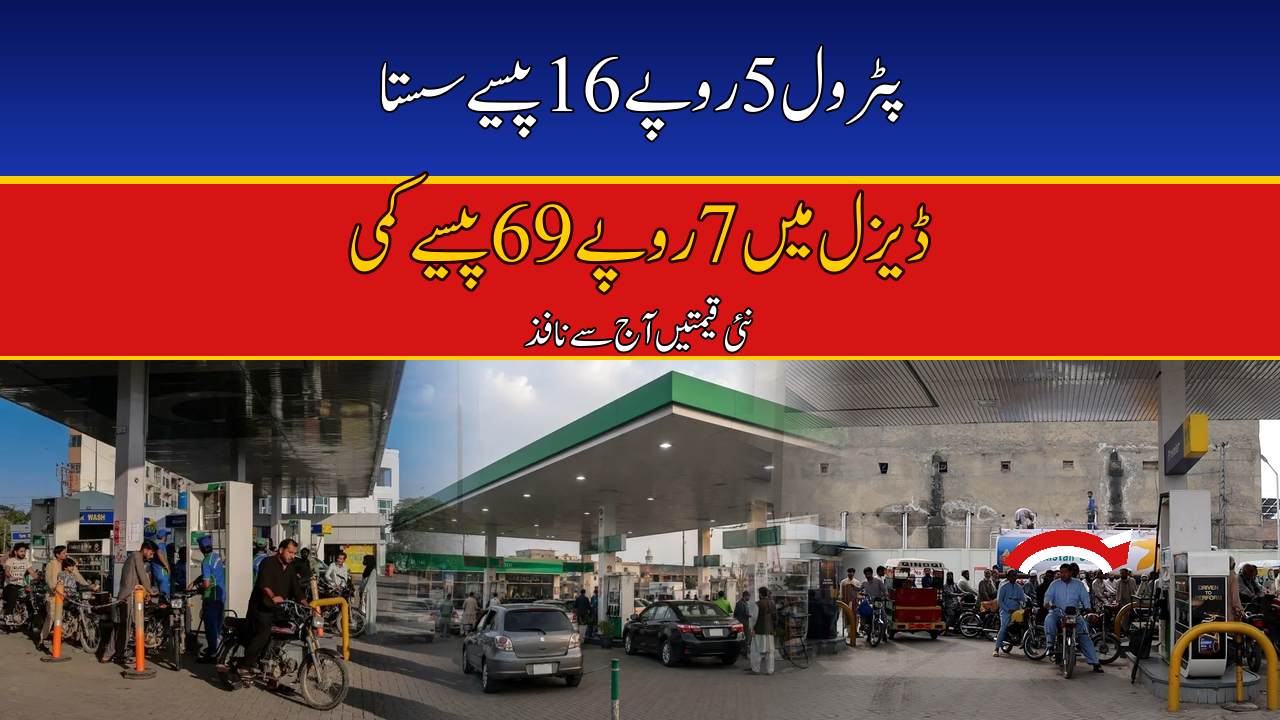
Petrol is Rs5.16 per litre cheaper starting today. The federal government has cut the price of petrol from Rs386.30 to Rs381.14 per litre and slashed high-speed diesel by Rs7.69 to Rs389.27 per litre, effective Tuesday, October 20, 2026. The Petroleum Division issued the notification on Monday after OGRA worked out the revised ex-depot prices under the government’s daily pricing mechanism.
New Fuel Rates — October 20, 2026: Quick Facts
| Petrol (new price) | Rs381.14/L (cut by Rs5.16) |
| High-speed diesel (new price) | Rs389.27/L (cut by Rs7.69) |
| Previous rates | Petrol Rs386.30/L; diesel Rs396.96/L (set Friday, held Oct 17–19) |
| Effective | Tuesday, October 20, 2026 |
| Notified by | Petroleum Division (Monday); prices worked out by OGRA |
| Pricing system | Daily pricing: OGRA sets ex-depot prices Mon–Fri on a 7-day average of global prices |
The New Petrol and Diesel Prices in Detail
The cuts are straightforward. Petrol drops Rs5.16 a litre — from Rs386.30 to Rs381.14 — while high-speed diesel falls Rs7.69 — from Rs396.96 to Rs389.27.
The previous revision had come on Friday, when petrol was cut by Rs3.93 to Rs386.30 and diesel was left unchanged at Rs396.96. Under the daily pricing system, Friday’s rates automatically carried through the weekend, holding from October 17 to 19. So today’s notification is the first fresh set of rates of the new week — track the daily movement on our petrol price in Pakistan tracker, and see the October 17 fuel rates for the weekend’s standing prices.
Why Were Fuel Prices Cut?
The Petroleum Division attributed the reduction to developments in the international market — specifically movements in Platts reference prices, premiums, and incidental costs that feed into OGRA’s ex-depot calculation.
The global picture supports it. Brent crude was trading around $108.14 a barrel, down 1.6%, and US WTI around $100.54, down 0.86% — both cooling off after hitting multi-month highs last week, amid the continuing churn of the Middle East and Ukraine conflicts and US waivers on sanctions and tariffs affecting Russian exports.
How the Daily Fuel Pricing Mechanism Works
This is the part that still confuses many consumers, so here is the plain-language version. On July 17, 2026, the cabinet approved a daily fuel pricing mechanism: OGRA now issues ex-depot prices every working day, Monday to Friday, based on the 7-day average of international market prices. Rates set on Friday stand through Saturday and Sunday.
Two things changed fundamentally. First, there is no longer any requirement for the Prime Minister’s or the federal government’s prior approval before prices change — OGRA works them out from the formula and notifies. Second, the cabinet capped the petroleum levy, putting a ceiling on how much tax can ride on each litre. OGRA has also been publishing daily Platts reference prices since July 1, 2026, so the raw inputs are visible to the market.
Petroleum Minister Ali Pervaiz Malik says the mechanism follows international practice — tracking the 7-day average rather than reacting to any single day’s spike or dip.
For households, the takeaway is simple: fuel prices can now move every weekday, so the habit of checking rates once a fortnight is officially outdated.
The Bigger Picture: A Volatile Year for Oil
Today’s cut lands in what has been an unusually turbulent year for global oil. The daily pricing mechanism itself was introduced amid heightened Middle East volatility — after Israel and the United States attacked Iran on February 28, the Strait of Hormuz was shut, and although a fragile June truce followed, it later collapsed. Each of those shocks rippled straight into the crude benchmarks that determine what Pakistan pays for imported fuel.
That context explains the cabinet’s logic. Under the old fortnightly system, a sudden spike — or a sudden relief — could take up to two weeks to reach consumers. Daily pricing takes the government out of the daily loop and lets the 7-day average do the talking.
What This Means for You
A Rs5.16 cut will not transform anyone’s monthly budget on its own, but fuel prices have an outsized knock-on effect. Diesel is the fuel of freight — trucks, buses, and goods transport — so a Rs7.69 diesel cut eases pressure on transport costs and, indirectly, the prices of goods that travel by road.
The Rs100/L Relief Scheme for Small Vehicles
Separate from today’s cut, it is worth remembering the relief package Prime Minister Shehbaz Sharif announced on September 13: a Rs100-per-litre relief scheme aimed at motorcycles, three-wheelers, and 800cc cars — the vehicles ordinary households actually run.
The scheme covers an estimated 11.8 million beneficiaries: 10 million two-wheelers (up to 20 litres a month, max Rs2,000 relief), 800,000 three-wheelers, and 1 million 800cc cars (up to 30 litres a month, capped at Rs3,000) — relief from two directions at once.
What to Watch Next
Three things will decide where fuel prices go from here: global crude (if Brent stays below its multi-month highs, the 7-day average keeps favoring cuts), the exchange rate, and the petroleum levy — now capped by cabinet decision, but adjustable within that ceiling.
Under daily pricing, there is no need to wait a fortnight for answers — tomorrow morning’s OGRA notification will say it all. TimelyUps updates the petrol price tracker every working day.
Frequently Asked Questions
What is the petrol price in Pakistan today (October 20, 2026)?
Petrol is Rs381.14 per litre from Tuesday, October 20, 2026, after a Rs5.16 cut notified by the Petroleum Division on Monday. High-speed diesel is Rs389.27 per litre after a Rs7.69 cut.
How much was the diesel price reduced?
High-speed diesel was cut by Rs7.69 per litre — from Rs396.96 to Rs389.27 — effective October 20, 2026. The previous Friday revision had left diesel unchanged.
When do the new fuel prices take effect?
The new rates took effect on Tuesday, October 20, 2026. The Petroleum Division’s notification was issued on Monday, October 19, with OGRA’s revised ex-depot prices.
Why do fuel prices in Pakistan change daily now?
Since July 17, 2026, the cabinet-approved daily pricing mechanism has OGRA issuing ex-depot prices every working day (Monday to Friday) based on a 7-day average of international market prices. Friday’s rates stand over the weekend. No prior approval from the Prime Minister or federal government is required.
Why did petrol get cheaper this time?
The Petroleum Division attributed the cut to international market developments — movements in Platts reference prices, premiums, and incidentals. Brent crude had eased to around $108.14 and WTI to $100.54 after multi-month highs, and the 7-day average mechanism passed that relief to consumers.
Who qualifies for the Rs100 per litre fuel relief scheme?
The September 13 scheme targets motorcycles, three-wheelers, and 800cc cars — an estimated 11.8 million beneficiaries. Two-wheelers get up to 20 litres a month (max Rs2,000 relief) and 800cc cars up to 30 litres a month (max Rs3,000).
Two cuts in five days — Rs3.93 on Friday, Rs5.16 today — add up to nearly Rs9 a litre off petrol in less than a week. Under daily pricing, that is the new normal: prices that move with the market, in both directions. Check back tomorrow morning for the next OGRA notification.