Iran Attacks Bahrain and Kuwait as Gulf Crisis Widens — US Bases Targeted
By Bilal Ahmed | World | Updated: 19 November 2026 Iran fired on a United States air base in Kuwait and launched several attacks on Bahrain on Wednesday, 18 November 2026, in what appeared to be retaliation for American strikes the day before. According to the Associated Press, it was the first time Iran had…
By Bilal Ahmed | World | Updated: 19 November 2026
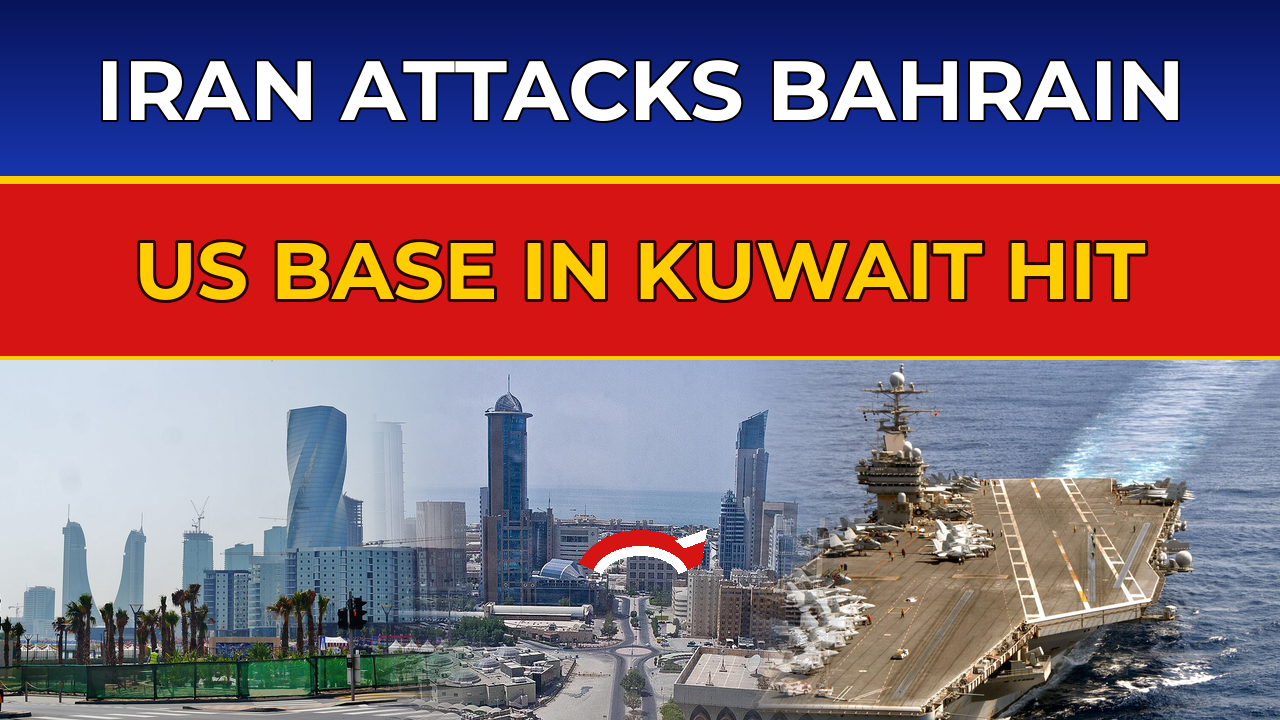
Iran fired on a United States air base in Kuwait and launched several attacks on Bahrain on Wednesday, 18 November 2026, in what appeared to be retaliation for American strikes the day before. According to the Associated Press, it was the first time Iran had struck Kuwait since September, and the attacks on Bahrain were the latest in a series of Iranian strikes on American facilities in the Gulf kingdom in less than a week.
Bahrain’s military said its air defences intercepted a number of the Iranian attacks, while Kuwait’s army said its air defences had intercepted drone attacks and did not immediately report any damage. No casualties or damage from Wednesday’s attacks on either country had been confirmed by officials at the time of reporting.
Key facts: Iran attacks Bahrain and Kuwait
| What happened | Detail |
|---|---|
| Date | Wednesday, 18 November 2026, early morning |
| Targets in Kuwait | Ali Al Salem Air Base — Iran’s military said it targeted US drone and missile installations there |
| Targets in Bahrain | Several Iranian attacks; Bahrain’s military said its air defences intercepted them |
| Bahrain shelter alerts | Bahrain’s Interior Ministry issued two alerts urging people to take shelter, followed by an “all clear” |
| Attacks on Bahrain in five days | Tuesday’s attack was the third in five days, after attacks on Friday and Sunday; Wednesday brought further attacks |
| US response on Tuesday | A US fighter jet struck an IRGC missile launch site on Qeshm Island in the Strait of Hormuz |
| Tanker attacked | An ADNOC Logistics vessel was attacked in the Strait of Hormuz on Tuesday evening; one crew member missing, 11 injured |
| War began | 28 February 2026, when the US and Israel attacked Iran |
What happened in Kuwait
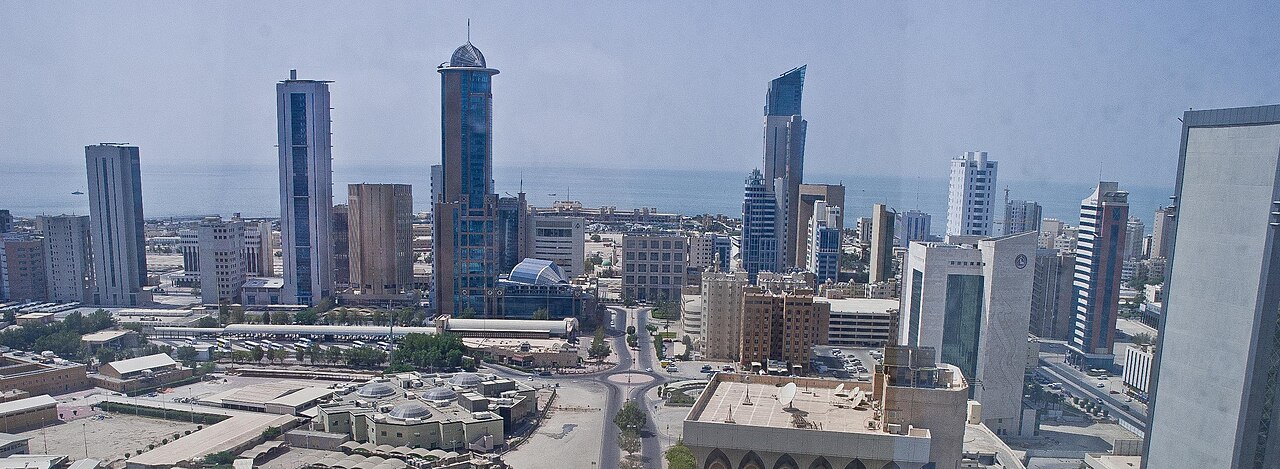
In the attack early on Wednesday on Ali Al Salem Air Base, the Iranian Army fired at air defence systems as well as drone and missile launch platforms, according to a report on Iran’s state broadcaster cited by the Associated Press. Iran’s military said its drones targeted US Patriot air defence systems and drone and missile launch platforms at the base, according to a statement carried by Iranian state television and reported by Gulf News.
Kuwait’s army said its air defences had intercepted drone attacks and did not immediately report any damage. The country’s Foreign Ministry condemned the repeated Iranian attacks as “criminal”, saying they threatened the country’s security and stability. Reuters reported that it was the first Iranian attack on Kuwait since September — the first in over two months.
According to an Associated Press report, Ali Al Salem Air Base was struck at least 30 times by Iran during the war, damaging or destroying at least 15 aircraft hangars, numerous warehouses and 10 buildings near a residential area.
What happened in Bahrain
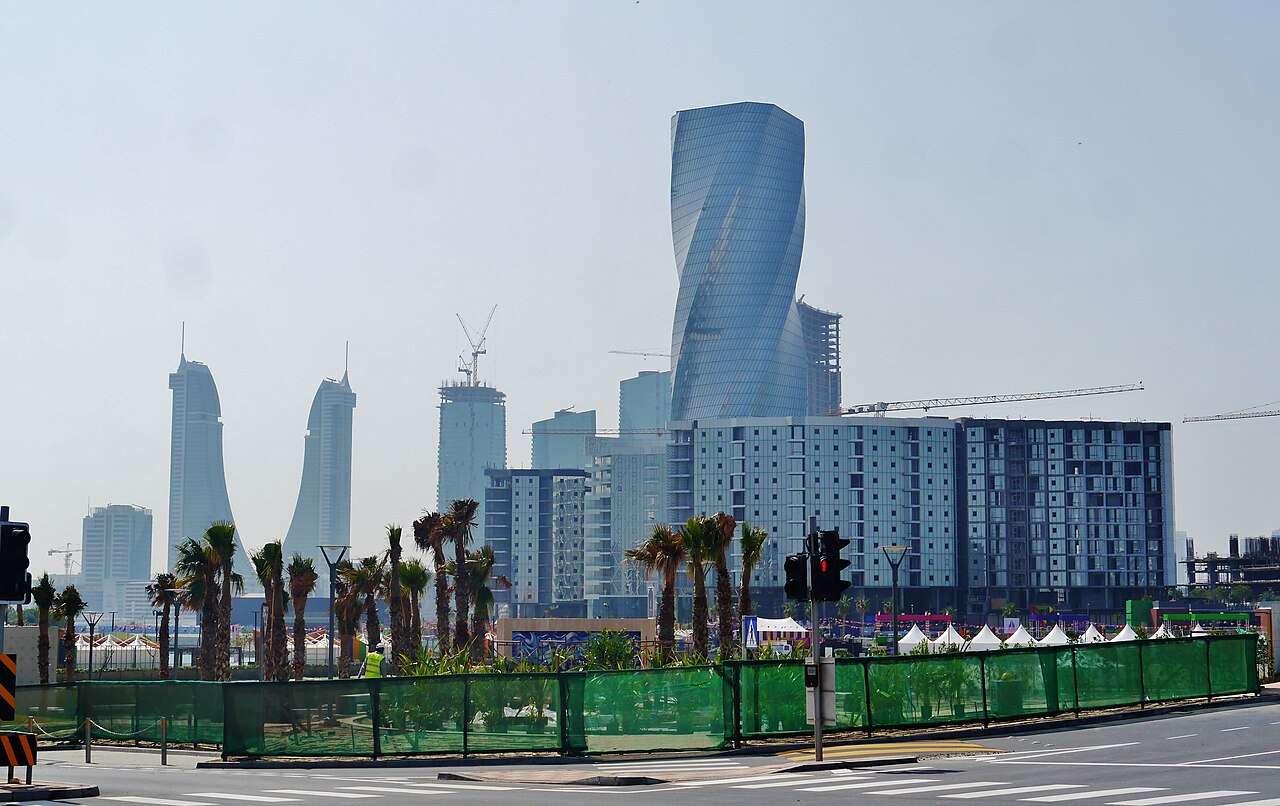
After about two months without such attacks, Iran has repeatedly targeted US facilities in Bahrain in recent days, according to the Associated Press. The small Gulf island kingdom hosts the US Navy’s Fifth Fleet.
Bahrain’s Interior Ministry issued two alerts early on Wednesday morning urging people to take shelter, followed by the “all clear” a short time later, according to the Associated Press. The country’s military later said it had intercepted a number of attacks from Iran but gave no information on any damage or casualties.
The General Command of the Bahrain Defence Force said its air defence systems had intercepted several Iranian air strikes aimed at the kingdom, describing the attacks as part of what it called a continuing, systematic Iranian campaign against Bahrain, Gulf News reported.
Tuesday’s attack was the third Iranian attack on US targets in Bahrain in five days, following earlier attacks on Friday and Sunday, according to the Associated Press and Khaleej Times. Wednesday morning brought further aerial threats, Khaleej Times reported. Wednesday’s attacks were the fourth on Bahrain in six days, according to Gulf News.
How the exchange unfolded on Tuesday
The early morning attacks came after a US fighter jet struck a Revolutionary Guard missile launch site on Tuesday on Qeshm Island in the Strait of Hormuz, according to the Associated Press. The US strike was in retaliation for an Iranian strike on an American radar installation in Bahrain earlier on Tuesday.
On Tuesday, Iran’s Islamic Revolutionary Guard Corps (IRGC) said it had launched drones targeting a US-operated radar system at Sheikh Isa Air Base in Bahrain, Khaleej Times reported. Iran described the operation as retaliation for what it claimed were repeated violations of its airspace by American military drones. US Central Command said the incoming drones had been intercepted without damage to American equipment or injuries to US personnel, according to Khaleej Times.
A US military official told Reuters that American aircraft used precision munitions and described the Qeshm Island strike as self-defence. “The strike was in response to IRGC aggression targeting US personnel and assets,” the official said, according to Gulf News. Iranian media, cited by Reuters, said the US attack did not damage infrastructure.
Iran said its recent attacks — including those on other US facilities in Bahrain on Sunday and Friday — were in response to US drone surveillance operations and an attack on Iranian communications towers, according to the Associated Press.
| Date | Event |
|---|---|
| Friday, 13 November 2026 | Iranian attack on US facilities in Bahrain, according to AP |
| Sunday, 15 November 2026 | Iranian drones launched at radar positions at Bahrain’s Riffa Air Base, according to Gulf News |
| Tuesday, 17 November 2026 | IRGC said it launched drones at a US radar system at Sheikh Isa Air Base, Bahrain; US jets struck an IRGC missile site on Qeshm Island; an ADNOC vessel was attacked in the Strait of Hormuz |
| Wednesday, 18 November 2026 | Iran fired on Ali Al Salem Air Base in Kuwait and attacked Bahrain several times; the Saudi-led coalition said it destroyed two Houthi cruise missiles headed for Riyadh |
Houthi missiles aimed at Riyadh intercepted
In Saudi Arabia, defences intercepted and destroyed two cruise missiles fired by Iran-backed Houthi rebels in Yemen toward the capital, Riyadh, according to Maj. Gen. Turki al-Malki, spokesman for the Saudi-led coalition fighting the Houthis. Gulf News reported the same figure in its live coverage.
The previous day, coalition forces launched a major air attack across rebel-held territories in Yemen. Maj. Gen. al-Malki said Tuesday’s strikes destroyed “60 legitimate military targets” and were aimed at weakening Houthi missile and drone capabilities. The Houthis said the strikes killed at least 17 people, according to the Associated Press.
The attacks came after Saudi-backed forces pulled out from areas around the Bab el-Mandeb strait, a setback to the anti-Houthi camp, according to the Associated Press. The withdrawal consolidated the Iranian-backed rebels’ grip on the strategic waterway, which is a key route for global oil and commercial goods.
Tanker attacked in the Strait of Hormuz
Separately, an ADNOC Logistics vessel was attacked while transiting the Strait of Hormuz on Tuesday evening, the company confirmed on Wednesday, according to Khaleej Times and Gulf News. One crew member was missing and 11 others were injured and receiving medical care, ADNOC Logistics and Services said.
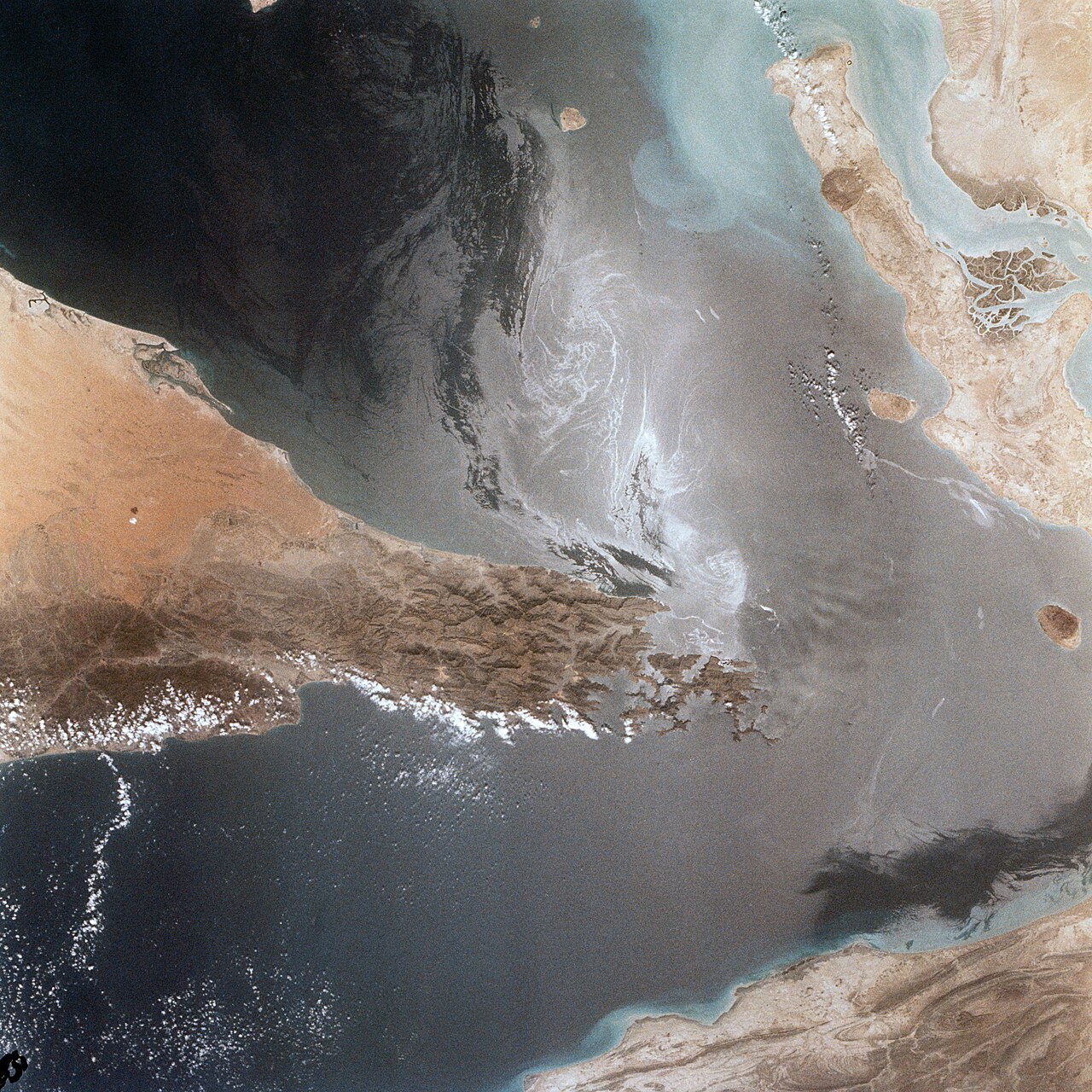
The Strait of Hormuz connects the Gulf to the Gulf of Oman and is a vital passage for oil, gas and commercial shipping. Before the current conflict disrupted maritime traffic, roughly one-fifth of global oil consumption passed through the waterway, according to Khaleej Times. The strait has become a major point of confrontation since the war began in February, with Washington imposing a naval blockade on Iranian ports since the summer while Tehran has sought to restrict shipping through the passage.
In another incident reported off the Omani coast on Wednesday, 24 crew members were evacuated from a burning tanker, while one person was reported missing, according to Khaleej Times and Oman’s National Committee for Emergency Management.
Shipping disruption in the Gulf matters far beyond the region. An earlier Iranian strike on a tanker in the Strait of Hormuz already raised questions about fuel supplies, and any sustained threat to the waterway feeds directly into petrol prices in Pakistan and across South Asia.
Regional reaction
Egypt, Qatar, Saudi Arabia and the United Arab Emirates each condemned Iran’s attack on Bahrain, calling it a violation of Bahrain’s sovereignty and a threat to its security and stability, Reuters reported. Saudi Arabia’s Foreign Ministry also condemned Iran’s attacks on Kuwait and Bahrain, as well as the attack on the Emirati oil tanker, Gulf News reported.
Qatar said Iran’s “continued attacks” on Bahrain “undermine diplomatic efforts”, and its Foreign Ministry spokesman warned that any escalation in fighting posed an “extremely grave danger” to the prospects of reaching an agreement, according to the Times of Israel.
The Gulf Cooperation Council’s Secretary-General, Jasem Mohamed Albudaiwi, condemned what he called “repeated” Iranian attacks on Bahrain and called on the international community, and the UN Security Council in particular, to take decisive measures to halt the attacks, Gulf News reported.
The US State Department also reissued security warnings to American citizens in Bahrain and Saudi Arabia.
The regional security picture is shifting quickly. Pakistan and Turkiye’s troop deployment to Saudi Arabia under a defence pact shows how Gulf security arrangements are already drawing in countries across the region.
What officials have said about what comes next
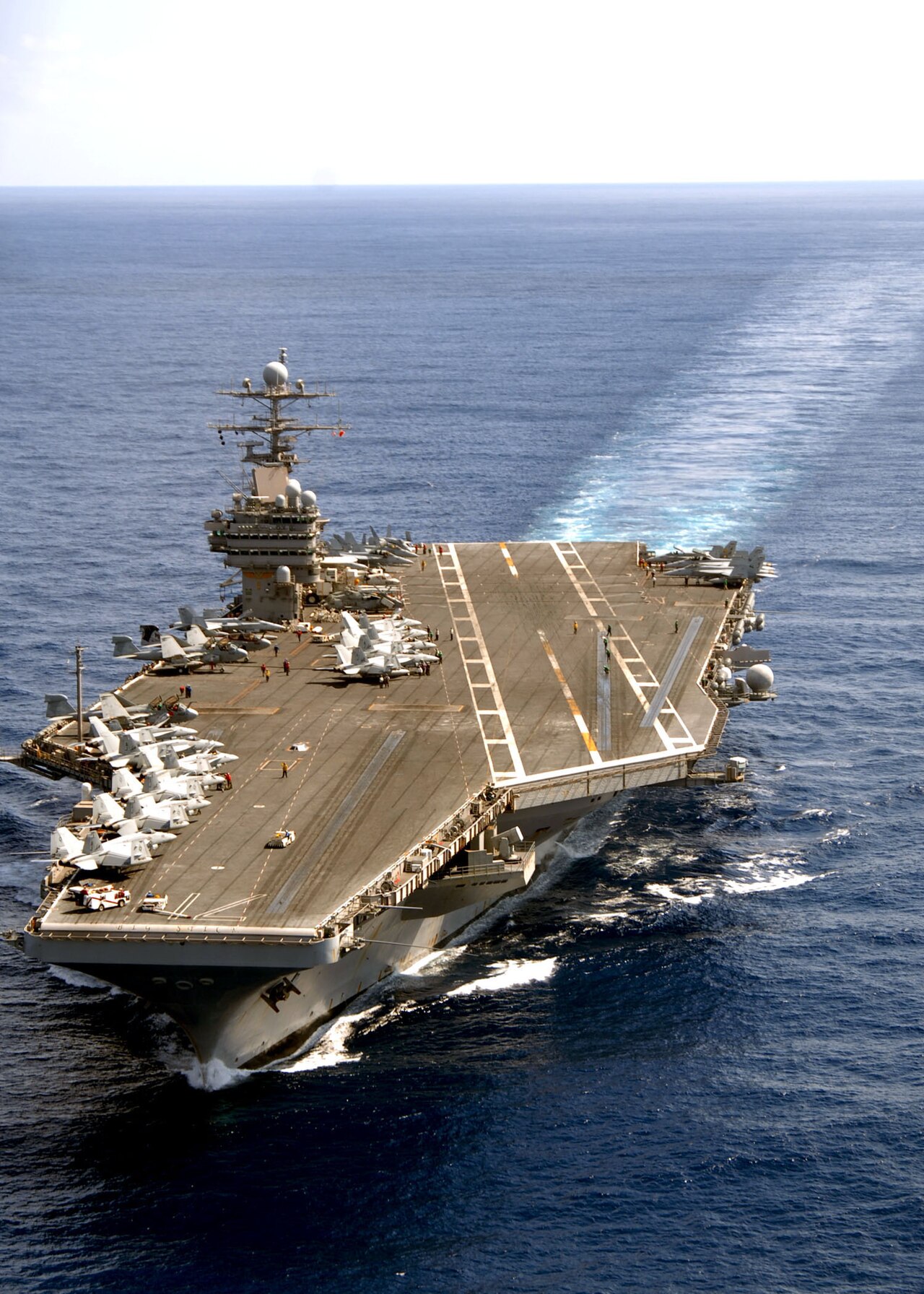
US President Donald Trump has sent mixed messages on his next steps, saying new strikes are highly unlikely, but also sending a third aircraft carrier and thousands more troops to the Middle East, according to the Associated Press. The USS Theodore Roosevelt arrived in the region this week, sailing alongside the USS George Washington, bringing the number of American aircraft carrier strike groups in the region to three, according to the Times of Israel and Khaleej Times.
On Wednesday, US Secretary of State Marco Rubio said he did not think there was an “imminent threat” of an attack on the US capital, after reports that US intelligence assessments had raised the possibility of an Iranian plot, the Times of Israel reported. Iran’s Foreign Ministry denied the allegations on Tuesday, calling them “baseless”.
Diplomatic efforts continued on Tuesday in Oman, where Qatari and Iranian officials met for talks aimed at bridging differences, according to the Times of Israel. Analysts quoted by the Associated Press warned that even if neither side intends a broader confrontation, the accumulation of military incidents across multiple fronts increases the risk of miscalculation. Hamidreza Azizi, senior Iran analyst at the International Crisis Group, said the incidents increase “the risk of miscalculation and escalation beyond what either side originally intended”.
Frequently asked questions
Did Iran attack Bahrain and Kuwait on 18 November 2026?
According to the Associated Press and Reuters, yes. Iran fired on the Ali Al Salem Air Base in Kuwait and launched several attacks on Bahrain on Wednesday morning, 18 November 2026. Bahrain’s military said its air defences intercepted a number of the attacks, and Kuwait’s army said its air defences intercepted drone attacks.
Why did Iran target Bahrain and Kuwait?
According to Iran, the attacks were retaliation for US drone surveillance operations and an attack on Iranian communications towers, and followed US strikes the day before. Bahrain and Kuwait host US military facilities — Bahrain hosts the US Navy’s Fifth Fleet, and Ali Al Salem Air Base in Kuwait hosts US forces.
Was anyone hurt in the attacks on Bahrain and Kuwait?
No damage or casualties from Wednesday’s attacks on Bahrain or Kuwait had been reported by officials at the time of reporting. Bahrain’s military said it intercepted the attacks but gave no information on damage or casualties, and Kuwait’s army said it did not immediately report any damage. Separately, an ADNOC vessel attacked in the Strait of Hormuz on Tuesday evening had one crew member missing and 11 injured.
What happened on Qeshm Island on 17 November?
According to the Associated Press and Reuters, a US fighter jet struck a Revolutionary Guard missile launch site on Qeshm Island in the Strait of Hormuz on Tuesday, in retaliation for an Iranian strike on an American radar installation at Sheikh Isa Air Base in Bahrain earlier that day. A US military official described the strike as self-defence.
When did the US-Iran war begin?
According to the Associated Press and Khaleej Times, the war began on 28 February 2026, when the US and Israel attacked Iran. Iran has regularly fired on US facilities and interests in neighbouring Gulf countries since then.
Is the Strait of Hormuz still open to shipping?
The strait remains a major point of confrontation. According to the Associated Press, US military protection has helped restore oil shipments from the Gulf roughly to pre-war levels, but Iran has continued to attack tankers transiting the strait, and an ADNOC vessel was attacked there on Tuesday evening, 17 November.