Trump Launches ‘Super Intelligence Force’ AI Task Force Led by Jay Clayton
US President Donald Trump has announced the creation of a federal “Super Intelligence Force” — a new AI task force that will be led by the country’s intelligence chief, Jay Clayton, and tasked with keeping America ahead of rivals like China in the race for advanced artificial intelligence. The announcement, made on 4 October 2026…
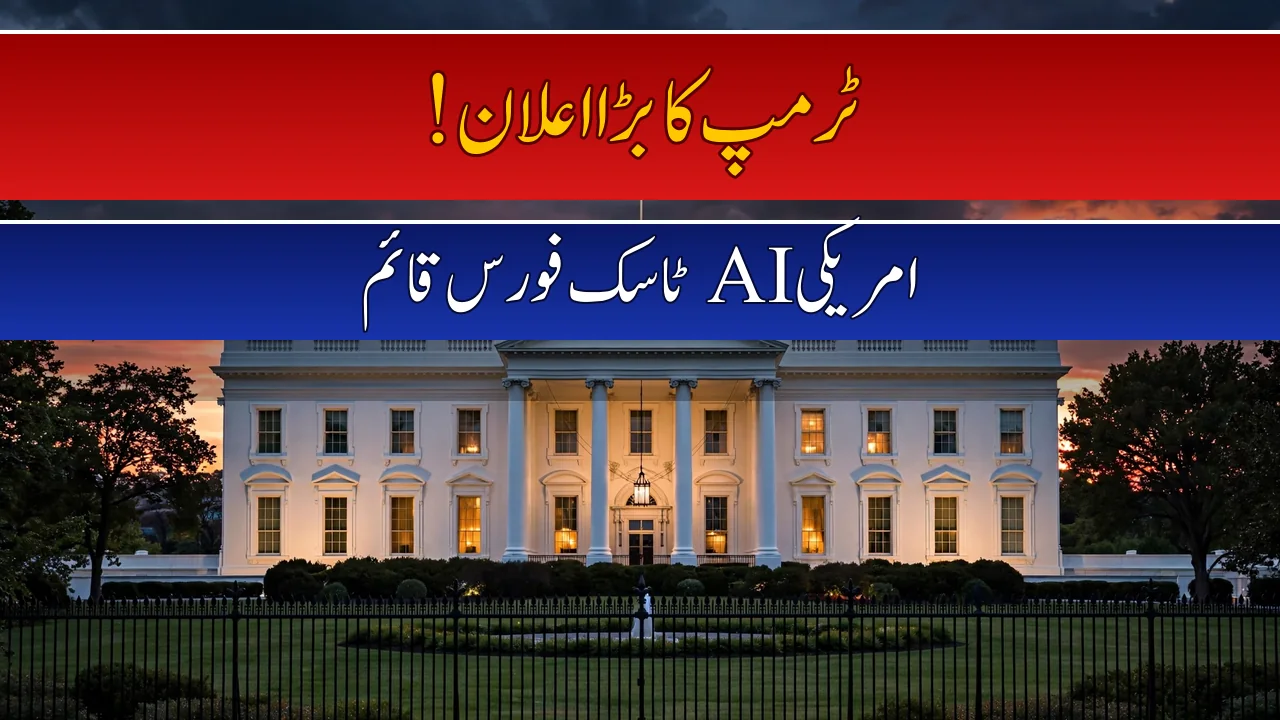
US President Donald Trump has announced the creation of a federal “Super Intelligence Force” — a new AI task force that will be led by the country’s intelligence chief, Jay Clayton, and tasked with keeping America ahead of rivals like China in the race for advanced artificial intelligence.
The announcement, made on 4 October 2026 through a post on Trump’s social network Truth Social, is the latest twist in Washington’s increasingly dramatic approach to AI policy: an executive order rebrands artificial intelligence as “super intelligence”, and now a government-wide task force carries the same name.
What Is the Super Intelligence Force?
According to Trump’s announcement, the force “is tasked with coordinating the effort of the Federal Government to ensure that America continues to lead the World in Super Intelligence, which many say is bigger than the Industrial Revolution, and the Internet.” The stated goals are to protect American interests and improve the lives of US citizens — though the announcement offered no specific actions or oversight powers.
- Chair: Jay Clayton, the Director of National Intelligence, who will effectively serve as the White House AI czar.
- Vice chairs: FTC Chair Andrew Ferguson, Undersecretary of War for Research and Engineering Emil Michael, and Office of Personnel Management Director Scott Kupor.
- 120-day deadline: The task force has 120 days to produce a report on the risks and opportunities presented by AI.
- Consultations: It will meet with consumers, public-interest groups, faith groups, critical infrastructure operators and AI companies.
How the Idea Emerged
The task force did not come out of nowhere. Back in September, Trump had dismissed the AI safety debate as a hoax created by “Radical Left Dumocrats” — but promised he would nevertheless create an AI force and appoint an AI czar, joking that “only High I.Q. individuals need apply.”
Since then, Trump signed an executive order rebranding AI as “super intelligence”, and last week hosted top technology executives at the White House, where they signed a non-binding safety pledge — described by some outlets as a “constitution” setting standards for policing their own technology. Elon Musk, Mark Zuckerberg and the maker of ChatGPT were among those reported to have signed on.
Speed vs Safety: The Core Tension
The task force’s charter says it will “develop plans for responding to SI-enabled threats to our society, while preventing overregulation and regulatory capture that would stifle innovation and competition.” In other words: move fast, but do not let anyone slow things down.
Clayton, who previously said it would be irresponsible for the United States to “back away” from AI while countries like China advance, told the Wall Street Journal that “the risk of not being first is high” — arguing that falling behind raises dangers from adversaries, both known and unknown. He suggested the oversight regime should evolve through discussion, pointing to financial-industry risk models developed with the Federal Reserve and the SEC as an example.
Critics, however, note that putting the country’s top spy in charge of AI policy raises obvious questions about surveillance, while others — from Cybersecurity Dive to the Washington Post — point out that the task force faces serious expertise and partnership challenges and offers no real answers to the calls for an AI slowdown.
Why Pakistan Should Pay Attention
A US government-wide AI strategy is not just an American story. For Pakistan, the stakes are real:
- IT exports and freelancers: Pakistan’s growing IT export sector and its huge freelance workforce depend on access to US AI tools and platforms. American AI policy directly shapes what tools, models and chips Pakistani developers can use.
- The China factor: Much of the force is aimed at outpacing China. Pakistan, which works with both American and Chinese technology ecosystems, could face pressure to choose sides in an AI “tech Cold War.”
- Export controls: If Washington tightens rules on advanced AI chips and models, countries like Pakistan could find themselves caught in the crossfire of tech restrictions.
- Pakistan’s own AI policy: Islamabad has been drafting its own national AI framework. A task force model — for better or worse — may influence how Pakistan organises its own AI governance.
What Comes Next
The 120-day clock is ticking. When the task force delivers its report, the world will learn whether the “Super Intelligence Force” is a serious policy instrument or mostly branding. For now, the clearest signal is intent: the United States treats AI supremacy as a national mission — and expects everyone else to keep up.
FAQs
What is Trump’s Super Intelligence Force?
A new federal task force announced on 4 October 2026 to coordinate the US government’s AI efforts and keep America ahead of rivals like China. It follows an executive order rebranding AI as “super intelligence”.
Who leads the Super Intelligence Force?
Director of National Intelligence Jay Clayton chairs the task force, effectively becoming the White House AI czar. Vice chairs include the FTC chair, the Undersecretary of War for research and engineering, and the OPM director.
What will the task force do in 120 days?
It must produce a report on AI’s risks and opportunities, review current law, explore what steps Congress might take, and develop plans for responding to AI-enabled threats without stifling innovation.
How does this affect Pakistan?
US AI policy affects Pakistani freelancers and IT exporters who rely on American AI tools, could tighten chip and model export controls, and may pressure Pakistan between American and Chinese tech ecosystems.