Bangkok Floods: Death Toll Passes 30 as 3.2 Million Hit Across Thailand
Bangkok is battling its worst flooding in years after roughly 300mm of rain — half a year’s worth of average London rainfall — fell on the Thai capital in about two days. More than 30 people have been killed, a disaster has been declared across all 50 of the city’s districts, and over 3.2 million…
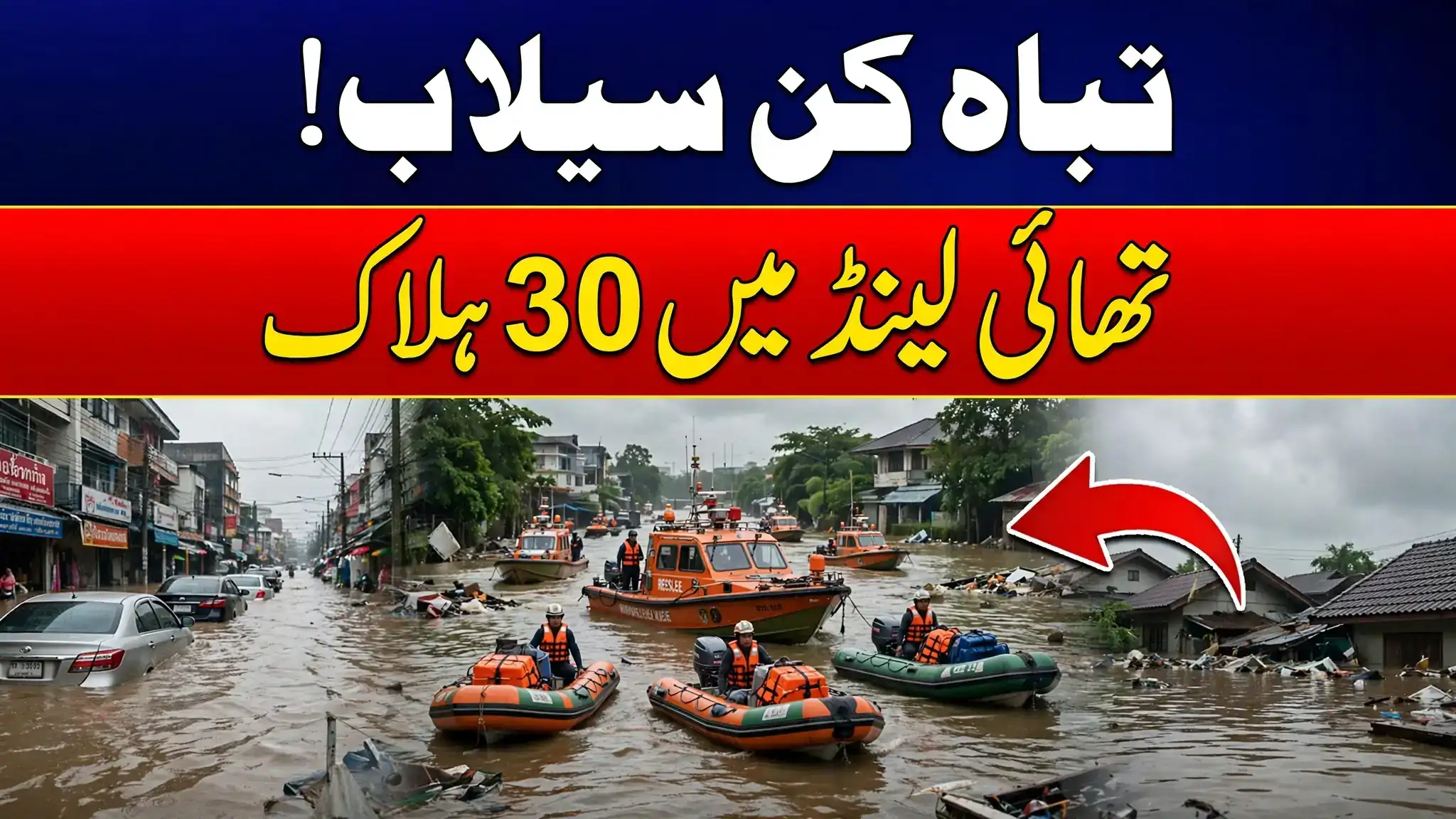
Bangkok is battling its worst flooding in years after roughly 300mm of rain — half a year’s worth of average London rainfall — fell on the Thai capital in about two days. More than 30 people have been killed, a disaster has been declared across all 50 of the city’s districts, and over 3.2 million people have been affected nationwide.
The deluge has turned whole neighbourhoods into stagnant lakes, forced thousands into shelters, disrupted the main international airport, shut factories, and even threatened this week’s IMF-World Bank meetings in the city. With more heavy rain forecast, Thailand’s government warns the crisis is far from over.
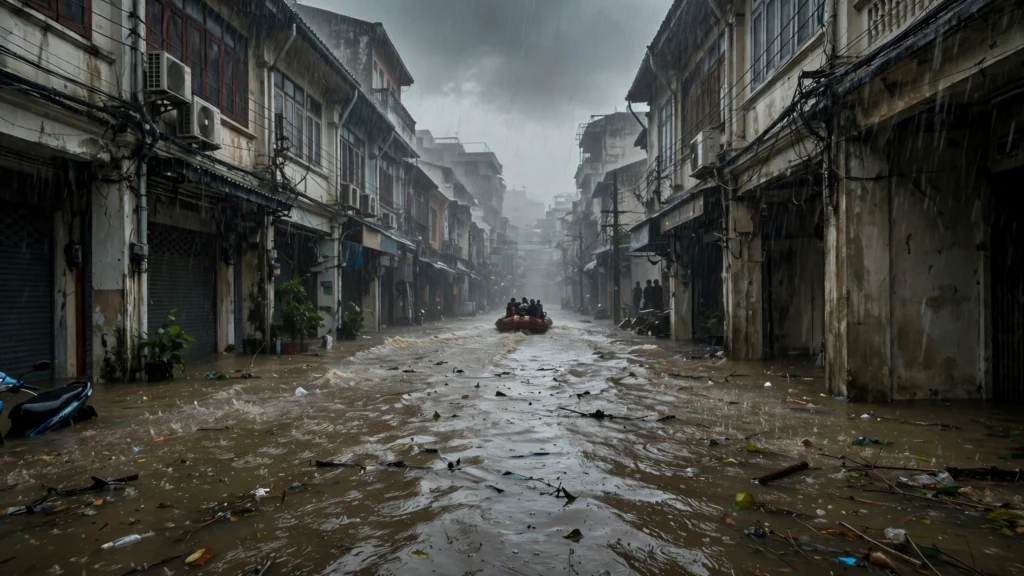
What Happened in Bangkok
Bangkok is used to sudden afternoon downpours during the rainy season, but this was different. Rain fell constantly — “like all day, all night”, as one 73-year-old resident put it — overwhelming the city’s defences.
- Disaster declared: A flood disaster has been declared across all 50 Bangkok districts, with pumping stations running at full capacity.
- Surreal scenes: Residents have been photographed using a floating fridge and inflatable paddling pools as boats; one man was arrested for riding a jetski down a main road.
- Khlong Chan flats: The 1970s housing compound in north-east Bangkok became a symbol of the disaster, with photos showing parked cars submerged up to their rooftops.
- Warnings came late: Many residents said mobile phone alerts arrived only after streets were already waist-deep.
The Human Cost
According to Thai authorities, dozens of people have died in flood-related incidents — from drowning and accidental electrocution — and thousands were staying in more than 230 shelters across the capital. The country’s disaster department says 3.26 million people have been hit by flooding as of 4 October, with more than 700,000 aid registrations filed.
The same weather system also battered neighbouring Myanmar, where a landslide devastated a village in the country’s south, killing nine people with eight more missing. The ongoing civil war and media restrictions there have made rescue efforts even harder.
Why the Floods Were So Bad
Bangkok is built on the vast floodplain of the Chao Phraya River and relies on a network of canals, pumps and dikes to drain water. But decades of concrete construction have destroyed much of that canal network, leaving the city unable to cope.
- Drainage limits: The canals can handle about 60mm of rain per hour (80mm in upgraded sections) — but localised bursts far exceeded that, with too little time between them.
- Climate link: Scientists say south-east Asia has seen a worsening trend in extreme floods. Hot seas evaporate more water, and warm air holds more moisture, so downpours crash down with far greater force.
- El Niño: An abnormally strong El Niño is adding fuel, with models showing more extreme rainfall ahead across the region.
- Underestimated: Flood-resilience researchers say authorities underestimated rains that lasted for days instead of the usual few hours.
Economic Fallout
The damage goes well beyond flooded streets. Factories have been disrupted, with direct losses estimated at more than $30 million, and supply chains for Taiwanese electronics makers in Thailand hit hard. Bangkok’s Suvarnabhumi airport descended into chaos at one point — about half of Thai Airways’ workforce could not report for duty, thousands of bags piled up, and flights were cancelled. The airline’s chief executive has since been ousted by the board over the fiasco.
Even global finance felt the ripple: possible flooding threatened the IMF-World Bank meetings scheduled in Bangkok. UNICEF has warned that the floods are disrupting children’s education, highlighting the urgent need for climate-ready schools.
What It Means for Pakistanis
Thailand is one of the most popular holiday destinations for Pakistani travellers, and thousands of Pakistanis visit or transit through Bangkok every year. Anyone with travel plans should check flight status, confirm hotel locations are not in affected districts, and keep emergency contacts handy.
There is also a sobering parallel at home. Pakistan knows flood catastrophe first-hand — the 2022 super-floods and repeated monsoon disasters in Karachi and Lahore exposed the same weaknesses Bangkok now faces: destroyed drainage, unchecked construction on floodplains, and warnings that arrive too late. Bangkok’s crisis is a reminder that climate-ready cities are not a luxury; they are a necessity.
What Comes Next
Prime Minister Anutin Charnvirakul has set up a war room to monitor the situation and warned that floodwaters flowing in from the north still threaten the metropolitan area, with Thailand’s weather agency forecasting more heavy rain. It could be days before the waters fully drain — and with the IMF meetings and a battered tourism sector in the balance, the pressure on the government is only growing.
FAQs
How bad are the Bangkok floods?
Roughly 300mm of rain fell in two days, killing more than 30 people, forcing thousands into 230+ shelters, and prompting a disaster declaration across all 50 city districts. Over 3.2 million people have been affected nationwide.
Why did Bangkok flood so severely?
Record rainfall overwhelmed drainage canals that handle only about 60mm per hour, decades of construction destroyed natural drainage, and an abnormally strong El Niño plus a warming climate are making extreme downpours more intense.
Is it safe to travel to Bangkok right now?
Travellers should check flight status — Suvarnabhumi airport has seen cancellations and baggage chaos — confirm their hotel is outside affected districts, and monitor Thai weather warnings before and during travel.
What is the economic impact?
Factories face more than $30 million in direct losses, the Thai Airways CEO was ousted over airport chaos, IMF-World Bank meetings in the city are under threat, and UNICEF warns children’s education is being disrupted.