Pakistan Posts $39 Million Current Account Surplus in October 2026
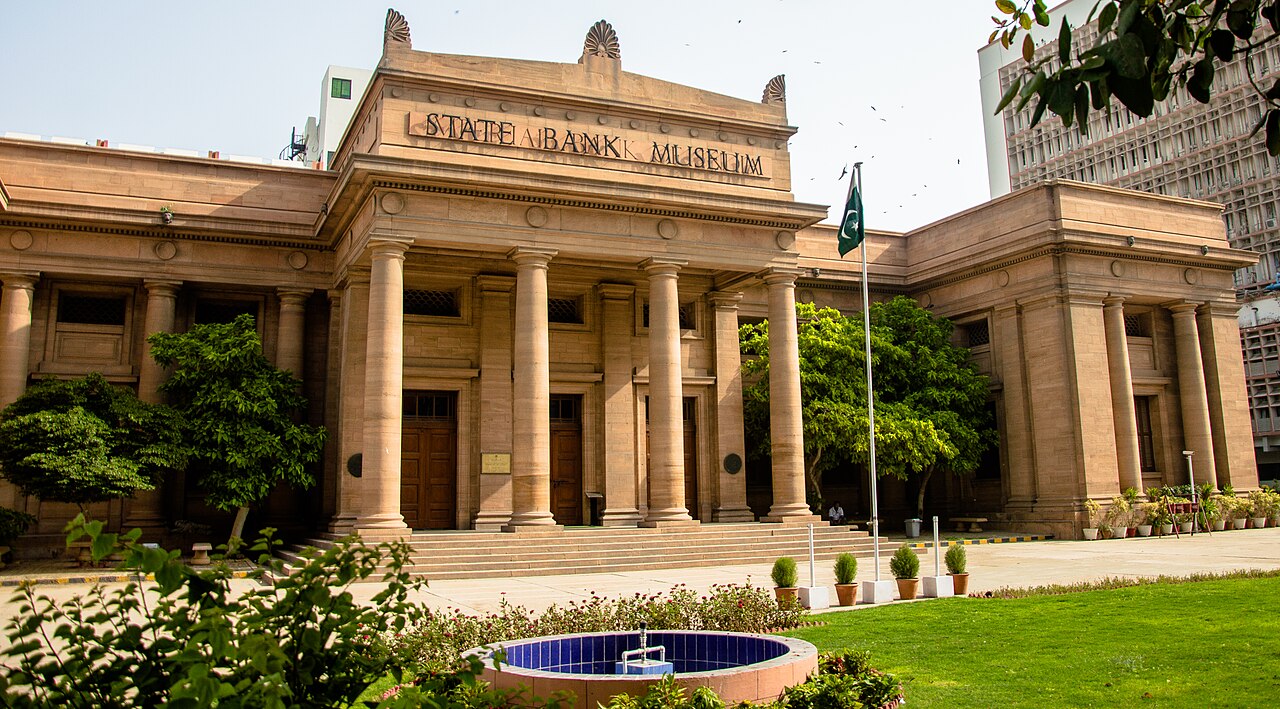
By Bilal Ahmed | Updated: 18 November 2026 Pakistan posted a $39 million current account surplus in October 2026, the State Bank of Pakistan (SBP) reported on Tuesday, 17 November. It is the first surplus of this fiscal year (FY27) and the first since May 2026, ending four straight months of deficit. Record remittances of…

By Bilal Ahmed | Updated: 18 November 2026
Pakistan posted a $39 million current account surplus in October 2026, the State Bank of Pakistan (SBP) reported on Tuesday, 17 November. It is the first surplus of this fiscal year (FY27) and the first since May 2026, ending four straight months of deficit. Record remittances of $3.89 billion, 12% growth in exports and a lower import bill did the job, even though the trade deficit kept widening.
The turnaround is sharp. September 2026 had closed with a deficit of $371 million, itself revised up from $356 million, and October last year had ended $307 million in the red. October 2026 flipped all of that into a small but meaningful surplus.
Pakistan Current Account: Key Facts at a Glance
| Indicator | October 2026 | Comparison |
|---|---|---|
| Current account balance | $39 million surplus | Deficit of $371m in Sep 2026; deficit of $307m in Oct 2025 |
| Workers’ remittances | $3.89 billion | Up 14% year on year ($3.42bn in Oct 2025); up 8% month on month ($3.588bn in Sep) |
| Exports (goods and services) | $3.87 billion | Up 12% year on year ($3.46bn in Oct 2025); goods exports up 10% |
| Goods import bill | $5.87 billion | Down from $6.16 billion in September 2026 |
| Total imports (goods and services) | $7.08 billion | Up 10.5% year on year ($6.41bn in Oct 2025) |
| Trade deficit (goods and services) | $3.21 billion | Widened about 9% year on year ($2.95bn in Oct 2025) |
| Cumulative deficit (Jul-Oct FY27) | $850 million | Down 20% from $1,062 million in Jul-Oct FY26 |
| Real Effective Exchange Rate (REER) | 110.62 | Up from 108.89 in September 2026 |
| SBP projection for FY27 | Deficit of 0-1% of GDP | FY26 closed with a marginal deficit of 0.1% of GDP |
What Drove the Surplus?
Three things came together in October. Remittances jumped, exports grew in double digits, and the goods import bill fell month on month. That combination was enough to push the current account into the black for the first time in five months.
Sana Tawfik, Head of Research at Arif Habib Limited, told Business Recorder the surplus was “primarily supported by a 14% YoY increase in workers’ remittances to $3.9 billion and 10% growth in goods exports”. Her reading is that remittances are now doing the heavy lifting while exports recover.
The timing matters. A surplus, even a modest $39 million one, changes the tone around Pakistan’s external account after a run of deficits. It also gives the central bank a little more room at a time when reserves and the exchange rate are under constant watch.
Remittances Did the Heavy Lifting
Workers’ remittances reached $3.89 billion in October 2026, up nearly 14% from $3.42 billion in the same month last year and up about 8% from $3.588 billion in September. It is one of the strongest monthly inflows Pakistan has recorded, and it arrived exactly when the trade gap needed covering.
The money comes overwhelmingly from Pakistanis working in the Gulf, the United Kingdom, the United States and Europe. The Gulf remains the backbone: millions of Pakistanis work in the UAE and Saudi Arabia, and their monthly transfers are now the single biggest stabiliser of the external account. The scale of that corridor shows up elsewhere too. Pakistan was Dubai airport’s fourth-largest market in the third quarter of 2026, a reminder of how deep the travel and work links with the Gulf run.
Over the first four months of FY27, remittances grew 14% year on year to $14.8 billion. That steady flow is the main reason the cumulative current account deficit has narrowed even while imports stay high.
The United States is another important source of remittances, and the rules for Pakistanis hoping to move there keep changing. The US has overhauled its EB-2 and EB-3 green-card rules, including the PERM process, which matters for skilled Pakistanis planning a move and, in time, for the remittance pipeline itself.
Exports Grew, But So Did Imports
Total exports of goods and services rose nearly 12% year on year to $3.87 billion in October, up from $3.46 billion a year earlier. Goods exports alone grew 10%, a sign that exporters are finding buyers despite tough global conditions.
Imports, though, are still the problem. Total imports of goods and services rose 10.5% year on year to $7.08 billion, against $6.41 billion in October 2025. The combined goods and services trade deficit widened about 9% to $3.21 billion, from $2.95 billion a year earlier. Over July to October, the trade deficit widened 17% year on year to $12.3 billion.
The one piece of good news on imports is monthly: the goods import bill dropped to $5.87 billion in October from $6.16 billion in September. That fall, paired with the remittance jump, is what tipped the balance into surplus.
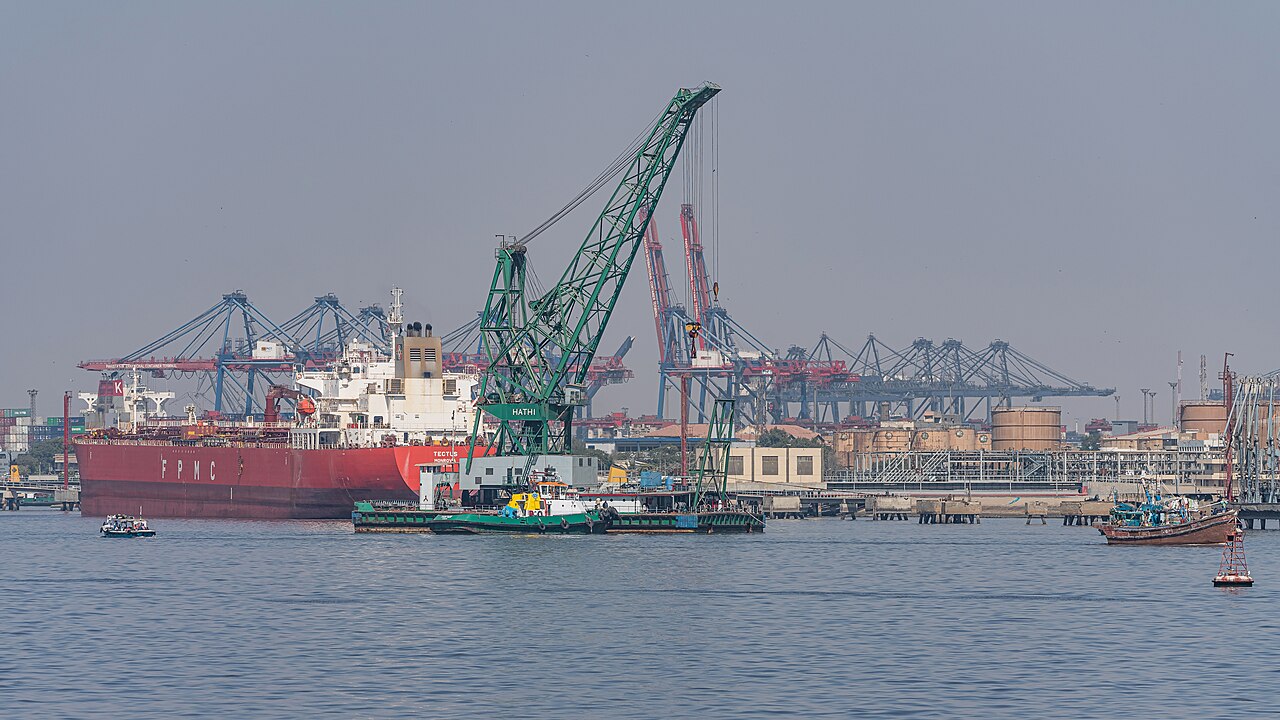
Export growth needs to broaden beyond the usual textile and rice base if the surplus is to last. Agriculture-linked exports are part of that story. Sugar mills have delayed crushing into December even as Pakistan sits on an exportable sugar surplus, a reminder that farm-sector timing can move export earnings month to month.
Four Months in Deficit: Why October Turned
Before October, the current account had posted a deficit for four straight months, starting after the last surplus in May 2026. The deficits were not huge by Pakistan’s standards, but four in a row had raised questions about whether the external account was slipping again.
October answered that, at least for one month. The ingredients were simple: remittances at a near-record level, exports growing, and a goods import bill that eased instead of rising. None of the three is guaranteed to repeat in November, which is why analysts are treating the surplus as welcome but fragile.
The cumulative picture is still a deficit. For July to October FY27, the current account deficit stands at $850 million, down 20% from $1,062 million in the same period last year. The direction is better. The job now is to keep it that way.
What the Surplus Means for the Rupee and Reserves
A current account surplus takes pressure off the rupee and helps the State Bank protect its reserves. The same day the October data came out, the SBP released its Governor’s Annual Report 2025-26, which showed foreign exchange reserves had crossed the $18 billion year-end target by June 2026. The build-up was supported by a contained current account deficit, inflows from multilateral and bilateral lenders, and access to international capital markets.
One number to watch is the Real Effective Exchange Rate (REER). It climbed to 110.62 in October from 108.89 in September. A REER above 100 means Pakistani exports are relatively expensive and imports relatively cheap, so a rising REER is a warning sign for export competitiveness even in a surplus month.
What Happens Next?
The State Bank projects the current account deficit will stay within 0-1% of GDP in FY27, as recovery in goods exports, resilience in IT and services exports, and continued remittance momentum partly offset import growth. Arif Habib’s Sana Tawfik expects the deficit to “remain manageable and within the SBP’s target range of 0-1% of GDP in FY27, as sustained remittance inflows and export growth are likely to largely offset the impact of higher imports”.
That is a forecast, not a promise. If oil prices rise or imports jump again, the surplus can vanish as quickly as it appeared. The test will be November and December: two more months of strong remittances and controlled imports would turn a one-month surprise into a trend.
What It Means for Ordinary Pakistanis
A current account surplus does not put money in anyone’s pocket directly. What it does is reduce the pressure that usually ends up hitting households: a sliding rupee, dearer imports and sudden policy tightening. When Pakistan earns more foreign exchange than it spends, the rupee is steadier, petrol and imported goods cost less to bring in, and the government has more room before it needs another round of belt-tightening.
For families receiving remittances, the October numbers are also reassuring. The money sent home by relatives abroad is not just helping individual households. Right now, it is the single biggest reason Pakistan’s external account is in surplus at all.
FAQs: Pakistan Current Account Surplus October 2026
What was Pakistan’s current account balance in October 2026?
Pakistan posted a current account surplus of $39 million in October 2026, according to State Bank of Pakistan data released on 17 November 2026. It was the first surplus of FY27 and the first since May 2026.
Why did Pakistan record a current account surplus in October 2026?
Three factors came together: workers’ remittances jumped 14% year on year to $3.89 billion, exports of goods and services grew 12% to $3.87 billion, and the goods import bill fell to $5.87 billion from $6.16 billion in September.
How much were workers’ remittances in October 2026?
Remittances reached $3.89 billion in October 2026, up from $3.42 billion in October 2025 and $3.588 billion in September 2026. Over July to October FY27, remittances totalled $14.8 billion, up 14% year on year.
What is Pakistan’s current account deficit for July-October FY27?
The cumulative current account deficit for the first four months of FY27 (July-October) was $850 million, down about 20% from $1,062 million in the same period of FY26.
What is the SBP’s current account forecast for FY27?
The State Bank of Pakistan projects the current account deficit will remain between 0% and 1% of GDP in FY27, supported by export recovery, resilient services exports and continued remittance inflows.
What is REER and why does it matter?
The Real Effective Exchange Rate (REER) compares the price of a basket of goods in Pakistan with the same basket in its major trading partners, adjusted for exchange rates. Pakistan’s REER rose to 110.62 in October 2026 from 108.89 in September. A reading above 100 means exports are relatively uncompetitive while imports are cheaper.
The October surplus is a good month, not yet a trend. If remittances hold near $3.9 billion and exports keep growing, Pakistan can end FY27 with the small deficit the State Bank is projecting. If imports surge again, the next release will tell a different story.