PM Shehbaz Orders Port Modernisation, PNSC Fleet Expansion to Make Pakistan a Regional Trade Hub
By Daniyal Sheikh | Updated: 18 November 2026 Prime Minister Muhammad Shehbaz Sharif has ordered the modernisation of Pakistan’s ports and the expansion of the Pakistan National Shipping Corporation (PNSC) fleet, setting a clear goal: raise the country’s sea cargo capacity to the world’s best standards by 2030 and turn Pakistan into a major regional…
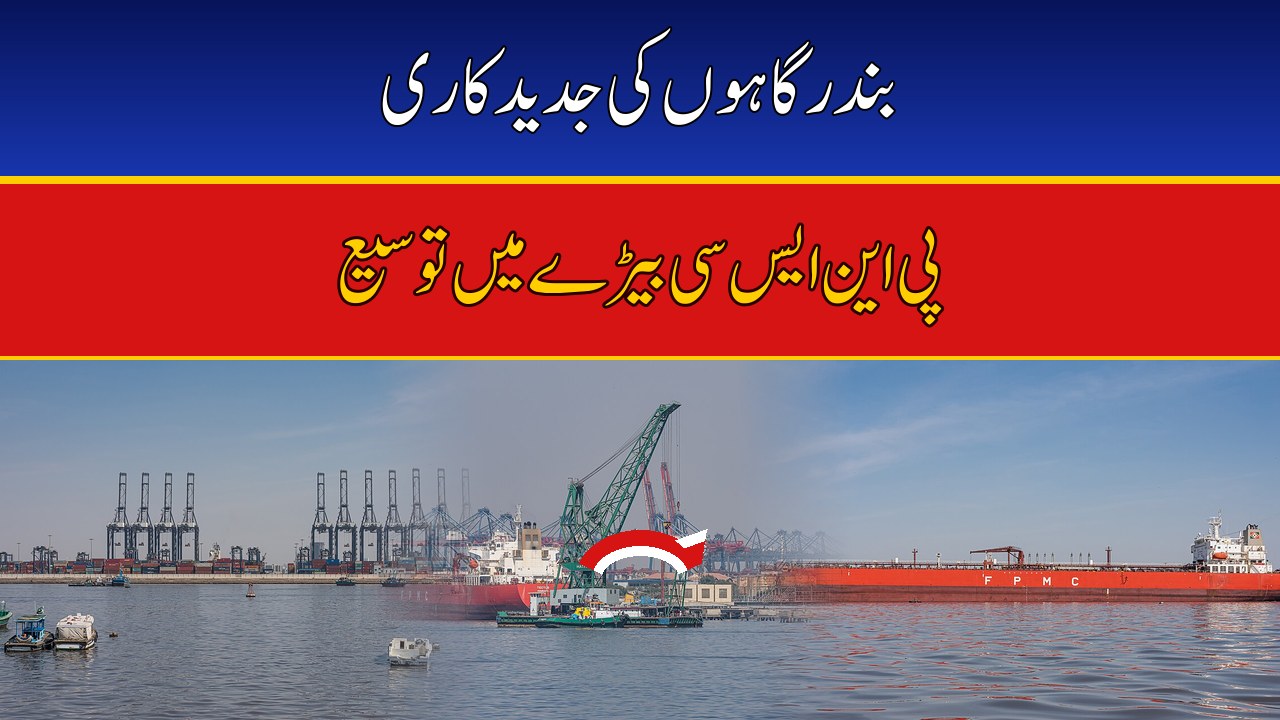
By Daniyal Sheikh | Updated: 18 November 2026
Prime Minister Muhammad Shehbaz Sharif has ordered the modernisation of Pakistan’s ports and the expansion of the Pakistan National Shipping Corporation (PNSC) fleet, setting a clear goal: raise the country’s sea cargo capacity to the world’s best standards by 2030 and turn Pakistan into a major regional trade and transshipment hub. The directions came at a high-level meeting in Islamabad on Tuesday, 17 November 2026, where the prime minister told every port-related institution to work together under one integrated strategy and to clear the obstacles facing the business community.

| Key fact | Detail |
|---|---|
| Meeting | High-level meeting on Pakistan’s ports and the PNSC, chaired by PM Shehbaz Sharif in Islamabad |
| Date | Tuesday, 17 November 2026 |
| Main direction | Modernise cargo handling, clearance and other port processes; all port institutions to work in close coordination |
| PNSC reform | Comprehensive reforms to make PNSC a modern, stable and internationally competitive organisation |
| Fleet plan | A viable plan to expand the PNSC fleet and strengthen Pakistan’s own shipping capacity for imports and exports |
| Target | Raise sea cargo capacity to the best global standards by 2030; make Pakistan a regional trade and transshipment hub |
| Briefing | PNSC reform agenda and business development plan: fleet expansion plus improved human resource management |
What the prime minister ordered
Chairing the meeting, the prime minister directed all institutions connected with the ports to work in close coordination and adopt an integrated strategy to resolve the problems facing the business community. The message from the Prime Minister’s Office was plain: ports cannot be run in silos while traders wait.
He said the country’s ports play a pivotal role in expanding business and driving economic growth, and stressed that increasing port capacity is essential if Pakistan is to become a key trade and transshipment hub in the region. Cargo movement, customs clearance and the other processes that move goods through a port must be modernised, he said, so that traders face fewer delays and commercial activity can speed up.
For exporters and importers, that is the part of the announcement that matters most in the short term. Faster clearance and smoother cargo handling cut the cost of doing business at the port gate, and every day saved on a shipment is money saved for the trader.
Why ports matter for Pakistan’s trade
Almost everything Pakistan buys and sells with the rest of the world moves by sea. Karachi Port and Port Qasim handle the bulk of that traffic, and when they slow down, the whole economy feels it, from factory inputs stuck in containers to export orders missing their sailing dates.
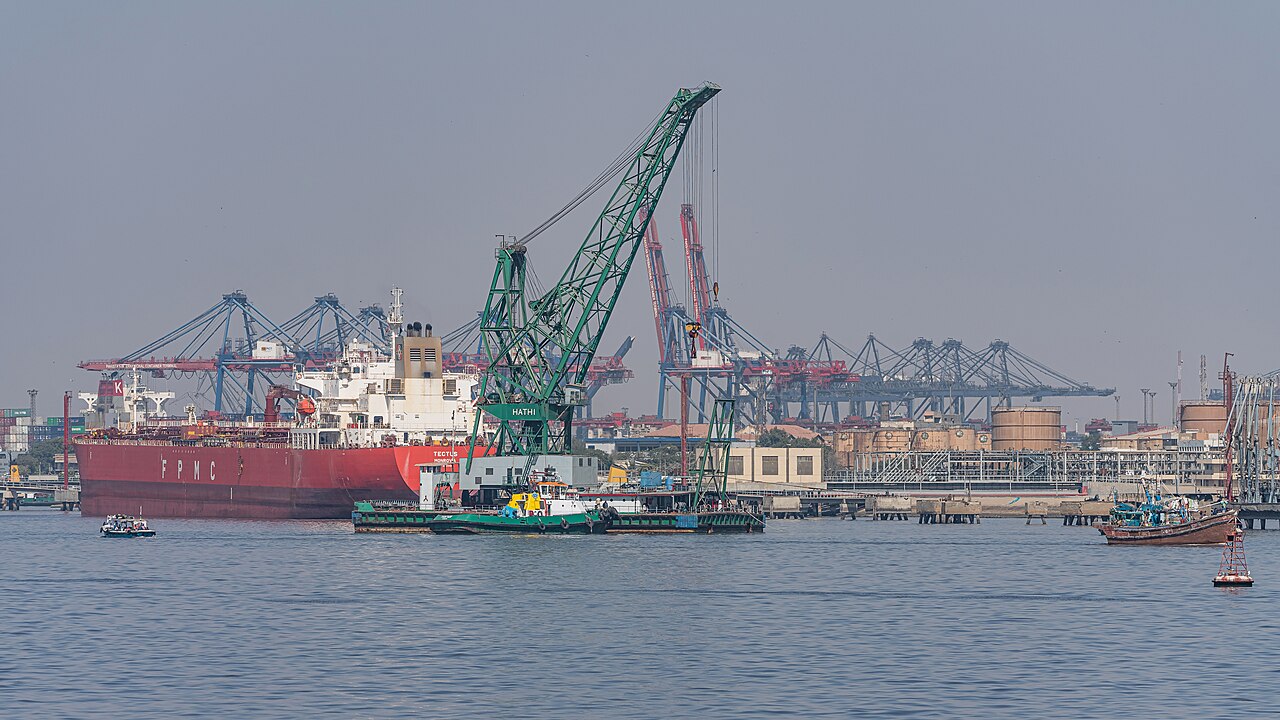
That is why the prime minister linked port capacity directly to trade growth. The plan is not only about bigger terminals. It is about the full chain: how cargo is handled, how quickly it is cleared, and how smoothly the institutions behind the port work together. The same logic applies across the economy. Pakistan’s growing trade links, including the Pakistan-Dubai air cargo and travel corridor, show how much demand there is for faster, more reliable movement of goods and people.
PNSC reform: a modern fleet by 2030
Turning to the national shipping line, the prime minister said comprehensive reforms were urgently needed to transform the PNSC into a modern, stable and competitive organisation that meets international standards. He directed officials to prepare a workable plan to expand the corporation’s fleet so the country can strengthen its own shipping capacity for imports and exports.

The meeting was briefed on the PNSC reform agenda and the business development plan prepared for the corporation. Under that plan, the measures will include increasing the size of the fleet and improving human resource management, so the shipping line is run on professional, commercial lines.
The stated objective is ambitious but specific: raise the country’s sea cargo capacity to the best global standards by 2030. That date gives the reform a deadline the public and the business community can measure it against, rather than an open-ended promise.
| Reform area | What was directed |
|---|---|
| Port operations | Modernise cargo handling, clearance and related processes to facilitate traders |
| Coordination | All port-related institutions to work together under an integrated strategy |
| PNSC organisation | Comprehensive reforms to make PNSC modern, stable and internationally competitive |
| Fleet | Viable plan to expand the fleet and build Pakistan’s own shipping capacity |
| People | Improved human resource management under the PNSC business development plan |
| Goal | Sea cargo capacity at the best global standards by 2030; Pakistan a regional trade and transshipment hub |
Who attended the meeting
The meeting brought together the ministers and officials who will have to deliver the plan. Federal Minister for Climate Change Musadik Malik, Federal Minister for Economic Affairs Ahad Khan Cheema, Federal Minister for Law and Justice Azam Nazeer Tarar and Federal Minister for Maritime Affairs Junaid Anwar Chaudhry attended, along with Adviser to the Prime Minister on Privatisation Muhammad Ali, Minister of State for Finance and Railways Bilal Azhar Kayani and Special Assistant to the Prime Minister on Energy Lt Gen (R) Zafar Iqbal. Members of the National Assembly Farooq Sattar and Abdul Qadir Patel, and senior government officials, were also present.
The presence of the maritime affairs, economic affairs and finance teams in one room underlines the point the prime minister made: this is not a ports-only job, it is a trade and economic job, and it needs the ministries to move together.
What happens next
The immediate next step is the viable fleet-expansion plan the prime minister ordered for the PNSC, alongside the modernisation of port processes. Neither was given a public price tag or a timetable in the Prime Minister’s Office release, and the test of the announcement will be in the delivery: whether clearance times at Karachi and Port Qasim actually fall, and whether the PNSC fleet plan turns into ships on the water.
That delivery matters for the wider economy as well. Smooth ports help every exporter, from the sugar industry working through its crushing and export surplus to manufacturers waiting on imported raw material. And the human resource side of the PNSC plan fits a broader push to build skilled capacity, the same kind of workforce goal behind the expanded Pakistan-Japan training and skills cooperation.

What this means for traders and exporters
If the modernisation plan is carried through, traders should see the difference at the port itself: quicker clearance, fewer hitches in cargo movement and less time lost between a ship docking and goods reaching the market. For exporters competing on delivery dates, that speed is as valuable as any subsidy.
The longer prize is the one the prime minister named: Pakistan as a regional trade and transshipment hub, where cargo bound for other destinations in the region passes through Pakistani ports. That would mean more shipping traffic, more port revenue and more jobs around the ports, but it depends on capacity and efficiency reaching the global standards the government has set for 2030. This week’s meeting sets the direction; the coming months will show how fast the work moves.
Frequently asked questions
What did PM Shehbaz Sharif order on ports and the PNSC?
At a meeting in Islamabad on 17 November 2026, he ordered the modernisation of cargo handling, clearance and other port processes, told all port-related institutions to work together under an integrated strategy, and directed a viable plan to expand the PNSC fleet.
What is the 2030 target for Pakistan’s ports?
The meeting was told the reforms aim to raise Pakistan’s sea cargo capacity to the best global standards by 2030, and to make Pakistan a major regional trade and transshipment hub.
What reforms are planned for the PNSC?
Comprehensive reforms to turn the PNSC into a modern, stable and internationally competitive organisation, under a business development plan covering fleet expansion and improved human resource management.
Why do ports matter so much for Pakistan’s economy?
The prime minister said ports play a pivotal role in expanding business and driving economic growth, and that increasing port capacity is essential to expanding trade, since almost all of Pakistan’s import and export cargo moves by sea.
Which ministers attended the ports meeting?
Federal ministers Musadik Malik, Ahad Khan Cheema, Azam Nazeer Tarar and Junaid Anwar Chaudhry, Adviser Muhammad Ali, Minister of State Bilal Azhar Kayani, Special Assistant Lt Gen (R) Zafar Iqbal, and MNAs Farooq Sattar and Abdul Qadir Patel attended, along with senior officials.
Was a budget or fleet size announced for the PNSC expansion?
No. The Prime Minister’s Office release announced no fleet size, throughput figure or cost for the plan. The prime minister directed officials to prepare a viable fleet-expansion plan, and the details will come from that plan.