Sugar Mills Refuse to Crush Before December, Demand Immediate Export of 1.1 Million Tonnes Surplus Sugar
By Bilal Ahmed | 17 November 2026 Pakistan’s sugar mills will not start crushing sugarcane before December, the Pakistan Sugar Mills Association (PSMA) confirmed on Monday, 16 November 2026, demanding that the government immediately allow the export of 1.1 million tonnes of surplus sugar sitting in mill warehouses. The mills say they cannot take in…

By Bilal Ahmed | 17 November 2026
Pakistan’s sugar mills will not start crushing sugarcane before December, the Pakistan Sugar Mills Association (PSMA) confirmed on Monday, 16 November 2026, demanding that the government immediately allow the export of 1.1 million tonnes of surplus sugar sitting in mill warehouses. The mills say they cannot take in a new crop while last season’s sugar remains unsold, and they want the crushing season delayed by 15 days, full deregulation of the sugar sector, and the withdrawal of the Punjab government’s order to start crushing within 24 hours.
Only one mill in Punjab, Ramzan Sugar Mills, began crushing on Sunday, 15 November 2026, the deadline set by the provincial government. Every other mill stayed shut. The standoff leaves sugarcane standing in the fields with no buyer, and it threatens the wheat crop that farmers need to sow on the same land before the sowing window closes.
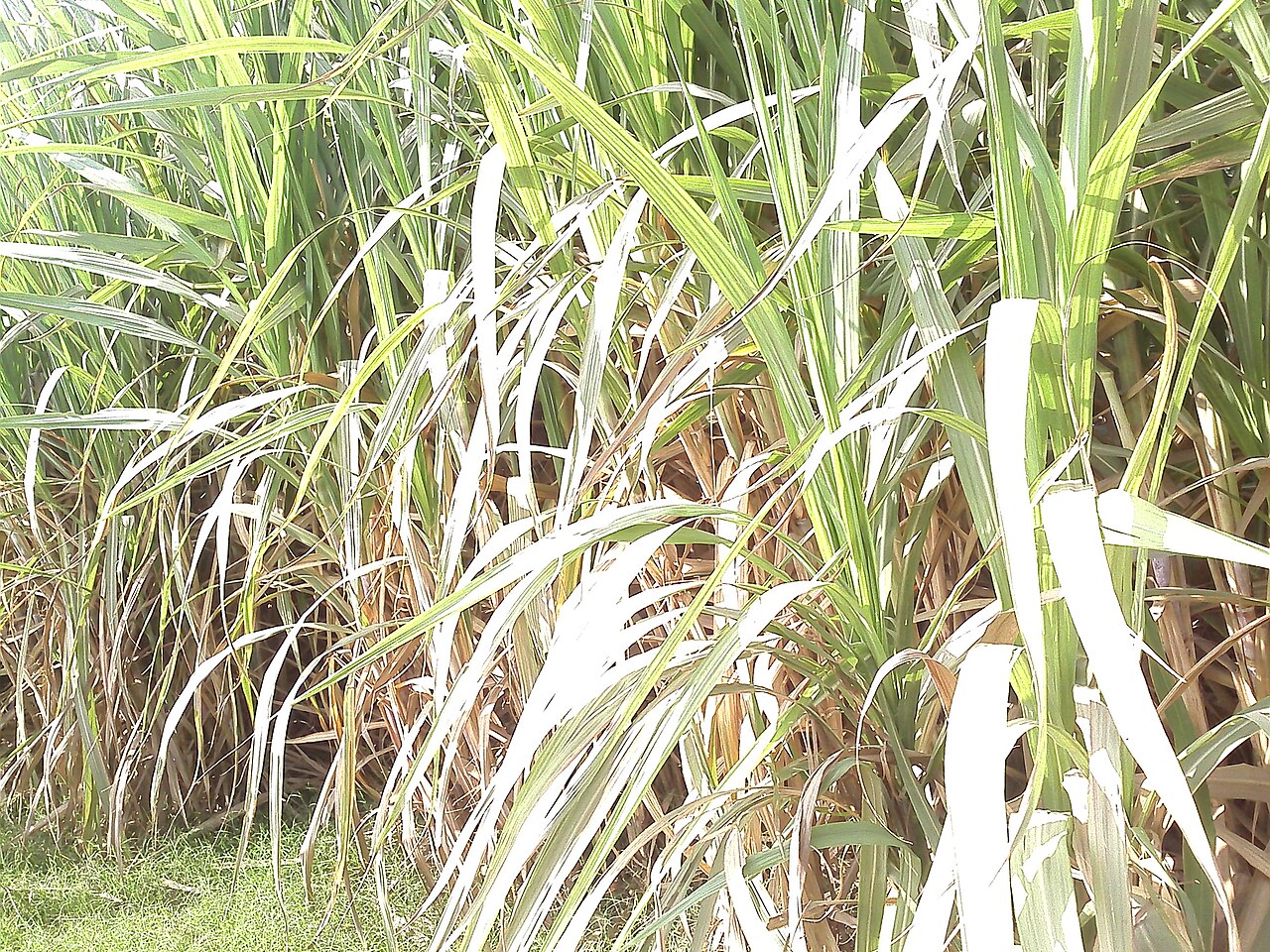
PSMA sugar export demand at a glance
| Key fact | Detail |
| Who is demanding | Pakistan Sugar Mills Association (PSMA), Chairman Asim Ghani Usman |
| When | Press conference in Lahore on Monday, 16 November 2026, after a general body meeting on Wednesday, 11 November 2026 |
| Surplus sugar | 1.1 million tonnes in mill warehouses |
| Main demands | Immediate export of surplus sugar; full deregulation of the sugar sector; withdraw the crushing-start notification and extend the start by 15 days; a comprehensive export policy with PSMA representation in decisions |
| How sugar is used | At least 75 percent of national production is used commercially, 25 percent by households |
| Crushing deadline missed | 15 November 2026; only Ramzan Sugar Mills started in Punjab |
| Mills’ position | No crushing before December 2026 |
| 2026-27 production | 8.5 million tonnes projected, with sugarcane area about 16 percent larger than last year |
What the millers demanded in Lahore
Speaking at a press conference at a local hotel in Lahore on Monday, PSMA Chairman Asim Ghani Usman asked the government to pay immediate attention to the problems facing the sugar industry and to save the sector from ruin. He was joined by former PSMA chairman Chaudhry Zaka Ashraf, Senior Vice Chairman Muhammad Rafiq, North Zone Vice Chairman Khan Muhammad Ashraf and South Zone Vice Chairman Aslam Farooq.
The association’s case is simple: the warehouses are full. According to the PSMA, 1.1 million tonnes of sugar are lying in mill warehouses, and the government itself receives authentic stock data through the Track and Trace system. With sugarcane cultivated over an area about 16 percent larger than before, production of 8.5 million tonnes is projected for the 2026-27 season, and the mills say it will be difficult to store any additional stock.
Usman also argued that sugar is the most heavily regulated industry in Pakistan. The government has deregulated the price of sugarcane, which has ensured that farmers receive fair compensation, but the promised deregulation of the sugar sector itself has yet to be implemented. The PSMA wants mills to be free to set prices and to import and export without government quotas.
Only one mill met the November 15 deadline
The Punjab government issued its notification to start the crushing season on Saturday, 14 November 2026, at 9:00pm, ordering mills to start crushing and buying cane within 24 hours and telling deputy commissioners to enforce it. The 15 November start date had been announced earlier in the month by Federal Minister for National Food Security Rana Tanveer Hussain, after a meeting of the Sugar Advisory Board with the provinces, mill owners and cane commissioners. He had warned of strict action against mills that did not comply.
Usman defended the millers’ inability to comply, saying that starting a mill is a time-consuming process: staff must be called in, boilers must be fired up, and farmers also need time to harvest their cane. He asked the chief minister to extend the period by 15 days. The mills had already decided their course: at a general body meeting on Wednesday, 11 November 2026, held simultaneously in Lahore, Karachi and Islamabad, the PSMA agreed unanimously not to start crushing before December. In Sindh, crushing has not started either.
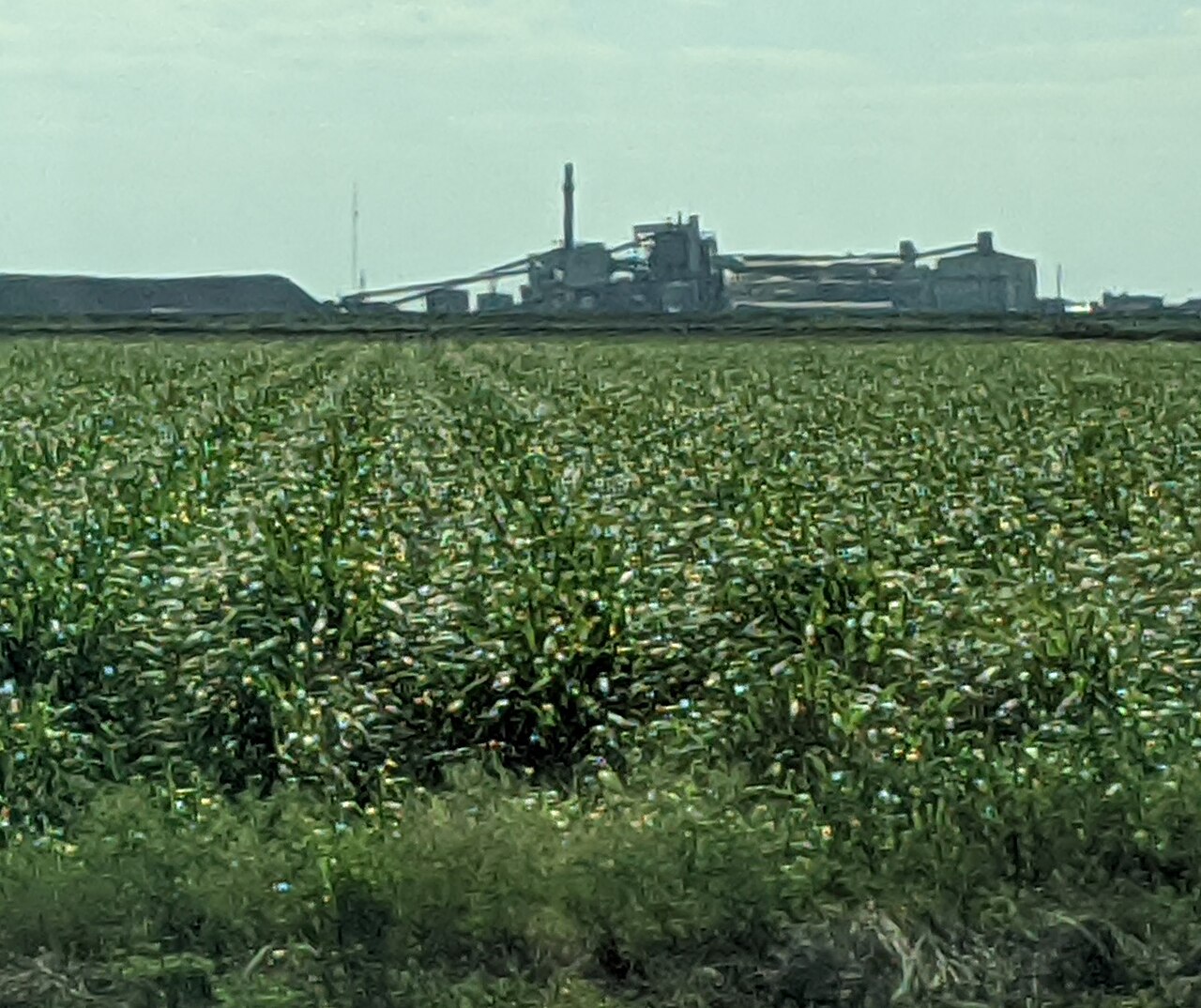
The numbers behind the standoff
The dispute turns on a few hard numbers. Last season, 2025-26, produced about 7.7 million tonnes of sugar against domestic consumption of about 6.6 million tonnes. Senior Vice Chairman Muhammad Rafiq warned that surplus stocks could reach 2.7 million tonnes next year. The mills also say the economics of crushing now do not work: in July, mills were selling at an ex-mill price below Rs135 a kg, which the PSMA says was below the cost of production.
| Figure | Number | What it means |
| Surplus sugar in warehouses | 1.1 million tonnes | Unsold stock blocking the new season |
| 2025-26 production | About 7.7 million tonnes | Against consumption of about 6.6 million tonnes |
| 2026-27 production (projected) | 8.5 million tonnes | Cane area about 16 percent larger than last year |
| Possible surplus next year | Up to 2.7 million tonnes | If exports are not allowed, stocks keep growing |
| Punjab cane area | 2.45 million acres | About 16 percent more than last year |
| Fine for missing the start date | Up to Rs5 million a day | Under Section 21 of the Punjab Sugar Factories Control Act, 1950; the latest start date the government can set is 30 November |
Two export figures that should not be confused
There are two different export numbers in this story, and they are often mixed up. First, the approved quota. The government has approved an export quota of 200,000 tonnes of sugar. The PSMA says the government has not yet let that quota move under the agreed terms, even though the State Bank of Pakistan has issued instructions allowing banks to process export transactions for eligible mills under the existing quota. The government also allowed the export of 108,000 tonnes of sugar that had been imported. The PSMA had asked for 1 million tonnes at that stage.
Second, the chairman’s claim of a promise. At the Lahore press conference, Chairman Asim Ghani Usman said the government had promised to allow the export of 600,000 tonnes, but no permission has yet been granted despite reminders. That 600,000-tonne figure is the chairman’s account of a government promise, not the approved quota. What the PSMA is asking for now is also reported in two ways: Profit and The Nation report that the 11 November meeting authorised the executive committee to seek early export of 400,000 tonnes, while Nukta, reporting the same meeting, put the figure sought at an additional one million tonnes.
Farmers and the wheat crop pay the price
For growers, the delay is a huge deal. No crushing means their cane stands in the field with no buyer. Farmers are paid by weight, and cane left standing after it is ready dries out, so every week the mills stay shut is a week of lost weight for the farmer, and of later payment. There is no support price for cane this year: according to official sources, mills will set cane prices through a market-based mechanism, and the Punjab government will monitor rates, which leaves the more desperate farmer with the weaker hand.

Farmers’ representative Khalid Hussain Bath criticised the government for failing to enforce its own deadline, saying the delay was adding to losses for growers already facing uncertain cane prices and rising fertiliser costs. He demanded an immediate support price for cane, compulsory purchase of all approved cane varieties by mills, and that surplus sugar be given to farmers, and asked Prime Minister Shehbaz Sharif to intervene directly. Growers in Sindh threatened last year to cut cane sowing in protest after a similar delay, and the PSMA expects cane output to rise by about 20 percent this season — so a glut today can easily become a shortage a year or two later if farmers plant less cane in the spring.
The second, larger cost falls on wheat. Much of Punjab’s cane land is meant to be cleared and sown with wheat once the cane is cut. The province’s agriculture department says the best window for wheat sowing is 1 to 20 November; after that, yields fall by about 1 percent a day, or 15 to 20 kg an acre. Wheat sown in December can lose up to a quarter of its yield, and wheat sown after December up to half. With food prices already under pressure — wheat flour rates have surged in Pakistan in recent weeks — a weak wheat crop would add to the strain on households. Rising fuel costs make the problem worse, since petrol and diesel prices directly affect the cost of moving cane from field to mill. For the latest on flour prices across Pakistan, see our earlier report.
How the last export round ended in imports
This standoff is the second half of a cycle that began two years ago. In June 2024, the government allowed mills to export 150,000 tonnes of sugar, on condition that retail prices stayed stable. By March 2025, exports had reached about 758,000 tonnes, five times the first approval. The surplus behind those exports turned out to be smaller than estimated: retail prices rose to about Rs200 a kg in many cities, and in July 2025 the federal cabinet approved the import of 500,000 tonnes. That same month, according to the PSMA, the government gave mills written commitments — it would allow exports of any surplus above 7 million tonnes within a month of the season’s close, and fully deregulate the sector by June 2026. Neither has happened. Having been burned by a shortage after the last round of exports, the government has been slow to approve another, while the mills have now stopped buying cane.

Why the mills can defy the deadline
The law does give the government teeth. Under Section 21 of the Punjab Sugar Factories Control Act, 1950, a mill that does not start crushing on the notified date can be fined up to Rs5 million a day, and the latest start date the government can set under the law is 30 November. The province has used those powers before, but with limited effect: last year, the cane commissioner issued show-cause notices to 10 mills that missed the same 15 November deadline, and there was no public record of fines being collected.
Enforcement often fails because the ownership of the industry is closely tied to politics: several of the country’s largest mill groups are owned by families active in national politics, and the only mill that started crushing on time was Ramzan Sugar Mills, long associated with the family of Prime Minister Shehbaz Sharif. In 2021, the Competition Commission of Pakistan fined the PSMA and its members Rs44 billion for cartel behaviour, and in September 2025 the Supreme Court set the fine aside on procedural grounds. When official channels fail ordinary people, complaints can still work in other sectors — the Banking Mohtasib recovered Rs1.2 billion in refunds for customers who pursued their complaints — but cane growers have no equivalent quick remedy while their crop stands uncut.
What happens next
The PSMA’s executive committee has been authorised to seek immediate federal approval for the 400,000-tonne export, and the association’s north zone and farmers’ groups had called press conferences for Monday. The Punjab government has not yet said whether it will issue notices or fines to mills that missed the deadline, and the expectation that it will do so is not strong. Three things will decide how this ends: whether the federal government allows any export, and how much; whether Punjab enforces its deadline with fines or quietly accepts a December start; and whether the mills’ demand for a full deregulation policy is finally met. For farmers, the clock is already running.
Frequently asked questions
Why are Pakistan’s sugar mills refusing to start crushing?
The Pakistan Sugar Mills Association says 1.1 million tonnes of surplus sugar are sitting unsold in mill warehouses. The mills argue they cannot take in a new crop while last season’s sugar remains unsold, so they have decided not to start the 2026-27 crushing season before December unless the government allows exports and announces a deregulation policy.
How much surplus sugar is there in Pakistan?
According to the PSMA, there is a surplus of 1.1 million tonnes of sugar in mill warehouses. The association’s senior vice chairman warned that surplus stocks could reach 2.7 million tonnes next year if the new crop is added without exports. Production of 8.5 million tonnes is projected for the 2026-27 season.
What is the difference between the 200,000-tonne quota and the 600,000-tonne promise?
The 200,000-tonne figure is the government-approved export quota, which the PSMA says has not yet been allowed to move under the agreed terms. The 600,000-tonne figure is PSMA Chairman Asim Ghani Usman’s account of a government promise to allow exports of that amount, with no permission granted despite reminders. They are two different claims and should not be merged into one number.
Which sugar mill started crushing on 15 November 2026?
Only Ramzan Sugar Mills in Punjab began crushing on Sunday, 15 November 2026, the deadline set by the provincial government. Every other mill in Punjab stayed shut, and crushing had not started in Sindh either.
Can the government fine sugar mills for missing the crushing deadline?
Yes. Under Section 21 of the Punjab Sugar Factories Control Act, 1950, a mill that does not start crushing on the notified date can be fined up to Rs5 million a day, and the latest start date the government can set under the law is 30 November. In practice, enforcement has been weak — last year 10 mills received show-cause notices for missing the same deadline, with no public record of fines being collected.
How does the crushing delay affect farmers and wheat?
Farmers are paid by weight, so cane left standing after it is ready dries out and loses weight, and payment comes late. There is also no support price for cane this year. The delay pushes wheat sowing on cane land past the best window of 1 to 20 November; wheat sown in December can lose up to a quarter of its yield, and wheat sown after December up to half.