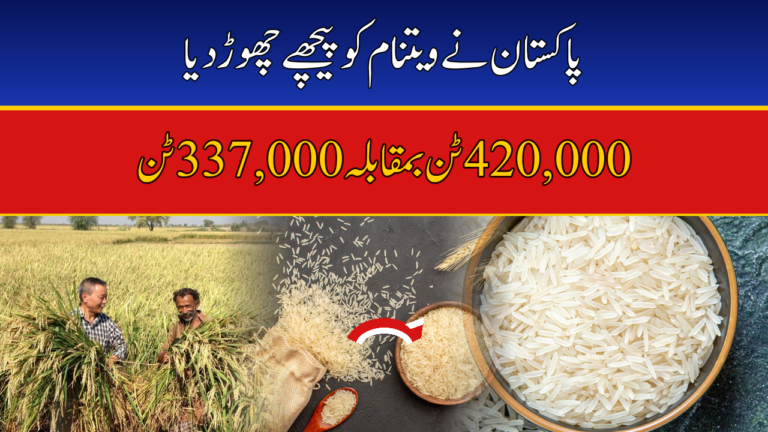
Pakistan Posts Rs1.274 Trillion Fiscal Surplus in Q1 FY2027 — Third Straight First-Quarter Surplus
By Bilal Ahmed | Updated: 14 November 2026 Pakistan has posted a fiscal surplus of Rs1.274 trillion in the first quarter of FY2027 (July–September 2026), equal to 0.9% of GDP. It is the third consecutive first-quarter surplus, following 23 straight years of first-quarter deficits — but the surplus is also about 40% smaller than the…
By Bilal Ahmed | Updated: 14 November 2026
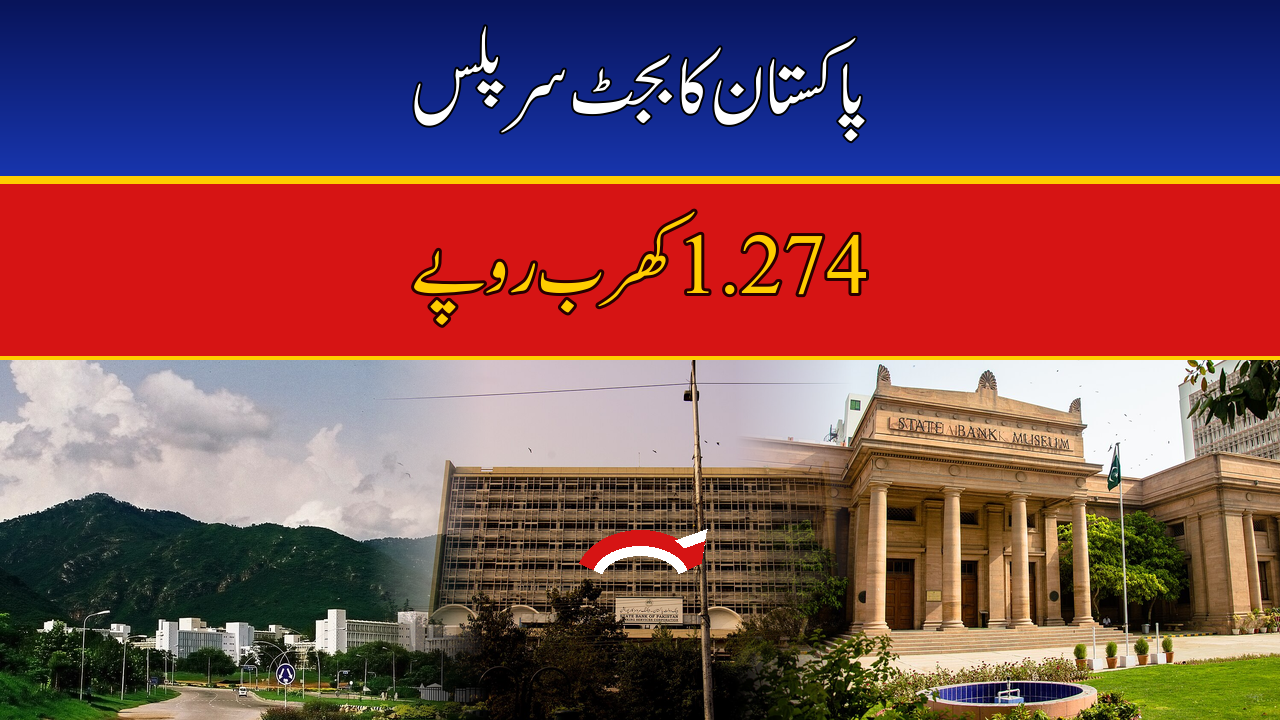
Pakistan has posted a fiscal surplus of Rs1.274 trillion in the first quarter of FY2027 (July–September 2026), equal to 0.9% of GDP. It is the third consecutive first-quarter surplus, following 23 straight years of first-quarter deficits — but the surplus is also about 40% smaller than the Rs2.119 trillion recorded a year earlier, as spending rose sharply and non-tax revenue fell.
The headline tells two stories at once. Pakistan has now kept its books in the black in the July–September quarter for three years running, something it had not managed once between FY2002 and FY2024. But the cushion is thinning: spending grew 16% while revenue slipped 3%, and interest payments alone swallowed more than half of the primary surplus. For a country still working through a $7 billion IMF programme, the direction of travel matters as much as the surplus itself.
Pakistan fiscal surplus Q1 FY2027: the key numbers
The Finance Ministry’s quarterly fiscal operations data, reported by ProPakistani, Arab News, The Nation and UrduPoint, shows a government that spent less than it earned — but only just, compared with last year.
| Indicator (Q1 FY2027) | Figure | Change vs Q1 FY2026 |
| Fiscal surplus | Rs1.274 trillion (0.9% of GDP) | Down ~40% from Rs2.119 trillion (1.7% of GDP) |
| Primary surplus | Rs2.974 trillion (2.1% of GDP) | Down 15% from Rs3.497 trillion |
| Total revenue | Rs6.004 trillion | Down 3% from Rs6.2 trillion |
| Tax collection | Rs3.4 trillion | Part of total revenue of Rs6.004 trillion |
| Non-tax revenue | Rs2.6 trillion | Down ~14% from Rs3.05 trillion |
| Total expenditure | Rs4.73 trillion | Up 16% from Rs4.08 trillion |
| Interest (markup) payments | Rs1.7 trillion | Up 23% from Rs1.378 trillion |
| Provincial surplus (all four provinces) | Rs600 billion | Combined provincial budget surplus |
The primary surplus — the balance before interest payments are counted — came in at Rs2.974 trillion, or 2.1% of GDP. That is 15% lower than the Rs3.497 trillion of a year earlier, but it still beat the budget target for the quarter by Rs239 billion, or 8.7%. In other words, the government outperformed its own plan on the primary balance even as the overall surplus shrank.
Where the money came from
Total revenue for the quarter stood at Rs6.004 trillion, down 3% from Rs6.2 trillion in the same period last year. Tax collection contributed Rs3.4 trillion of that total. The softer side of the ledger was non-tax revenue, which fell roughly 14% to Rs2.6 trillion from Rs3.05 trillion a year earlier.
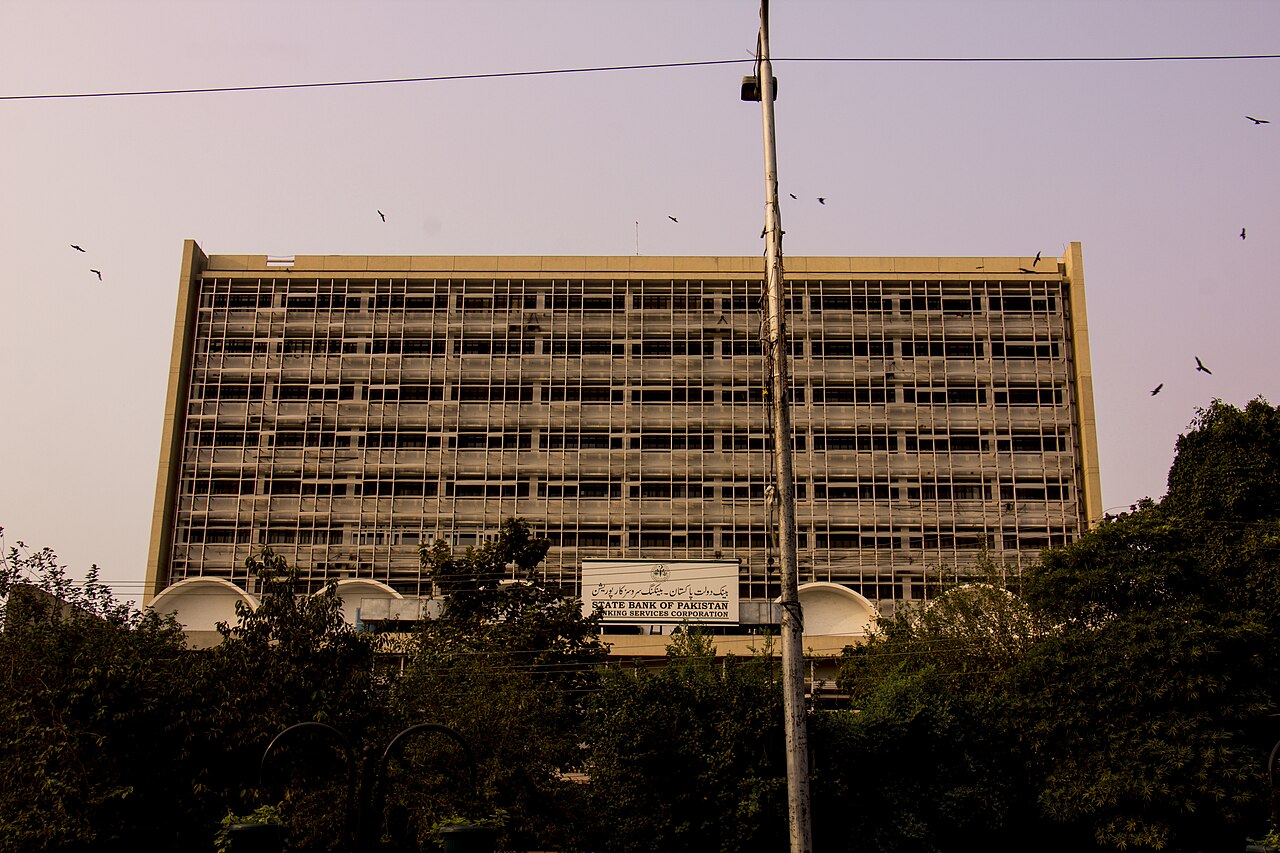
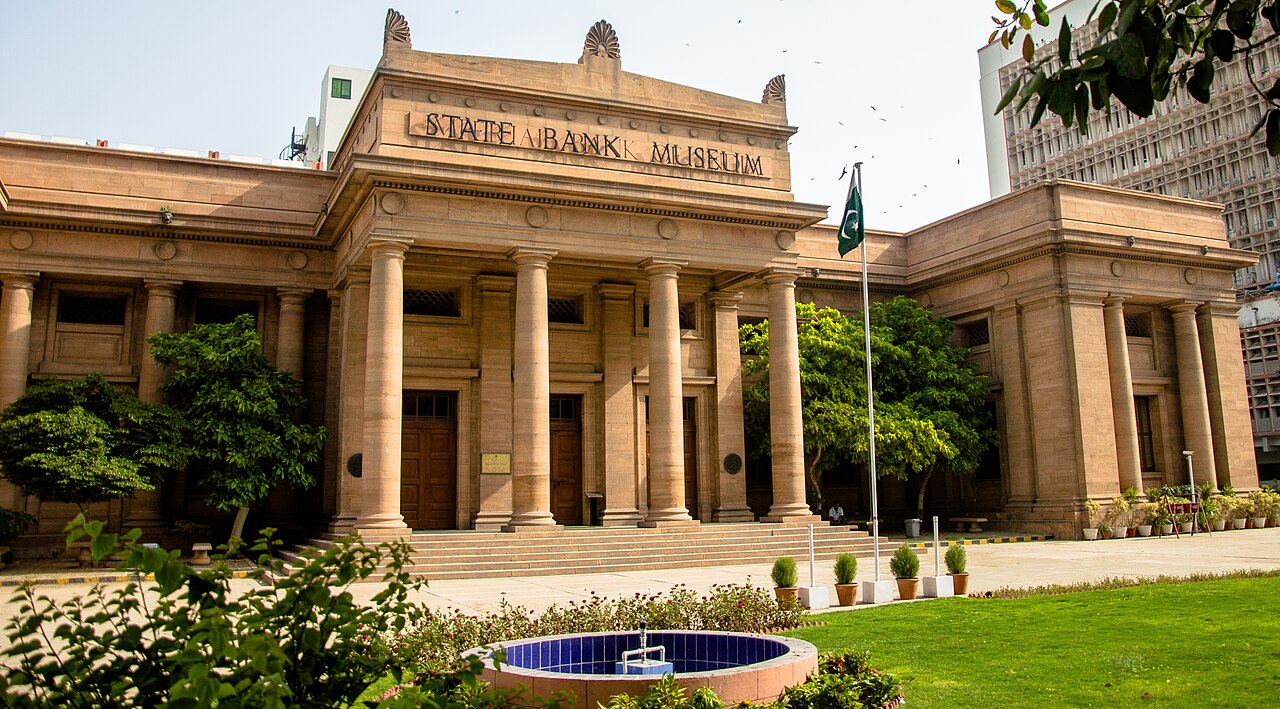
The single biggest non-tax item was the State Bank of Pakistan’s profit, which transferred Rs1.9 trillion to the government — nearly three-quarters of all non-tax revenue for the quarter, and the main reason the revenue line did not fall further. But a central bank’s profit is lumpy: it depends on the State Bank’s own earnings in a given year and cannot be counted on to repeat at the same scale every quarter.
The Finance Ministry said fiscal discipline had held despite the tax relief in the annual budget — a deliberate message: the government cut some taxes and still finished in surplus. The Rs3.4 trillion tax figure will be watched closely, because the budget counts on tax revenue doing more of the heavy lifting as the year goes on.
Where the money went
Total expenditure rose 16% to Rs4.73 trillion, up from Rs4.08 trillion in the first quarter of last year. Current expenditure — the day-to-day running costs of government, as opposed to development spending — accounted for Rs4.2 trillion of the total.
The heaviest single item, by a distance, was interest. Markup payments on public debt reached Rs1.7 trillion, up 23% from Rs1.378 trillion a year earlier — about 57% of the entire primary surplus. For every Rs100 of surplus generated before interest, Rs57 went straight back out the door to lenders.
That is the structural problem behind the good headline. The debt servicing bill keeps growing faster than revenue, and it is the main reason the overall surplus fell 40% even though the primary surplus beat its target. Until interest costs are brought under control — through lower borrowing, cheaper debt or faster revenue growth — the fiscal room for anything else stays tight.
The provinces helped. All four provincial governments together recorded a budget surplus of Rs600 billion, a meaningful contribution to the national figure — and one the federal government counts on under the fiscal framework agreed with the provinces.
Three in a row — after 23 years of deficits
The historical context is what makes this release stand out. Pakistan recorded first-quarter fiscal surpluses of Rs1.896 trillion in FY2025, Rs2.119 trillion in FY2026, and now Rs1.274 trillion in FY2027. Before that run, the country had posted a deficit in the first quarter of every single year from FY2002 to FY2024 — 23 consecutive years.
Khurram Shehzad, adviser to the Finance Minister, highlighted the milestone on Friday. The comparison across the three surplus years is instructive: the surplus is still there, but it is getting smaller, and the reasons are visible in the revenue and spending lines rather than in any single shock.
| First quarter | Fiscal surplus | Share of GDP |
| Q1 FY2025 (Jul–Sep 2024) | Rs1.896 trillion | Not stated in reports |
| Q1 FY2026 (Jul–Sep 2025) | Rs2.119 trillion | 1.7% |
| Q1 FY2027 (Jul–Sep 2026) | Rs1.274 trillion | 0.9% |
The first quarter is also traditionally the easiest for the government: big revenue inflows, including the State Bank profit, land early in the fiscal year, while much of the spending — especially development spending — picks up later. A first-quarter surplus is a good sign, not a promise about the full year. The real test comes in the second half, when spending accelerates and the inflows thin out.
What it means for the IMF programme
Pakistan is in a $7 billion IMF programme approved in September 2024, and the fiscal numbers are the programme’s centre of gravity. The IMF sets targets for the primary balance, and the Rs2.974 trillion primary surplus — beating its quarterly target by Rs239 billion — keeps Pakistan on the right side of those commitments for now.
The backdrop explains why the Fund and the markets watch these releases so closely. In FY2026, the fiscal deficit came in at 2.6% of GDP, the lowest in 22 years. For FY2027 the targets are a 3.6% fiscal deficit and a 2% primary surplus; the first quarter’s 2.1% primary surplus is already ahead of the full-year target on paper — though the first quarter is the flattering one.
Markets have been reading the same signals: the KSE-100 gained 500 points to a new high of 177,874 on 13 November 2026, and steady fiscal news is part of the backdrop investors are pricing in. Readers following the market can track the index on our PSX Pakistan Stock Exchange hub and read the latest session report on the KSE-100’s record close. Fiscal credibility also feeds through to everyday costs: fuel prices, which shape transport and food inflation, are tracked on our petrol price in Pakistan page.
What to watch next
Three things will decide whether this surplus becomes a full-year success story or a first-quarter footnote. First, tax collection: Rs3.4 trillion is a solid base, but the budget needs it to grow, and the tax relief in the budget makes that harder. Second, the interest bill: at Rs1.7 trillion and rising 23% year-on-year, it is the biggest threat to the surplus, driven by the stock of debt and the rates on it — neither of which the government can change quickly.
The third is the provinces. Their combined Rs600 billion surplus did a lot of work this quarter: if they stay in surplus, the consolidated numbers stay healthy; if they slip, the federal government has to find the difference. The second-quarter figures, due early next year, will show whether the first quarter’s discipline survives the winter spending pressures.
For now, the headline stands: a Rs1.274 trillion surplus, a third straight first-quarter surplus, and a primary surplus ahead of target. A genuinely good result — and a reminder, in the same numbers, of how much of it is already spoken for before the government spends a rupee on anything else.
Frequently asked questions
What is Pakistan’s fiscal surplus in Q1 FY2027?
Pakistan posted a fiscal surplus of Rs1.274 trillion in the first quarter of FY2027 (July–September 2026), equal to 0.9% of GDP, or about $4.55 billion, according to the Finance Ministry’s statement of 13 November 2026.
Is this the first time Pakistan has recorded a first-quarter surplus?
No. It is the third consecutive first-quarter surplus: Rs1.896 trillion in Q1 FY2025, Rs2.119 trillion in Q1 FY2026, and Rs1.274 trillion in Q1 FY2027. Before that, Pakistan ran a first-quarter deficit every year from FY2002 to FY2024 — 23 straight years.
What is the difference between the fiscal surplus and the primary surplus?
The fiscal surplus is total revenue minus total expenditure, including interest payments. The primary surplus excludes interest payments. In Q1 FY2027 the primary surplus was Rs2.974 trillion (2.1% of GDP); after paying Rs1.7 trillion in interest on debt, the remaining fiscal surplus was Rs1.274 trillion.
Why did the surplus fall compared with last year?
Total revenue fell 3% to Rs6.004 trillion while spending rose 16% to Rs4.73 trillion, and interest payments alone rose 23% to Rs1.7 trillion. Higher spending plus softer revenue shrank the surplus by about 40% year-on-year.
How much did the State Bank contribute to government revenue?
The State Bank of Pakistan’s profit transfer of Rs1.9 trillion was the largest single item in non-tax revenue, which totalled Rs2.6 trillion for the quarter. The transfer is a major reason the revenue line held up as well as it did.
What are Pakistan’s fiscal targets for FY2027?
The FY2027 targets are a fiscal deficit of 3.6% of GDP and a primary surplus of 2% of GDP. The first quarter’s primary surplus of 2.1% of GDP is ahead of the full-year target, though the first quarter is traditionally the strongest part of the year. Pakistan is operating under a $7 billion IMF programme approved in September 2024.