Pakistan Proposes Direct Islamabad–Ashgabat Flights as Turkmenistan Trade Falls 56%
Pakistan has proposed direct flights between Islamabad and Ashgabat, along with chartered cargo services for perishable goods, in a bid to revive trade with Turkmenistan that fell 56% in the first nine months of 2026. Commerce Minister Jam Kamal Khan put the proposal to Turkmenistan’s Minister of Trade and Foreign Economic Relations, Dortguly Suleymanov, in…
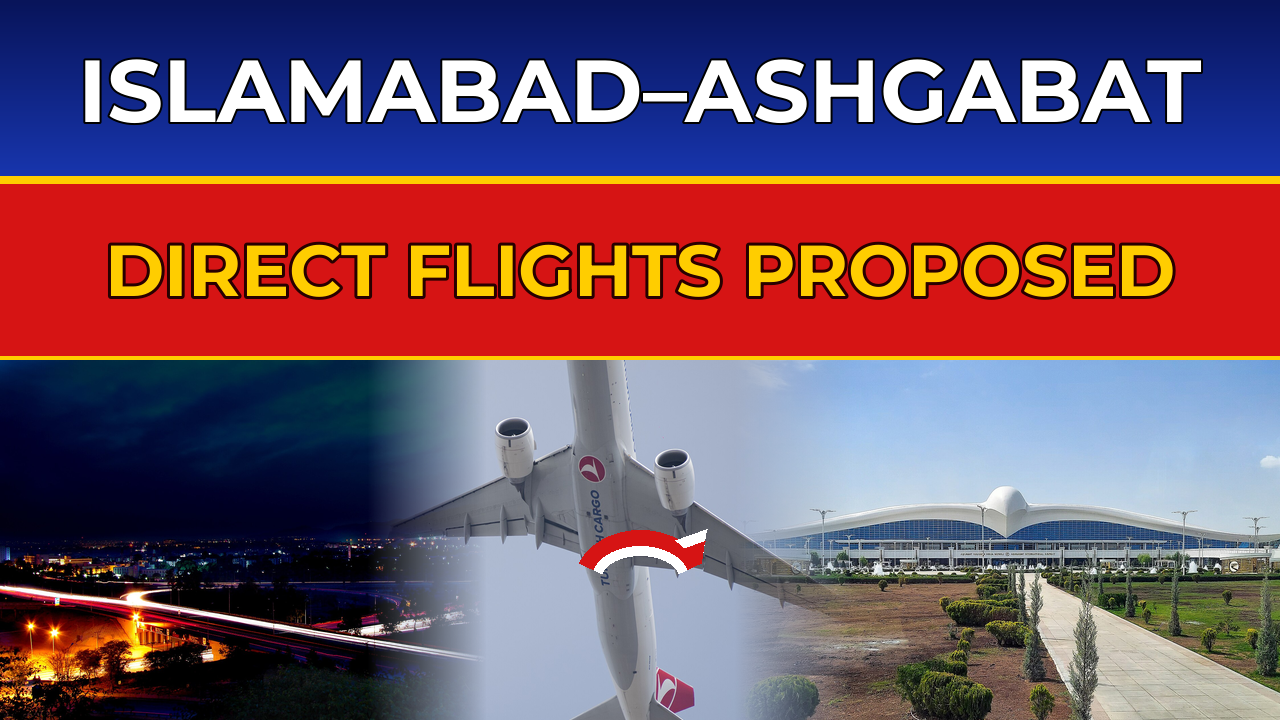
Pakistan has proposed direct flights between Islamabad and Ashgabat, along with chartered cargo services for perishable goods, in a bid to revive trade with Turkmenistan that fell 56% in the first nine months of 2026. Commerce Minister Jam Kamal Khan put the proposal to Turkmenistan’s Minister of Trade and Foreign Economic Relations, Dortguly Suleymanov, in Islamabad on Monday, 16 November 2026, a day before the sixth session of the Pakistan–Turkmenistan Joint Intergovernmental Commission (JIC) opened in the capital.
Trade between the two countries stood at only about $15 million between January and September 2026, with the decline driven mainly by lower textile exports. If it goes ahead, the proposal would give Pakistani exporters a faster route for time-sensitive goods and a new corridor into Central Asia, at a time when rising freight costs and disrupted traditional routes are squeezing exporters.
By Bilal Ahmed | Business | Updated: 18 November 2026
Key Facts: Pakistan–Turkmenistan Flights Proposal
| Detail | What we know |
|---|---|
| Proposal | Direct Islamabad–Ashgabat flights, plus chartered cargo services for perishable farm and food products |
| Proposed by | Commerce Minister Jam Kamal Khan, to Turkmenistan’s Trade Minister Dortguly Suleymanov |
| Meeting date | Monday, 16 November 2026, Islamabad |
| Trade Jan–Sep 2026 | About $15 million, down 56% year on year |
| Trade 2025 | More than $36 million, down nearly 23% from 2024 |
| Main cause of decline | Reduced textile exports, according to Minister Suleymanov |
| Next step | Proposal to be discussed with aviation authorities at the 6th JIC session, 17 November 2026 |
| Status | A proposal only — no airline, start date or ticket price announced |

What Was Proposed in Islamabad
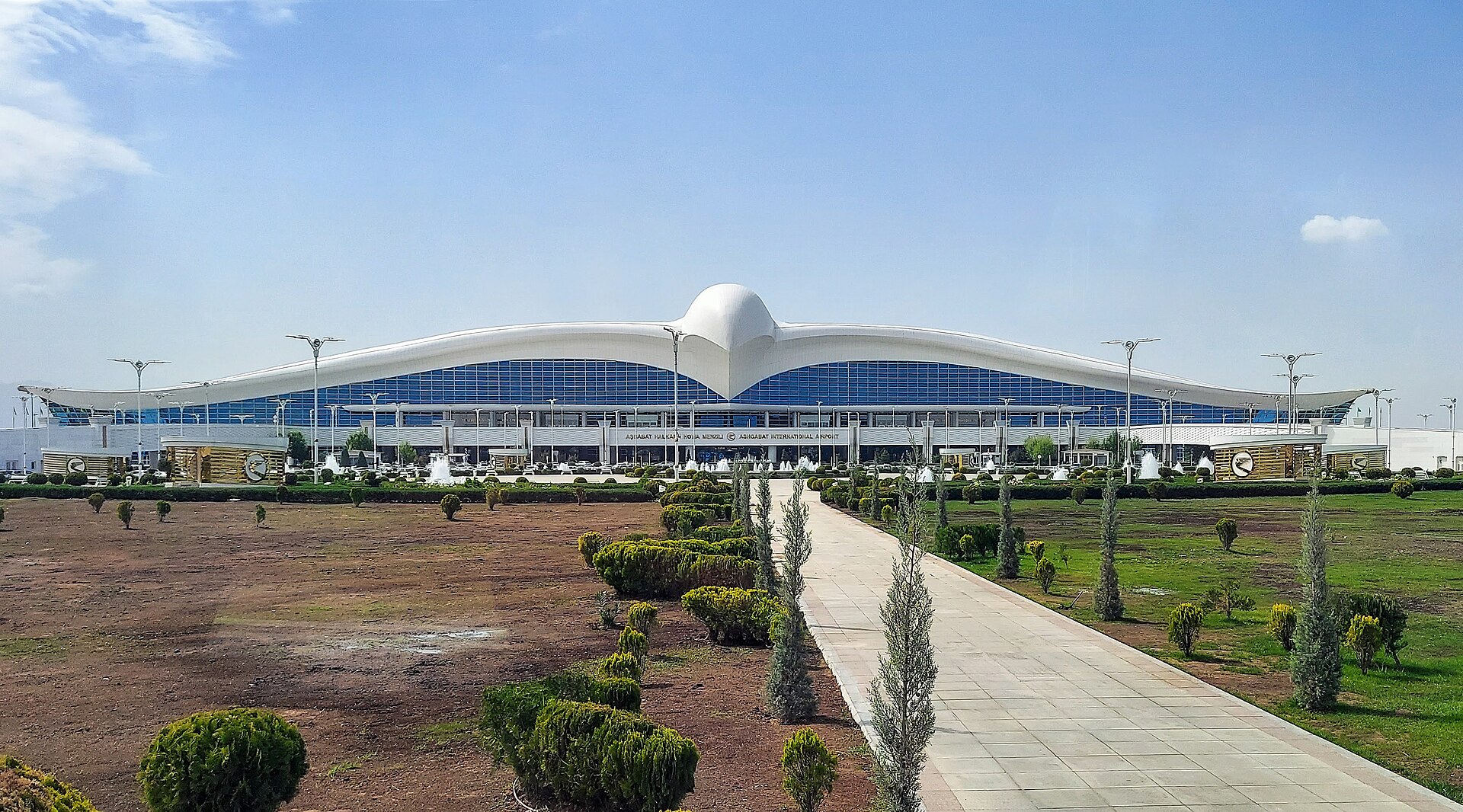
Jam Kamal Khan proposed exploring direct flights between Islamabad and Ashgabat, along with chartered cargo services for perishable agricultural and food products. He told the Turkmen delegation that the relatively short flying distance between the two capitals could be a real advantage for time-sensitive exports, the kind of goods that lose value with every extra day in transit.
The meeting went beyond aviation. The two sides also discussed expanding overland connectivity, alternative trade corridors for Pakistani exports such as marble to Central Asian markets, and the expanding operations of Pakistan’s National Logistics Corporation (NLC) in Central Asia. Business visa facilitation and stronger engagement between traders and investors were also raised.
Minister Suleymanov welcomed the air-connectivity idea and said the proposal could be discussed further with the relevant aviation authorities during the Joint Intergovernmental Commission meeting. That matters, because a commerce ministry can propose a route, but only the aviation authorities and airlines can actually start flying it.
Why Trade Has Fallen So Sharply
The numbers behind the meeting are stark. Trade turnover exceeded $36 million in 2025, but that was already a decline of nearly 23% on 2024. The slide then accelerated: in the first nine months of 2026, bilateral trade stood at approximately $15 million, down 56% on the same period last year.
| Period | Bilateral trade | Change |
|---|---|---|
| 2025 (full year) | More than $36 million | Down nearly 23% vs 2024 |
| Jan–Sep 2026 | About $15 million | Down 56% year on year |
According to the Turkmen trade minister, the decline is mainly down to reduced textile exports. That explains why Jam Kamal used the meeting to push for commercial partnerships in textiles, agriculture, food processing, manufacturing and logistics. Suleymanov said he wanted traditional trade volumes restored and exports diversified, so the relationship is not hostage to a single sector.
The wider backdrop matters too. Rising international freight costs and disruption to traditional trade routes have made the old ways of moving goods more expensive and less reliable, which is why Pakistan is looking for new corridors through Turkmenistan. The same pressure is visible across Pakistan’s external account: remittances remain a lifeline, with October 2026 remittances reaching $3.9 billion even as the trade deficit widened.
The Corridor Plan: Air, Road and New Routes to Central Asia
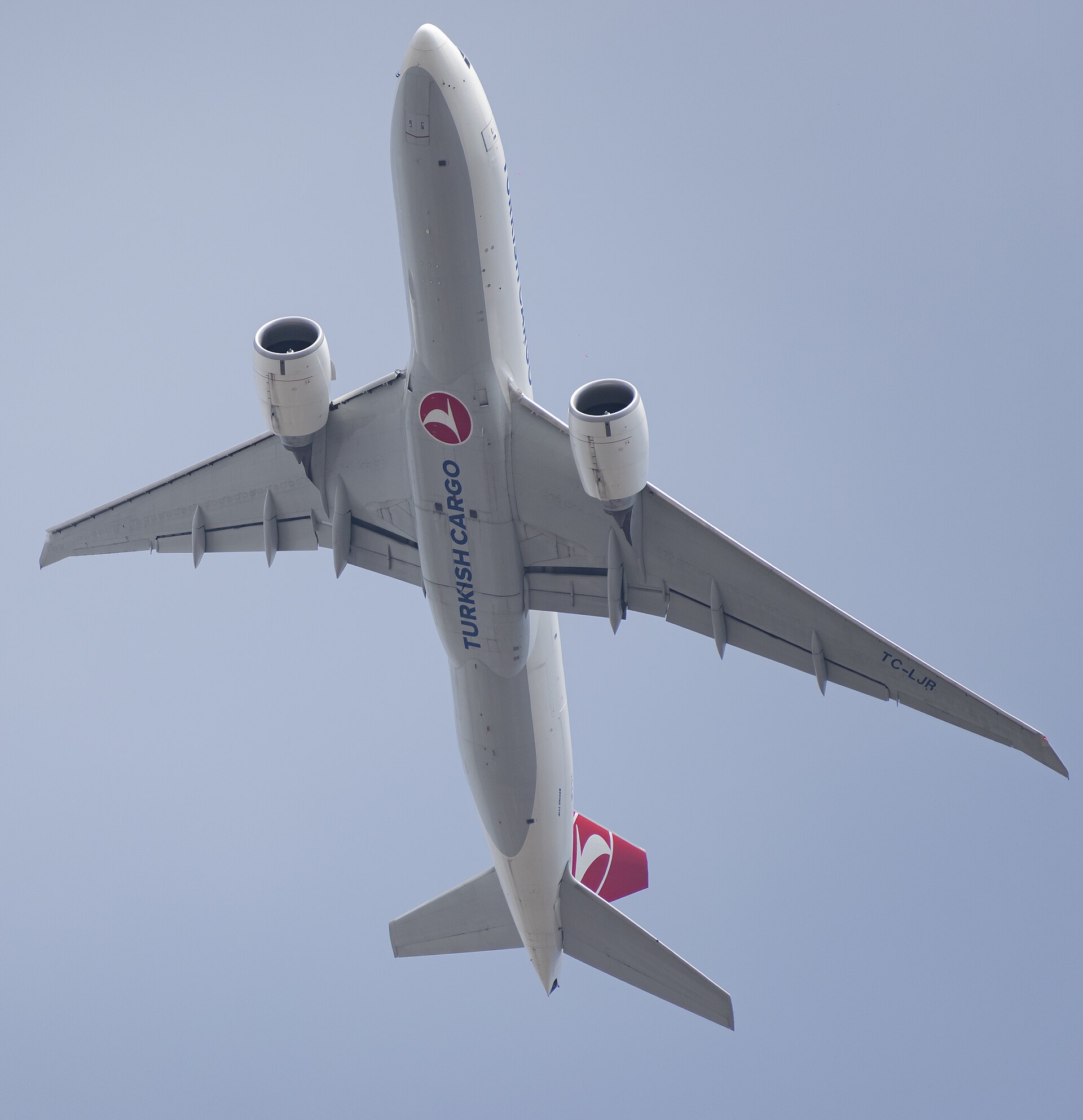
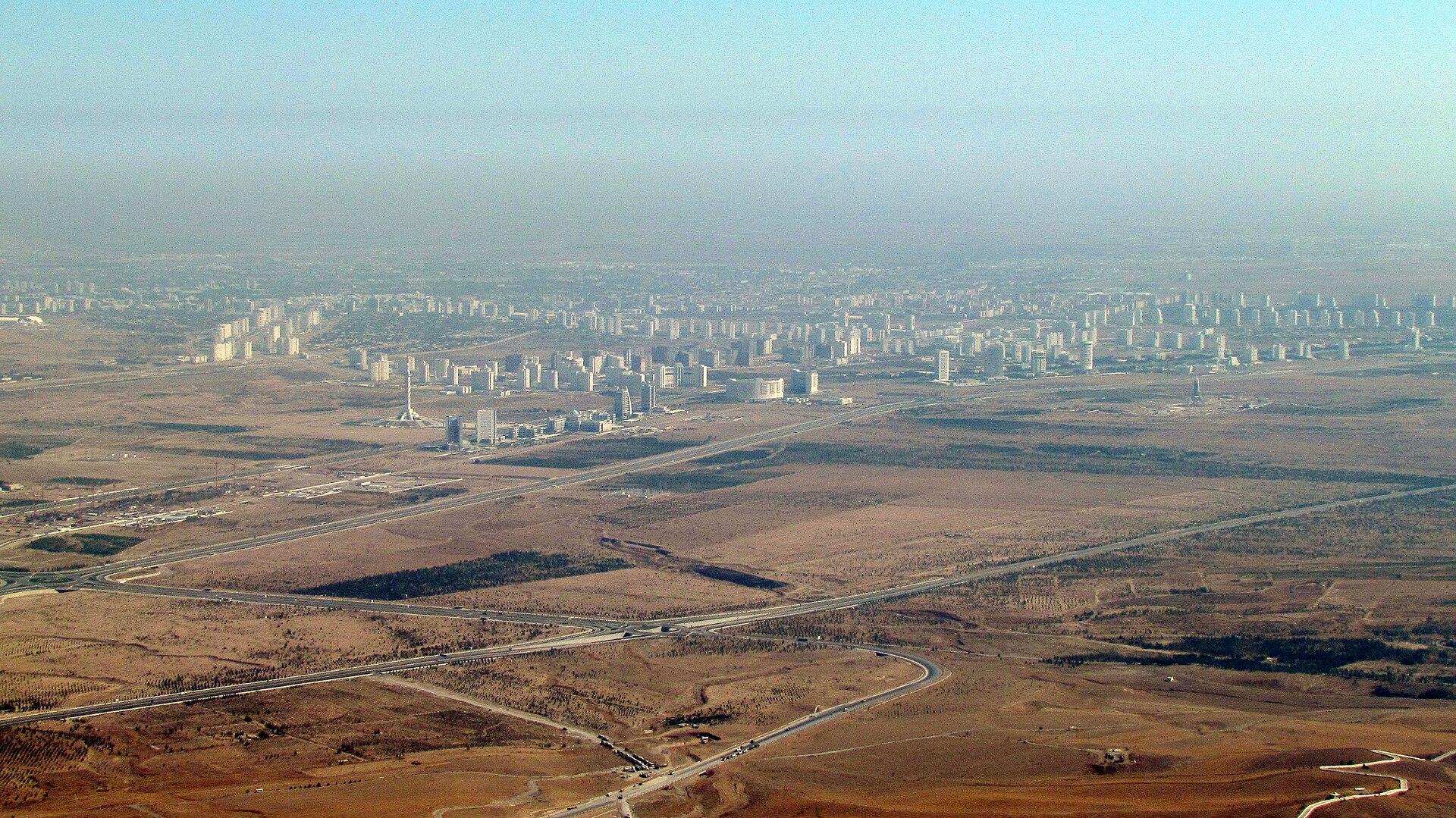
The flights idea sits inside a bigger plan. Pakistan wants Turkmenistan to become a gateway to Central Asia, not just a bilateral trading partner. Three strands came up in the meeting: direct passenger flights and cargo charters by air; NLC trucking corridors through Turkmenistan, with smoother cross-border transportation; and alternative routes for exports such as marble, which currently face long and costly journeys to reach buyers.
For exporters of fresh produce, the air link is the most immediate prize: fruit, vegetables and other perishables lose quality fast on long road journeys, and a direct flight turns a multi-day trip into a matter of hours. For marble and other heavy goods, the road corridors matter more. But none of this will happen overnight: air routes need airline interest, landing rights and enough demand, while road corridors need customs coordination and permits.
What Happens Next: The Joint Commission Session
The timing of the meeting was deliberate. It was held a day before the sixth session of the Pakistan–Turkmenistan Joint Intergovernmental Commission, which opened in Islamabad on Tuesday, 17 November 2026. The commission brings both governments together to discuss trade, investment, energy and regional connectivity, and the flights proposal is now on its agenda for discussion with aviation authorities.
Separately on the same day, Deputy Prime Minister and Foreign Minister Ishaq Dar held a tête-à-tête in Islamabad with Rashid Meredov, Turkmenistan’s Deputy Chairman of the Cabinet of Ministers and Minister of Foreign Affairs, to discuss deepening cooperation on trade and regional connectivity. Pakistan has been busy on this front more broadly: Oman’s Foreign Minister Badr Albusaidi recently visited Pakistan for a Joint Ministerial Commission session, as covered in our report on the Oman visit.
What to watch for next is straightforward: whether the JIC session produces any public statement on the flights proposal, whether any airline expresses interest, and whether the trucking and marble-corridor talks produce anything concrete, such as a pilot shipment.
Why This Matters for Pakistan’s Economy
At $15 million in nine months, Pakistan–Turkmenistan trade is small in absolute terms. But the story matters for three reasons. First, it is a test case for Pakistan’s wider Central Asia strategy: if Islamabad can build a working corridor through Ashgabat, the same model can serve bigger markets further north. Second, it is about export diversification when the government is under pressure to raise foreign earnings from every available source, including privatisation, under which Pakistan aims to raise $1 billion from five or six entities. Third, it gives exporters options when freight costs rise and old routes are disrupted.
For textile exporters, who sit at the centre of the trade decline, the message is mixed. A flight route alone will not restore textile orders; that takes competitive pricing and reliable delivery. What the air link and the corridors can do is give exporters, food and agriculture exporters in particular, faster and cheaper ways to reach new buyers. No start date has been announced, no airline has been named, and no ticket or cargo prices have been discussed publicly, so readers should treat this as a statement of intent backed by a real problem: trade down 56%, freight costs up, and a shared interest in fixing both.
Sixth JIC Session: Three Agreements Signed
On Tuesday, 17 November 2026, Pakistan and Turkmenistan signed three agreements after the sixth session of the Pakistan-Turkmenistan Joint Intergovernmental Commission on Economic Cooperation in Islamabad, co-chaired by Deputy Prime Minister and Foreign Minister Ishaq Dar and Turkmen Foreign Minister Rashid Meredov.
- The protocol of the sixth JIC session.
- A Programme of Cooperation between the two foreign ministries for 2026-2030.
- A Memorandum of Understanding on tourism cooperation between Pakistan’s Ministry of Inter-Provincial Coordination and Turkmenistan’s Ministry of Culture.
The two sides agreed to meet soon on the TAPI gas pipeline steering committee and the Joint Working Group on Oil and Gas. The direct-flights proposal was formally raised at the JIC, and Pakistan offered its Karachi and Gwadar ports for Turkmen cargo. Bilateral trade fell 56% year on year to about $15 million in January-September 2026, mainly due to lower textile exports, according to Turkmen Trade Minister Dortguly Suleymanov. Meredov said more agreements are expected before a planned state visit by Turkmenistan’s leadership to Pakistan next year.
Frequently Asked Questions
Are there direct flights between Islamabad and Ashgabat now?
No. Pakistan has only proposed exploring direct flights. The proposal was made by Commerce Minister Jam Kamal Khan on 16 November 2026 and will be discussed with aviation authorities at the Joint Intergovernmental Commission session. No airline, start date or schedule has been announced.
Why is Pakistan proposing flights to Turkmenistan?
To revive falling bilateral trade and open a faster route for time-sensitive exports. Trade fell 56% year on year to about $15 million in January–September 2026, and rising freight costs plus disruption to traditional routes have pushed Pakistan to seek new corridors through Turkmenistan into Central Asia.
How much is trade between Pakistan and Turkmenistan worth?
Trade turnover exceeded $36 million in 2025, down nearly 23% from 2024. In the first nine months of 2026 it stood at approximately $15 million, down 56% on the same period in 2025, mainly because of reduced textile exports, according to Turkmenistan’s trade minister.
What else did Pakistan propose besides passenger flights?
Chartered cargo services for perishable farm and food products, NLC trucking corridors through Turkmenistan, alternative routes for exports such as marble, business visa facilitation, and stronger engagement between traders and investors.
What is the Pakistan–Turkmenistan Joint Intergovernmental Commission?
It is the main bilateral forum where the two governments discuss trade, investment, energy and regional connectivity. Its sixth session was held in Islamabad on 17 November 2026, and the flights proposal is on its agenda for discussion with aviation authorities.
When could Islamabad–Ashgabat flights actually start?
There is no date yet. The proposal must first be discussed with aviation authorities, and any airline would need to study commercial viability, landing rights and demand before launching a route.
Pakistan proposed the Islamabad–Ashgabat flights to rebuild a trade relationship that has shrunk by more than half this year. Whether the proposal becomes a real route will depend on what the Joint Commission and the aviation authorities decide next.