Pakistan Ends Cheque Payments: All Government Payments Move to Raast from November 16
By Bilal Ahmed | Updated: 8 November 2026 Pakistan is about to stop paying by cheque. From 16 November 2026, every payment made through the government’s Asaan Assignment Accounts (AAA) system will go through Raast, the State Bank’s instant payment system, and not a single cheque will be issued under the system after 15 November….
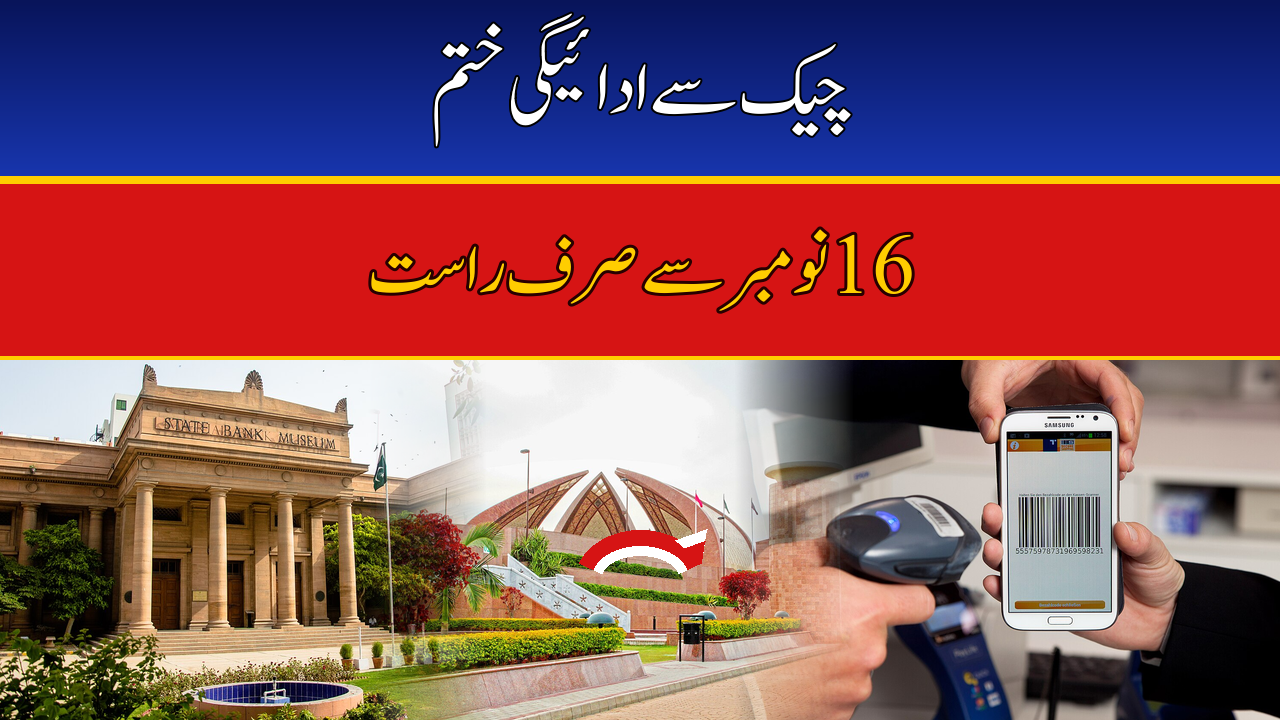
Pakistan is about to stop paying by cheque. From 16 November 2026, every payment made through the government’s Asaan Assignment Accounts (AAA) system will go through Raast, the State Bank’s instant payment system, and not a single cheque will be issued under the system after 15 November. The decision was taken at a high-level meeting on the cashless economy chaired by Prime Minister Shehbaz Sharif in Islamabad on Friday, 6 November 2026.
It is the biggest single step yet in the government’s push to take cash — and paper — out of public payments. Government departments have been told to finish digitising their payments by December 2026, and the Benazir Income Support Programme has already moved its payments entirely to digital wallets.
Key Facts: Cheque Payments End, Raast Takes Over
| What | Detail |
|---|---|
| Cheque payments under AAA end | 15 November 2026 (last day) |
| All AAA payments via Raast from | 16 November 2026 |
| Decision taken at | High-level cashless economy meeting, Islamabad, Friday 6 November 2026 |
| Meeting chaired by | Prime Minister Shehbaz Sharif |
| Government payment digitisation deadline | December 2026 (most federal and provincial institutions) |
| BISP payments | Already 100% through digital wallets |
| Officers trained | Drawing and disbursing officers (DDOs) already trained on Raast |
| Next step | Roadmap with specific targets and deadlines for a fully digital payment system |
What Exactly Changes on 16 November?
The change is simple to describe and big in practice. Asaan Assignment Accounts are the accounts government departments use to make payments — to suppliers, contractors, and for day-to-day official spending. Until now, a large share of those payments still moved on paper cheques: written out, signed, physically carried to a bank, cleared over days.
From 16 November, that route closes. Every AAA payment will be made digitally through Raast, with the money moving instantly from the government’s account to the recipient’s. Cheque-based payments under the system stop a day earlier, on 15 November. There is no overlap period and no exception mentioned in the announcement — the switch is complete, not gradual.
The groundwork, officials told the meeting, is already done. Drawing and disbursing officers — the DDOs who authorise and release government payments — have already received training on the new system.
What Are Asaan Assignment Accounts?
If the name sounds technical, the idea is not. When a government department needs to pay someone, it does not hand over cash from a drawer. It operates an assignment account — an account with the State Bank or a designated bank, funded from the budget, from which its officers release payments against approved bills.
For decades, the final step of that process was often a cheque: written out, signed, carried to a bank, and cleared over days. Moving the whole chain onto Raast means the payment is instant, traceable, and recorded the moment it is made — the same logic that has already made instant transfers normal for millions of people using bank apps and mobile wallets, now applied to the government’s own chequebook.
What the Prime Minister Ordered
The 6 November meeting was not only about the cheque deadline. Prime Minister Shehbaz Sharif directed the authorities to prepare a clear roadmap, with specific targets and deadlines, for building a fully digital payment system across the country. He told all ministries and government institutions to ensure complete implementation of the cashless economy plan, and he described the transition to digital payments as a key government priority.
He also pressed officials on the problems people actually face when they try to pay digitally — technical glitches, failed transactions, and consumer complaints — and directed that these be addressed without delay. Wider access to technology and reliable internet connectivity, he said, are essential to the whole effort. Officials told the meeting that work is already under way on a system that would allow digital transactions in areas without internet access.
The meeting was attended by Finance Minister Muhammad Aurangzeb, IT Minister Shaza Fatima, Information Minister Attaullah Tarar, and State Bank Governor Jameel Ahmad, along with other federal ministers, provincial chief secretaries, and senior officials. The prime minister commended the finance ministry and other institutions for their work on the cashless agenda.
BISP Already Fully Digital — and Utility Bills by QR Code
One part of the transition is already finished. Officials informed the meeting that payments under the Benazir Income Support Programme are now being made entirely through digital wallets. BISP is the country’s largest cash transfer programme, so moving its payments fully onto digital rails is a strong signal that the system can handle scale.
The meeting also reviewed the Raast QR code scheme, which lets consumers pay merchants by scanning a code. The prime minister directed that the initiative continue under government patronage, saying QR payments are helping advance the vision of a cashless economy. He called for a media campaign to encourage electricity and gas consumers to pay their utility bills by scanning the QR codes printed on them. JazzCash has already onboarded 1.9 million merchants on Raast QR, which shows how quickly the QR network is spreading into everyday shops.
What It Means for Government Departments
The December 2026 target is the next milestone to watch. Most federal and provincial government institutions are expected to complete the digitisation of their payments by then. That is roughly seven weeks from the announcement, and it means departments that still rely on cheques for some payments will have to move their remaining processes onto Raast quickly.
For suppliers and contractors who work with the government, the change should mean faster payment. A Raast transfer settles instantly, unlike a cheque that needs to be deposited and cleared. For departments, it means every payment leaves a digital trail, which makes accounting easier and misuse harder.
Why This Matters for Pakistan’s Cashless Push
Pakistan’s economy still runs heavily on cash, and every government payment made by cheque has been a reminder of that. Ending cheque payments for the government’s own accounts is therefore more than an administrative change. It is the state leading by example: if the government itself pays digitally, it is harder for anyone else in the chain to insist on paper.
The move also fits a wider pattern. The government has been pushing digital payments on several fronts at once, and the finance ministry has been driving an economic reform agenda that includes raising revenue through privatisation. Pakistan plans to raise $1 billion from the privatisation of five to six entities, Finance Minister Aurangzeb has said, as part of the same effort to modernise how the state handles money.
There are still real hurdles. Internet access is uneven, especially outside the big cities, and digital payments only work if people trust them. That is why the meeting’s focus on fixing consumer problems, building an offline payment option, and improving connectivity matters as much as the deadline itself.
If the rollout goes as announced, 16 November will be a date worth remembering: the day the government stops writing cheques and starts paying the way the rest of the country increasingly does. Anyone who receives a government payment after that date should check that their bank account or wallet is linked and ready, because the money will arrive through Raast, not in an envelope. And if something goes wrong with a digital payment, remember that complaints can be taken up: the Banking Mohtasib has already secured Rs1.2 billion in refunds for customers whose complaints were upheld.
FAQs
When do cheque payments end in Pakistan’s government system?
Cheque-based payments under the Asaan Assignment Accounts (AAA) system end on 15 November 2026. From 16 November 2026, all AAA payments will be made exclusively through Raast, the State Bank of Pakistan’s instant payment system.
What is Raast?
Raast is the State Bank of Pakistan’s instant payment system. It lets money move between bank accounts and wallets in seconds, at any time, using a mobile number, account number, or QR code — instead of waiting days for a cheque to clear.
What are Asaan Assignment Accounts (AAA)?
Asaan Assignment Accounts are the accounts government departments use to make official payments to suppliers, contractors, and others. The 16 November change means every payment from these accounts will be made digitally through Raast, with no cheques issued under the system.
Who decided to end cheque payments?
The decision was announced at a high-level meeting on the cashless economy chaired by Prime Minister Shehbaz Sharif in Islamabad on Friday, 6 November 2026. The meeting was attended by the finance, IT, information, petroleum, power, and maritime ministers, the State Bank governor, and provincial chief secretaries.
Will BISP payments change?
No change is needed for BISP recipients. Payments under the Benazir Income Support Programme are already being made entirely through digital wallets, officials told the 6 November meeting, so beneficiaries will continue receiving their payments digitally.
Can I pay my electricity and gas bills with Raast QR?
Yes, that is part of the plan. The prime minister directed a media campaign to encourage electricity and gas consumers to pay their bills by scanning the QR codes printed on them, and the Raast QR scheme for consumers and merchants will continue under government patronage.
What if I live in an area without internet access?
Officials told the meeting that work is under way on a system to enable digital transactions in areas without internet access, alongside efforts to improve internet infrastructure across the country. The prime minister stressed that wider access to technology and reliable connectivity are essential to the transition.
Pakistan’s cheque era in government payments ends on 15 November. From 16 November, Raast is the only way the state pays — instantly, digitally, and on the record.