Delhi Overtakes Lahore as World’s Most Polluted City as Smog Turns Hazardous
By Ahmed Khan | 13 November 2026 Delhi Overtakes Lahore as World’s Most Polluted City as Smog Turns Hazardous Delhi has overtaken Lahore to become the world’s most polluted major city, with thick smog pushing air quality into hazardous territory on Friday morning. Swiss monitor IQAir recorded the Indian capital’s air quality index at 334…
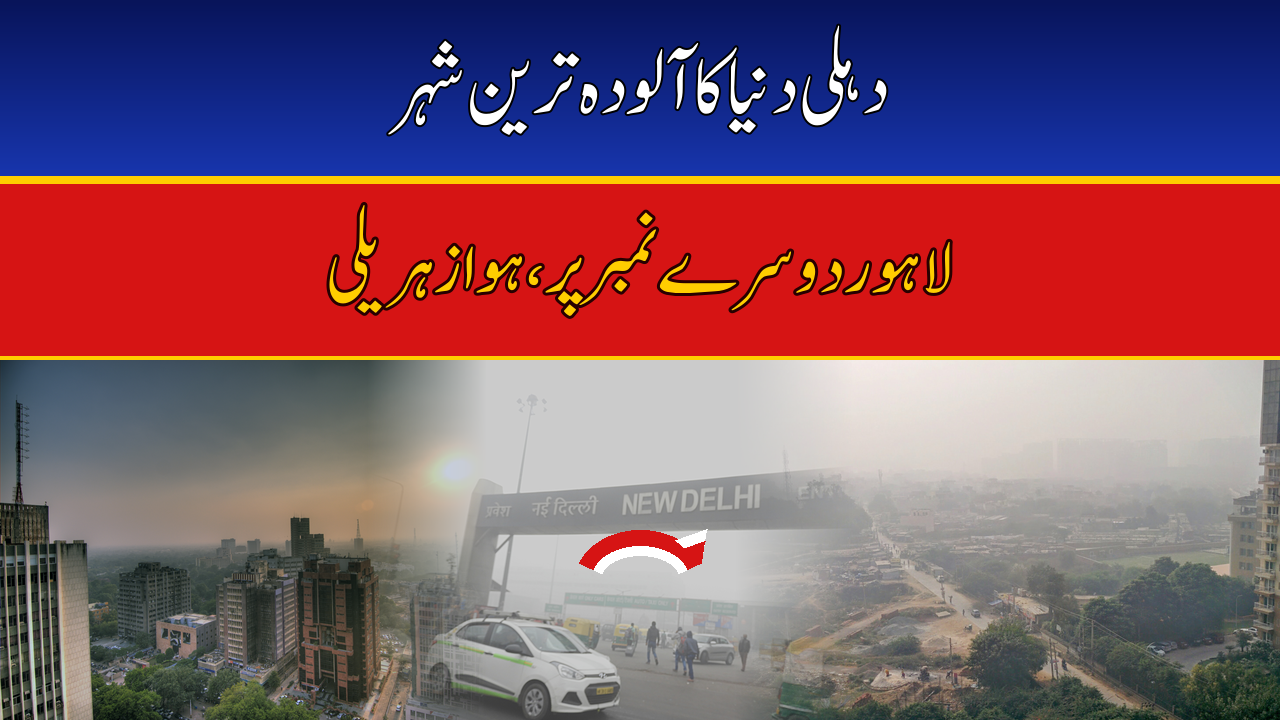
Delhi Overtakes Lahore as World’s Most Polluted City as Smog Turns Hazardous
Delhi has overtaken Lahore to become the world’s most polluted major city, with thick smog pushing air quality into hazardous territory on Friday morning. Swiss monitor IQAir recorded the Indian capital’s air quality index at 334 — rated hazardous — while India’s official reading put it higher still, at 403 and “severe”, the first severe day of the season.
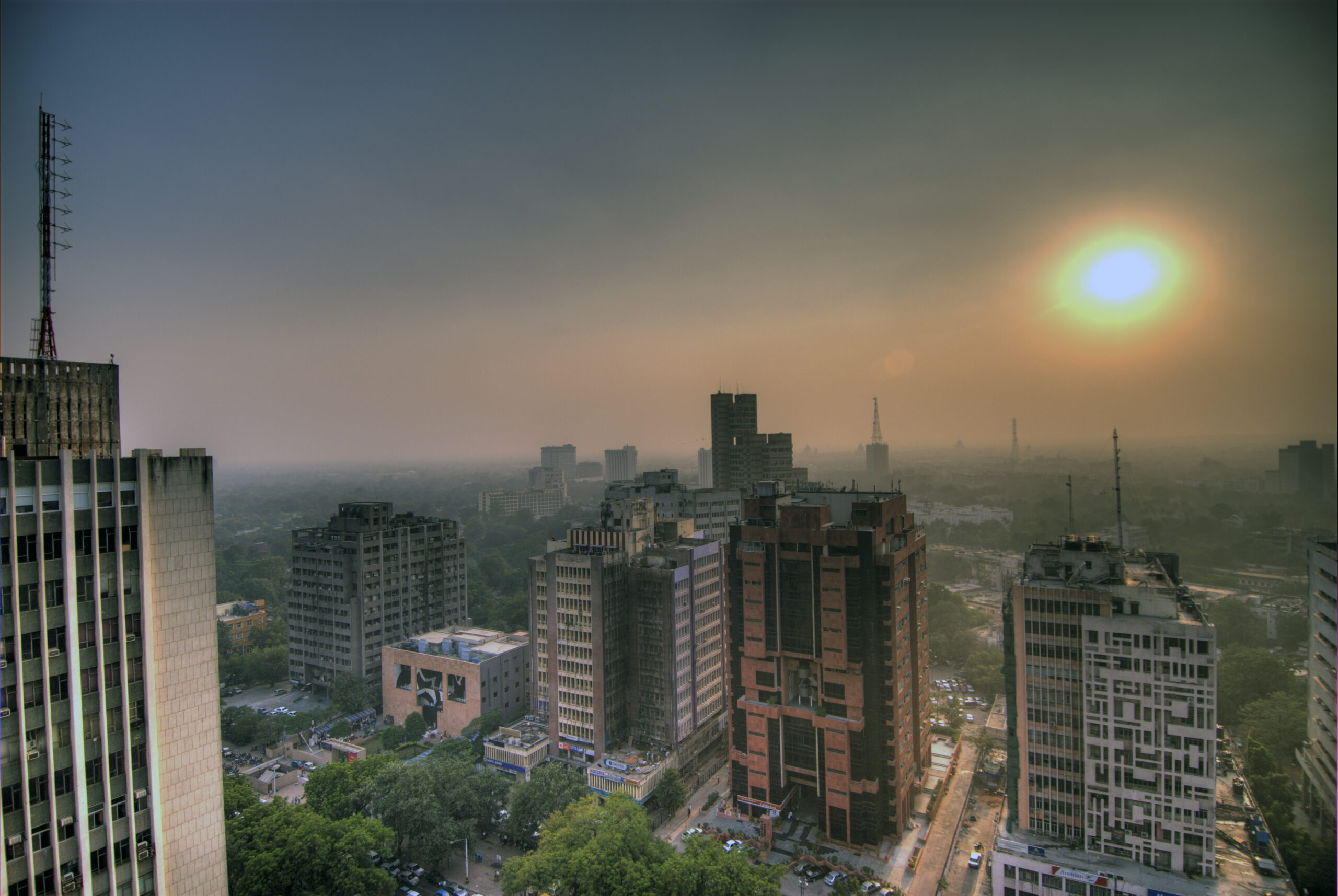
Delhi’s air deteriorated sharply overnight as a thick blanket of smog settled over the city of 20 million people, cutting visibility and pushing pollution readings to their worst of the winter so far. The change was confirmed by multiple outlets on Friday morning, including Reuters, The Hindu, the Telegraph India and Khaleej Times, all reporting the same two readings: 334 on IQAir’s scale and 403 on India’s official Central Pollution Control Board (CPCB) scale.
Until Friday, Lahore had held the top spot on IQAir’s ranking of major cities. Delhi’s jump past its Pakistani neighbour is a snapshot of a single day — pollution rankings shift hour by hour — but it underlines how bad the air has become across the whole region as winter sets in. Lahore, Multan and the rest of Punjab are facing the same seasonal smog crisis, and the air on both sides of the border is now deep into the range doctors warn about.
What the two AQI readings mean
The two numbers reported on Friday — 334 and 403 — describe the same air, measured on different scales. IQAir, the Swiss monitoring group, put Delhi at 334 and called it “hazardous”, which placed the city at the top of its global ranking of major cities. India’s Central Pollution Control Board recorded 403 and rated the air “severe”. The readings are not directly comparable because the two agencies use different methods to calculate and classify pollution, but both point the same way: the air on Friday morning was dangerous to breathe.
On the CPCB’s own scale, readings from 0 to 50 are good, 51 to 100 satisfactory, 101 to 200 moderate, 201 to 300 poor, 301 to 400 very poor and 401 to 500 severe. Delhi’s 403 crossed into the severe band for the first time this season, and it stayed there through the morning — the CPCB’s Sameer app showed 403 at 6:05am and the same reading at 8am and 9am. IQAir’s guidance is simpler: any reading up to 50 carries little or no health risk, and 334 is more than six times that level.
The ranking itself is a snapshot. IQAir’s list covers the major cities it tracks, and positions change as the day goes on. What matters is not the exact order but the scale of the numbers: both Delhi and Lahore are spending this week in air that health experts say should keep people indoors.
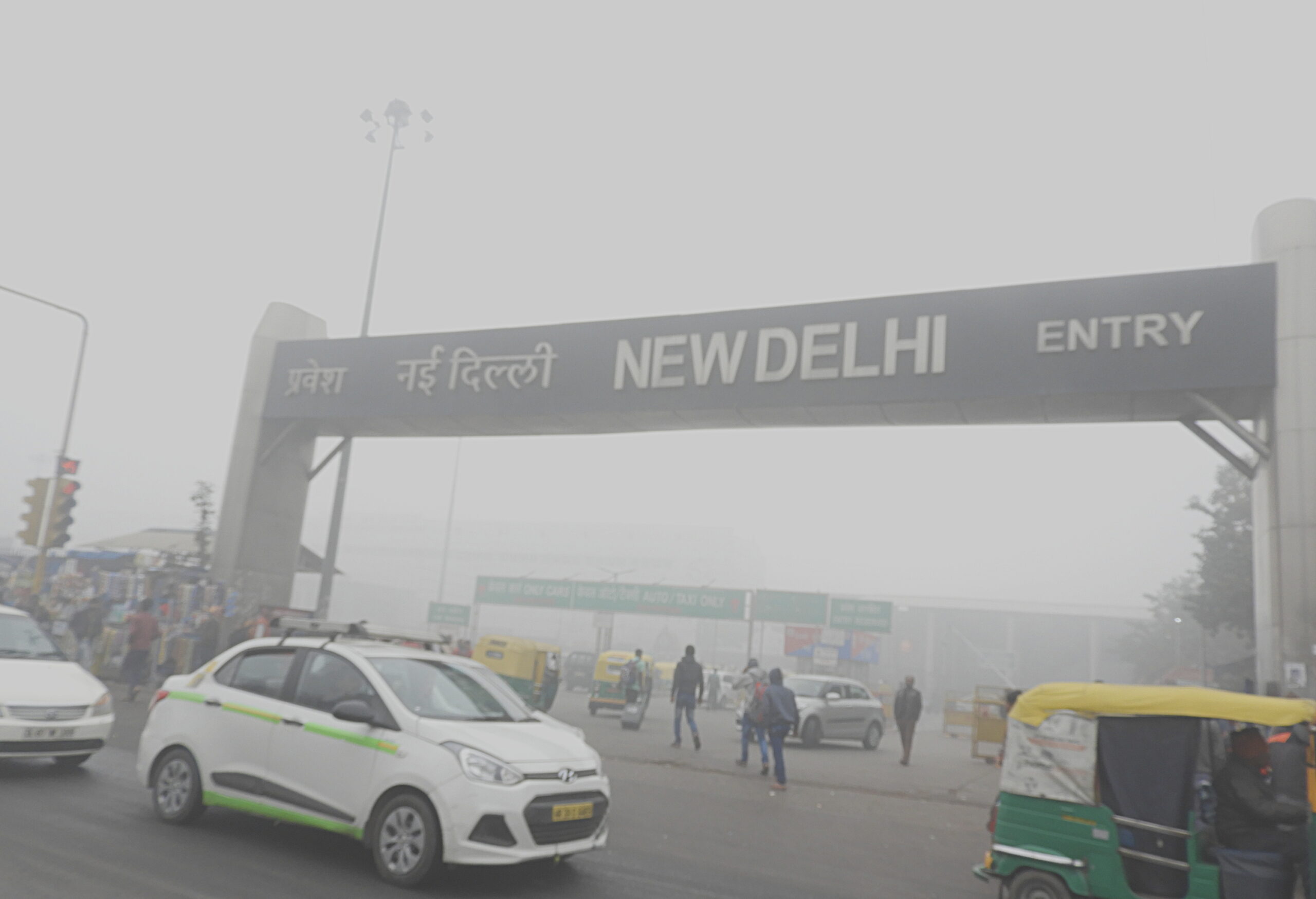
Why Delhi’s air turned severe
The immediate trigger is the weather. As winter arrives, a temperature inversion traps cold air — and the pollution in it — close to the ground. A report by the Hindustan Times, cited by CNBC-TV18, found that Delhi’s mixing layer — the band of air near the ground in which pollution can disperse — had contracted to around 400 metres on Thursday, 12 November, compared with about 1,400 metres just two days earlier. With the layer that thin, the same emissions pile up into far worse concentrations.
The pollution itself comes from a familiar mix. Source-apportionment estimates from the Indian Institute of Tropical Meteorology (IITM) for 12 November put biomass burning and secondary organic aerosols at 25.4 percent each of Delhi’s pollution load. Those figures shift with the weather and with the movement of polluted air across the region, but they show that the crisis is not caused by any single source — it is the combination of burning, traffic, dust and industry, trapped by still winter air.
Anticipating the decline, the Commission for Air Quality Management invoked Stage III of the Graded Response Action Plan (GRAP) across the National Capital Region on 6 November. Stage III corresponds to the severe category, covering readings between 401 and 450. It is the framework Delhi uses to restrict the most polluting activities when the air reaches this level.
Lahore slips to second — but Punjab’s smog crisis continues
Delhi passing Lahore at the top of the ranking is no relief for Pakistan. Lahore had held the unwanted first place earlier in the week, and the city remains deep in its own smog emergency. Punjab’s smog crisis has already produced some of the worst readings of the year, with Multan and Lahore recording hazardous air earlier this month, and hospitals in Lahore reporting tens of thousands of patients with flu-like symptoms linked to the smog.
The crisis is already disrupting daily life in Pakistan. The second Test between Pakistan and Sri Lanka, scheduled for Lahore, was moved to Rawalpindi because of the smog — a reminder that the pollution is not only a health problem but is now changing the country’s sporting calendar too.
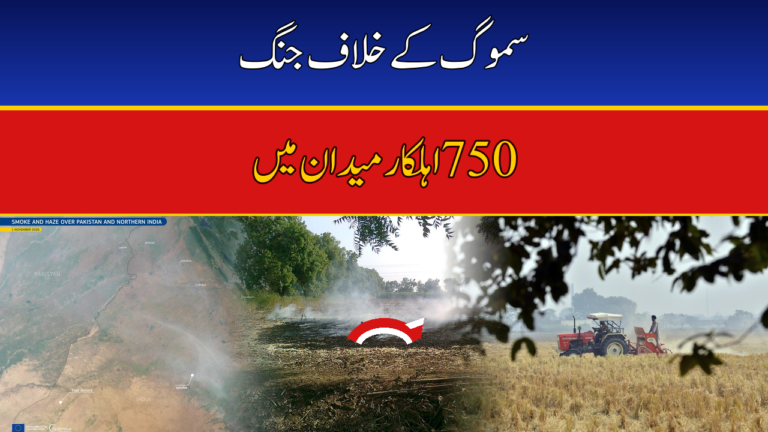
Both cities face the same pattern every winter: crop-residue burning, vehicle exhaust, brick kilns and construction dust, all held down by cold, still air. The difference between first and second on a daily ranking is small. What the two cities share is a season in which the air itself has become the biggest public-health story of the week.
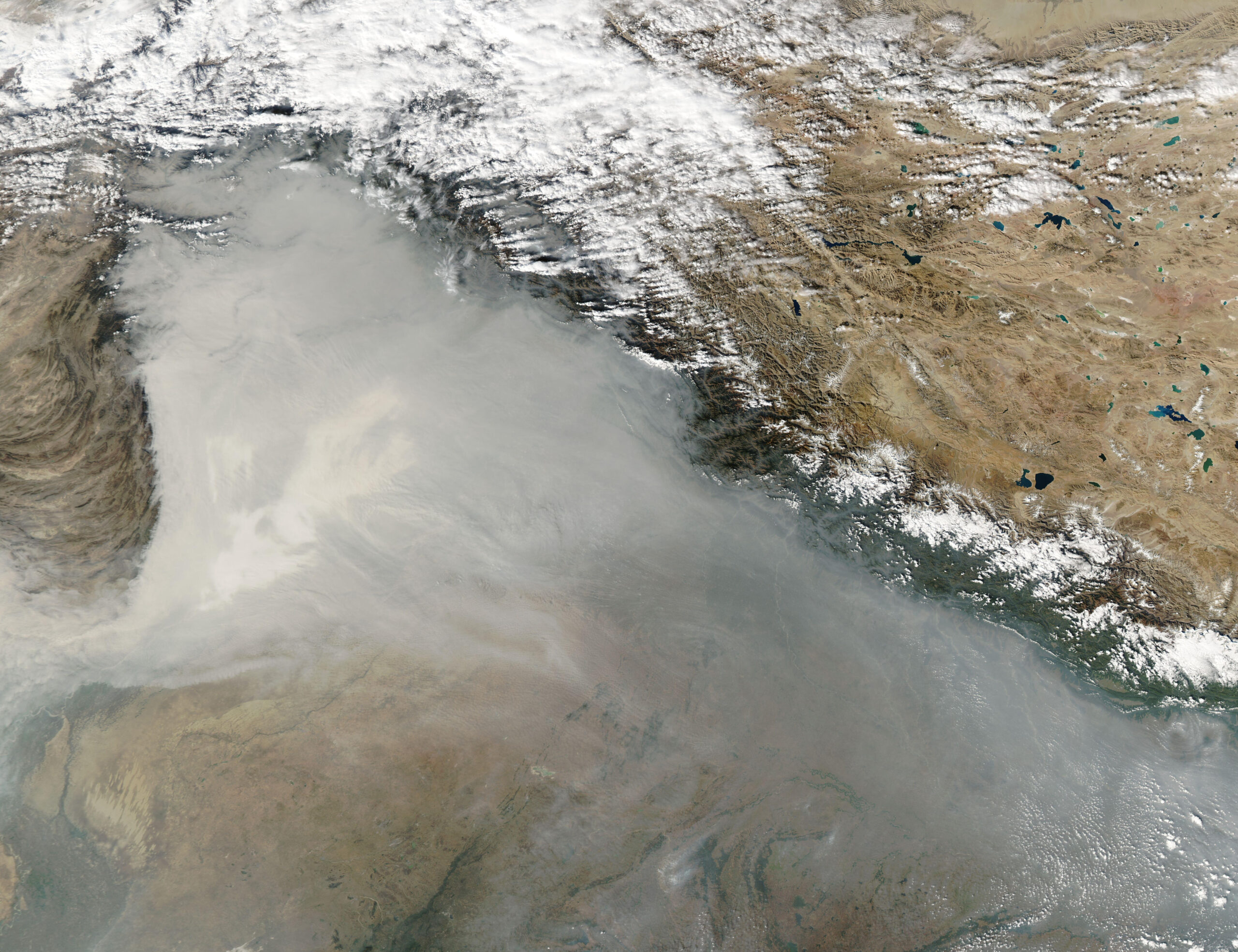
How to protect yourself when the air turns hazardous
When the AQI crosses into the hazardous range, the standard advice from health experts is straightforward: stay indoors as much as possible, keep windows and doors closed, and avoid outdoor exercise, especially in the morning when the smog is thickest. Children, older people and anyone with asthma, heart disease or another breathing condition should take extra care, and people who must go out should wear a properly fitted N95 mask rather than a cloth mask, which does little against fine particles.
Inside the home, an air purifier helps if one is available; without one, keeping the house sealed and avoiding indoor smoke from cooking fires or cigarettes matters more. Anyone who develops persistent coughing, wheezing, chest tightness or breathlessness during a smog episode should seek medical attention rather than waiting for the air to clear, because the effects of very high pollution can build up over several days of exposure.
For the region as a whole, the relief will come with the weather — wind and rain clear the air far faster than any single policy. Until then, the daily AQI reading is worth checking before planning the day, in Delhi and in Lahore alike.
Frequently Asked Questions
Is Delhi now the world’s most polluted city?
Yes, as of Friday morning, 13 November 2026. Delhi overtook Lahore at the top of IQAir’s ranking of major cities, with an AQI of 334 rated “hazardous”. India’s official CPCB reading was higher, at 403 and “severe”. The ranking is a snapshot and changes through the day.
What is Delhi’s AQI today?
IQAir recorded Delhi’s AQI at 334 (“hazardous”) on Friday morning, while India’s Central Pollution Control Board recorded 403 (“severe”) — the first severe day of the season. The CPCB reading was 403 at 6:05am and unchanged at 8am and 9am. The two figures differ because the agencies use different scales and methods.
Why is Delhi’s air so bad right now?
A winter temperature inversion is trapping pollution close to the ground. Delhi’s mixing layer shrank to about 400 metres on 12 November, from about 1,400 metres two days earlier. Biomass burning and secondary organic aerosols each accounted for about 25.4 percent of the city’s pollution load on 12 November, according to the Indian Institute of Tropical Meteorology.
Where does Lahore stand in the pollution ranking?
Lahore slipped to second on IQAir’s ranking after Delhi overtook it on Friday. Lahore remains in its own severe smog crisis, with hazardous air across Punjab — Multan and Lahore recorded some of the year’s worst readings earlier this month, and Lahore hospitals have reported tens of thousands of flu-like cases linked to the smog.
What is GRAP Stage III?
Stage III of the Graded Response Action Plan is the set of emergency measures India’s Commission for Air Quality Management invokes when air quality reaches the “severe” band (AQI 401–450). It was invoked across the National Capital Region on 6 November 2026, in anticipation of the air deteriorating further.
How can I protect myself during severe smog?
Stay indoors as much as possible, keep windows closed, and avoid outdoor exercise, especially in the morning. Children, older people and people with asthma or heart conditions should take extra care. If you must go out, wear a properly fitted N95 mask. Seek medical help for persistent coughing, wheezing or breathlessness.
Related: Lahore World’s Most Polluted City — AQI Update, November 9, 2026 | Punjab Smog Crisis: Multan AQI 719, Lahore 530 | Pakistan–Sri Lanka Second Test Moved to Rawalpindi Over Smog