Pakistan Measles Cases Cross 14,000 in 2026 — NIH Data Shows Outbreak Spreading
Pakistan has recorded more than 14,000 laboratory-confirmed measles cases in 2026, according to the National Institutes of Health (NIH) in Islamabad, a figure that puts the country at the centre of a global resurgence of a disease most people assumed was under control. The NIH counted 14,249 confirmed cases up to October in its latest…
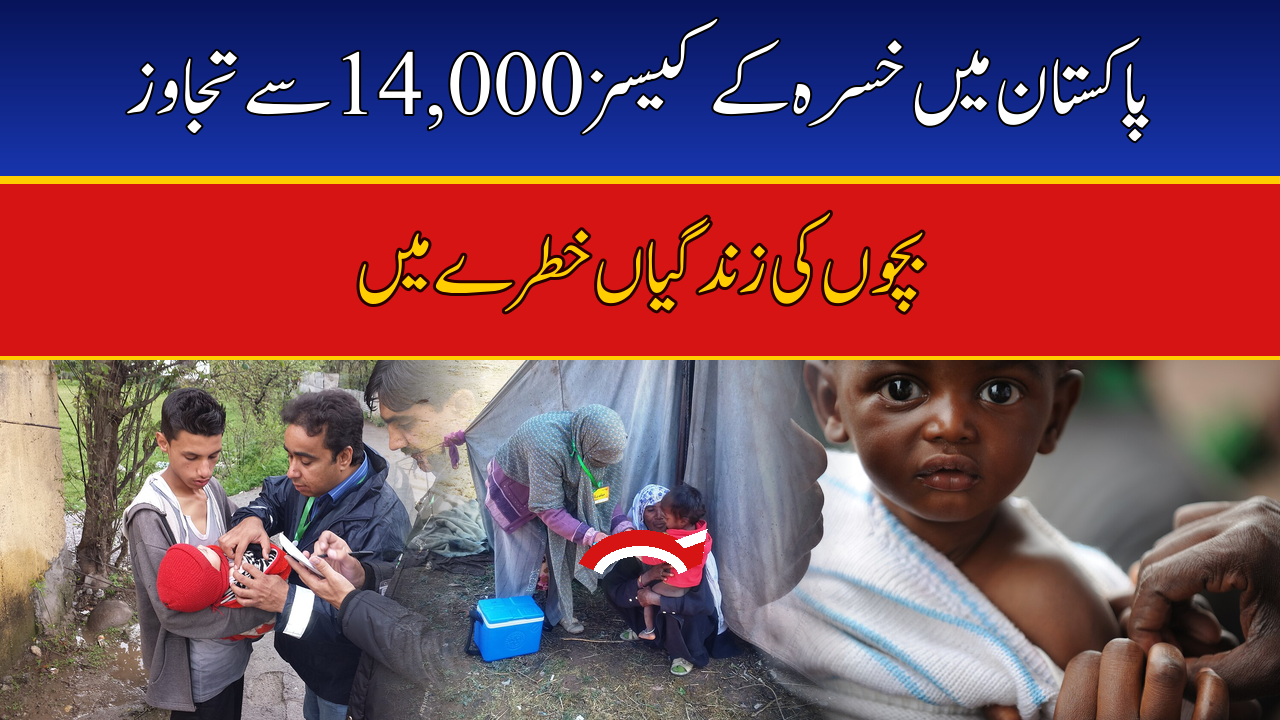
Pakistan has recorded more than 14,000 laboratory-confirmed measles cases in 2026, according to the National Institutes of Health (NIH) in Islamabad, a figure that puts the country at the centre of a global resurgence of a disease most people assumed was under control. The NIH counted 14,249 confirmed cases up to October in its latest weekly surveillance bulletin, posted on 11 November, and health officials warn the true number is higher because many sick children are never tested.
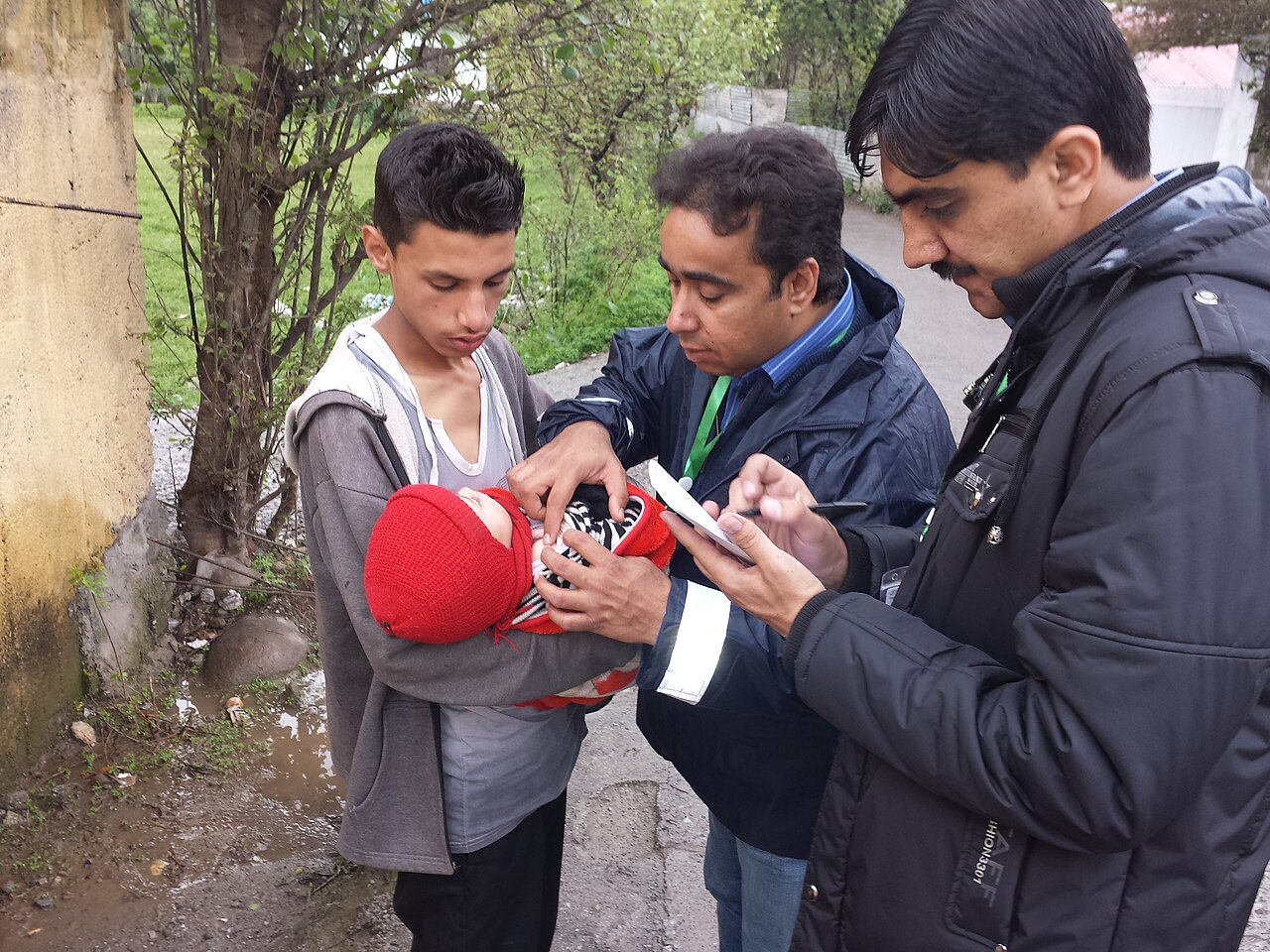
This is not a distant statistic. Measles killed at least 71 children in Pakistan in the first four months of this year alone, and fresh outbreaks were still claiming young lives in October. The disease is entirely preventable with two free doses of vaccine, available at government health centres across the country. Here is what the data actually shows, why the virus keeps winning, and what families should do now.
Key facts: measles in Pakistan, 2026
| Figure | Number | Source |
|---|---|---|
| Laboratory-confirmed measles cases, 2026 (to October) | 14,249 | NIH Islamabad, IDSR Weekly Bulletin, Week 42 |
| Measles deaths, January to April 2026 | 71 children | Ministry of Health data, reported by Dawn |
| Confirmed cases, January to April 2026 | 4,541 | Ministry of Health data, reported by Dawn |
| Suspected cases, most recent reporting week (Week 42) | 282 | NIH IDSR Weekly Bulletin, Week 42 |
| Lab-confirmed that week | 151 of 487 samples tested | NIH IDSR Weekly Bulletin, Week 42 |
| Children who have never received any vaccine (“zero-dose”) | More than 1 million | Pakistan Medical Association / Dawn |
| Second-dose measles coverage (MCV2) | About 82% (2024) | WHO/UNICEF estimates |
| Coverage needed to stop outbreaks | About 95% for both doses | World Health Organization |
| Confirmed measles cases in Pakistan, 2025 | More than 17,000 | World Health Organization |
The latest week: Khyber Pakhtunkhwa carries the heaviest load
The most recent reporting week in the NIH bulletin, Week 42 of 2026, shows how uneven the outbreak is. Clinics logged 282 suspected measles cases that week, and 224 of them, almost four in every five, were in Khyber Pakhtunkhwa. Sindh reported 34 suspected cases and Balochistan 16, while Gilgit-Baltistan reported eight. Punjab, the country’s largest province, did not report into the clinic surveillance system that week at all, which means the national total is incomplete by design.
The laboratory picture tells the same story with more precision. Public health laboratories confirmed measles in 151 of the 487 samples they tested that week. Punjab’s laboratories did test samples, 205 of them, and confirmed 22 cases, even though the province’s clinics sent no suspected-case reports into the system. That gap between what clinics report and what laboratories find is exactly why health officials treat the confirmed-case count as a floor, not a ceiling.
| Province / area | Suspected cases, Week 42 | What it means |
|---|---|---|
| Khyber Pakhtunkhwa | 224 | Nearly 80% of the week’s suspected cases |
| Sindh | 34 | Second-highest reporting province |
| Balochistan | 16 | Cases fell this week, per the bulletin |
| Gilgit-Baltistan | 8 | Small numbers, still circulating |
| Islamabad (ICT) | 0 | No suspected cases reported |
| Azad Jammu and Kashmir | 0 | No suspected cases reported |
| Punjab | Not reported | Clinics did not report; labs confirmed 22 of 205 samples |
| Pakistan total | 282 | Excludes Punjab’s unreported clinic cases |
The human cost: 71 children dead by April, and outbreaks still killing
The case count only becomes real when you look at who is dying. Official Ministry of Health data showed 71 children died of measles in the first four months of 2026. Sindh recorded the highest toll with 40 deaths, followed by 12 each in Punjab and Khyber Pakhtunkhwa and four in Balochistan. In the same period, 4,541 measles cases were confirmed nationwide, with Khyber Pakhtunkhwa leading at 1,712 cases, followed by Punjab with 1,198 and Sindh with 1,183.
The deaths did not stop in April. Media reports citing health ministry sources later put the death toll above 100, and in late October five children aged between two and seven died in a measles outbreak in the remote villages of Ghora Banda and Khora Banda in Lower Dir, Khyber Pakhtunkhwa, with dozens more infected.
Why the virus keeps winning: the immunity gap
Measles is among the most contagious diseases known. One infected child in a room of unvaccinated children will infect almost all of them. That is why the World Health Organization says about 95% of children need two doses of vaccine to stop outbreaks. Pakistan is nowhere near that level.
The second-dose coverage rate in Pakistan stood at about 82% in 2024, according to WHO and UNICEF estimates, roughly 13 points below the threshold. The national average hides far worse pockets: a study of 6.2 million children in Sindh’s immunisation registry, published in BMJ Global Health in 2025, found only 80.6% had received the first dose and only 58.1% the second, and just one in three got each dose on time.
The deepest part of the gap is the group health workers call “zero-dose” children, those who have never received any vaccine at all. Pakistan has more than a million of them, according to the Pakistan Medical Association, and the number grew during the Covid-19 pandemic, when routine immunisation was disrupted and many families simply never caught up. The WHO noted that as of 30 September 2025, more than 57% of that year’s measles cases were among zero-dose children.
A year of campaigns: what November 2025 achieved, and what it did not
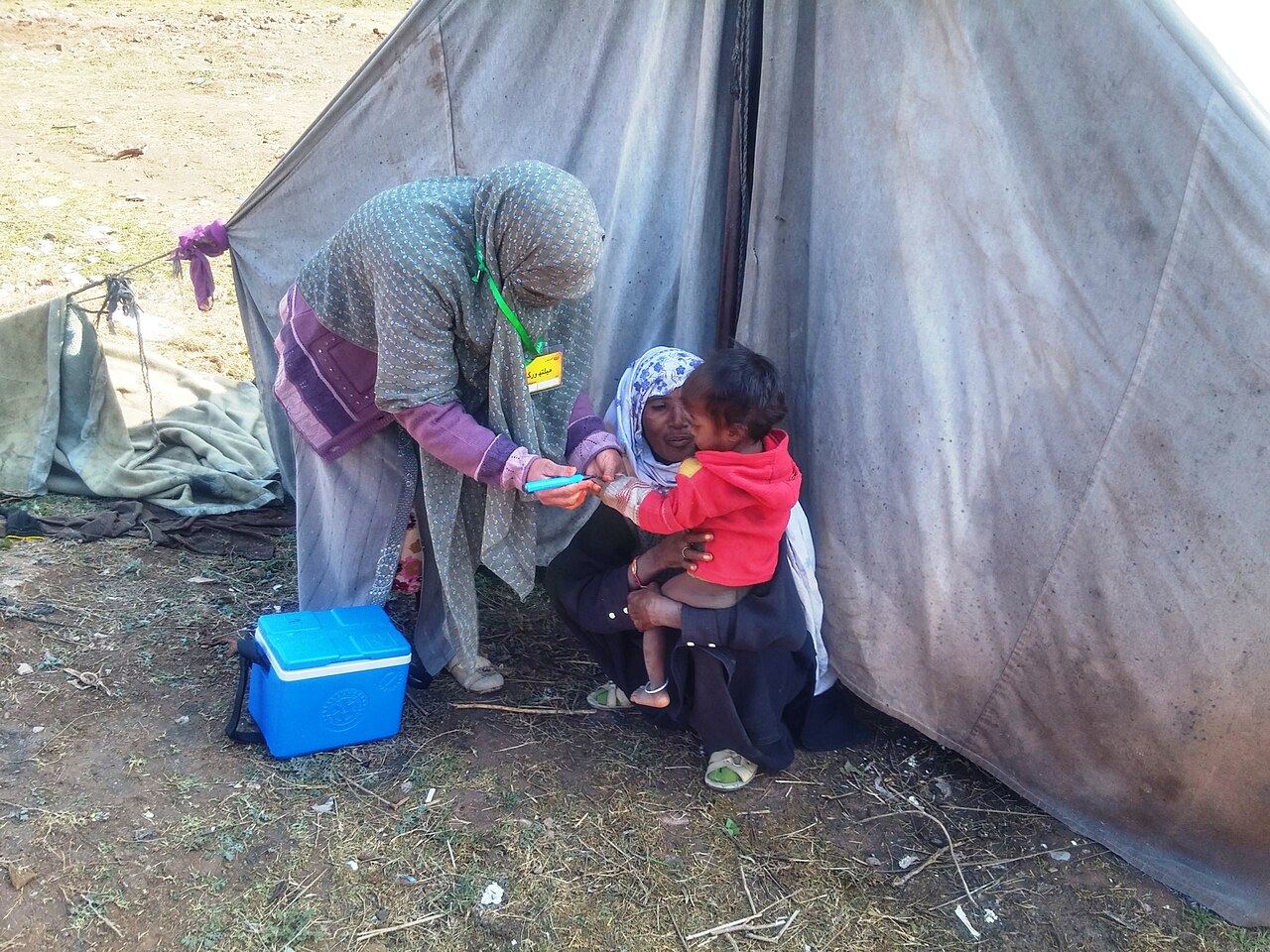
Pakistan has not been standing still. In November 2025 the government ran a nationwide measles and rubella vaccination campaign, from 17 to 29 November, that aimed to reach 34.6 million children aged six months to five years. The WHO trained more than 140,000 health workers for the drive, with funding from Gavi, the Vaccine Alliance, and support from UNICEF.
Yet cases have continued through 2026, and that is the uncomfortable lesson of the year. A campaign, however large, cannot substitute for routine coverage. The WHO itself flagged the risk in advance: without closing the routine immunisation gap, it warned, more than 6.7 million children under five were at high risk of infection in 2026. The 14,249 confirmed cases so far are that warning coming true.
| When | What happened |
|---|---|
| Jan – Apr 2026 | 4,541 confirmed cases; 71 children dead (Sindh 40, Punjab 12, KP 12, Balochistan 4) |
| Apr 2026 | World Immunisation Week; Pakistan Medical Association raises alarm over zero-dose children |
| Jan – Oct 2026 | Confirmed cases climb past 14,000; NIH records 14,249 by October 2026 |
| 25 Oct 2026 | Five children die in a measles outbreak in Lower Dir, Khyber Pakhtunkhwa |
| 29 Oct 2026 | Federal Directorate of Immunization begins work on a measles-rubella elimination roadmap with WHO, UNICEF, US CDC and the Gates Foundation |
| 11 Nov 2026 | NIH posts its Week 42 bulletin confirming the 14,249 total |
| 17 – 29 Nov 2025 (for context) | Nationwide measles-rubella campaign aimed to reach 34.6 million children under five |
The world is facing the same virus
Pakistan is not alone, and that matters, because measles does not respect borders. The United States has reported 5,412 confirmed cases as of 12 November 2026, according to the CDC, with 591 people hospitalised and six deaths, the country’s worst outbreak in decades and more than double its entire 2025 total of 2,289 cases. Ninety-six per cent of the American cases are in people who were unvaccinated.
The Pan American Health Organization has been reviewing whether the United States has lost the measles elimination status it has held since 2000. Its review commission met from 10 to 13 November, and Reuters, the Wall Street Journal and KFF Health News report it concluded the US no longer meets the standard after more than a year of continuous transmission. The formal announcement is expected on 17 November, so the status has not officially changed yet.
Bangladesh is suffering its deadliest outbreak in decades. Its Directorate General of Health Services reported 230,013 suspected cases, including 23,935 laboratory-confirmed cases and 1,254 deaths, between 15 March and 1 November 2026. The NIH bulletin itself drew attention to the Bangladesh outbreak and called for closer sharing of information across South Asia.
A roadmap at last: Pakistan’s elimination plan takes shape
There is a plan forming, and it is the most structured response Pakistan has mounted to measles in years. On 29 October 2026, the Federal Directorate of Immunization (FDI) began developing a comprehensive measles-rubella elimination roadmap with international partners. Director General Dr Musa Khan chaired the meeting, which brought together the World Health Organization, UNICEF, the US Centers for Disease Control and Prevention and the Gates Foundation.
The meeting set out a process: review the available evidence, develop the strategy, consult stakeholders, obtain national approval, and then produce and disseminate the final roadmap. It is early days, a roadmap is not a result. But the ingredients are right: the federal and provincial EPI programmes, the technical partners, and a clear, measurable target. Elimination means interrupting the continuous spread of the virus, and the WHO’s benchmark for that is 95% coverage with two doses. Closing a 13-point gap will take years of steady routine work, not one more campaign.
What parents should do now
The practical advice has not changed, and it is simple enough that every parent in Pakistan can act on it this week. Check your child’s vaccination card. The state provides two free doses of the measles vaccine, usually at nine months and again at 15 months, through the Expanded Programme on Immunization. If either dose is missing, take the child to the nearest government health centre or EPI centre, where the measles-rubella vaccine is free.
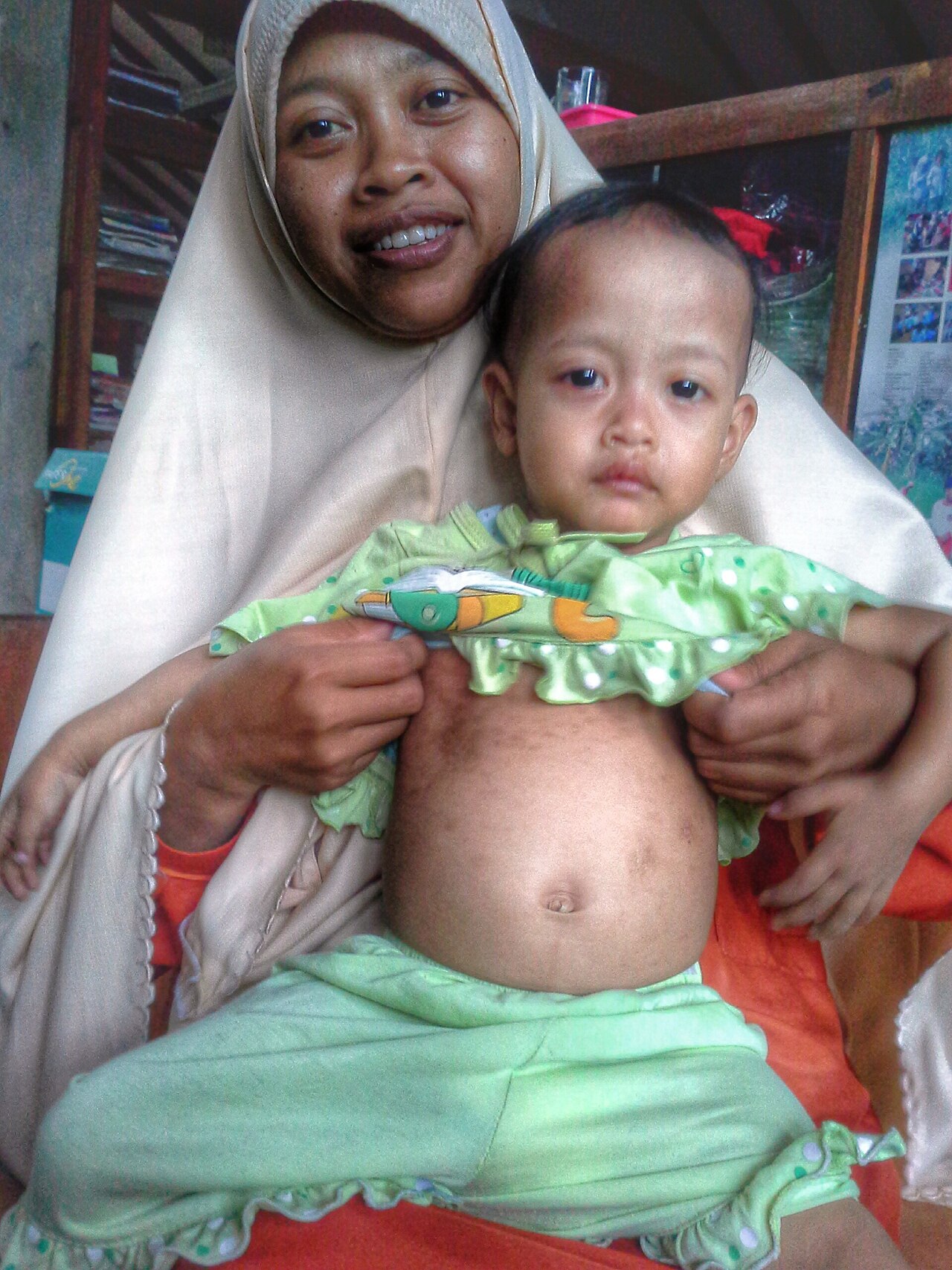
Know the symptoms. Measles usually starts with high fever, cough, a runny nose and red, watery eyes, followed a few days later by a red rash that spreads from the face across the body. Most children recover, but measles can turn dangerous fast. Pneumonia is the commonest cause of measles deaths. If a child with measles develops breathing difficulty, a fever that will not come down, or unusual drowsiness, take them to a hospital straight away rather than waiting it out at home.
Keep the child away from others while they are ill, because measles spreads through the air and can linger in a room for up to two hours after an infected person has left. And if you are unsure whether your child’s doses are complete, ask at the health centre rather than guessing. The card, or the centre’s own record, will tell you in a minute.
What happens next
The next test of the system is already approaching. Winter crowds children indoors and the wedding season brings families together across cities, the conditions in which measles spreads most easily. The 14,249 figure is a warning, not a verdict. Pakistan ended 2025 with more than 17,000 measles cases, and 2026 is on course to come close to that again. For parents, the action is immediate and free: check the card, get the missing dose, and tell a neighbour to do the same.
Related reading
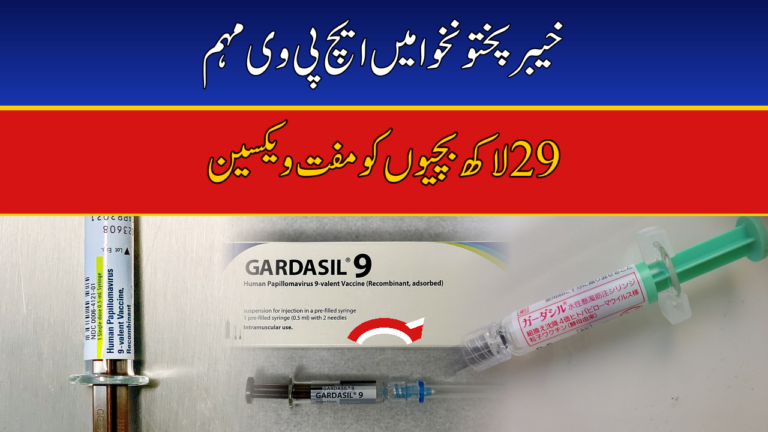
HPV vaccination campaign in KP targets 2.9 million girls — another large-scale immunisation drive under way in Pakistan this month.
Japan’s $4.3 million grant for polio vaccines in Pakistan — international funding keeping Pakistan’s vaccine supply chain running.
PM’s Rs6.8 billion diabetes prevention programme launched on World Diabetes Day — the government’s other big preventive-health push this month.
Frequently asked questions
How many measles cases has Pakistan recorded in 2026?
Pakistan recorded 14,249 laboratory-confirmed measles cases in 2026 up to October, according to the National Institutes of Health in Islamabad, in its IDSR Weekly Public Health Bulletin for Week 42, posted on 11 November 2026. Because many sick children are never tested, the true number is likely higher.
Which province has the most measles cases right now?
Khyber Pakhtunkhwa. In the most recent reporting week (Week 42), clinics there logged 224 of the country’s 282 suspected cases. Sindh reported 34 and Balochistan 16. Punjab did not report clinic figures that week, though its laboratories confirmed 22 cases from 205 samples tested.
How many children have died of measles in Pakistan this year?
At least 71 children died in the first four months of 2026, according to Ministry of Health data reported by Dawn: 40 in Sindh, 12 each in Punjab and Khyber Pakhtunkhwa, and four in Balochistan. Media reports citing health ministry sources later put the figure above 100, and five more children died in a Lower Dir outbreak in late October.
What is a “zero-dose” child?
A zero-dose child is one who has never received any vaccine at all. Pakistan has more than a million zero-dose children, according to the Pakistan Medical Association. They are the most vulnerable to measles, and more than half of Pakistan’s measles cases in 2025 were among zero-dose children, according to the WHO.
When should my child get the measles vaccine, and is it free?
Pakistan’s Expanded Programme on Immunization gives two free doses, usually at nine months and again at 15 months. The vaccine is free at government health centres and EPI centres across the country. If your child has missed either dose, take them to the nearest centre with their vaccination card.
What are the symptoms of measles, and when should I go to hospital?
Measles usually starts with high fever, cough, a runny nose and red eyes, followed a few days later by a red rash spreading from the face. Seek hospital care urgently if the child has breathing difficulty, a persistent high fever, or unusual drowsiness, as pneumonia is the commonest cause of measles deaths.
By Fatima Raza, Health Correspondent — Updated 15 November 2026. This article reports official health data and general guidance from the World Health Organization and Pakistan’s Expanded Programme on Immunization. For personal medical advice, consult your doctor or nearest health centre.