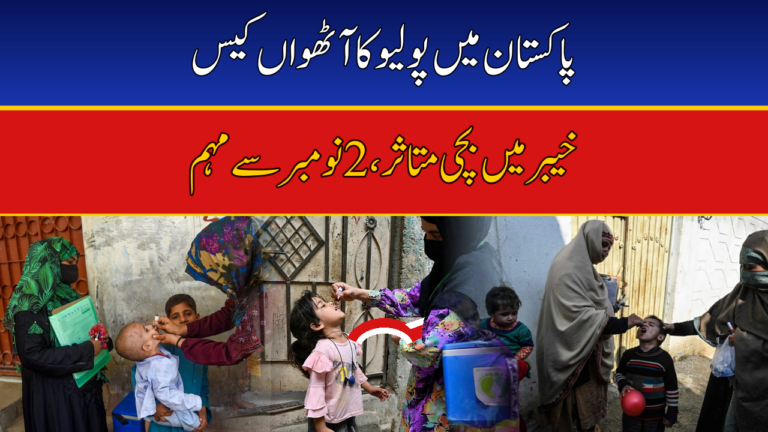
Japan Gives $4.3 Million Grant for Pakistan Polio Vaccines — 28 Million Doses for 2027
By Fatima Raza | 14 November 2026 | Health Japan has announced a new grant of US$4.3 million to buy oral polio vaccines for Pakistan, enough to procure more than 28 million vaccine doses for the country’s nationwide immunisation campaigns in 2027. The announcement was made on Friday, 13 November 2026, and it extends a…
By Fatima Raza | 14 November 2026 | Health
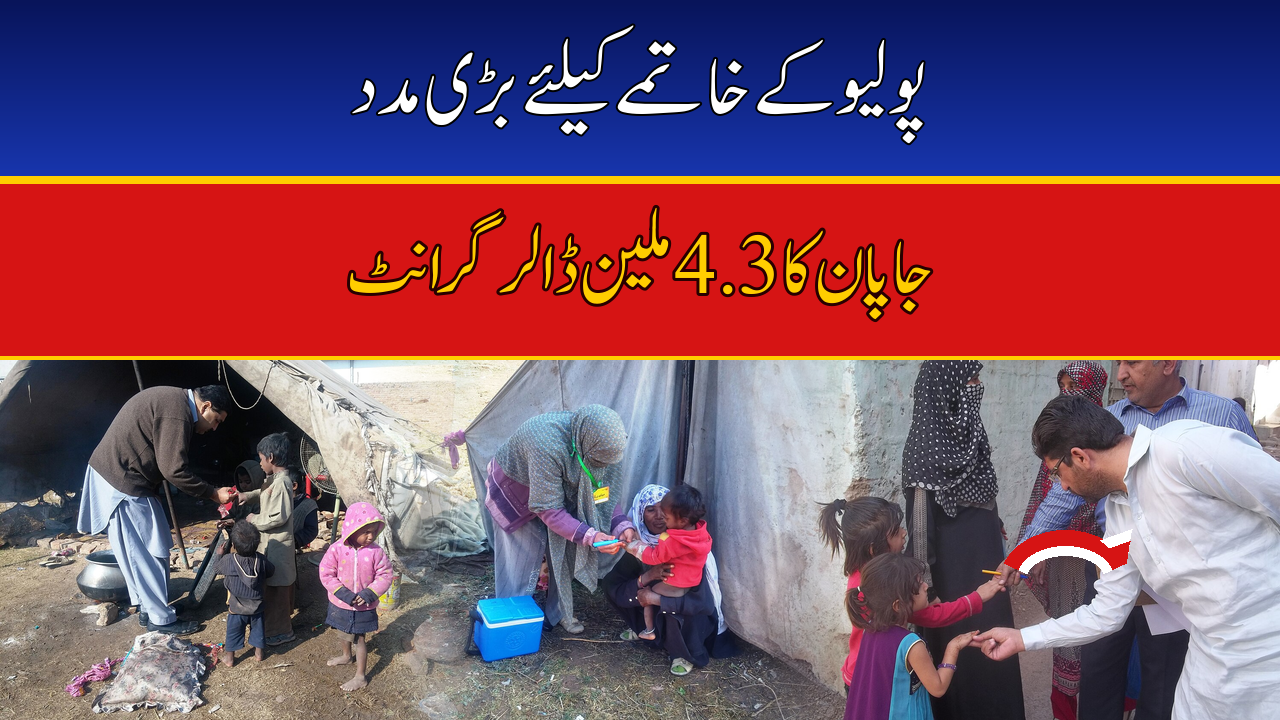
Japan has announced a new grant of US$4.3 million to buy oral polio vaccines for Pakistan, enough to procure more than 28 million vaccine doses for the country’s nationwide immunisation campaigns in 2027. The announcement was made on Friday, 13 November 2026, and it extends a partnership that has run for three decades: Japan has given Pakistan more than US$248 million in grants and loans for polio eradication since 1996. With cases down from 74 in 2024 to eight so far in 2026, the money arrives as Pakistan works to interrupt transmission by the end of 2027.
Japan Polio Grant Pakistan 2026: Key Facts at a Glance
| Detail | What We Know |
| New grant | US$4.3 million from the Government of Japan |
| Announced | Friday, 13 November 2026 |
| What it buys | More than 28 million oral polio vaccine doses |
| Used for | Nationwide immunisation campaigns in 2027 |
| Managed by | Pakistan Polio Eradication Initiative (PEI), through UNICEF |
| Japan’s total support since 1996 | More than US$248 million in grants and loans through UNICEF |
| Polio cases in 2026 | Eight so far (six from south Khyber Pakhtunkhwa) |
| National goal | Interrupt poliovirus transmission by the end of 2027 |

What the $4.3 Million Grant Will Buy
The money is earmarked for one thing: vaccines. The Pakistan Polio Eradication Initiative will use the funds to procure more than 28 million doses of oral polio vaccine for the nationwide campaigns planned for 2027. The grant was formally signed as a new agreement between Japan and Pakistan, and it will be channelled through UNICEF, which has managed Japan’s polio funding in Pakistan for decades.
Oral polio vaccine is the workhorse of the programme: cheap, easy to give — two drops, no needle — and able to help protect unvaccinated children nearby too. That is why campaigns run as nationwide drives, not clinic visits alone.
Ms Ayesha Raza Farooq, the Prime Minister’s Focal Person on Polio Eradication, said the contribution comes at a critical time: “Every dose of vaccine supported through Japan’s contribution brings us closer to a polio-free Pakistan.” Japan’s Ambassador, Akamatsu Shuichi, said the increased grant shows Japan’s continued support for that shared goal.
A Bigger Grant Than Last Year
The new grant is larger than last year’s. Japan gave US$3.5 million last year, which paid for more than 24 million doses for the 2026 campaigns; this year’s US$4.3 million buys more than 28 million, roughly four million more. That matters because the final phase is not getting cheaper: as the virus retreats into smaller pockets, each remaining child is harder and costlier to reach.
| Grant Year | Amount | Vaccine Doses Funded | Campaigns Supported |
| 2025 (for 2026 campaigns) | US$3.5 million | More than 24 million | 2026 nationwide campaigns |
| 2026 (for 2027 campaigns) | US$4.3 million | More than 28 million | 2027 nationwide campaigns |
| Increase | US$0.8 million (+23%) | 4 million+ more doses | — |
Mr Yusuke Shinozaki, Chief Representative of the JICA Pakistan Office, praised the frontline workers serving communities under challenging circumstances, while UNICEF Representative Ms Pernille Ironside called Japan a steadfast partner.
Polio Cases Are Falling — But the Job Is Not Done
The numbers tell a story of real progress, and of a job that is nearly — but not quite — finished. Pakistan reported 74 polio cases in 2024. That fell to 31 in 2025. So far in 2026, eight cases have been reported. It is a steep decline in two years, and it is the reason health officials speak with cautious optimism rather than despair.
| Year | Wild Poliovirus Cases in Pakistan | Change on Previous Year |
| 2024 | 74 | — |
| 2025 | 31 | Down 58% |
| 2026 (so far) | 8 | Down 74% on 2025 total |
But the geography of those eight cases is the warning inside the good news. Six of the eight were reported from south Khyber Pakhtunkhwa, where insecurity and access constraints make it hard to reach every child. The virus is now concentrated where vaccinators struggle most to get in — exactly where the new doses will matter most. The pattern is visible in the recent reports: Pakistan’s ninth polio case of 2026 was in Khyber district, and the eighth case was confirmed as the November 2 campaign neared. The eight-versus-nine difference reflects how the count moves as cases are confirmed and dated; the trend is firmly downwards.
Why Pakistan Is One of the Last Two Countries
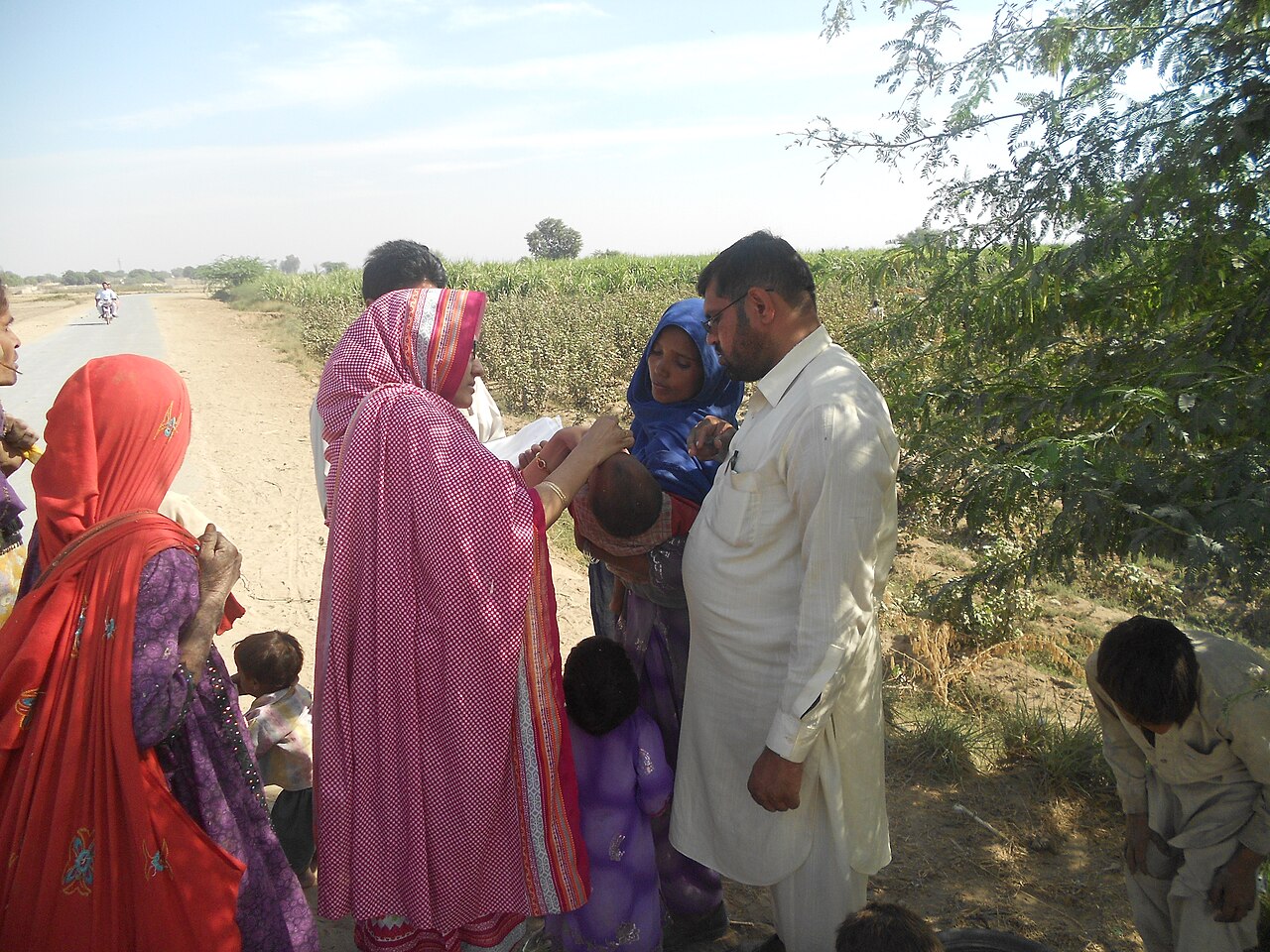
Pakistan is one of only two countries in the world where wild poliovirus transmission has not yet been interrupted. The other is Afghanistan. The Japanese embassy’s statement names the central reason: insecurity and access constraints, above all in south Khyber Pakhtunkhwa — vaccinators cannot reach children they cannot physically get to. Add movement across the porous border with Afghanistan, missed children in dense urban settlements, and refusals driven by misinformation, and the challenge is clear. The vaccine works; the problem is reach, trust, and persistence, at a scale of more than 45 million children under five in every national round.
The Roadmap to Zero: Transmission Interrupted by the End of 2027
Pakistan’s answer is the National Emergency Action Plan 2026–27, drawn up under the banner of the “Roadmap to Zero”, with a single dated goal: to interrupt poliovirus transmission by the end of 2027. It rests on repeated high-quality national campaigns, tighter tracking of missed children, focus on the districts where the virus persists, and sewage surveillance that detects the virus before a child falls ill.
The grant fits the plan neatly: its 28 million-plus doses are for the 2027 campaigns, the final year of the Roadmap to Zero. The most recent drive, the November 2–8 polio drive for 24 million children in 97 districts, showed the machinery in action. The 2027 rounds will run on the same model.
The 400,000 Workers Behind Every Campaign
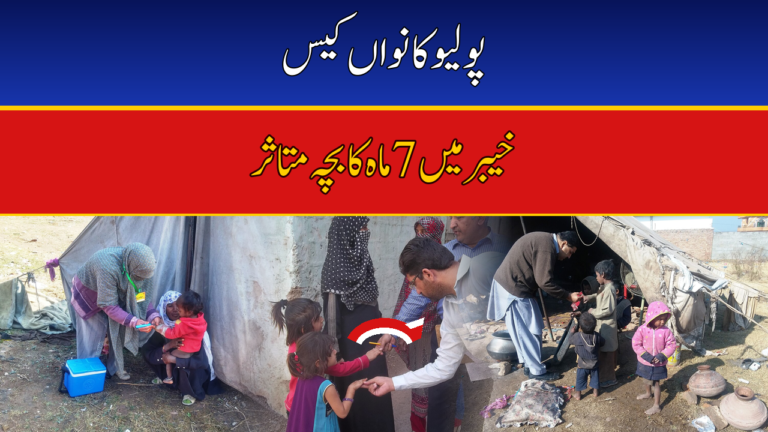
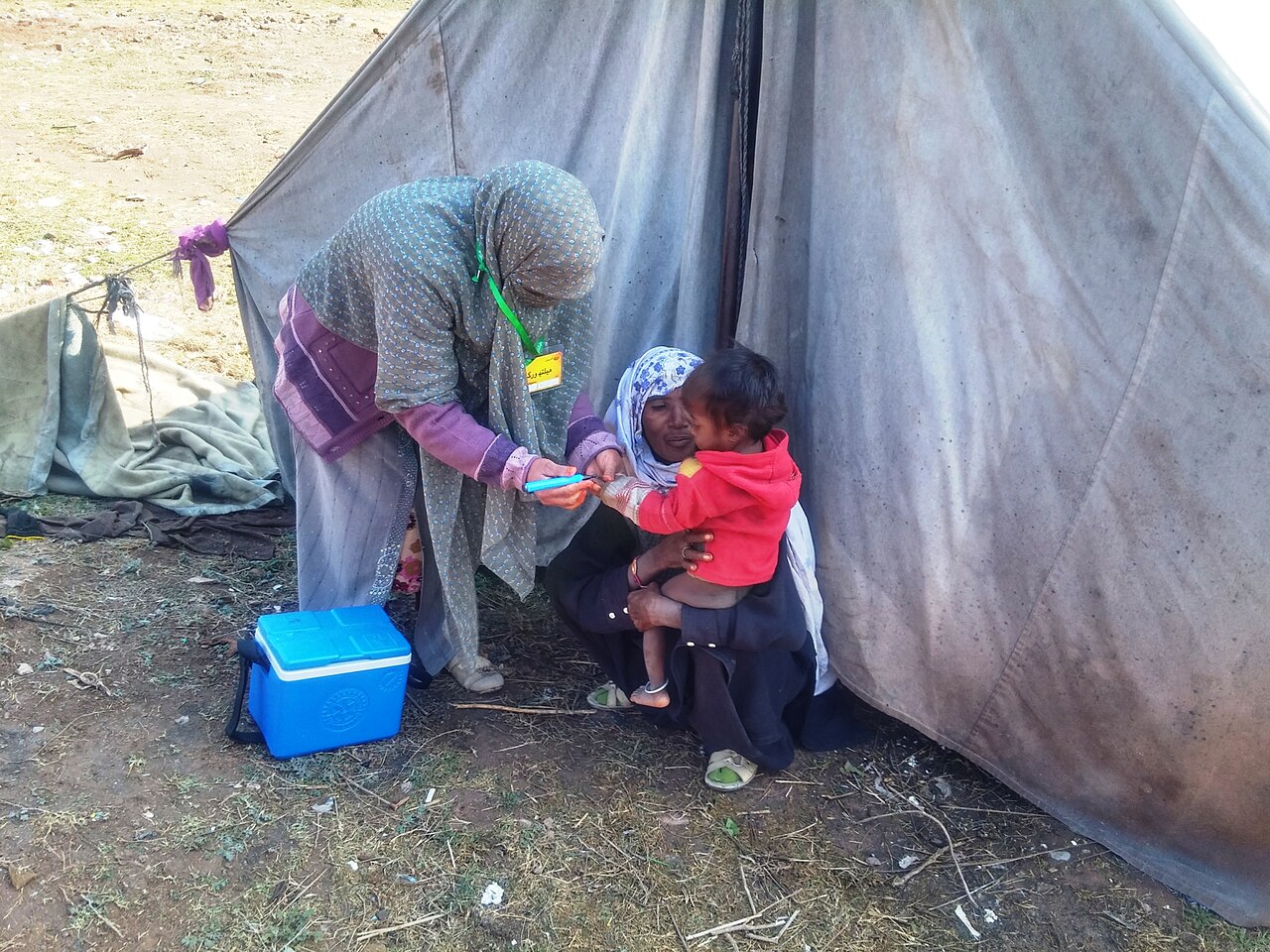
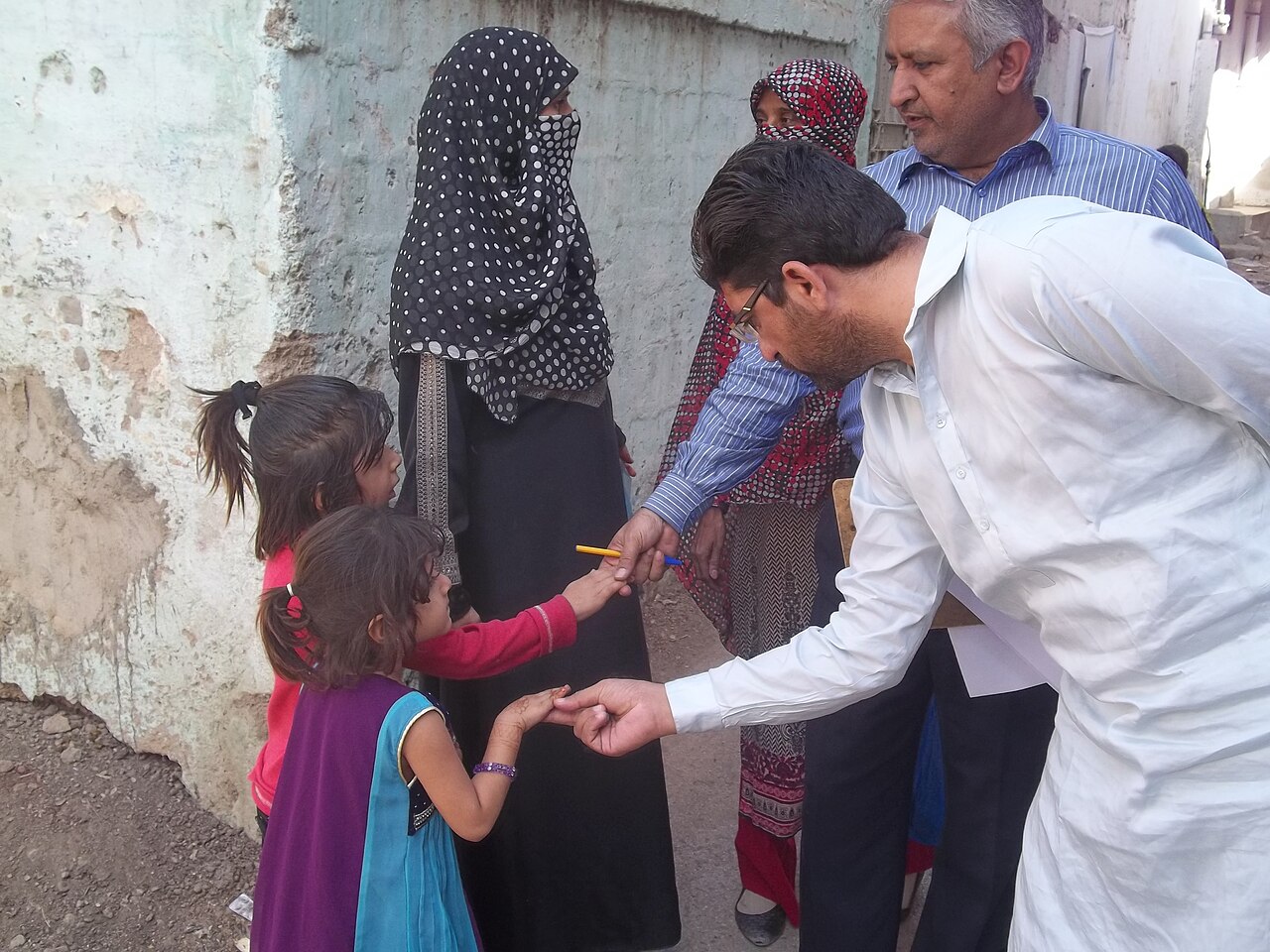
Behind the numbers is a workforce of extraordinary size. Each nationwide drive targets over 45 million children under five, supported by more than 400,000 frontline health workers. They knock on doors, mark children’s fingers with indelible ink, and return to houses where a child was missed. Teams work in pairs — one gives the drops, the other marks the finger and records the household — while supervisors check ink marks behind them. In south Khyber Pakhtunkhwa they work with security escorts, and in summer heat the cold chain is a constant battle. The grant covers procurement and delivery as well as purchase.
What Parents Need to Do
The advice for parents is deliberately simple. When the vaccination team comes to your door, let them give your child the drops: two drops, in the mouth, in seconds. No fee, no appointment, no paperwork. Children under five should receive the drops in every campaign round, even if they were vaccinated last time — a single dose does not protect every child, and each round closes the gap for children the last round missed.
If a team does not reach your home, take your child to the nearest health facility or vaccination centre and ask for the polio drops. If anyone in the family has doubts, ask a doctor or a lady health worker rather than relying on forwarded social media messages, where old rumours about the vaccine still circulate.
What Happens Next
The grant is signed, and the work now turns to procurement and delivery: buying the doses, moving them through the cold chain, and getting them into the 2027 rounds, whose precise dates have not yet been announced. Two things will decide whether the end-of-2027 target is met: coverage, reaching the children in south Khyber Pakhtunkhwa and other high-risk pockets who are still missed; and vigilance, keeping surveillance sharp so any reappearance is caught early. Japan’s $4.3 million will not do it alone, but it is the steady, practical support that makes the difference: vaccines in cold boxes, workers at doors, and two drops at a time.
Frequently Asked Questions
What does Japan’s $4.3 million grant actually buy?
More than 28 million doses of oral polio vaccine for the nationwide campaigns in 2027, procured by the Pakistan Polio Eradication Initiative with funding channelled through UNICEF.
How is this grant different from last year’s?
It is bigger: US$3.5 million last year funded 24 million-plus doses for 2026; this year’s US$4.3 million funds 28 million-plus — about US$0.8 million more. Japan’s total since 1996 exceeds US$248 million.
Why does Pakistan still have polio when most of the world has eliminated it?
Pakistan is one of only two countries — the other is Afghanistan — where wild poliovirus transmission has not yet been interrupted. The reasons are insecurity and access constraints, especially in south Khyber Pakhtunkhwa; movement across the Afghan border; missed children in cities; and refusals driven by misinformation. The vaccine works — the challenge is reaching every child.
What is the “Roadmap to Zero”?
The framework behind the National Emergency Action Plan 2026–27, with one dated goal: interrupt poliovirus transmission by the end of 2027 — through repeated national campaigns, tracking missed children, focus on virus districts, and sewage surveillance.
How can parents get their children vaccinated against polio?
During a campaign, let the team give your child two drops — free, taking seconds, due in every round for children under five. If no team reaches your home, visit the nearest health facility. If you have doubts, ask a doctor or lady health worker, not forwarded social media messages.
How many polio cases has Pakistan had in 2026?
Eight cases so far in 2026, per Dawn and UNICEF, down from 31 in 2025 and 74 in 2024; six were from south Khyber Pakhtunkhwa. Some outlets report nine, reflecting how cases are confirmed and dated; the downward trend is consistent.
By Fatima Raza — Health Correspondent, TimelyUps. Published 14 November 2026.