Pakistan Domestic Debt Falls Rs1.636 Trillion to Rs57.7 Trillion in Q1 FY2027
By Bilal Ahmed | 14 November 2026 Pakistan’s domestic debt fell by Rs1.636 trillion in the first quarter of the current fiscal year, dropping to Rs57.757 trillion at the end of September 2026 from Rs59.393 trillion at the end of June 2026, per State Bank of Pakistan data reported by Dawn and Business Recorder. The…
By Bilal Ahmed | 14 November 2026
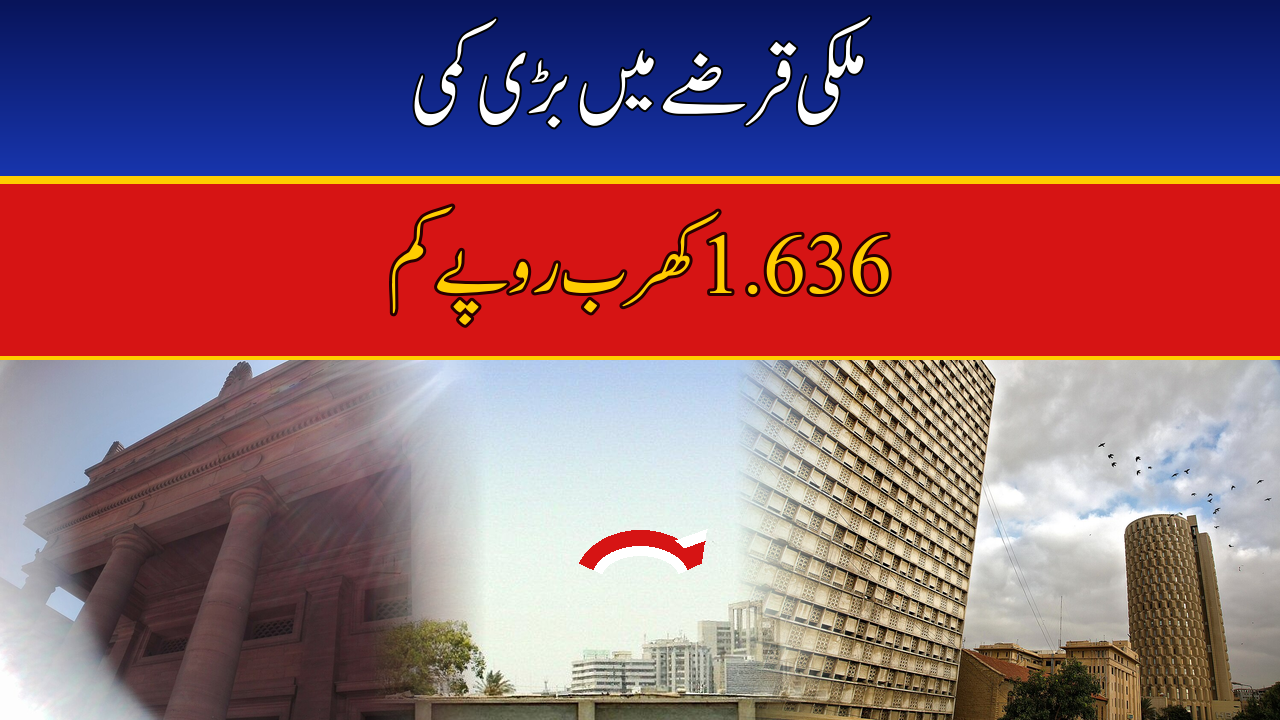
Pakistan’s domestic debt fell by Rs1.636 trillion in the first quarter of the current fiscal year, dropping to Rs57.757 trillion at the end of September 2026 from Rs59.393 trillion at the end of June 2026, per State Bank of Pakistan data reported by Dawn and Business Recorder. The 2.75 percent quarterly decline came in the same quarter in which the government posted a Rs1.274 trillion fiscal surplus. But over the full twelve months to September, domestic debt still rose by Rs4.331 trillion, and the cost of servicing the debt jumped by more than a third.
| Key fact | Figure | Period |
|---|---|---|
| Domestic debt | Rs57.757 trillion | 30 September 2026 |
| Domestic debt, previous quarter | Rs59.393 trillion | 30 June 2026 |
| Quarterly fall in domestic debt | Rs1.636 trillion (-2.75%) | Q1 FY2027 (Jul–Sep 2026) |
| Central government total debt | Rs82.658 trillion | 30 September 2026 |
| Fall in central government debt | Rs936.6 billion (-1.12%) | Q1 FY2027 |
| Rise in external debt | Rs699.6 billion | Q1 FY2027 |
| Debt servicing, Q1 FY27 | Rs2.900 trillion | Jul–Sep 2026 (vs Rs2.176tr a year earlier) |
| Fiscal surplus, Q1 FY27 | Rs1.274 trillion | Jul–Sep 2026 |

How big is the fall, really?
A Rs1.636 trillion drop in three months is large, and it is why the central government’s total debt also shrank, falling by Rs936.6 billion, or 1.12 percent, to Rs82.658 trillion from Rs83.595 trillion at the end of June.
Notice that the two numbers do not match, and the gap tells its own story. Domestic debt fell by Rs1.636 trillion, but total central government debt fell by only Rs936.6 billion, because Pakistan’s external debt rose by Rs699.6 billion in the same quarter. The government borrowed more from abroad while borrowing far less at home, and the domestic improvement was big enough to more than cancel out the external increase.
“Domestic debt” is what the federal government owes inside Pakistan, mostly in rupees, to banks, institutions and savers through instruments such as Pakistan Investment Bonds, Treasury bills and prize bonds. It is separate from external debt owed to foreign lenders, and different again from the much bigger “total debt and liabilities” figure explained below.
Where the fall came from: fewer bonds, less bank borrowing
The sharpest move was in long-term borrowing. Borrowing through Pakistan Investment Bonds, the government’s main long-term rupee instrument, fell by Rs1.756 trillion in the quarter to Rs33.543 trillion, according to Dawn. PIBs are the backbone of domestic debt, so a move of that size in one quarter does most of the explaining on its own.
The second driver was the banking system. Dawn reports a net retirement of scheduled-bank debt of Rs1.847 trillion in July to October of FY27, against just Rs45 billion in the same period last year, meaning the government paid back far more to the banks than it borrowed. Note the dates: that figure covers July to October, one month beyond the headline quarter, so the two windows are not identical.
Why it happened: the fiscal surplus did the heavy lifting
Pakistan posted a Rs1.274 trillion fiscal surplus in the first quarter of FY2027, and AKD Securities attributes the decline in domestic debt directly to that surplus. A government that takes in more than it spends does not need to borrow to cover the gap, and if the surplus is large enough, it can use the extra cash to retire old debt. That is what appears to have happened between July and September.
The surplus was helped by the wider fiscal consolidation of the past year. Planning Minister Ahsan Iqbal has said the fiscal deficit narrowed to 2.6 percent of GDP in FY26, far tighter than the deficits run when the debt stock was climbing fastest. The State Bank has also held its policy rate at 11.5 percent since April 2026, which makes new borrowing expensive. The rate is context, not the cause, but it is part of the same picture: tight money, tight budgets, and a shrinking debt stock.
| Central government debt | 30 Jun 2026 | 30 Sep 2026 | Change in Q1 FY27 |
|---|---|---|---|
| Domestic debt | Rs59.393 trillion | Rs57.757 trillion | Down Rs1.636 trillion (-2.75%) |
| External debt (implied by reported totals) | Rs24.202 trillion | Rs24.901 trillion | Up Rs699.6 billion |
| Total central government debt | Rs83.595 trillion | Rs82.658 trillion | Down Rs936.6 billion (-1.12%) |
| Pakistan Investment Bonds (part of domestic debt) | Rs35.299 trillion | Rs33.543 trillion | Down Rs1.756 trillion |
External debt levels are implied by subtracting reported domestic debt from reported central government totals; the reported quarterly rise of Rs699.6 billion matches that calculation. The June PIBs figure of Rs35.299 trillion is the reported September figure plus the reported Rs1.756 trillion fall.
The twelve-month picture is less flattering
Before anyone celebrates, the longer view needs saying plainly. Over the twelve months to September 2026, domestic debt still rose by Rs4.331 trillion to reach Rs57.757 trillion. The increase, Dawn reports, was concentrated in FY26 rather than in the current fiscal year. The debt stock grew for most of the past year and only turned down in the July-to-September quarter.
Both facts are true at once. The quarterly fall shows the current fiscal stance is biting; the twelve-month rise matters more for the long run. One good quarter does not undo a year of accumulation. If the surplus holds, the twelve-month figure will improve in coming quarters. If it was a one-off, the debt stock will resume climbing, and the next two quarterly releases will tell us which.
Debt servicing is still climbing fast
The most uncomfortable number in this release has nothing to do with the debt stock. It is the cost of carrying it. Debt servicing in the first quarter of FY27 came to Rs2.900 trillion, against Rs2.176 trillion in the same quarter a year earlier, an increase of Rs724 billion, or 33.27 percent, in a single year.
In three months, the government spent Rs2.900 trillion just on interest and repayments, more than double the quarterly fiscal surplus of Rs1.274 trillion. The surplus helped bring the debt stock down, but the interest bill keeps eating a huge share of everything the state collects. A falling stock and a rising servicing bill can coexist: the stock is what is owed today, while the servicing bill is the price of what was borrowed yesterday at today’s rates. Until rates fall or the stock shrinks much further, the burden will keep squeezing money for development, health and education.
Do not mix up the two debt totals
Readers will see two very different headline debt numbers this week, and both are correct because they measure different things. Central government debt stood at Rs82.658 trillion at the end of September. But total debt and liabilities, a broader measure reported by The Express Tribune, stood at Rs98.881 trillion, up 6.46 percent year on year from Rs92.879 trillion. Within it, total debt alone was Rs97.038 trillion, up 7.69 percent from Rs90.107 trillion a year earlier.
The broader figure also includes the liabilities of state-owned enterprises, provincial governments and other public-sector obligations, which is why it is roughly Rs16 trillion larger, and why it can rise year on year even when central government debt falls. For what the federal government itself owes, use Rs82.658 trillion. For the whole public sector, use Rs98.881 trillion.
For a longer view, see our earlier report on Pakistan’s public debt crossing Rs91 trillion in FY26 even as the debt-to-GDP ratio fell. The borrowing mix is also shifting toward Islamic instruments, with sukuk issuance crossing Rs10 trillion in 2026, up 113 percent.
What it means, and what to watch next
For most people, a Rs1.636 trillion fall will not change anything this week. But the direction matters over time. When the government borrows less from banks, banks have more room to lend to businesses and households, and heavy government borrowing has long crowded out private credit. A credible fall in debt can also cut the risk premium investors charge the country, which over time can mean lower interest rates.
One quarter is not enough to call this a turning point. If domestic debt falls again in October to December, the story becomes a trend rather than a blip. The fiscal account must also survive the winter months, when energy and spending pressures typically rise, and the servicing bill, up 33.27 percent year on year, will only come down if interest rates fall or the debt stock shrinks much further. For now: domestic debt fell Rs1.636 trillion in a quarter to Rs57.757 trillion, central government debt fell Rs936.6 billion to Rs82.658 trillion, and the fiscal surplus made it possible. It is a good quarter. It is not yet a solved problem.
Frequently asked questions
How much is Pakistan’s domestic debt now?
Rs57.757 trillion on 30 September 2026, down from Rs59.393 trillion on 30 June 2026, a fall of Rs1.636 trillion or 2.75 percent in Q1 FY2027, per State Bank data reported by Dawn and Business Recorder. Business Recorder rounds it to Rs57.758 trillion, the same number to a different rounding.
Why did Pakistan’s domestic debt fall in Q1 FY2027?
The main reason is the fiscal surplus. Pakistan posted a Rs1.274 trillion surplus in the July-to-September quarter, and AKD Securities attributes the debt decline to it: a government that earns more than it spends need not borrow, and can retire old debt. PIB borrowing fell Rs1.756 trillion, and net retirement of bank debt reached Rs1.847 trillion in July to October.
Did Pakistan’s total debt fall as well?
Central government debt did fall, by Rs936.6 billion to Rs82.658 trillion, as the Rs1.636 trillion domestic fall outweighed a Rs699.6 billion rise in external debt. But total debt and liabilities stood at Rs98.881 trillion, up 6.46 percent year on year. The two figures cover different scopes, so both can be true at once.
Has domestic debt fallen over the past year?
No. Over the twelve months to September 2026, domestic debt rose by Rs4.331 trillion. The increase was concentrated in FY26, and the stock only turned down in the July-to-September quarter of FY27. One good quarter does not erase a year of accumulation.
How much does Pakistan spend on debt servicing?
Rs2.900 trillion in the first quarter of FY27, versus Rs2.176 trillion a year earlier, an increase of Rs724 billion or 33.27 percent. The bill is rising even as the debt stock fell, because it reflects past borrowing at current interest rates.
What is the difference between domestic debt and total debt and liabilities?
Domestic debt, Rs57.757 trillion, is what the federal government owes inside Pakistan, mostly in rupees. Central government debt, Rs82.658 trillion, adds external debt. Total debt and liabilities, Rs98.881 trillion, also includes state-owned enterprises, provincial governments and other public-sector obligations.