Lahore Ride-Hailing Drivers Face Criminal Record Checks
By Daniyal Sheikh | 15 November 2026 Lahore Traffic Police have ordered criminal-record verification of every ride-hailing driver in the city — more than 100,000 rickshaw, motorcycle and car drivers — after checks on 10,000 commercial drivers found 2,050 with criminal records and 3,700 cases registered against them. Chief Traffic Officer (CTO) Lahore Syed Abdul…
By Daniyal Sheikh | 15 November 2026
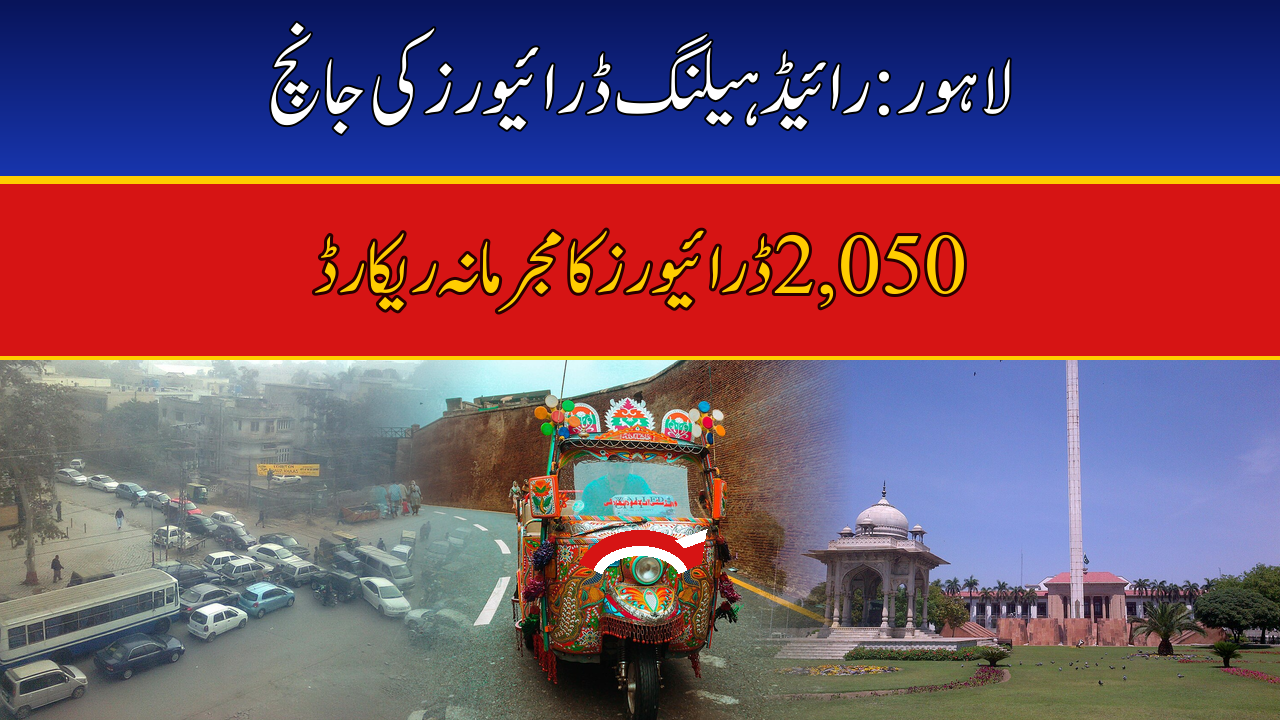
Lahore Traffic Police have ordered criminal-record verification of every ride-hailing driver in the city — more than 100,000 rickshaw, motorcycle and car drivers — after checks on 10,000 commercial drivers found 2,050 with criminal records and 3,700 cases registered against them. Chief Traffic Officer (CTO) Lahore Syed Abdul Rahim Sherazi issued the order at a meeting with ride-hailing companies on 14 November 2026, and made it clear that drivers with serious criminal records will not be allowed to operate online cab services. Dash cameras, advanced tracking devices and faster installation of the Chief Minister’s QR-based Panic Button will back the crackdown, with a clear focus on the safety of women passengers.
| Key fact | Figure |
| Commercial drivers checked so far | 10,000 |
| Drivers found with criminal records | 2,050 (20.5% of those checked) |
| Criminal cases registered against them | 3,700 |
| Ride-hailing drivers to be verified | More than 100,000 (rickshaws, motorcycles and cars) |
| Order issued by | CTO Lahore Syed Abdul Rahim Sherazi |
| Meeting date | 14 November 2026 |
| Safety measures ordered | Dashcams, tracking devices, QR panic button |
What the CTO ordered
At the meeting, CTO Sherazi directed all online taxi and ride-hailing companies to hand over complete records of their drivers to Lahore Traffic Police for verification. The protection of citizens’ lives and property is the foremost priority and cannot be compromised, he said, and any driver involved in serious criminal activity, or found to have a criminal record, will not be allowed to run an online cab service.
Companies have also been told to install dash cameras and advanced tracking devices in their vehicles, and to ensure the earliest possible installation of the Punjab Chief Minister’s QR-based Panic Button in all ride-hailing vehicles. Strict action will follow against online cab services that fail to meet the mandatory safety requirements. Lahore Traffic Police have been tightening enforcement across the city in recent days, including road closures and diversions for the Raiwind Ijtema — see our report on Lahore roads closed for the Raiwind Ijtema.
The numbers explained
Of the 10,000 commercial vehicle drivers checked so far, 2,050 — just over one in five, or 20.5% — were found to have criminal records. Between them, those drivers face 3,700 registered criminal cases, an average of around 1.8 cases per driver with a record.
That is only the beginning. The 10,000 drivers checked so far are a fraction of the total: more than 100,000 rickshaws, motorcycles and cars in Lahore are currently associated with online ride-hailing services. Every one of those drivers’ records will now be sought from the companies, so the verification drive is about to grow roughly tenfold. For passengers, the practical meaning is simple: the driver who accepts your ride tomorrow may soon have passed a police record check — or may not be driving at all.
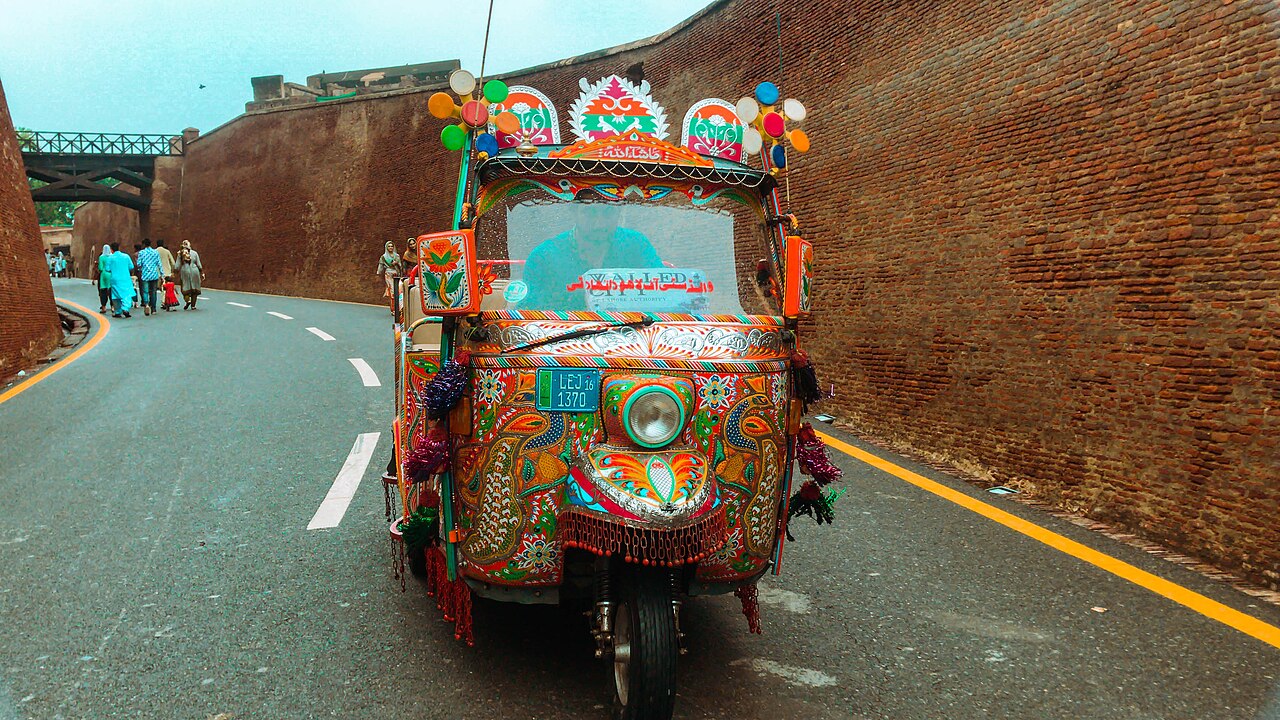
Dashcams, trackers and the QR panic button: what they mean for riders
Dash cameras record what happens inside and in front of the vehicle. For passengers, that means a dispute or an incident no longer comes down to one person’s word against another’s — there is footage. The CTO said camera systems would help prevent criminal activity and make it easier to investigate road accidents and other incidents.
Advanced tracking devices let the vehicle’s live location be monitored. If a car goes off route or a trip runs far longer than it should, the movement is visible rather than invisible. Combined with the trip details already shown in ride-hailing apps, tracking closes the gap between booking a ride and knowing where it actually went.
The QR panic button is the most passenger-facing of the three. The Chief Minister’s QR-based Panic Button is a code displayed inside the vehicle that a passenger can scan in an emergency to raise an alert, and the CTO has ordered its installation to be expedited. Women passengers are the explicit focus: the CTO said modern technology would help citizens, particularly women, access safer, more reliable and better-quality transport.
| Measure ordered | What it does for passengers |
| Criminal-record verification | Drivers with serious records are barred from operating |
| Dash cameras | Records the journey, helping settle disputes and investigate incidents |
| Advanced tracking devices | Live monitoring of the vehicle’s route and location |
| QR panic button | Scan the code inside the vehicle to raise an alert in an emergency |
| Action against non-compliant companies | Cab services ignoring the safety rules face strict action |
How riders can check and verify a ride
The police order puts the duty on the companies, but passengers can protect themselves with a few quick checks. First, match the details: before getting in, check that the driver’s name, photo, car model, colour and number plate shown in the app match the vehicle in front of you. If anything does not match, do not start the trip. You can also check a vehicle’s registration and record through Punjab’s official online system — our guide explains how to verify a vehicle online through MTMIS Punjab.
Second, share the trip. Send the live trip to a family member or friend before the ride begins, and keep your phone charged so the trip stays visible for its full length. Third, look for the safety features: once the rollout reaches your vehicle, check for the QR panic button code inside the car and note where it is before the journey starts, so you are not searching for it in an emergency.
Finally, trust the basics. Sit in the back seat, and if a driver changes the route without explanation or the ride feels wrong, end the trip in a busy, well-lit place and report it in the app. The new rules give the police a way to act on those reports, because a driver with a record can now be removed from the platform.

What happens to drivers with criminal records
The rule the CTO announced is clear: drivers involved in serious criminal activities, or found to have criminal records, will not be allowed to operate online cab services. Companies must provide the full driver data first, and the police will then run the verification — drivers who fail it lose access to the platform.
What the order does not spell out yet is the fine print: how the police will treat older or minor cases compared with serious offences, what appeal process a barred driver will have, or what deadline the companies have been given to hand over the data and fit the cameras, trackers and panic buttons. Those details matter to the more than 100,000 drivers whose livelihoods depend on the apps. Lahore’s transport network is changing fast in other ways too — the Lahore–Faisalabad train service resumed on 15 November — and this verification drive is the latest sign that the city is tightening the rules on how people move around it. If you book rides in Lahore, the change should reach you soon: a verified driver, a tracked vehicle, a camera on the dashboard, and a panic button within reach.
Frequently asked questions
How many ride-hailing drivers are being verified in Lahore?
More than 100,000 drivers — covering rickshaws, motorcycles and cars linked to online ride-hailing services in Lahore. Companies must hand over complete driver records to Lahore Traffic Police.
How many drivers were found with criminal records?
Of the 10,000 commercial vehicle drivers checked so far, 2,050 had criminal records, with 3,700 criminal cases registered against them — 20.5% of those checked.
Will drivers with criminal records be banned from ride-hailing?
Yes. CTO Lahore Syed Abdul Rahim Sherazi has said drivers involved in serious criminal activities or having criminal records will not be allowed to operate online cab services.
What is the QR panic button in ride-hailing vehicles?
It is the Punjab Chief Minister’s QR-based Panic Button — a code displayed inside the vehicle that a passenger can scan in an emergency to raise an alert. Installation is being expedited.
Are dashcams now compulsory in Lahore’s ride-hailing vehicles?
Companies have been ordered to install dash cameras and advanced tracking devices. Strict action will be taken against cab services that fail to comply with the safety requirements.
What should passengers check before starting a ride?
Match the driver’s name, photo, car model, colour and number plate with the app, share the live trip with a family member or friend, and look for the QR panic button inside the vehicle.