PTA Warns: Share Fingerprints Only at Authorised Centres
By Fatima Raza | 15 November 2026 The Pakistan Telecommunication Authority (PTA) has warned citizens to be careful when sharing their fingerprints, saying biometric information should only be given at authorised customer service centres, official franchises and approved sales outlets of mobile network operators. The warning affects anyone getting a new SIM or using a…
By Fatima Raza | 15 November 2026
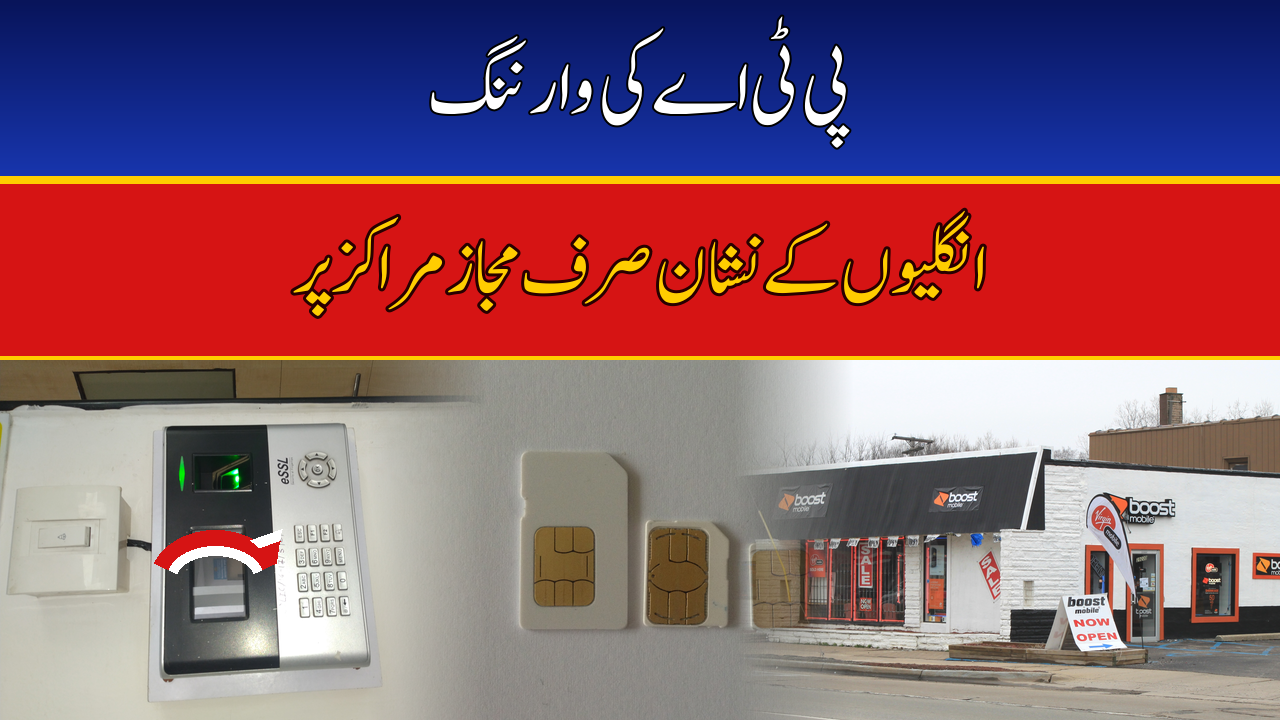
The Pakistan Telecommunication Authority (PTA) has warned citizens to be careful when sharing their fingerprints, saying biometric information should only be given at authorised customer service centres, official franchises and approved sales outlets of mobile network operators. The warning affects anyone getting a new SIM or using a telecom service that needs biometric verification — and it comes with a second alert about fraudsters posing as courier-company representatives to steal one-time passwords (OTPs). The message is simple: ask why your fingerprints are being taken, give them only at an authorised outlet, and never share an OTP with anyone.
| Key fact | What PTA said |
| Who warned | The Pakistan Telecommunication Authority (PTA), in a public awareness message |
| Where fingerprints are safe | Only at authorised customer service centres, official franchises and approved sales outlets of mobile network operators |
| What to check first | Ask why your fingerprints are being collected before completing the biometric process |
| Why the warning was issued | To prevent the misuse of citizens’ biometric information and protect people from fraud |
| The OTP courier scam | Fraudsters pose as courier-company representatives and ask victims to share OTPs or other sensitive information, claiming a parcel is being delivered |
| The golden rule | Never share an OTP with anyone, particularly unknown callers claiming to represent a courier company or another organisation |
What exactly did PTA warn about?
Your fingerprints are not like a password. You can change a password, but you cannot change your fingerprints — and that is exactly why the PTA has spoken up. In its public awareness message, the authority urged citizens to stay vigilant whenever they are asked to provide fingerprints for a new SIM card or any other telecom service.
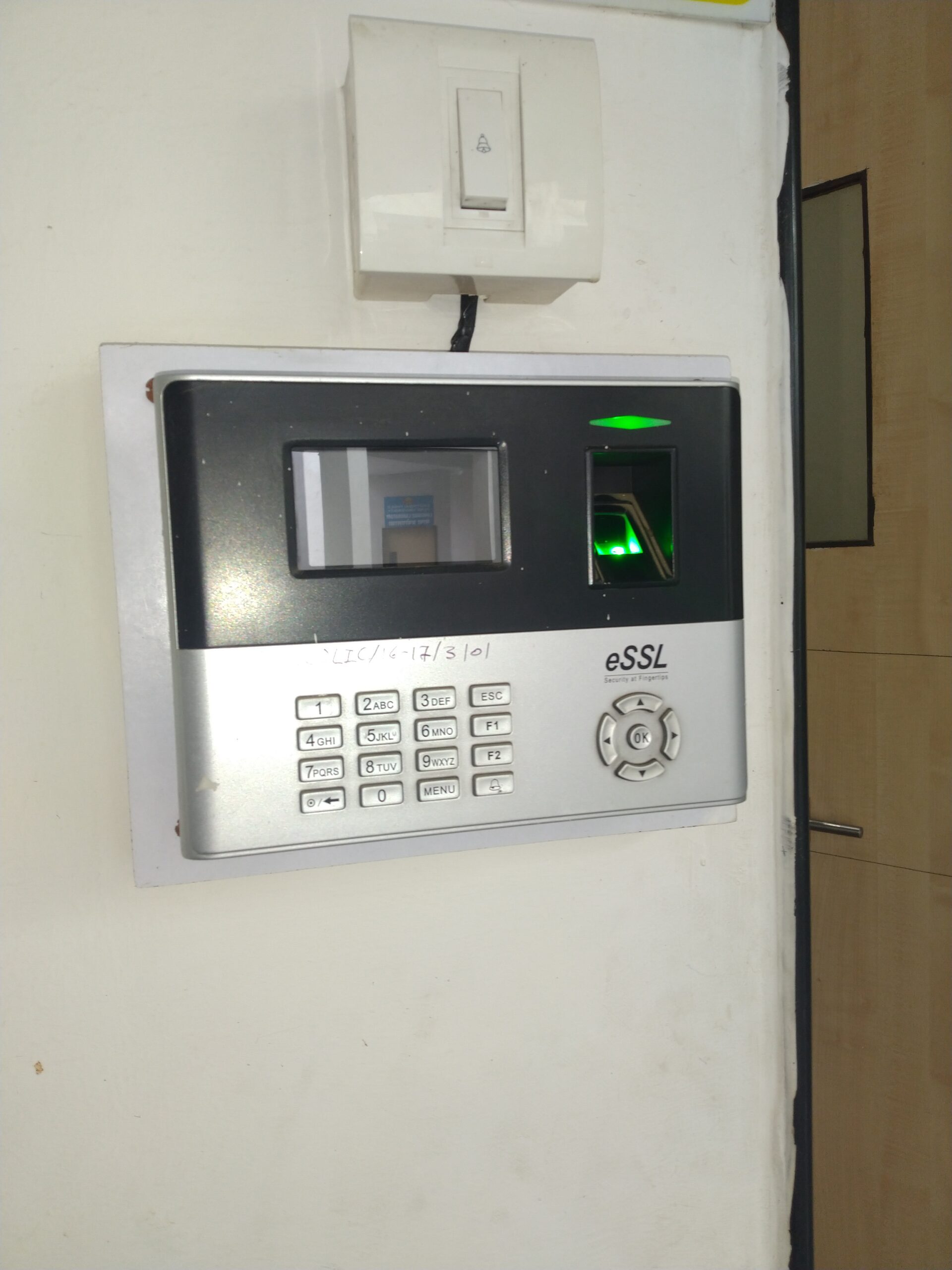
The core of the message is simple. Biometric information should be collected only at authorised customer service centres, franchises or approved sales outlets of mobile network operators. If someone asks for your fingerprints anywhere else — at a roadside stall, in a market, at your doorstep, or through an unfamiliar agent — stop before you place your finger on a scanner. PTA also advised citizens to check the exact purpose for which their fingerprints are being collected before completing the biometric process, and to keep a record of the operator and the name and address of the outlet they visit. The aim is to prevent the misuse of citizens’ biometric information — not to stop verification, which is a normal part of getting a SIM, but to make sure it happens in the right place and for the right reason.
Where it is safe to give your fingerprints — and where it is not
The difference between a safe verification and a risky one usually comes down to the place, not the machine.
| Situation | What to do |
| Authorised customer service centre | Safe. This is where PTA says biometric verification should happen. |
| Official franchise of your operator | Safe. Check it is a genuine franchise and ask why the fingerprints are needed. |
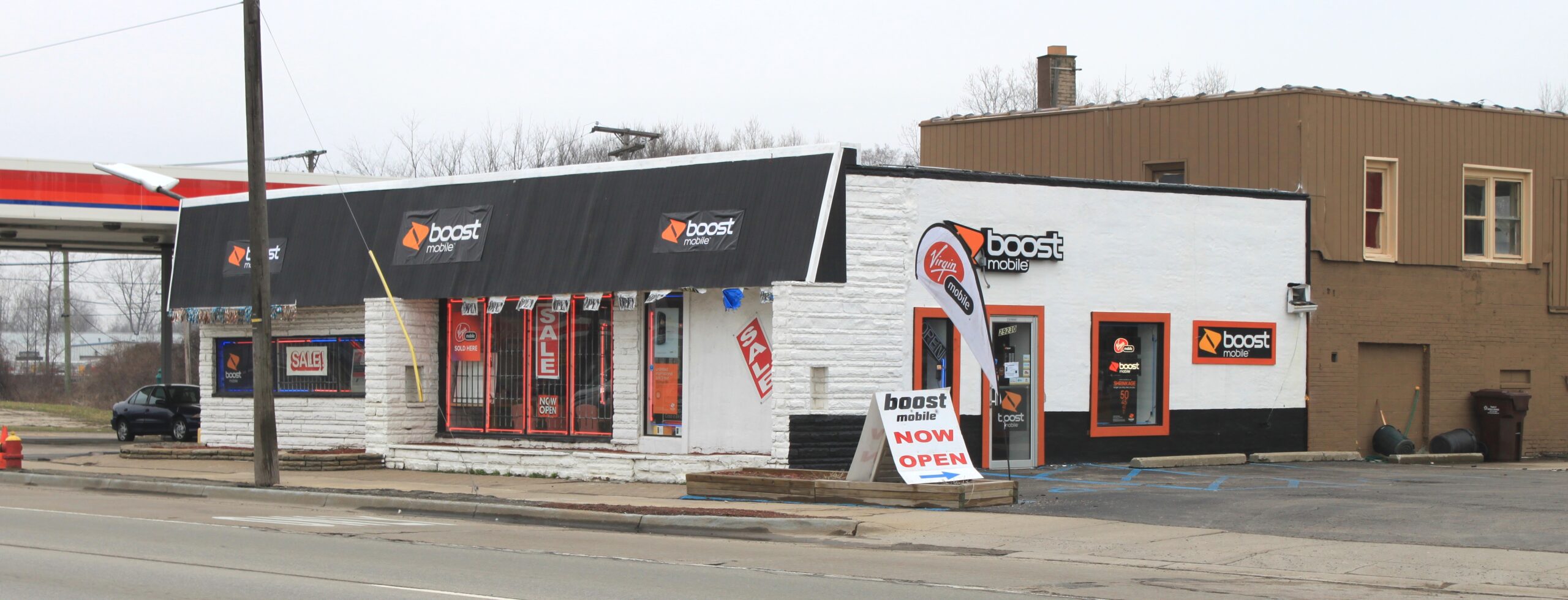
| Approved sales outlet | Safe, if it is an approved outlet. Note the operator and the outlet’s name and address. |
| Roadside stall or temporary kiosk | Do not give fingerprints. It is not an authorised outlet. |
| Someone at your door or in the street | Do not give fingerprints. Visit an authorised centre instead. |
| Unknown person asking for prints or details | Do not share. PTA warns against disclosing sensitive data to unauthorised individuals. |
PTA has also tightened the rules around who can hold a SIM in Pakistan, including mandatory KYC rules for foreign SIMs, with a 90-day roaming cap, and action against misused mobile identities such as blocking 176,000 WhatsApp accounts linked to recycled SIMs. The fingerprint warning is part of the same push: a connection in your name should really belong to you, and to no one else.
The fake-courier OTP scam: how it works
The second half of PTA’s message is about a different trick — one that does not need your fingerprints at all. It only needs your trust, for about thirty seconds. Criminals impersonate courier-company representatives and call unsuspecting customers, saying a parcel or shipment is being delivered and asking the person to provide an OTP or other information to complete the delivery. The story sounds ordinary and urgent at the same time: a parcel is waiting, and one small code is all that stands between you and receiving it.
That is the trap. A genuine courier does not need your OTP to deliver a parcel. An OTP is a code your bank, your mobile operator or an app sends to you — and only to you — to prove that you are the person making a request. The moment you read it out to a stranger, that protection is gone, and the caller can use it to take over an account, approve a transaction, or reset a password in your name. PTA has urged citizens to never share an OTP with anyone, particularly unknown callers claiming to represent courier companies or other organisations — even if the caller sounds professional or knows your name. If a caller claims to be from a courier company, hang up and contact the company through its official number or website yourself.
Five practical steps to keep your SIM and biometric data safe
1. Give fingerprints only at authorised outlets. Use a customer service centre, an official franchise or an approved sales outlet of your operator. If you are not sure an outlet is genuine, visit a service centre you know instead.
2. Ask why before you scan. Ask what your fingerprints are being collected for. A genuine outlet will have a clear answer. If the answer is vague, do not go ahead.
3. Keep a record of the visit. Note the operator’s name and the name and address of the outlet, and keep the receipt or confirmation message. If a SIM is ever issued in your name without your knowledge, that record is your proof.
4. Never share an OTP with anyone. Not with a courier, not with a bank caller, not with someone claiming to be from your mobile company. If someone asks for one on a call, that is itself the warning sign — end the call.
5. Check how many SIMs are in your name. Confirm which SIMs are registered against your identity, and act straight away if you find a number you do not recognise. Our guide on how to check SIM owner details explains what to look for.
What to do if you already shared your fingerprints or OTP
If you have already given your fingerprints at a place you now doubt, or read out an OTP to a caller you now suspect, do not panic — but do not wait either. Contact your mobile operator immediately and explain what happened, and ask them to check whether any new SIM, service or change has been requested against your identity. If you shared an OTP, treat every account that uses that number as at risk: change passwords where you can, and watch for messages about password resets, new logins or transactions you did not make. Do not click on links in messages that arrive after the call. Keep a note of the number that called you, the time of the call, what the caller claimed, and what you shared — and warn the people around you, especially older relatives who may be less familiar with OTP fraud.
Also from PTA: Bigo Live and Likee registered in Pakistan
In a separate development, PTA formally registered the live-streaming app Bigo Live and the short-video app Likee in Pakistan, under their local company Bigo Service Pakistan (Private) Limited. The registration was carried out under the Removal and Blocking of Unlawful Online Content (Procedure, Oversight and Safeguards) Rules, 2021, and was announced on 4 November 2026. The same company had also received registration certificates for both apps in January 2022, alongside Snack Video, so this is a renewed formal registration rather than the apps appearing in Pakistan for the first time.
Frequently asked questions
Where is it safe to give my fingerprints for a SIM?
Only at authorised customer service centres, official franchises and approved sales outlets of mobile network operators. Never at roadside stalls, temporary kiosks, or to people who approach you in the street or at your door.
What should I ask before giving my fingerprints?
Ask why your fingerprints are being collected and which service they are for, before completing the biometric process. PTA also advises keeping a record of the operator and the outlet’s name and address.
Can a courier company ask me for an OTP?
No. A genuine courier does not need your OTP to deliver a parcel. PTA warns that fraudsters pose as courier representatives and ask for OTPs, claiming a parcel is being delivered. Never share an OTP with anyone, especially an unknown caller.
How do I spot a fake-courier OTP scam call?
Be suspicious of any caller who says a parcel is waiting and asks for an OTP or personal details to complete the delivery. Even if the caller sounds professional, do not share the code. Hang up and contact the courier through its official number or website.
What should I do if I already shared my OTP with a stranger?
Contact your mobile operator immediately, then treat every account linked to that number as at risk: change passwords where you can and watch for resets, logins or transactions you did not make. Keep a note of the caller’s number, the time and what you shared.
Why does PTA care about fingerprints at all?
Because fingerprints cannot be changed like a password. If biometric data is misused, it can be used to obtain a SIM or a service in your name. PTA’s advisory aims to prevent that misuse by making sure fingerprints are collected only at authorised outlets and only for a clear purpose.