First Winter Rain Hits Islamabad and Rawalpindi as Cold Wave Sets In
By Ahmed Khan | 13 November 2026 First Winter Rain Hits Islamabad and Rawalpindi as Cold Wave Sets In Islamabad and Rawalpindi received their first winter rain on Thursday, 12 November 2026, as a westerly wave moved over the upper and central parts of the country. Light rain lashed both cities, the hills around Murree…
First Winter Rain Hits Islamabad and Rawalpindi as Cold Wave Sets In
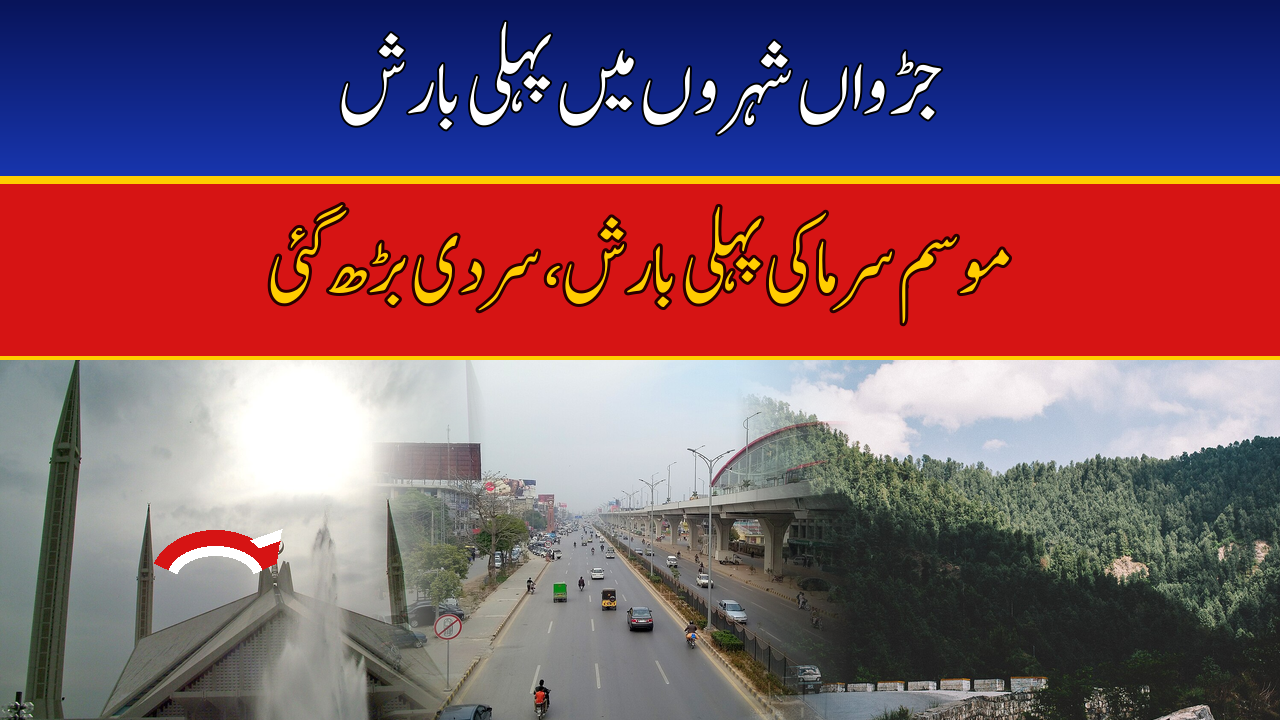
Islamabad and Rawalpindi received their first winter rain on Thursday, 12 November 2026, as a westerly wave moved over the upper and central parts of the country. Light rain lashed both cities, the hills around Murree recorded the heaviest showers, and the Met Office has forecast more rain for Friday, 13 November, with temperatures set to drop further as the cold wave takes hold.
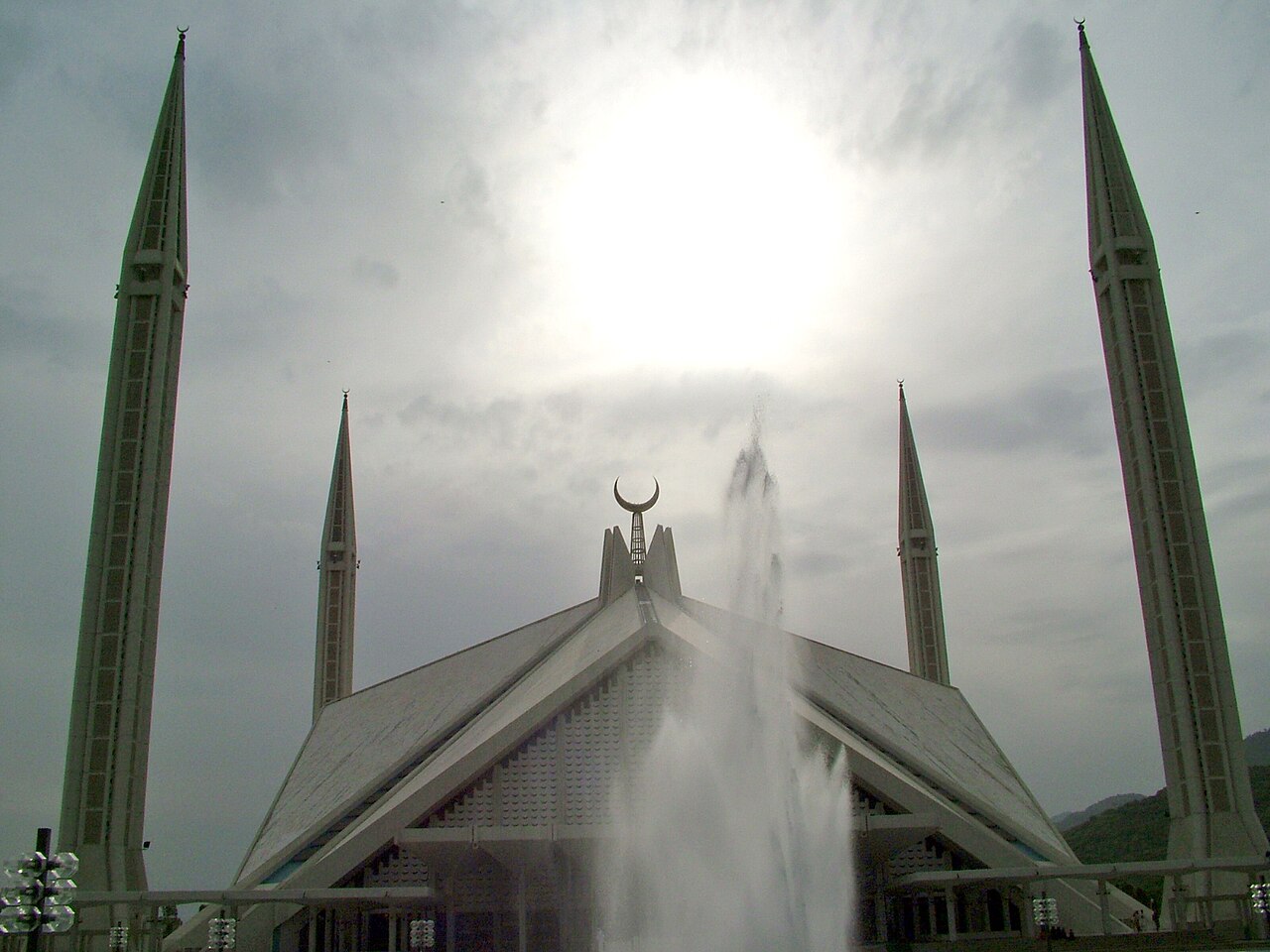
It was the moment people in the twin cities had been waiting for. After weeks of dry, hazy weather, the clouds finally rolled in on Thursday and the season’s first downpour arrived — light, but enough to wash the dust off the roads, cool the air and announce that winter is on its way. Dawn reported the season’s first downpour bringing a winter chill to the twin cities, and by Thursday night the Met Office was already warning that more was on the way.
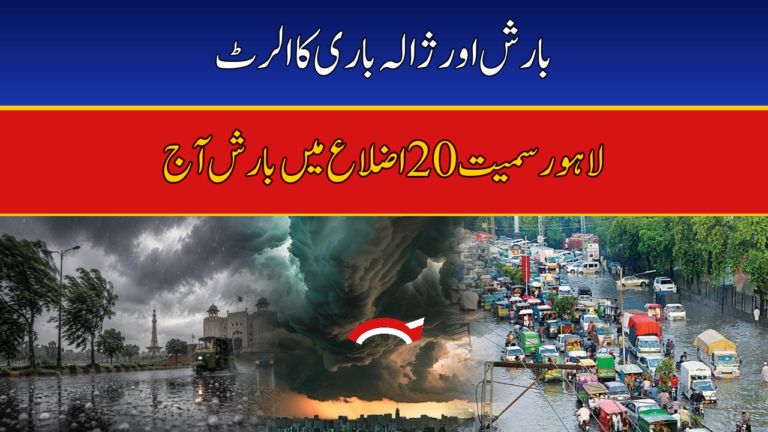
The rain did not come out of nowhere. A westerly wave is affecting the upper and central parts of the country, and the Met Office says it may persist in the upper parts for the next 36 hours. Thursday night brought intermittent rain, windstorms and thunderstorms, with snowfall over the mountains of northern Pakistan, and Friday carries a fresh forecast of more rain for Islamabad and Rawalpindi.
For residents, the change was easy to feel. The air turned cooler within hours of the showers, and the forecast now points to daytime temperatures dropping by 2 to 4 degrees Celsius during the wet spell — the first real taste of winter in the capital region this season.
How much rain fell — area by area
The rain was light across the twin cities, but it was measured and recorded station by station, and the pattern tells its own story: the hills got the most, the plains got a steady shower, and every neighbourhood in Rawalpindi saw at least some rain.
Murree recorded the highest figure in the region with 3 millimetres, matched by Zero Point in Islamabad, also at 3mm. Islamabad Airport and Saidpur each recorded 2mm, while Kattarian in Rawalpindi also recorded 2mm. The remaining Rawalpindi stations — Shamsabad, Gawalmandi, Pirwadhai and Kutcheri — each recorded 1mm. Dawn and The Global Times PK agree on these figures: a light but widespread spell, heavier towards the hills and lighter in the city centres.
More rain forecast for Friday — and snow over the hills
The system behind Thursday’s rain is not finished yet. The Pakistan Meteorological Department issued an advisory at 6:20pm on Thursday, 12 November, warning of intermittent rain, windstorms and thunderstorms with snowfall over the mountains across northern Pakistan on Thursday night. Isolated hailstorms and heavy rainfall were also possible in places, and tourists were advised to take precautions.
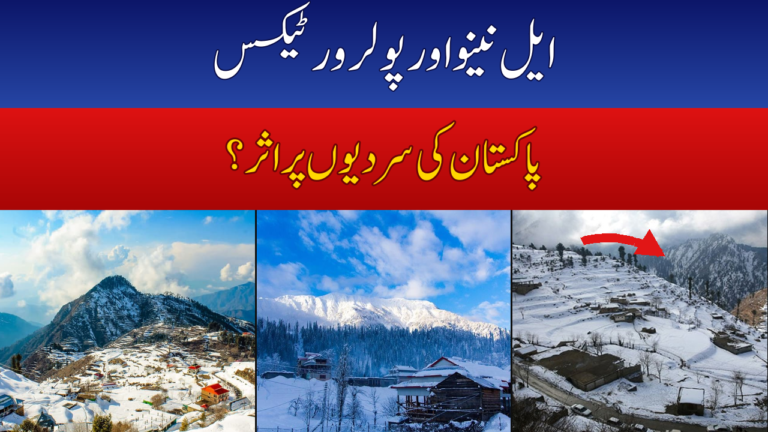
The wet spell runs from 10 to 14 November, with snowfall expected over the higher elevations of upper Khyber Pakhtunkhwa, Gilgit-Baltistan and Kashmir. That is the part of the forecast that matters most for anyone heading north this weekend: the same system that brought a light shower to the twin cities is bringing snow to the mountains, and conditions on the hill roads will be very different from conditions in the plains.
For Islamabad and Rawalpindi themselves, the Met Office has predicted more rain on Friday, 13 November. It is important to be clear about this: Friday’s rain is a forecast, not a confirmed event. Thursday’s rain fell and was measured; Friday’s is expected, and the picture will only be confirmed once the day’s readings come in. What is certain is that the westerly wave is still in place, and the Met Office expects it to persist in the upper parts of the country for the next 36 hours.
Travel warning: slippery roads and landslide risk in the hills
The Met Office has warned that rainfall and snowfall over the hills may cause landslides and slippery road conditions in Khyber Pakhtunkhwa, Gilgit-Baltistan, Murree, Galiyat and Kashmir. Anyone travelling to Murree or Galiyat, or further north, should take that warning seriously: a road that is merely wet in Islamabad can be treacherous on a mountain bend, and snowfall on higher ground can close a route with little notice.
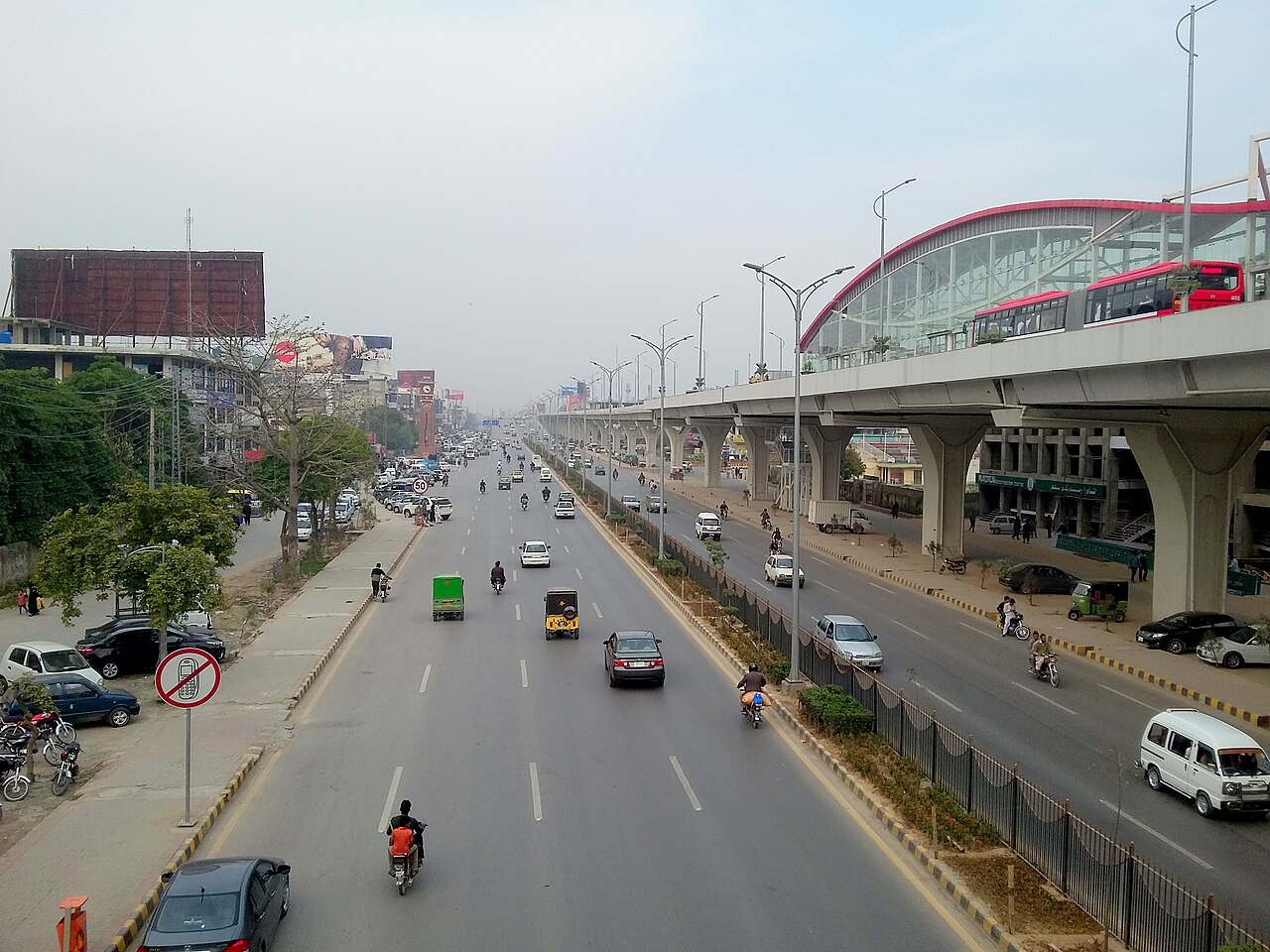
The advice from the Met Office is straightforward: tourists heading for the hills should take precautions, check conditions before setting out, and be ready to change plans if the weather turns. The PMD advisory specifically flagged the risk of isolated hailstorms and heavy rainfall alongside the snow — exactly the combination that catches travellers off guard on mountain roads.
What it means for smog — and the weekend forecast
There is a silver lining to the rain that goes beyond cooler air. The Provincial Disaster Management Authority has issued an alert for rain across most districts of Punjab from 10 to 13 November, and the rainfall is expected to help reduce smog across the province. Punjab has been struggling with smog through the winter season, and rain is one of the few things that clears the air quickly — washing pollutants out of the atmosphere and giving the province a breather.
Islamabad’s own air on Friday morning was already in the moderate range, with an air quality index of 94, a temperature of 17°C under partly cloudy skies and humidity at 77% — a marked change from the dry, hazy days before the rain.
The weekend, though, looks set to dry out. Saturday, 14 November is forecast to be mostly sunny in Islamabad, with a high of 25°C and a low of 12°C and a 0% chance of rain. The wet spell should pass by the weekend, leaving cooler nights and clearer air behind. If you have a drive planned, Saturday is the day to do it — but keep a jacket handy for the evening, because the cold wave that arrived with Thursday’s rain is not going anywhere in a hurry.

Frequently Asked Questions
When did the first winter rain fall in Islamabad and Rawalpindi?
The season’s first winter rain lashed Rawalpindi and Islamabad on Thursday, 12 November 2026. Dawn reported the downpour on Friday, 13 November, describing it as the season’s first, with light rain recorded across both cities.
How much rain was recorded in the twin cities?
Murree recorded the most with 3mm, matched by Zero Point in Islamabad at 3mm. Islamabad Airport and Saidpur each recorded 2mm, Kattarian in Rawalpindi recorded 2mm, and Shamsabad, Gawalmandi, Pirwadhai and Kutcheri in Rawalpindi each recorded 1mm.
Will it rain again in Islamabad and Rawalpindi on Friday?
More rain has been forecast for Friday, 13 November, by the Met Office. This is a forecast, not a confirmed event — Thursday’s rain fell and was measured, while Friday’s rain is expected and will only be confirmed once the day’s readings are recorded.
Is snowfall expected in Murree and the northern hills?
Yes. The PMD advisory of 12 November says snowfall is expected over the mountains of northern Pakistan and over the higher elevations of upper Khyber Pakhtunkhwa, Gilgit-Baltistan and Kashmir during the 10–14 November wet spell. The Met Office has warned that rain and snow over the hills may cause landslides and slippery roads in KP, Gilgit-Baltistan, Murree, Galiyat and Kashmir.
How cold will it get after the rain?
Daytime temperatures are expected to drop by 2 to 4 degrees Celsius during the wet spell. Islamabad stood at 17°C on Friday morning under partly cloudy skies, with humidity at 77%, and Saturday night is forecast to fall to 12°C.
Will the rain help reduce smog, and what is the weekend forecast?
Yes — the PDMA alert covers rain across most districts of Punjab from 10 to 13 November, and the rainfall is expected to help reduce smog in the province. The weekend then dries out: Saturday, 14 November is forecast to be mostly sunny in Islamabad with a high of 25°C, a low of 12°C and a 0% chance of rain.
Related: Babusar Top Closed After Heavy Snowfall in KP and Gilgit-Baltistan | Punjab Rain Alert: PDMA Warns of Showers in Lahore and Rawalpindi | Delhi Overtakes Lahore as World’s Most Polluted City Amid Smog