Sindh Wheat Growers Support Program: Rs17 Billion Subsidy for 550,000 Farmers from November 20
By Bilal Ahmed | 12 November 2026 Sindh Wheat Growers Support Program: Rs17 Billion Subsidy for 550,000 Farmers from November 20 The Sindh government will pay Rs17 billion in subsidies to wheat growers this Rabi season under the Sindh Wheat Growers Support Program, with distribution starting on Friday, 20 November 2026. Around 550,000 farmers will…
Sindh Wheat Growers Support Program: Rs17 Billion Subsidy for 550,000 Farmers from November 20
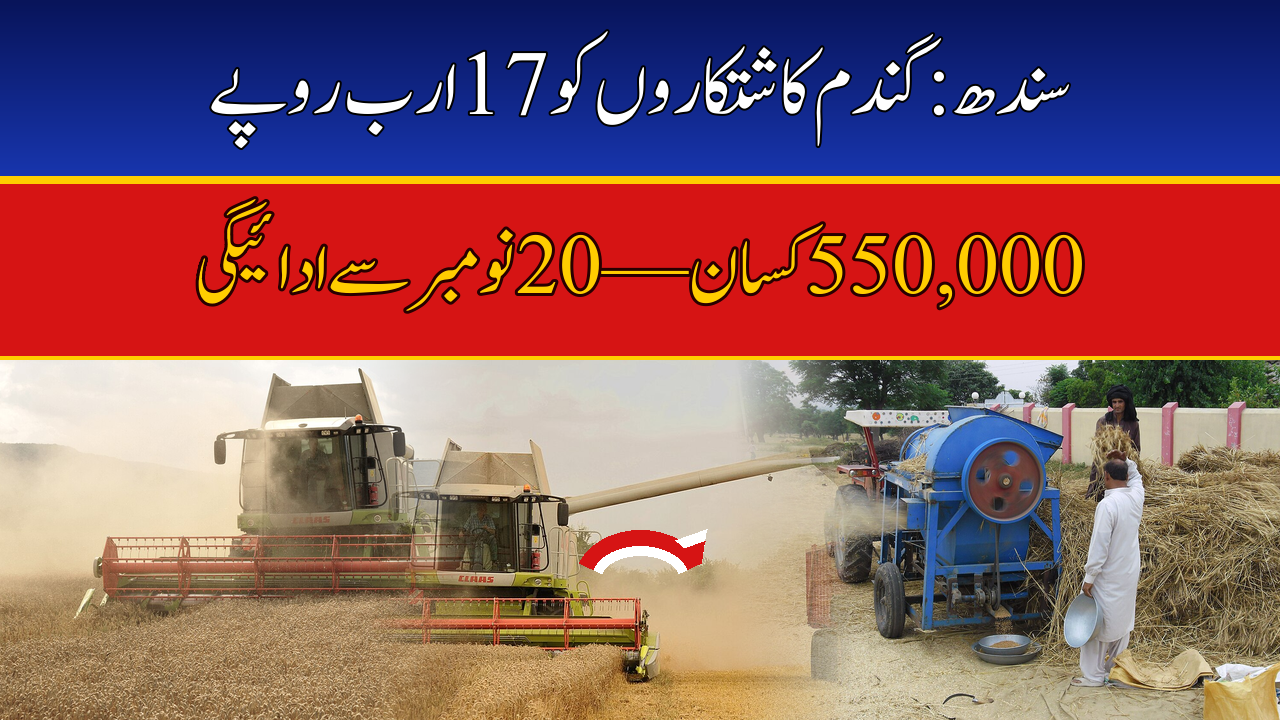
The Sindh government will pay Rs17 billion in subsidies to wheat growers this Rabi season under the Sindh Wheat Growers Support Program, with distribution starting on Friday, 20 November 2026. Around 550,000 farmers will receive the money through the Benazir Hari Card, and PPP Chairman Bilawal Bhutto Zardari will formally inaugurate the payout at the Chief Minister’s House in Karachi.
The decision was announced on Wednesday, 11 November, by Sindh Agriculture Minister Sardar Muhammad Bakhsh Mahar, who chaired a meeting in Karachi to review arrangements for the launch ceremony, the registration of farmers and the delivery of the subsidy. For Sindh’s wheat growers — who are in the middle of the Rabi sowing season — the announcement puts a firm date and a firm figure on support that had been expected for weeks.
| Key Fact | Detail |
|---|---|
| Subsidy amount | Rs17 billion |
| Programme | Sindh Wheat Growers Support Program (Rabi season) |
| Farmers to benefit | Around 550,000 |
| Payment method | Benazir Hari Card |
| Distribution starts | Friday, 20 November 2026 |
| Inauguration | Bilawal Bhutto Zardari, Chief Minister’s House, Karachi |
| Announced by | Sindh Agriculture Minister Sardar Muhammad Bakhsh Mahar (11 November 2026) |
What Was Announced
The provincial government has decided to release Rs17 billion in subsidies for wheat growers during the current Rabi season, the minister said after Wednesday’s meeting. The Sindh Wheat Growers Support Program will be rolled out on 20 November, when Bilawal Bhutto Zardari formally launches the distribution of payments at an event at the Chief Minister’s House.
The Chief Minister of Sindh, provincial ministers, members of the Sindh Assembly and party leaders are also expected to attend the ceremony, according to the reports of the meeting. Agriculture Secretary Muhammad Zaman Narijo briefed the meeting on the preparations, including the registration of farmers and the arrangements for getting the subsidy to them.
The subsidy is a Rabi-season measure: wheat is Sindh’s main winter crop, sown in the closing months of the year and harvested in spring. The timing matters because growers are buying seed, fertiliser and diesel for sowing right now, when cash is tightest.
Who Benefits and How
About 550,000 farmers are expected to benefit during the current Rabi season, the agriculture minister said. The money will reach them through the Benazir Hari Card, the provincial government’s payment mechanism for growers.
That is the full extent of what has been confirmed so far. The government has not yet said how much an individual farmer will receive, how the subsidy will be calculated — whether per acre, per maund of wheat, or on some other basis — or when the payments will be completed. Those details matter to every grower reading this announcement, and this article will be updated when the agriculture department publishes them.
What is clear is the scale: Rs17 billion spread across 550,000 farmers is one of the largest single-season support packages the province has announced for wheat growers, and it comes in a year when wheat — and the flour made from it — has been under close public scrutiny.
Why It Matters Now
Wheat prices have been a sensitive subject in Pakistan this autumn. In October, flour prices surged in several cities, with chakki atta reported at Rs200 per kg in Karachi against an official rate of Rs145, and wheat quoted at Rs5,400 to Rs5,500 per maund in Multan and Faisalabad. The federal and provincial governments responded with a mix of measures, including a Rs10 billion Punjab subsidy and a cut in the ex-mill flour price.
A subsidy paid directly to growers, rather than to millers or traders, is designed to support the people who actually grow the crop — and to encourage them to sow more wheat, which in turn steadies supply and prices later in the season. Sindh is one of Pakistan’s two main wheat-producing provinces, so the area sown there has a direct bearing on the national harvest.
The programme also fits a wider pattern of provincial farm support announced this year. The Benazir Hari Card has become Sindh’s main channel for getting farm payments to growers, and the government has used it for earlier Rabi-season support as well.
What Farmers Should Do
Growers who expect to benefit should make sure their registration is in order before 20 November. The launch meeting specifically reviewed the registration of farmers, which suggests that only registered growers holding a Benazir Hari Card will be in line for payment.
If you are a wheat grower in Sindh and you have not yet registered, contact your district agriculture office or the Sindh Agriculture Department for the registration process. Keep your CNIC and land records ready — these are the documents normally required for farm subsidy schemes — and do not pay anyone who offers to “arrange” your subsidy for a fee. Official farm subsidies are paid through government channels, not through agents.
Watch for the formal launch on 20 November: the inauguration ceremony is expected to confirm the per-farmer amount and the payment schedule, and we will update this article with those figures as soon as they are published.
Frequently Asked Questions
How much subsidy will each farmer get under the Sindh Wheat Growers Support Program?
The government has not announced a per-farmer amount yet. It has confirmed the total — Rs17 billion — and the number of beneficiaries — around 550,000 farmers. The per-farmer figure and the calculation method are expected to be confirmed at the launch on 20 November 2026.
When will the wheat subsidy payments start?
Distribution starts on Friday, 20 November 2026. PPP Chairman Bilawal Bhutto Zardari will formally inaugurate the payout at a ceremony at the Chief Minister’s House in Karachi on that day.
How will farmers receive the subsidy?
Through the Benazir Hari Card. The Sindh government is using the card as the payment channel for this Rabi-season subsidy, and the launch meeting reviewed farmer registration ahead of the rollout.
Who is eligible for the Rs17 billion wheat subsidy?
Wheat growers in Sindh who are registered for the programme. The government says around 550,000 farmers will benefit during the current Rabi season. Registration details are being handled by the Sindh Agriculture Department and district agriculture offices.
Who announced the Sindh Wheat Growers Support Program?
Sindh Agriculture Minister Sardar Muhammad Bakhsh Mahar announced it on Wednesday, 11 November 2026, after chairing a meeting in Karachi on the launch arrangements. Agriculture Secretary Muhammad Zaman Narijo briefed the meeting.
Why is the Sindh government subsidising wheat growers?
To support farmers during the Rabi sowing season, when input costs are highest, and to encourage wheat cultivation. Wheat prices and flour rates have been a major public concern this autumn, and supporting growers directly is intended to protect both farm incomes and the coming harvest.
Related: Flour prices surge across Pakistan — city-wise rates and official prices | Pakistan Minerals Investment Forum 2026 opens in Islamabad | Petrol and diesel prices for November 12, 2026