PEMRA Bans Infant Formula Milk Ads on TV from 24 November 2026
PEMRA Bans Infant Formula Milk Ads on Electronic Media The pemra infant formula ad ban took immediate effect on Monday, 23 November 2026, when the Pakistan Electronic Media Regulatory Authority (PEMRA) ordered television channels to stop airing advertisements and promotions for commercially manufactured infant formula milk. The Senate Standing Committee on National Health Services, which…
PEMRA Bans Infant Formula Milk Ads on Electronic Media
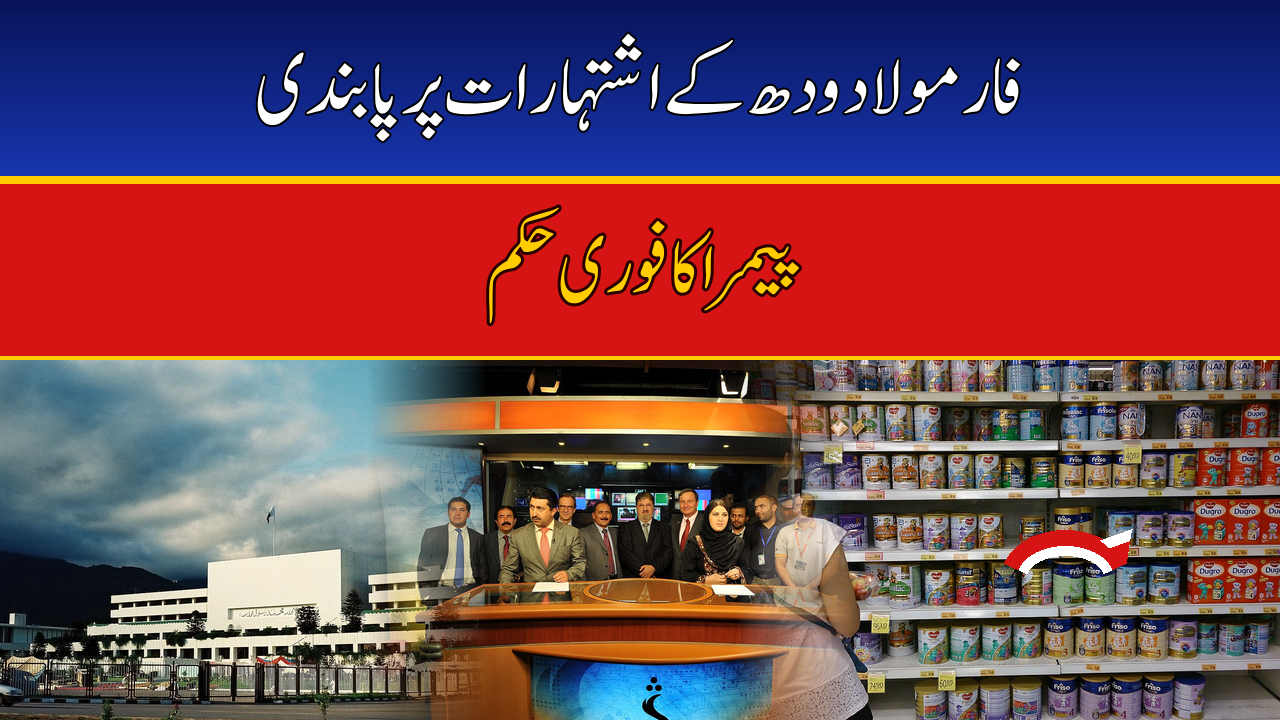
The pemra infant formula ad ban took immediate effect on Monday, 23 November 2026, when the Pakistan Electronic Media Regulatory Authority (PEMRA) ordered television channels to stop airing advertisements and promotions for commercially manufactured infant formula milk. The Senate Standing Committee on National Health Services, which had pressed for the move, framed its own direction as a ban from Tuesday, 24 November 2026.
The two dates describe two different acts. Dawn reported PEMRA’s order applied with immediate effect on 23 November, while Daily Pakistan reported the committee’s direction as a ban from 24 November, with action against violations.
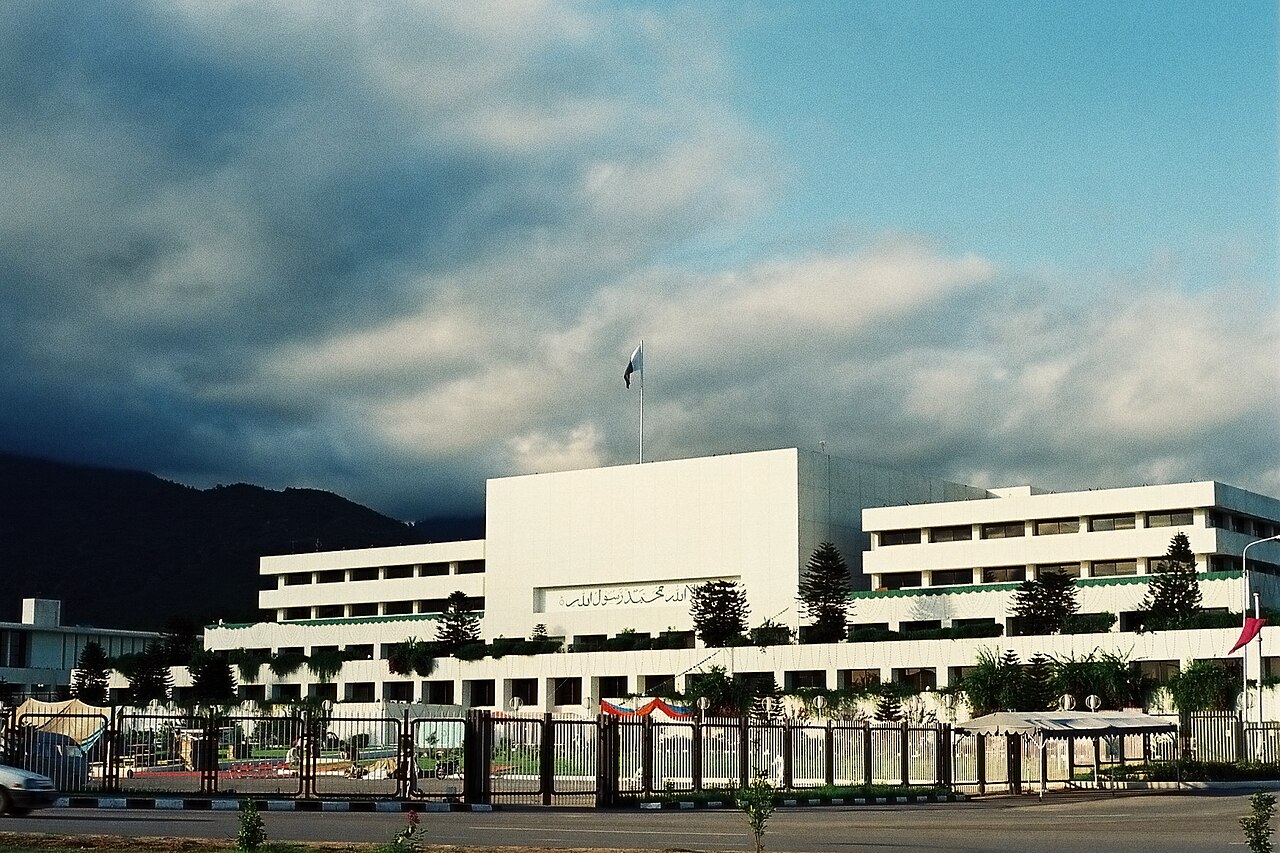
The decision came out of a committee meeting held on Monday, 23 November 2026, at Parliament House in Islamabad, which reviewed the regulation and advertising of formula milk for children aged between one and 36 months. It was chaired by Senator Amir Waliuddin Chishti, and PEMRA Chairperson Ambreen Jan briefed the committee.
Key facts
| Point | Detail |
| What was banned | Advertisements and promotions for commercially manufactured infant formula milk on electronic media (TV channels) |
| PEMRA order | Took immediate effect on Monday, 23 November 2026 |
| Committee direction | Ban framed as applying from Tuesday, 24 November 2026 |
| Law cited | Protection of Breastfeeding and Child Nutrition Ordinance 2002, Section 7 |
| Committee | Senate Standing Committee on National Health Services, chaired by Senator Amir Waliuddin Chishti |
| PEMRA briefing | Chairperson Ambreen Jan briefed the committee |
| Age group covered | Formula milk for children aged 1 to 36 months |
| Enforcement | Nationwide; violations will invite action and PEMRA must report on implementation at the next committee meeting |
What exactly is banned?
The ban covers advertisements and promotions for commercially manufactured infant formula milk on electronic media. Television channels have been directed to stop airing such ads.
The ban does not cover the product itself. Infant formula milk has not been banned, and parents can still buy it. Only its advertising and promotion on TV have been stopped.
The committee also directed that formula milk be regulated under the Drug Regulatory Authority of Pakistan (DRAP), rather than treated as an ordinary food item.
The law behind the ban
The ban rests on the Protection of Breastfeeding and Child Nutrition Ordinance 2002. Section 7 of that ordinance bars advertisements, promotional activities, free samples and direct marketing of designated infant products.
Senator Shahzaib Durrani cited Section 7 during the meeting, according to Arab News, and the committee treated it as the legal basis for telling PEMRA to act.
Pakistan imported infant formula worth about $60 million in 2024. National Institute of Child Health Director Dr Jamal Raza put domestic sales far higher, at Rs124 billion, or about $443 million. Dr Raza also told the committee that children on formula are 15 times more likely to die due to infections like pneumonia and diarrhoea. That figure is reported here as Dr Raza’s statement to the committee, not as an independently established medical finding. Health Minister Mustafa Kamal told the committee that breast milk is the best nutrition for a baby, that formula should not be promoted, and that the ministry supports the committee’s decision.
What it means for parents
For parents, the most important point is simple: this is an advertising ban, not a product ban. Formula milk remains available to buy, and no shop has been told to take it off the shelves.
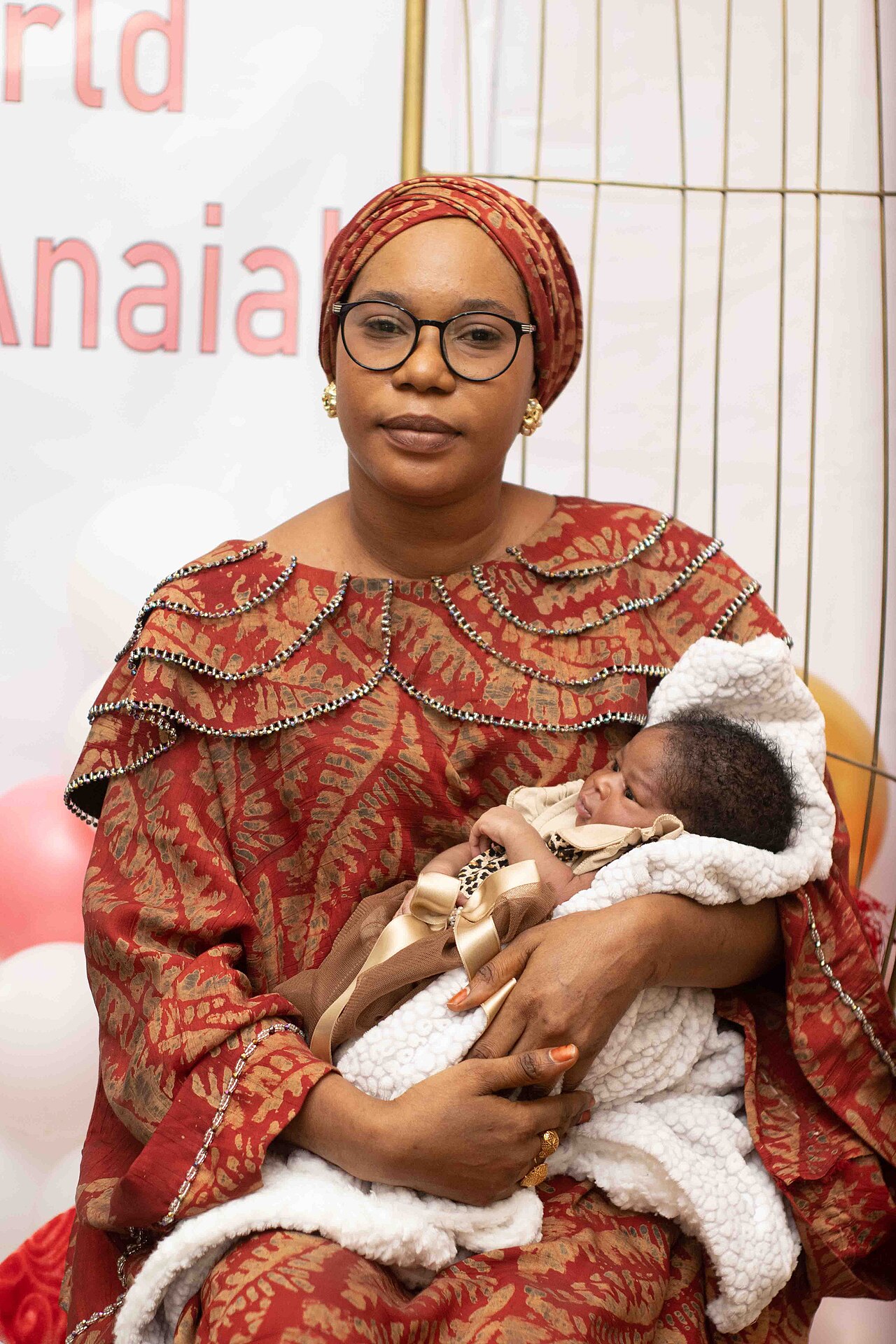
What changes is what parents see on television. The ads that presented formula milk as a normal, everyday choice for babies will no longer be aired. Instead, the health ministry is to prepare a breastfeeding awareness advertisement within 15 days, to be aired using the 5% free airtime on TV channels, subject to approvals.
Parents who already use formula, or who need it on medical advice, are not affected. The committee’s aim is to stop promotion that discourages breastfeeding, not to take formula away from families who need it.
What it means for TV channels
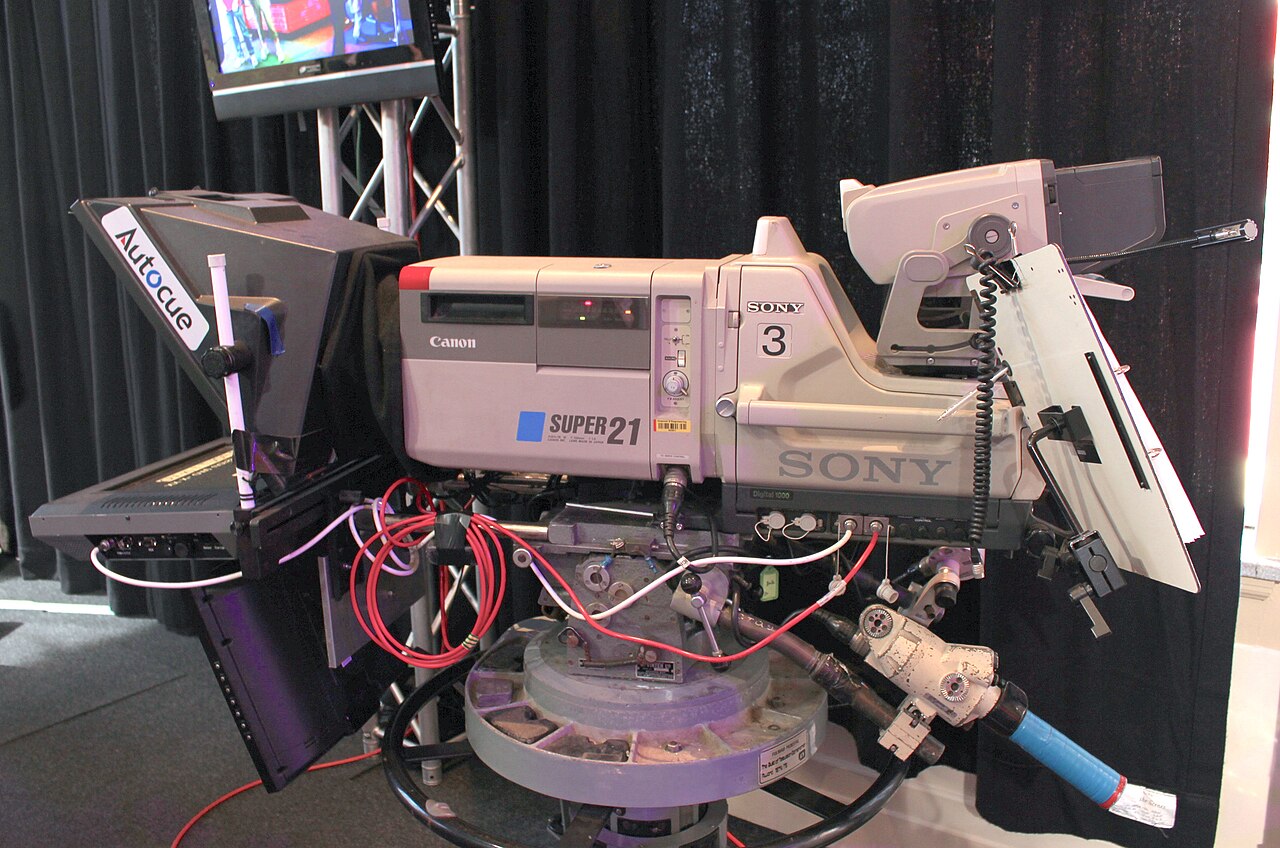
For television channels, the instruction is direct: stop airing advertisements and promotions for commercially manufactured infant formula milk. Enforcement is nationwide, so the ban is not limited to Islamabad or to a few channels.
Channels will also have to carry the breastfeeding awareness advertisement once it is ready, using the 5% free airtime set aside for public-interest messaging.
PEMRA must also report back on implementation at the committee’s next meeting, and the committee has said violations will invite action. This is not the first time PEMRA has issued firm directions to channels, as covered in our report on PEMRA’s earlier directions to broadcasters on live coverage.
The court question, as the committee sees it
The ban is not free of legal argument. PEMRA told the committee that the matter is pending in court, and that is where the committee and the regulator disagreed.
According to reports of the meeting, four importers challenged DRAP’s jurisdiction in the Sindh High Court in March 2024, and a multinational manufacturer obtained a stay from the Islamabad High Court earlier in November 2026 against an earlier directive requiring the warning “Mother’s milk is the best for a child” on advertisements. The senators’ position is that the stay applies only to two regulatory letters, not to the 2002 ordinance itself, and they rejected PEMRA’s argument that the court proceedings prevent enforcement. That is the committee’s stated position, not a ruling by a court, and it should not be read as settled law.
The committee has also sought written clarification on the reported transfer of formula-milk jurisdiction from DRAP to another division. That question is still open, and the clarification has been sought in writing.
What happens next
Several steps are now due. The health ministry has 15 days to prepare the breastfeeding awareness advertisement, which is then to be aired on the 5% free airtime on TV channels. A National Infant Feeding Board is to be established under the relevant law; the committee directed its establishment, and it is a direction for the future, not a body that already exists.
PEMRA must report on implementation at the next committee meeting, showing whether channels have stopped airing the ads and whether nationwide enforcement has been followed. Parliament has repeatedly used committee hearings to hold regulators to account, including when Parliament was briefed on media and digital issues. Health programmes in Pakistan have been under close review this year, and provincial health reforms are under way in Khyber Pakhtunkhwa.
Timeline
| When | What happened |
| March 2024 | Four importers challenged DRAP jurisdiction in the Sindh High Court, as reported from the committee meeting |
| Earlier in November 2026 | A multinational manufacturer obtained an Islamabad High Court stay against an earlier directive on a breastfeeding warning in advertisements, as reported from the meeting |
| Monday, 23 November 2026 | Senate committee met at Parliament House, Islamabad; PEMRA’s order banning the ads took immediate effect |
| Tuesday, 24 November 2026 | Date from which the committee’s direction frames the ban as applying |
| Within 15 days | Health ministry to prepare a breastfeeding awareness advertisement for the 5% free airtime on TV channels |
| Next committee meeting | PEMRA to submit a report on implementation; violations will invite action |
Frequently asked questions
Is infant formula milk banned in Pakistan?
No. Only advertisements and promotions for commercially manufactured infant formula milk on electronic media have been banned. The product itself is still legal to buy, and parents who need it can still purchase it.
When did the pemra infant formula ad ban take effect?
PEMRA’s order took immediate effect on Monday, 23 November 2026. The Senate committee’s direction was framed as a ban from Tuesday, 24 November 2026.
Which law is the ban based on?
The Protection of Breastfeeding and Child Nutrition Ordinance 2002. Section 7 of the ordinance bars advertisements, promotional activities, free samples and direct marketing of designated infant products.
Does the ban apply across Pakistan?
Yes. The committee directed nationwide enforcement, so it is not limited to Islamabad. PEMRA has been asked to report on implementation at the next committee meeting.
Will TV channels show anything about breastfeeding instead?
Yes. The health ministry is to prepare a breastfeeding awareness advertisement within 15 days, to be aired using the 5% free airtime available on TV channels, subject to approvals.
What about the court cases mentioned in the meeting?
PEMRA told the committee the matter is pending in court. The senators’ position is that the Islamabad High Court stay applies only to two regulatory letters, not to the 2002 ordinance itself. That is the committee’s position, not a court ruling.
Checked on 24 November 2026.